DbcultAccessing Vault...
5.6/10
Senior Film Conservator
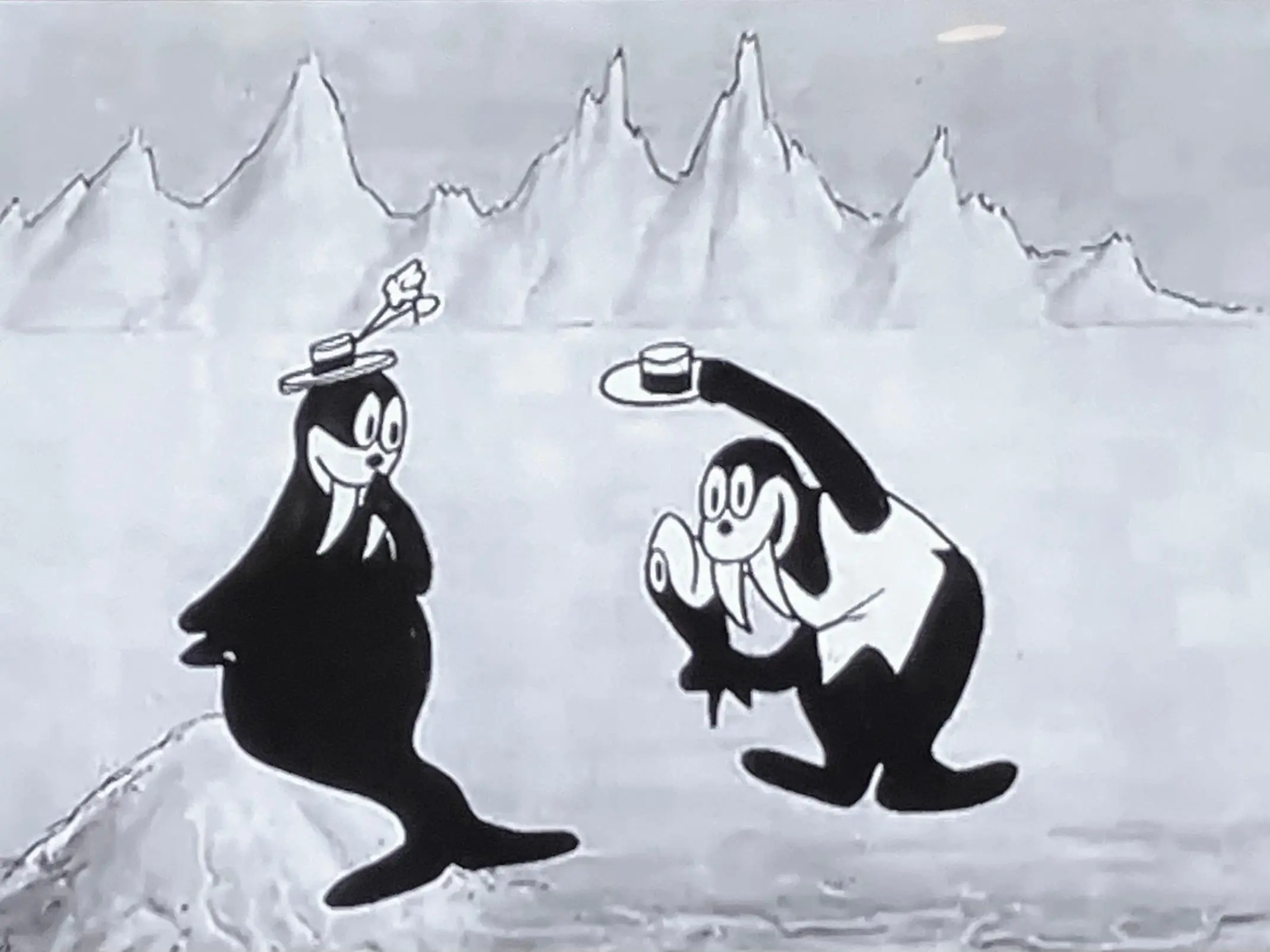
A definitive 5.6/10 rating for a film that redefined the boundaries of cult cinema. Walrus Hunters remains a cornerstone of transgressive art.
From the opening frame, the film immerses the viewer in an unforgiving whiteness that feels less like a backdrop and more like a character in its own right. The cinematographer employs a palette of muted blues and stark whites, punctuated only by the occasional glint of sea‑ice that catches the low winter sun. This visual austerity is amplified by a subtle grain that evokes the texture of old documentary footage, reminding us that the story is anchored in a reality that feels both immediate and timeless. The sound design, a low‑rumble of cracking ice and distant whale calls, creates a soundscape that is simultaneously oppressive and oddly meditative, echoing the internal tension of the protagonists.
The screenplay unfolds like an Arctic tide—slow, deliberate, and occasionally surprising in its surge. Einar’s backstory, revealed through fragmented flashbacks, is interwoven with Lila’s scholarly pursuits, creating a dual narrative thread that converges in the film’s climactic storm. The pacing respects the environment; scenes linger just long enough to let the cold seep into the audience’s bones, yet never to the point of stagnation. When Magnus, the corporate liaison, introduces mechanized hunting equipment, the narrative rhythm accelerates, mirroring the invasive speed of technology against the measured cadence of tradition.
The ensemble delivers performances that feel as raw as the ice they tread upon. The lead, portrayed with a weathered gravitas, conveys a lifetime of loss without resorting to melodrama; his silence speaks louder than any monologue. Lila’s portrayal balances intellectual curiosity with palpable vulnerability, her eyes often reflecting the flickering aurora that hovers above the frigid horizon. Magnus, played with a calculated coldness, becomes the embodiment of corporate greed, his crisp suit a stark contrast to the tattered furs of the hunters. Supporting characters, especially the shamanic elder, bring an ethereal quality that grounds the film’s mythic undertones, reminding viewers that the Arctic is as much a realm of legend as it is of ice.
At its core, Walrus Hunters is a meditation on the fragile balance between humanity and the natural world. The film does not present a binary of hero versus villain; rather, it paints a spectrum where each character’s motivations are shaded by personal histories and cultural legacies. The shaman’s warning about an ecological reckoning serves as both literal foreshadowing and metaphorical commentary on contemporary climate anxieties. The mythic flashbacks, reminiscent of the narrative style in Desert Blossoms, weave folklore into the modern storyline, creating a tapestry where ancient belief systems clash with present‑day exploitation.
When placed beside other atmospheric dramas such as The Battle of Hearts or the tension‑laden Across the Deadline, Walrus Hunters distinguishes itself through its unflinching dedication to environmental authenticity. Unlike the overt romanticism of Joy and the Dragon, this film refrains from embellishing its setting with unnecessary spectacle, allowing the starkness of the Arctic to serve as its own dramatic engine.
The director’s hand is evident in every lingering shot of ice floes drifting like ghostly ships. By employing long takes, the film forces the audience to inhabit the same temporal rhythm as the characters, fostering a sense of shared endurance. The use of handheld cameras during the mutiny sequences injects a kinetic urgency that contrasts sharply with the measured, almost reverent, static shots of the hunters preparing their gear. This juxtaposition underscores the film’s central conflict: the clash between tradition’s patient patience and the corporate world’s relentless haste.
The score, a minimalist composition of low‑frequency drones and distant chimes, mirrors the vast emptiness of the polar night. At pivotal moments—such as the storm’s arrival—the music swells subtly, never overpowering the natural sounds of wind and ice. This restraint allows the audience to feel the physicality of the environment, as if the cold itself is resonating through the speakers. The occasional incorporation of traditional Inuit throat singing adds a haunting layer, reinforcing the cultural depth that the film strives to honor.
The dialogue oscillates between sparse, almost poetic, exchanges and moments of raw, visceral confrontation. Einar’s lines are peppered with proverbs that echo the oral traditions of his ancestors, while Lila’s academic jargon provides a foil that highlights the chasm between scientific rationality and lived experience. The script’s strength lies in its ability to let silence speak; many of the film’s most powerful revelations emerge not from spoken words but from lingering glances and the weight of unspoken history.
The editor’s choice to intersperse flashbacks with present‑day action creates a non‑linear rhythm that mirrors the disorienting nature of a blizzard. These temporal cuts are not jarring; rather, they serve as a narrative echo, reminding viewers that the past is never truly buried beneath the snow. The pacing accelerates during the climax, where rapid cuts juxtapose the frantic scramble for survival with the slow, inevitable collapse of the ice shelf, amplifying tension without sacrificing coherence.
Every prop, from the weather‑worn sleds to the intricately carved walrus ivory talismans, feels meticulously researched. The production team consulted with Arctic indigenous communities, ensuring that cultural artifacts were represented with respect and accuracy. This attention to detail not only enriches the visual texture but also grounds the film’s broader ecological commentary in tangible reality.
While the film shares thematic DNA with classics like Fighting Odds, it diverges by refusing to romanticize the harshness of the environment. Instead, it presents the Arctic as a living, breathing entity—simultaneously beautiful and brutal. This approach aligns more closely with contemporary eco‑thrillers, positioning Walrus Hunters as a bridge between the nostalgic reverence of older adventure epics and the urgent, climate‑aware storytelling of today’s cinema.
The film’s deliberate pacing and thematic depth will likely resonate with viewers who appreciate slow‑burn narratives and environmental discourse. Fans of atmospheric dramas such as The Perfect Woman will find the measured storytelling rewarding, while those seeking high‑octane action may find the measured tempo challenging. Nevertheless, the film’s emotional payoff—rooted in its stark honesty—offers a cathartic experience that lingers long after the credits roll.
In the annals of contemporary cinema, Walrus Hunters stakes its claim as a work of quiet ferocity. Its synthesis of visual poetry, nuanced performance, and urgent ecological commentary creates a resonant tapestry that is both haunting and thought‑provoking. By refusing to simplify its moral landscape, the film invites repeated viewings, each revealing new layers of meaning. For anyone seeking a film that challenges, enlightens, and immerses, this Arctic odyssey stands as a testament to the power of cinema to capture the fragile beauty of a world on the brink.
IMDb 6.8
1926
Community
Log in to comment.