DbcultAccessing Vault...
4.8/10
Senior Film Conservator
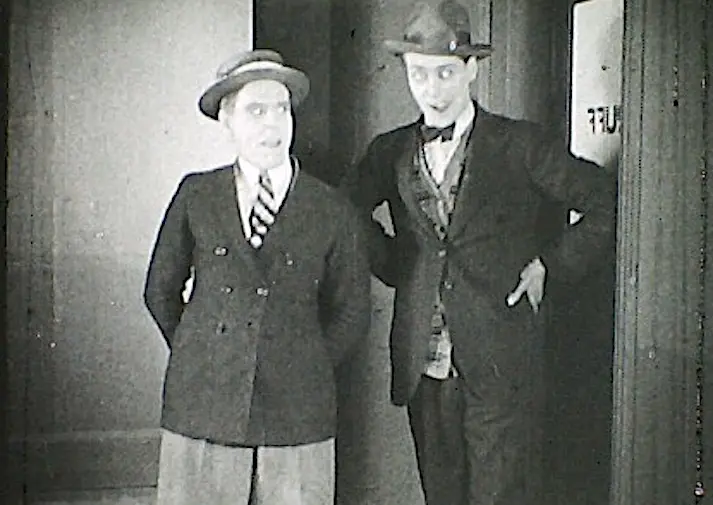
A definitive 4.8/10 rating for a film that redefined the boundaries of cult cinema. Walter's Paying Policy remains a cornerstone of transgressive art.
Is "Walter's Paying Policy" a must-watch film today? Short answer: yes, but with significant caveats. This early silent short is a fascinating historical artifact and a testament to the nascent comedic talent of Walter Forde, offering a glimpse into the foundational elements of slapstick and situational humor. It is unequivocally for those with an appreciation for early cinema, silent film enthusiasts, and anyone interested in the evolution of comedic storytelling. Conversely, it is decidedly NOT for viewers seeking intricate plots, high production values, or contemporary pacing.
"Walter's Paying Policy" works as a delightful, if brief, diversion. Its central conceit, though simple, is executed with a charming ingenuity that transcends its age. It’s a film that demands a certain patience and a willingness to engage with a different mode of storytelling, but the rewards are there for those who look. The ingenuity of its premise is its strongest suit, a testament to Forde's knack for turning a mundane scenario into a comedic opportunity.
"Walter's Paying Policy" stands as a curious, yet compelling, example of early 20th-century filmmaking. Released at a time when cinema was still finding its voice, this short feature showcases a surprising degree of narrative sophistication for its era. It’s not merely a series of gags; there's a clear, albeit straightforward, plot driving the action, demonstrating that even in silent cinema, a strong premise could carry a film.
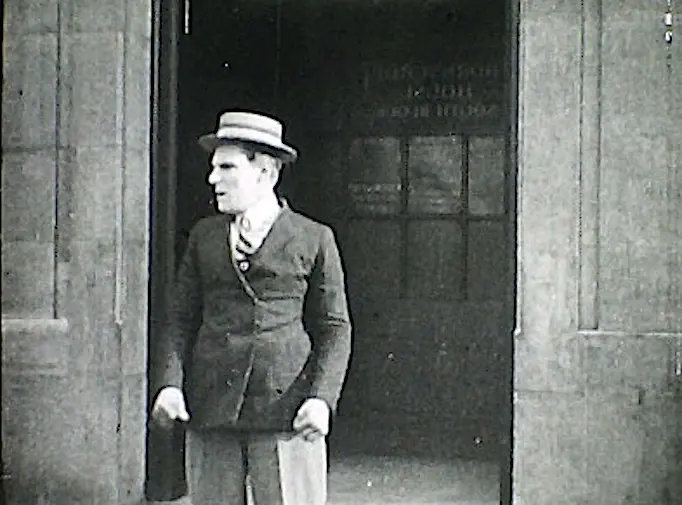
The film’s central idea – an insurance salesman orchestrating a fake theft to catch a real burglar – is remarkably clever. It pivots on a delightful irony: the protector becoming the apparent perpetrator to safeguard a client's interests. This kind of meta-narrative, where the characters manipulate perception, was quite advanced for its time, suggesting a burgeoning understanding of audience engagement and suspense, even within a comedic framework.
Walter Forde, both in front of and behind the camera, imbues the film with a distinct personality. His performance as the titular Walter is understated yet effective, relying on subtle facial expressions and precise physical comedy rather than broad theatrics. This restraint, particularly in an era often characterized by exaggerated performances, is a refreshing choice that lends a certain authenticity to his character's rather outlandish plan.
"Walter's Paying Policy" is more than just a historical footnote; it's a testament to the enduring power of a clever idea, executed with a charming simplicity that still resonates. It’s a foundational piece for understanding the evolution of comedic timing and narrative construction in silent film.
Forde's direction, though rudimentary by modern standards, is acutely aware of the film's primary goal: to deliver a concise, humorous narrative. The pacing is brisk, typical of shorts from this period, yet it never feels rushed. Each beat of Walter's elaborate plan, from the initial setup of the 'theft' to the eventual unmasking of the burglar, is given just enough screen time to register without overstaying its welcome.
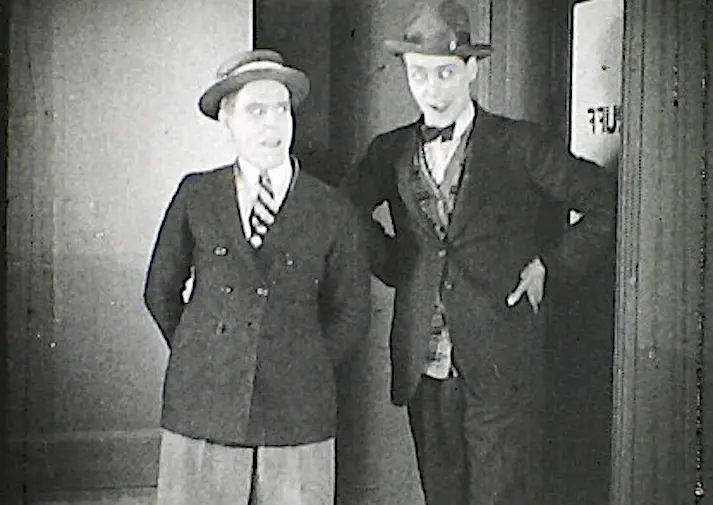
Consider the scene where Walter 'steals' the vase. The camera is static, observing the careful, almost ritualistic movements of Forde as he executes his feigned crime. This deliberate staging builds a quiet tension, allowing the audience to fully grasp the absurdity and cunning of his actions. It’s a prime example of how Forde uses the limitations of silent film to his advantage, relying on visual storytelling to convey complex intentions.
The film’s tone is consistently light-hearted, even during moments of mild peril. The potential threat of the burglar is never truly menacing, instead serving as a catalyst for Walter's ingenuity. This comedic framing ensures that the audience remains engaged with the cleverness of the scheme rather than being distracted by genuine suspense. It’s a balancing act that Forde manages with surprising dexterity, showcasing an intuitive understanding of comedic rhythm.
The cast, though small, delivers performances that are well-suited to the film's comedic aspirations. Walter Forde, as the enterprising insurance agent, anchors the film with his engaging screen presence. His portrayal is less about overt gags and more about a sustained, knowing smirk that suggests his character is always one step ahead. His meticulous handling of the vase during the 'theft' is a subtle comedic highlight, portraying a man who is both a professional and a reluctant actor.
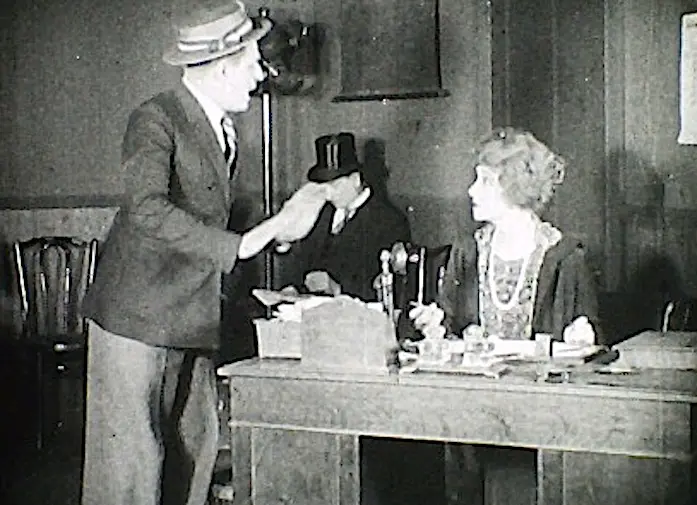
George Foley, likely playing the unsuspecting client or perhaps the eventual burglar, contributes to the film's understated humor through his reactions. While specific details of his role are sparse from the plot summary, the strength of silent film often lies in these non-verbal cues. If Foley plays the client, his expressions of alarm or confusion upon discovering the 'theft' would be crucial in setting up the comedic payoff. If he is the burglar, his eventual capture would rely on a similar blend of physical reaction and understated surprise.
Pauline Peters, the sole female presence mentioned, would have provided an essential counterpoint, likely as a damsel in distress or a comedic foil. In silent comedies, female characters often served to heighten the stakes or react to the male protagonist's antics, providing an audience surrogate's perspective. Her role, however brief, would contribute to the film's overall charm and the dynamics of the situation.
Given the era, the cinematography in "Walter's Paying Policy" is functional rather than flashy. The camera work is largely static, focusing on clear compositions that allow the audience to observe the action without distraction. This directness, while lacking the dynamism of later cinematic techniques, ensures that the narrative remains legible and the comedic beats land effectively.
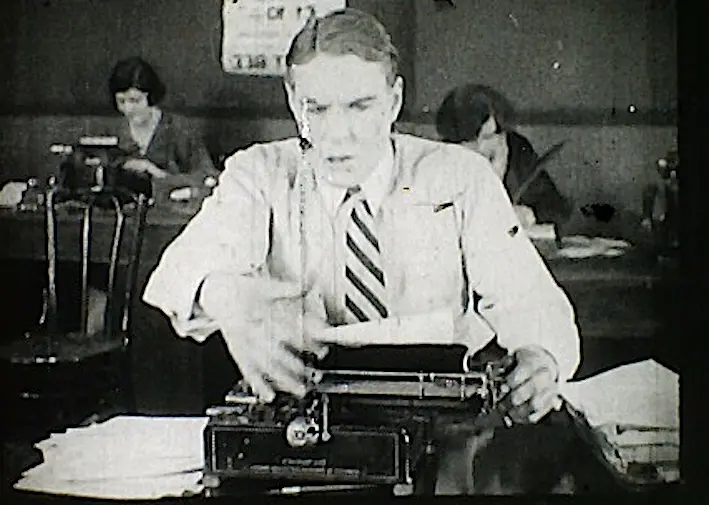
The use of close-ups, if present, would have been strategic, perhaps to emphasize Walter's cunning expression or the details of the coveted vase. Such choices, even simple ones, demonstrate an early understanding of how to guide the viewer's eye and enhance emotional connection in a medium that relied solely on visuals.
Production design, while likely minimal, would have been crucial in establishing the setting. A collector's home, perhaps adorned with a few key props, would immediately convey the value of the vase and the nature of the crime. The attention to these details, however subtle, grounds the fantastic premise in a relatable reality, making Walter's elaborate scheme more believable within the film's world.
Beyond its surface-level comedy, "Walter's Paying Policy" subtly touches upon themes of security and perception. Walter’s method of catching a burglar by staging a theft himself highlights the inherent absurdity in protecting valuable objects. It suggests that sometimes, the most effective defense is a deceptive offense, questioning conventional notions of safety and surveillance.
The film playfully asks: what truly constitutes a crime, and who is truly the criminal? Walter, in his guise as a thief, technically commits an act that mirrors the very crime he seeks to prevent. This inversion of roles provides a clever, albeit light, philosophical layer to the slapstick, making it more than just a simple chase sequence. It works. But it’s flawed. This intellectual curiosity, however brief, elevates the film beyond mere entertainment.
For those with an academic or historical interest in silent cinema, "Walter's Paying Policy" is absolutely worth watching. It offers a valuable insight into the comedic sensibilities and narrative techniques of its era. It's a short, accessible piece that doesn't demand a huge time commitment but provides a rich opportunity for critical analysis.
However, for the casual viewer accustomed to modern blockbusters and fast-paced narratives, this film might prove challenging. Its humor is subtle, its pacing deliberate, and its visual language requires a different kind of engagement. It lacks the explosive energy of later silent comedies like those of Buster Keaton or Charlie Chaplin, opting instead for a more cerebral, though still amusing, approach.
"Walter's Paying Policy" is a charming, often overlooked piece of early cinema. It’s a testament to the inventive spirit of Walter Forde, who masterfully combined writing, directing, and acting to deliver a concise, clever, and genuinely amusing short film. While it won't revolutionize your cinematic experience in the way The Burning Soil or Autour de la roue might with their dramatic weight, it offers a delightful peek into the foundational elements of screen comedy. It's a film that asks for a little patience and an open mind, rewarding those willing to step back in time with a smile and an appreciation for a truly original premise. Don't expect a spectacle; expect intelligent amusement. It's a worthwhile watch for its historical value and its surprisingly enduring cleverness.
IMDb 4.8
1917
Community
Log in to comment.