DbcultAccessing Vault...
Cult Review
Senior Film Conservator
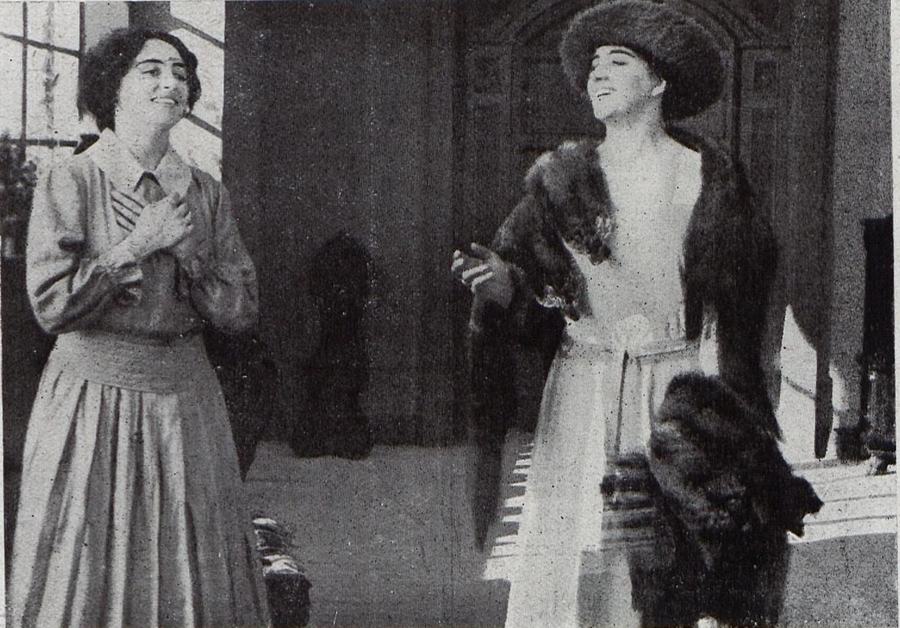
In the grand tapestry of cinematic history, certain narratives possess an enduring, almost mythical quality, their threads woven with themes so universal that they transcend the ephemeral trends of their era. Such is the profound resonance of Mademoiselle Monte Cristo, a film that, even a century after its inception, continues to captivate with its intricate dance of betrayal, endurance, and meticulously orchestrated vengeance. This isn't merely a silent film; it's a profound exploration of the human spirit's capacity for both profound suffering and formidable resilience, presented with a visual eloquence that speaks volumes without uttering a single word. Penned by the insightful Paul Mahalin, the narrative unfurls with a deliberate, almost surgical precision, much like the meticulous plans of its titular protagonist.
At its heart lies Isabella Valois, portrayed with a compelling blend of vulnerability and nascent steel by Maria Riccardi. Her initial depiction is one of an innocent caught in the gilded cage of Parisian society, a world where appearances are paramount and the undercurrents of jealousy and ambition run dangerously deep. The film masterfully establishes her idyllic existence, making her subsequent downfall all the more jarring and tragic. Riccardi’s performance, relying solely on expressive pantomime and nuanced facial gestures, conveys a spectrum of emotion, from buoyant joy to heart-wrenching despair, drawing the audience into Isabella’s plight with an almost visceral empathy. This early character development is crucial, for it lays the groundwork for the audience's unwavering support as Isabella’s world crumbles.
The antagonists in Mademoiselle Monte Cristo are not mere caricatures; they are personifications of various societal vices, each contributing a distinct shade to the canvas of Isabella’s misfortune. Alfredo Cruichi, as the ruthless industrialist Count Armand Dubois, embodies the insidious nature of unchecked power and avarice. His portrayal is chillingly effective, a man whose placid exterior masks a calculating, predatory mind. One can almost feel the cold, manipulative gaze behind his seemingly benign gestures. His co-conspirator, the manipulative Baroness Vivienne Moreau, brought to life by Tilde Kassay, is equally formidable. Kassay imbues Moreau with a serpentine grace, a woman whose beauty is as sharp and dangerous as a hidden blade. Their combined efforts to frame Isabella for a scandalous crime are depicted with a chilling realism, highlighting the ease with which truth can be twisted and lives irrevocably altered by those with influence.
The supporting cast of villains, including Camillo De Riso, Duilio Marrazzi, and Olga Benetti, collectively form a formidable phalanx of injustice. Each actor, through subtle gestures and well-defined characterizations, contributes to the oppressive atmosphere that engulfs Isabella. Their collective perfidy is a testament to the film's ability to create a palpable sense of menace, making Isabella's eventual metamorphosis into the avenging angel all the more anticipated. This ensemble's performances elevate the narrative beyond a simple tale of good versus evil, painting a more complex picture of systemic corruption and personal ambition.
The heart of the film, and arguably its most compelling segment, is Isabella’s transformation. Her years of unjust imprisonment are not merely a period of suffering but a crucible in which her spirit is forged anew. The film visually communicates this inner change with remarkable skill. The drab, confining settings of her incarceration starkly contrast with the opulent, yet often suffocating, world she once inhabited. Upon her release, or perhaps escape, Isabella is no longer the naive girl. She is a woman hardened by adversity, sharpened by a singular purpose: retribution. The discovery of a hidden fortune, an almost fated intervention, provides her with the means to enact her grand design. This element, while fantastical, serves as a crucial plot device, allowing for the dramatic shift in her social standing and empowering her to confront her former tormentors on their own terms.
Her re-entry into society as the enigmatic Mademoiselle Monte Cristo is a masterclass in cinematic suspense. The audience is privy to her true identity, creating a delicious tension as she navigates the same social circles as her unsuspecting enemies. Her new persona is one of sophisticated allure and inscrutable mystery, a stark departure from the vulnerable Isabella. This transformation is not just superficial; it's a deep-seated psychological shift. The film hints at the toll this new identity takes, the emotional distance she must maintain to execute her plans, echoing the thematic complexities found in stories like The Convict Hero, where a character's past forever shapes their present and future actions.
The core of Mademoiselle Monte Cristo lies in the meticulous unraveling of her enemies' lives. Isabella doesn't resort to brute force or overt violence; instead, she employs intellectual and psychological warfare, turning their own greed, vanity, and duplicity against them. Her methods are subtle yet devastating, a series of calculated maneuvers that expose their hidden secrets, ruin their financial empires, and dismantle their carefully constructed reputations. This aspect of the narrative is particularly satisfying, as it allows the audience to revel in the poetic justice being served. The film excels in showing, rather than telling, the impact of her actions, with the reactions of Dubois, Moreau, and their cohorts (played by the likes of Alfredo Bracci, Alberto Albertini, and Guido Trento) conveying their growing panic and desperation.
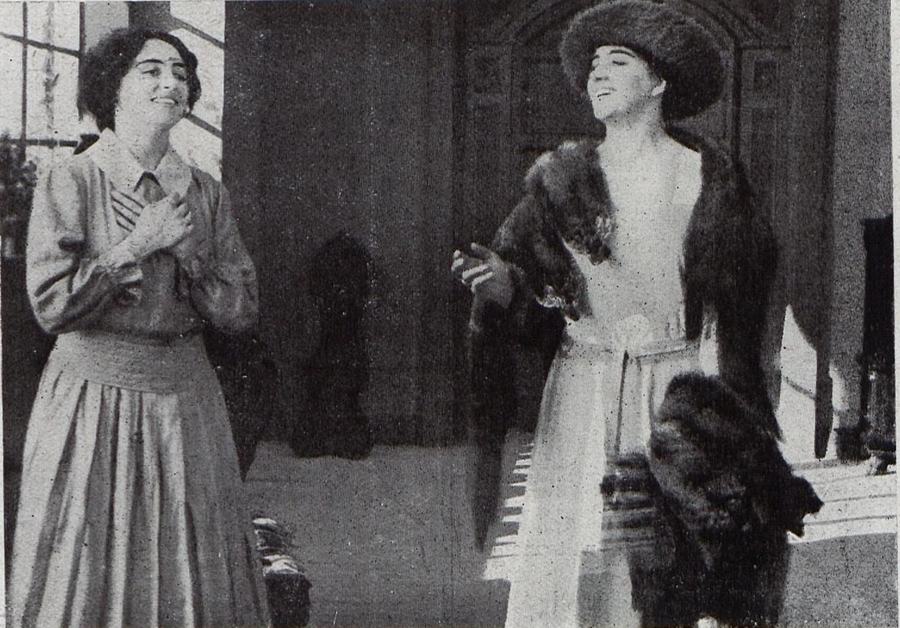
“The meticulous choreography of vengeance in Mademoiselle Monte Cristo is a testament to cinematic storytelling at its finest, where silence speaks volumes and every gesture carries the weight of a thousand words.”
The film’s pacing during these sequences is exemplary, building tension gradually, allowing each blow to land with maximum impact. The visual language of silent cinema proves remarkably effective here, using close-ups to capture fleeting expressions of dawning horror or smug confidence turning to fear. The intricate web of deceit woven by Isabella is reminiscent of the complex social critiques found in contemporary works, though executed with a timeless elegance. The fall of each antagonist is not merely a plot point but a carefully crafted dramatic moment, highlighting the moral decay inherent in their characters. This methodical approach to justice differentiates it from more impulsive revenge narratives, offering a nuanced perspective on the nature of retribution itself.
Beyond the captivating plot, Mademoiselle Monte Cristo stands out for its exceptional visual storytelling. The cinematography, even by today's standards, is remarkably sophisticated. The use of light and shadow to convey mood, the carefully composed frames that emphasize power dynamics, and the dramatic staging of key confrontations all contribute to a rich cinematic experience. The opulent sets and costumes of Parisian high society are contrasted with the stark realities of Isabella's past, creating a visual dichotomy that underscores the film's central themes. This visual grandeur and attention to detail can be appreciated alongside films that evoke similar large-scale environments, even if only thematically, such as The Colosseum in Films, where grand settings often mirror grand human dramas.
The film delves into profound thematic territory. It’s not just a story of revenge, but an exploration of identity – how it's shaped by suffering, how it can be shed and reformed, and the inherent conflict between who one was and who one becomes. Isabella's journey forces the audience to ponder the true cost of vengeance. Does achieving justice through such a painstaking, all-consuming process truly bring peace, or does it merely leave the avenger hollowed out, forever defined by the very injustice they sought to rectify? This introspective quality elevates the film above mere melodrama, placing it in conversation with timeless philosophical questions. In this regard, it shares a contemplative spirit with films like The Web of Life, which also explores the intricate connections between individual choices and their far-reaching consequences.
The enduring appeal of Mademoiselle Monte Cristo lies in its ability to tap into universal desires for justice and retribution. While the specific context is that of early 20th-century European society, the core emotions and motivations remain timeless. The character of Isabella Valois, much like her literary predecessor, becomes an archetype of the wronged individual rising from the ashes, a figure that continues to inspire and resonate with audiences across generations. This powerful narrative arc, combining elements of mystery, drama, and social commentary, makes it a significant work in the canon of early cinema.
Comparing it to other films of its era, one can see its distinctiveness. While films like The Door Between might explore psychological suspense, or The Chattel might delve into social inequities, Mademoiselle Monte Cristo synthesizes these elements into a grand narrative of personal redemption through vengeance. It's a testament to the power of silent film to convey complex emotions and elaborate plots without dialogue, relying instead on the artistry of its performers, the skill of its director, and the evocative power of its visual composition. The film's influence can be seen in countless subsequent revenge dramas, solidifying its place as a foundational text in the genre.
The performances, particularly from Maria Riccardi, are remarkable for their ability to convey intricate emotional landscapes. She navigates the dualities of her character with grace and intensity, ensuring that even as Mademoiselle Monte Cristo executes her ruthless plans, the audience never forgets the innocent Isabella who was wronged. The supporting cast, including Alfredo Cruichi, Camillo De Riso, Duilio Marrazzi, Tilde Kassay, Olga Benetti, Alfredo Bracci, Alberto Albertini, Guido Trento, and Luigi Cigoli, each contribute to the rich tapestry of characters, bringing depth and believability to the world Mahalin crafted. Their interactions, often subtle and laden with unspoken meaning, are a masterclass in silent film acting.
In conclusion, Mademoiselle Monte Cristo is more than just a historical artifact; it is a vibrant, compelling piece of cinema that continues to speak to contemporary audiences. Its exploration of justice, identity, and the intricate dance of revenge remains as potent and thought-provoking today as it was upon its initial release. It is a film that rewards careful viewing, offering layers of meaning and a powerful emotional journey that stays with you long after the final frame fades to black. For anyone interested in the foundational works of cinema, or simply a compelling human drama, this film is an absolute must-see, a gleaming jewel in the crown of silent-era storytelling.
IMDb 5.8
1933
Community
Log in to comment.