DbcultAccessing Vault...
4.2/10
Senior Film Conservator
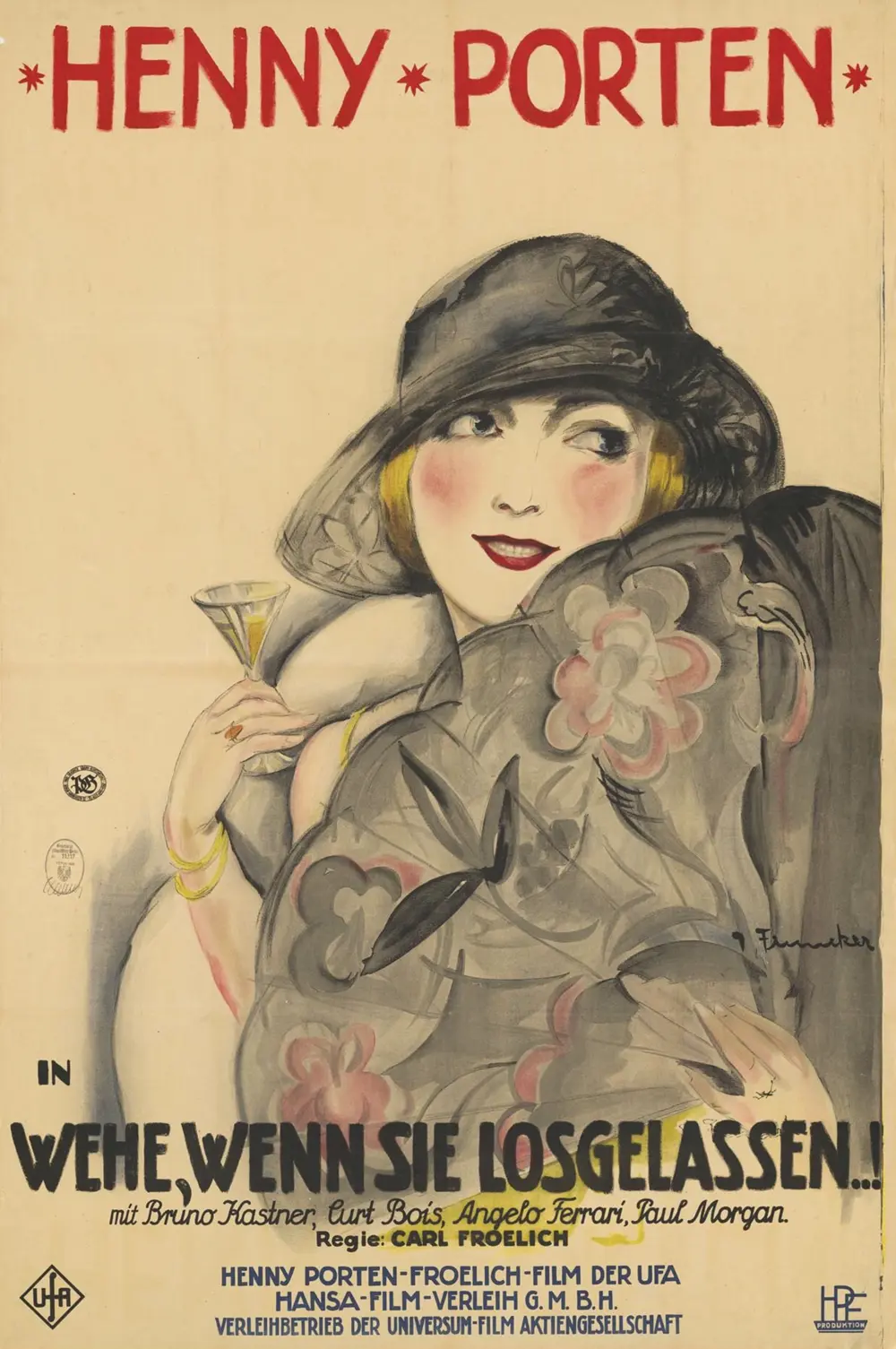
A definitive 4.2/10 rating for a film that redefined the boundaries of cult cinema. Wehe wenn sie losgelassen remains a cornerstone of transgressive art.
Is "Wehe wenn sie losgelassen" a silent film worth seeking out in the modern era? Short answer: yes, but with significant caveats. This 1922 German production, featuring the luminous Henny Porten, offers a fascinating glimpse into a pivotal period of cinematic history, but its appeal is undeniably niche.
It is a film crafted for dedicated silent film enthusiasts, scholars of early German cinema, and those with a profound appreciation for the art of visual storytelling before synchronized sound. Conversely, it is decidedly not for viewers accustomed to rapid pacing, complex dialogue, or contemporary narrative structures, nor for those who struggle to engage with the often-exaggerated performance styles inherent to the silent screen.
To truly appreciate "Wehe wenn sie losgelassen," one must approach it not merely as entertainment, but as an artifact, a window into a bygone era of artistic expression. Its value lies less in its ability to compete with modern blockbusters and more in its historical significance and the raw, unadulterated talent on display.
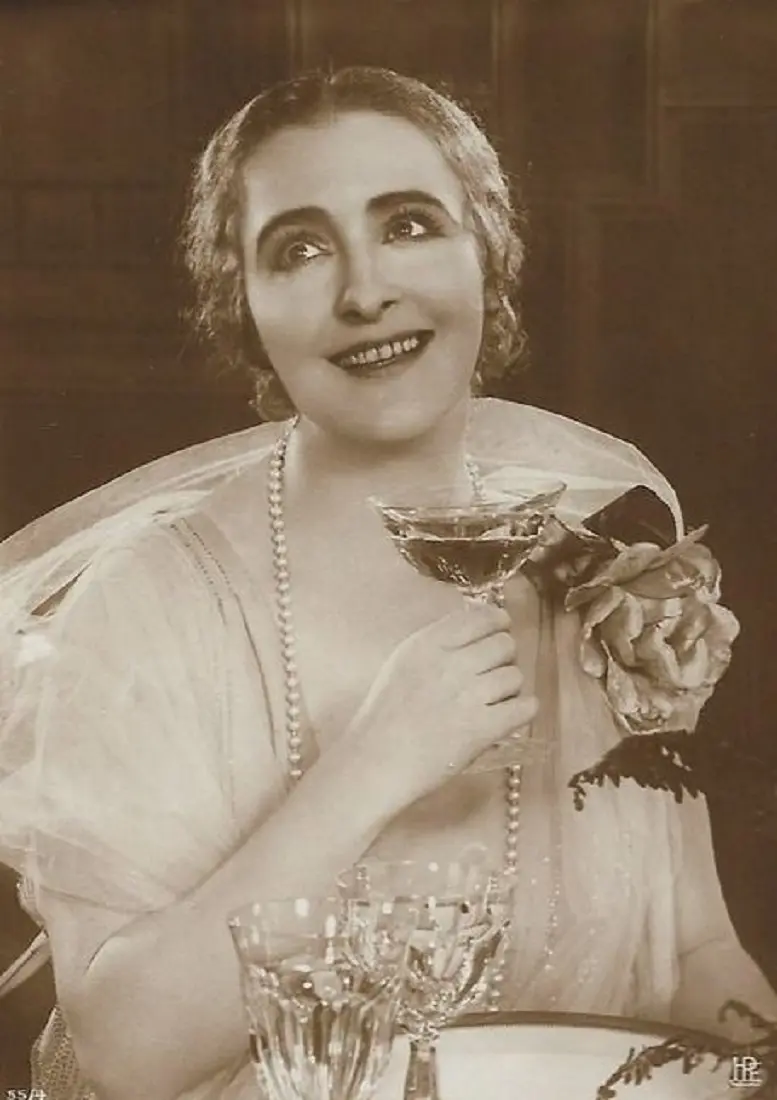
Yes, it demands patience. Yes, it requires a certain suspension of modern viewing habits. But for those willing to make that investment, the rewards are often subtle, yet deeply satisfying. It works. But it’s flawed.
"Wehe wenn sie losgelassen," which translates roughly to "Woe when unleashed" or "Woe when let loose," immediately signals a narrative preoccupied with consequences, with the breaking of bounds, or perhaps, the eruption of suppressed emotion. While specific plot details are scarce for many films of this vintage, the title itself, coupled with the known dramatic sensibilities of the era, paints a vivid picture of its thematic core. It’s a film that, at its heart, grapples with the tension between societal expectations and individual desires, a common yet potent wellspring for silent-era melodrama.
The story, as inferred through its title and the typical German cinematic output of the early 1920s, likely delves into a character's journey from restraint to a moment of significant release. This 'unleashing' could manifest in myriad ways: a woman breaking free from an oppressive marriage, a man succumbing to a forbidden passion, or even a community reacting to a disruptive force. The genius of such a title lies in its ambiguity, allowing for a universal resonance with the human struggle against internal or external chains.
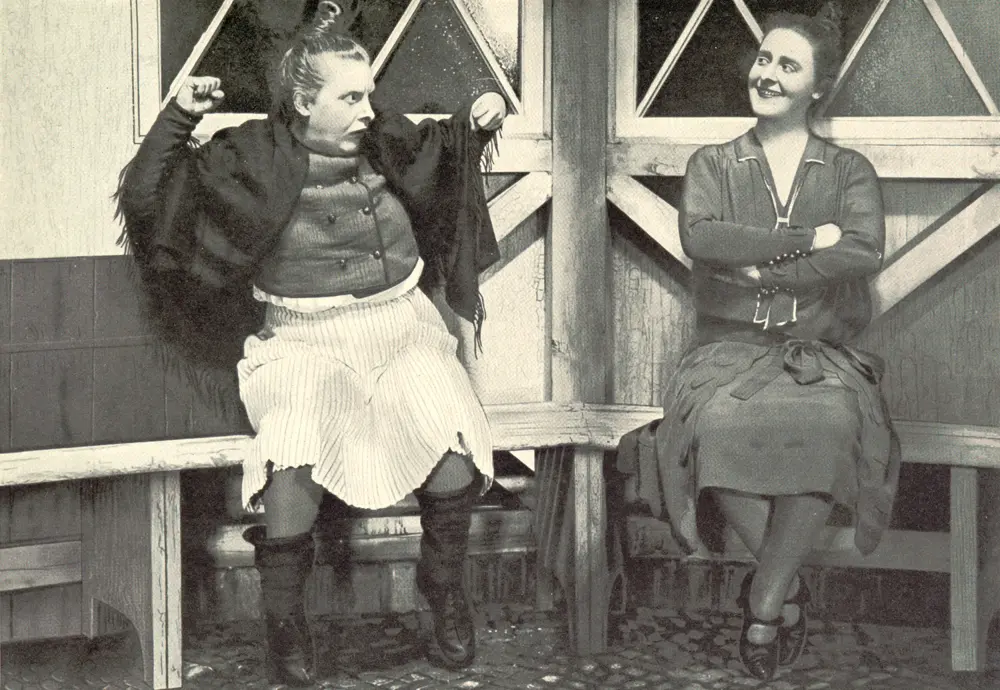
Wilhelm Stücklen and Carl Froelich, credited as writers, were evidently interested in the psychological undercurrents of their characters. Their screenplay, even without dialogue, must have meticulously structured emotional arcs, building towards that titular moment of 'unleashing.' The power of silent film often rested on its ability to externalize internal states through visual metaphor and performance, and it's here that the narrative of "Wehe wenn sie losgelassen" would have found its footing.
Consider a scene where Porten’s character, perhaps trapped in a stifling drawing-room, gazes out a window with a longing that speaks volumes without a single intertitle. The camera, under Froelich’s guidance, would likely frame her against the bars of the window, a visual motif for her imprisonment. This kind of symbolic storytelling was the bedrock of the era, and it’s a testament to the filmmakers’ craft that they could convey such depth.
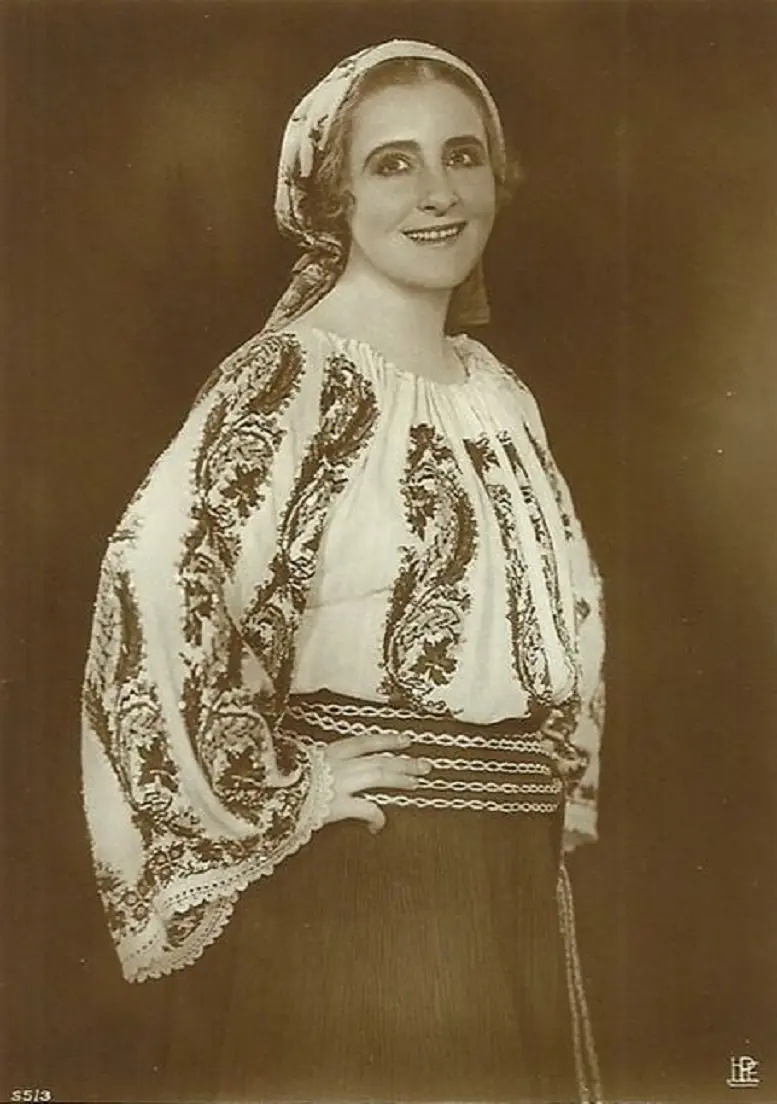
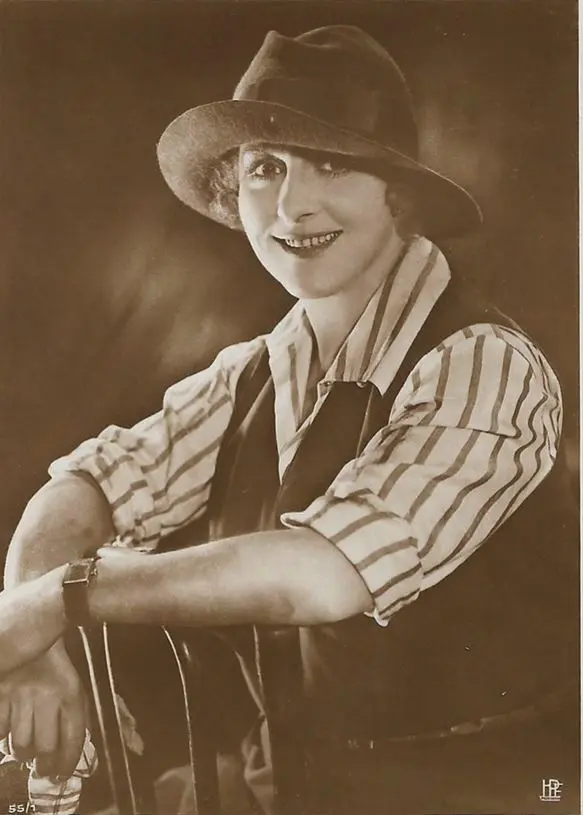
No discussion of "Wehe wenn sie losgelassen" can begin without acknowledging the central, magnetic force of Henny Porten. As one of Germany’s earliest and most enduring film stars, Porten possessed a unique ability to convey profound emotion with a subtlety that often transcended the broad strokes of silent film acting. Her performances were never merely theatrical; they were deeply felt, imbued with a gravitas that anchored even the most sensational plots.
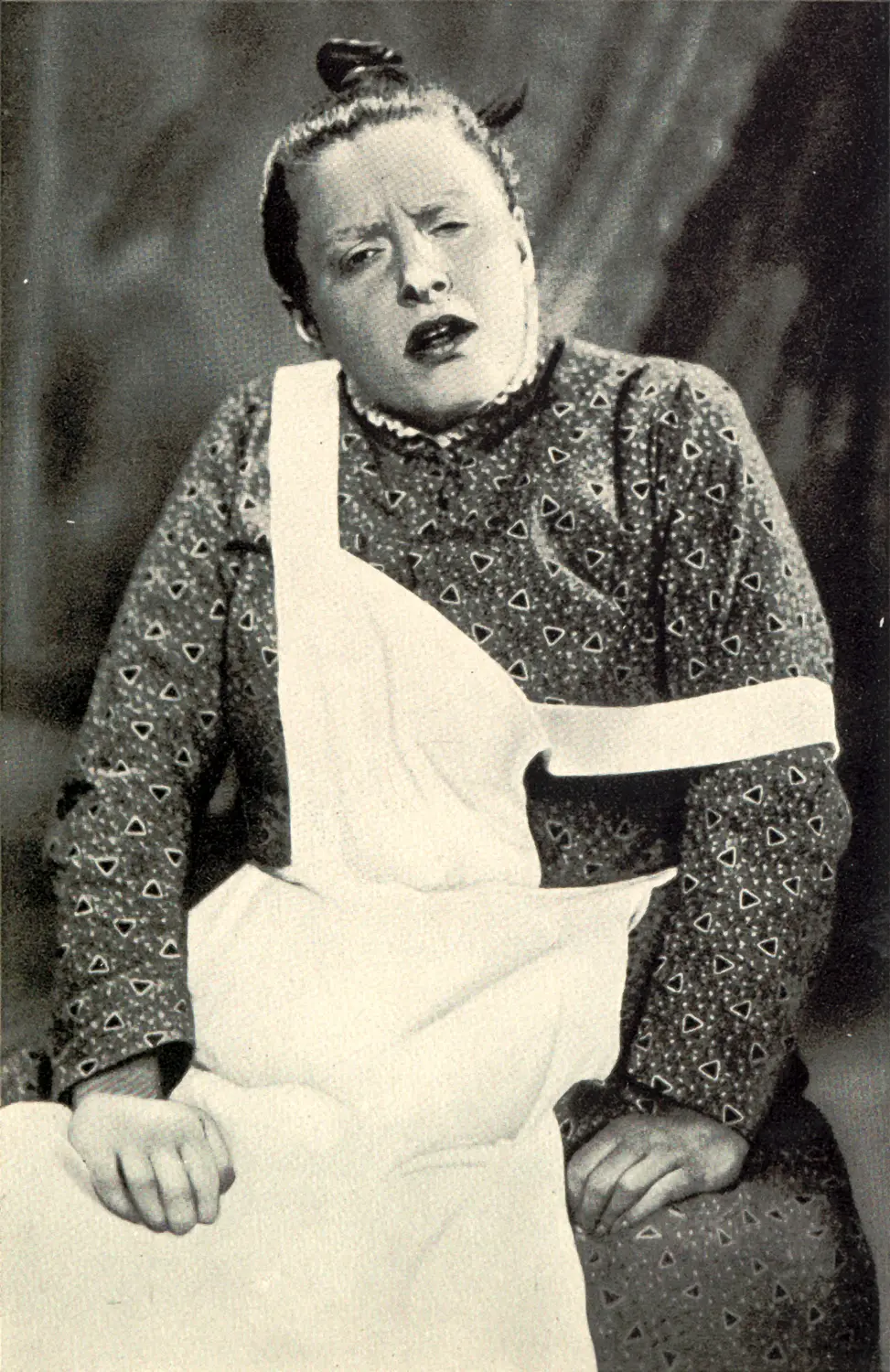
In this film, one can almost envision her commanding the screen with a potent blend of vulnerability and defiance. Whether portraying a woman on the brink of despair or one finding the courage to break free, Porten’s expressive eyes and nuanced gestures would have been the primary conduits for the narrative's emotional weight. She didn't just act; she embodied the struggle, making the audience feel every tremor of her character's soul.
Her co-stars, including Alice Torning, Angelo Ferrari, Paul Morgan, Curt Bois, Bruno Kastner, and Franz Groß, while perhaps not reaching Porten's iconic status, would have contributed to the ensemble's texture. Ferrari, often cast in romantic or villainous roles, would have provided a strong foil, while the presence of character actors like Paul Morgan and Curt Bois suggests moments of either comedic relief or stark dramatic contrast. The interplay between these performers, relying solely on physical expression and eye contact, is a fascinating study in non-verbal communication.
It is a common misconception that all silent acting was over-the-top. While some performances certainly leaned into melodrama, the truly great actors, like Porten, understood the camera's intimacy. She could convey a world of inner turmoil with a mere flicker of an eyelid, a slight tremor of the lip. This is where the film truly shines, offering a masterclass in silent screen presence.
Carl Froelich, not just a writer but also a prominent director of the era, brings a steady hand to the helm of "Wehe wenn sie losgelassen." His directorial style, characterized by solid craftsmanship and a keen eye for framing, would have been instrumental in translating the emotional intensity of the script to the screen. Froelich understood the power of the visual, knowing how to use light, shadow, and composition to enhance mood and narrative.
The cinematography, crucial in any silent film, would have been meticulously planned to guide the viewer’s eye and convey subtext. Expect rich, chiaroscuro lighting, perhaps echoing the emerging Expressionistic trends that were sweeping German cinema at the time, even if the film itself isn't a pure Expressionist work. Think of the stark contrasts seen in films like The Burning Soil, which used light and shadow to externalize psychological states. Froelich, while often more conventional, certainly operated within an environment that valued visual innovation.
Pacing in silent films is often a point of contention for modern audiences. However, Froelich's approach was typically deliberate, allowing scenes to breathe and emotions to register fully. This slower pace was not a flaw but a feature, enabling audiences to absorb the visual information and the nuances of performance. A scene of quiet contemplation, for instance, might hold for what feels like an eternity today, but in 1922, it was an invitation to meditate on the character’s plight.
The film's tone would have likely shifted between moments of quiet desperation and explosive drama, building towards the central 'unleashing' of its title. Froelich's skill would have been in managing these tonal shifts, ensuring that the dramatic crescendos felt earned and impactful, rather than merely sensational. His directorial choices would have been crucial in maintaining the film's emotional integrity, preventing it from devolving into mere histrionics.
"Wehe wenn sie losgelassen" emerges from a fascinating period in German cinema, a time of immense creativity and technical experimentation following World War I. This era saw the rise of UFA Studios, a powerhouse that would produce some of the most influential films in history. The film exists in the shadow of, or perhaps as a precursor to, the more famous German Expressionist works that would soon captivate the world.
While not as overtly stylized as, say, The Burning Soil, films like "Wehe wenn sie losgelassen" contributed to the cultural landscape that made such artistic leaps possible. It represents the commercial mainstream of the time, demonstrating how dramatic storytelling was evolving. Comparing it to other films of the period, such as the more abstract Kino-pravda no. 4 or the American serials like Perils of the Coast Guard, highlights its unique position: a European drama focused on internal struggles rather than external adventures.
The film's enduring value lies in its ability to transport us back to a time when cinema was still finding its voice, when every gesture, every camera movement, every intertitle was a carefully considered choice. It's a testament to the ingenuity of early filmmakers who, without the crutch of sound, managed to create narratives that resonated deeply with audiences.
One surprisingly modern aspect of these films, often overlooked, is their capacity for ambiguity. Without explicit dialogue, much is left to the viewer's interpretation, fostering a more active engagement with the narrative. This film, with its evocative title, would have thrived on such interpretative freedom, inviting audiences to project their own experiences onto the protagonist's struggle.
"Wehe wenn sie losgelassen" is a compelling journey back to the formative years of cinema, primarily driven by the extraordinary presence of Henny Porten and the robust craftsmanship of Carl Froelich. It’s a film that demands an active, empathetic audience, one willing to meet it on its own terms. While its narrative might feel sparse by today's standards, and its pacing a relic of a bygone era, its power lies in its ability to communicate complex human emotions through the purest visual means. For those with a genuine interest in silent cinema, it's not just worth watching; it's a vital piece of the cinematic puzzle, offering profound insights into the origins of storytelling on screen. It may not set your world on fire with spectacle, but it will quietly, effectively, remind you of the enduring power of human expression.
IMDb 6.3
1933
Community
Log in to comment.