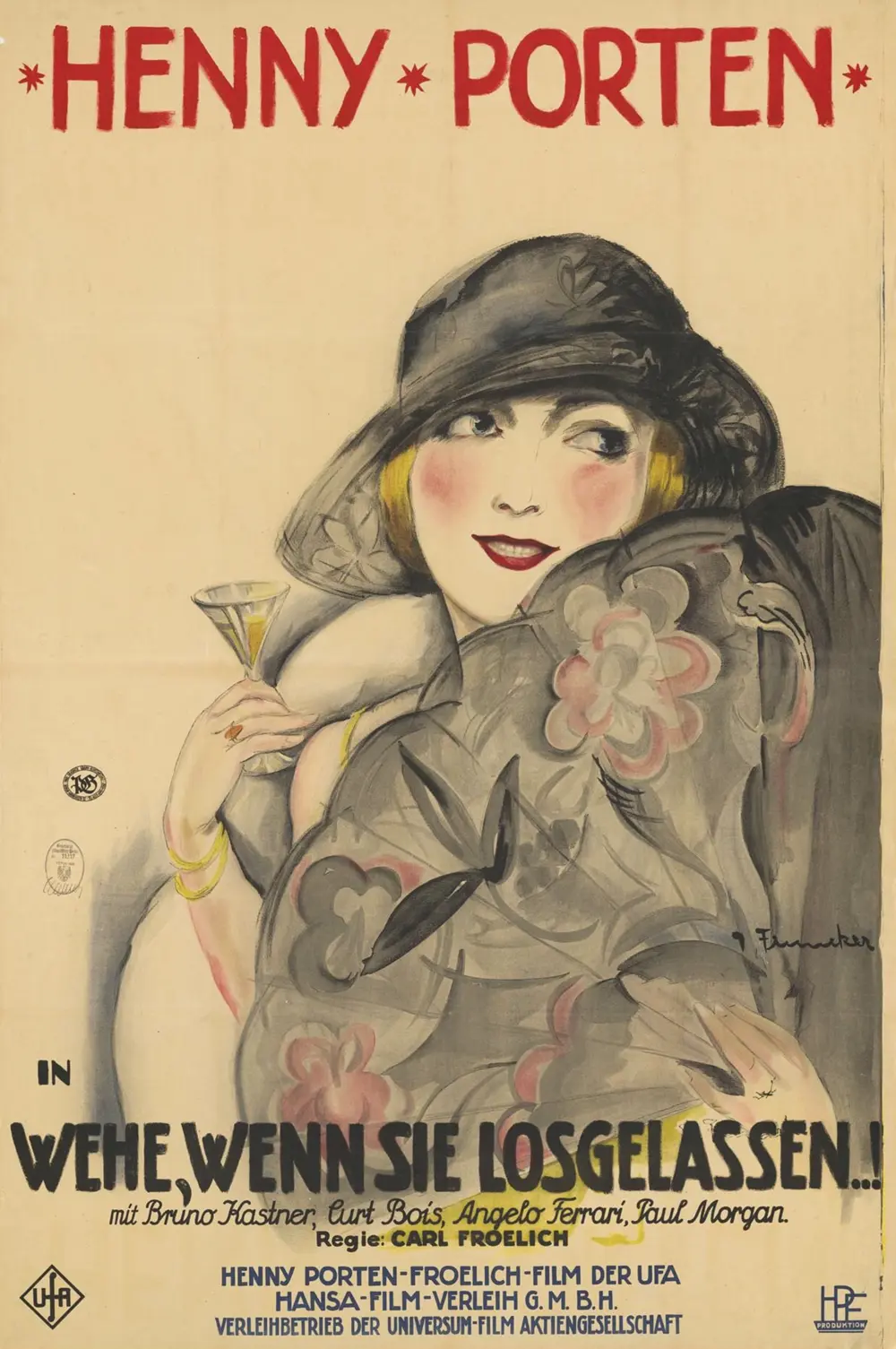
Is "Wehe wenn sie losgelassen" a silent film worth seeking out in the modern era? Short answer: yes, but with significant caveats. This 1922 German production, featuring the luminous Henny Porten, offers a fascinating glimpse into a pivotal period of cinematic history, but its appeal is undeniably niche. It is a film c...
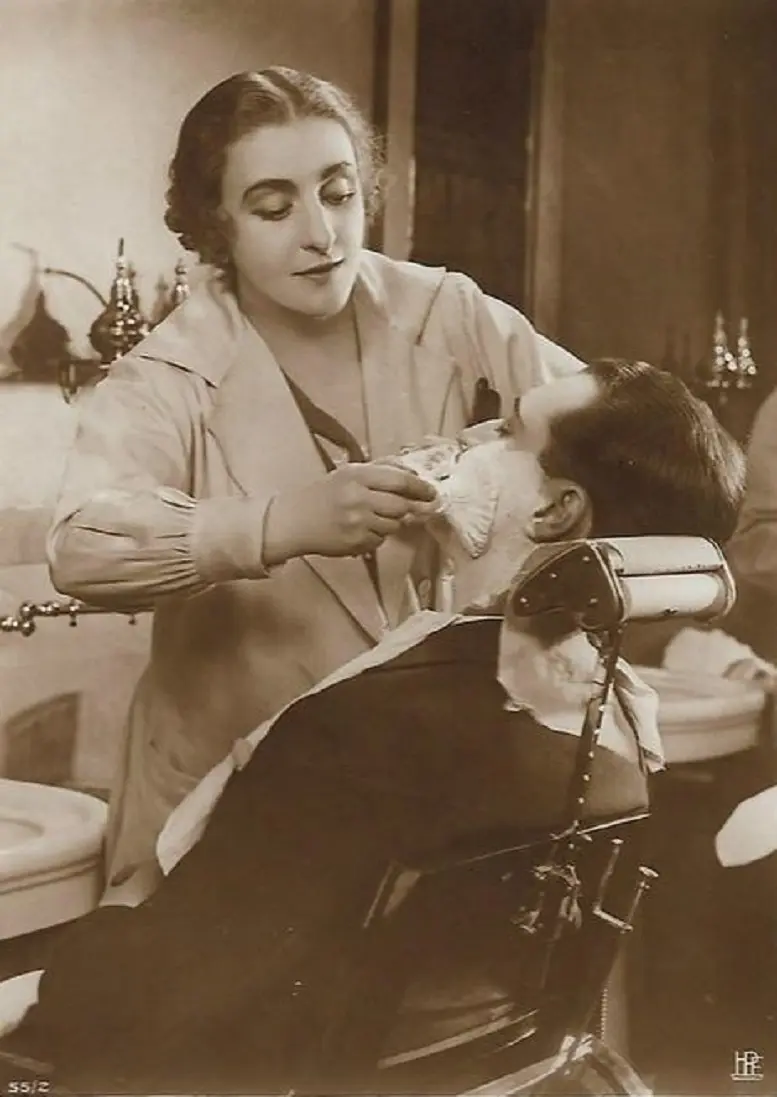
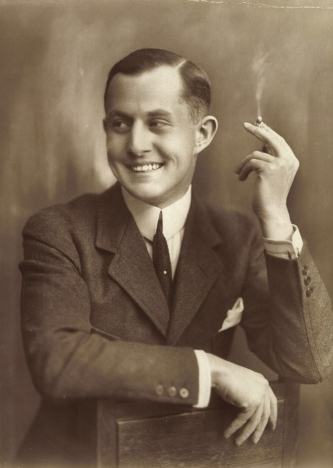
still_frame
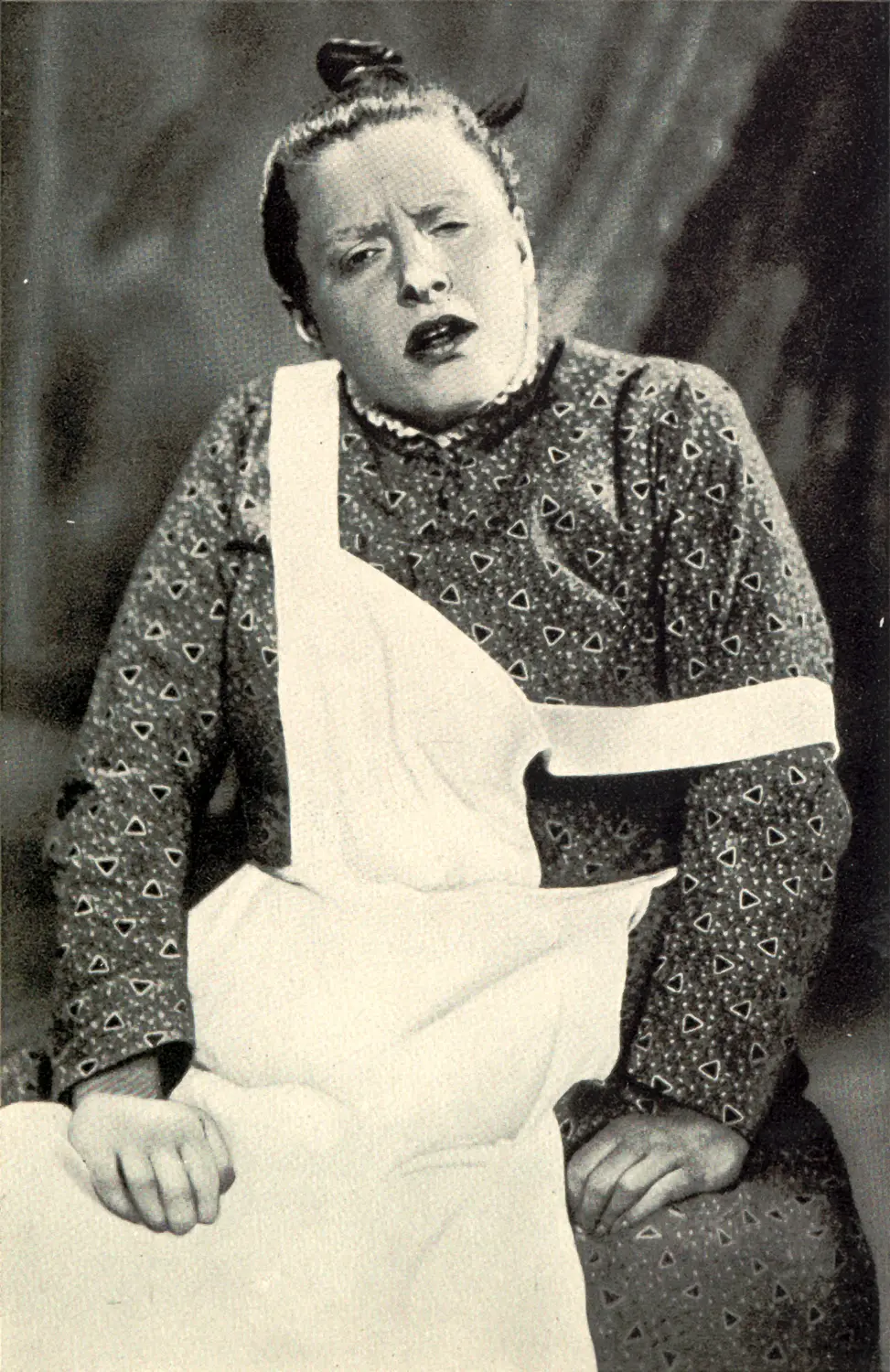
still_frame
still_frame
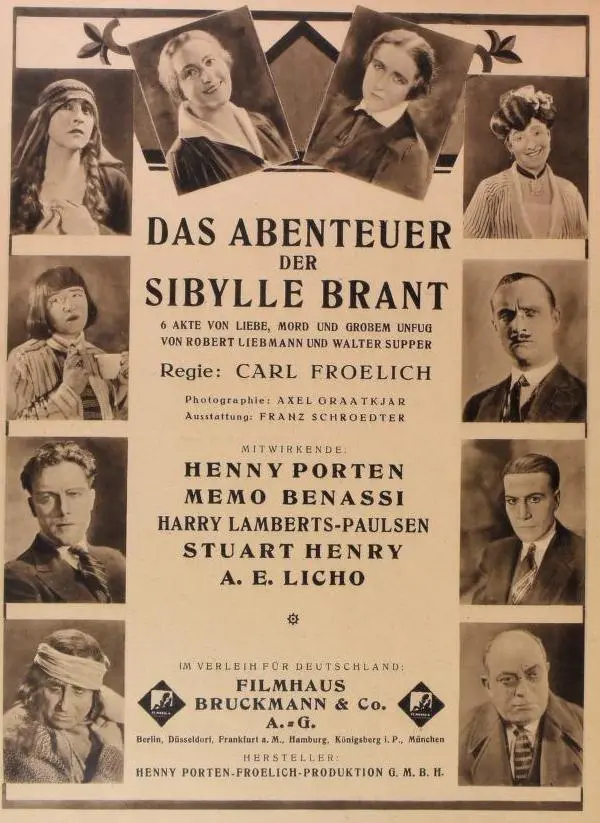
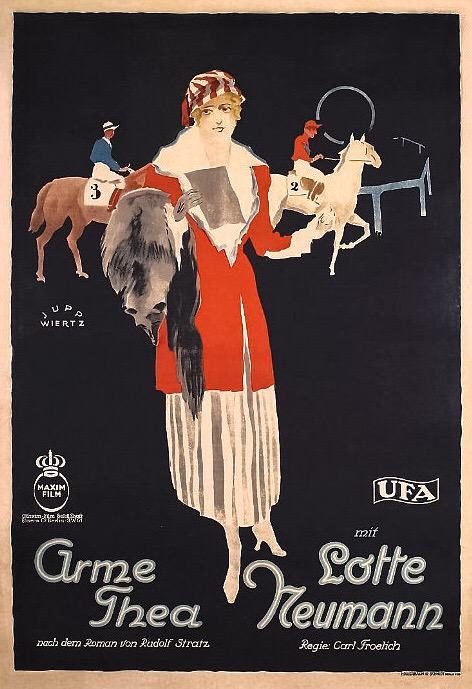
publicity

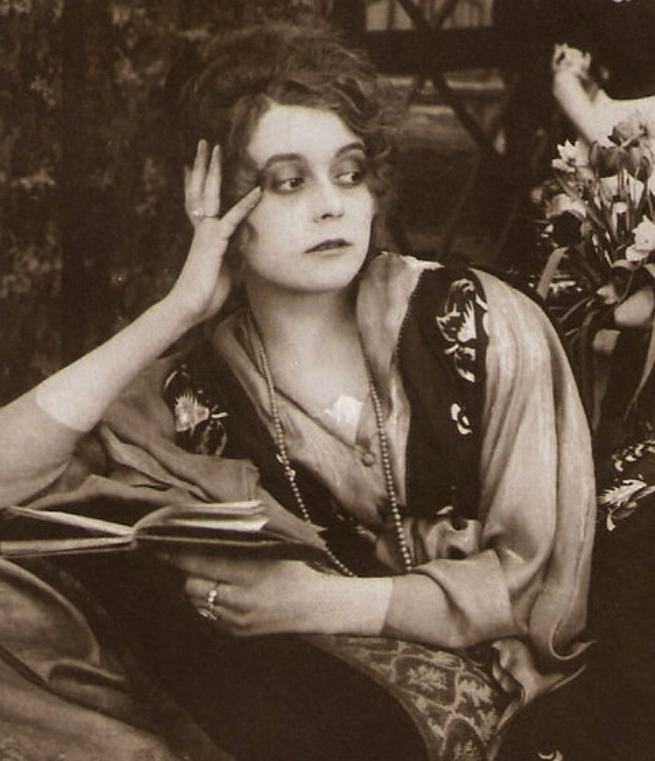
still_frame

still_frame
Comparing the cinematic DNA and archive impact of two defining moments in cult history.
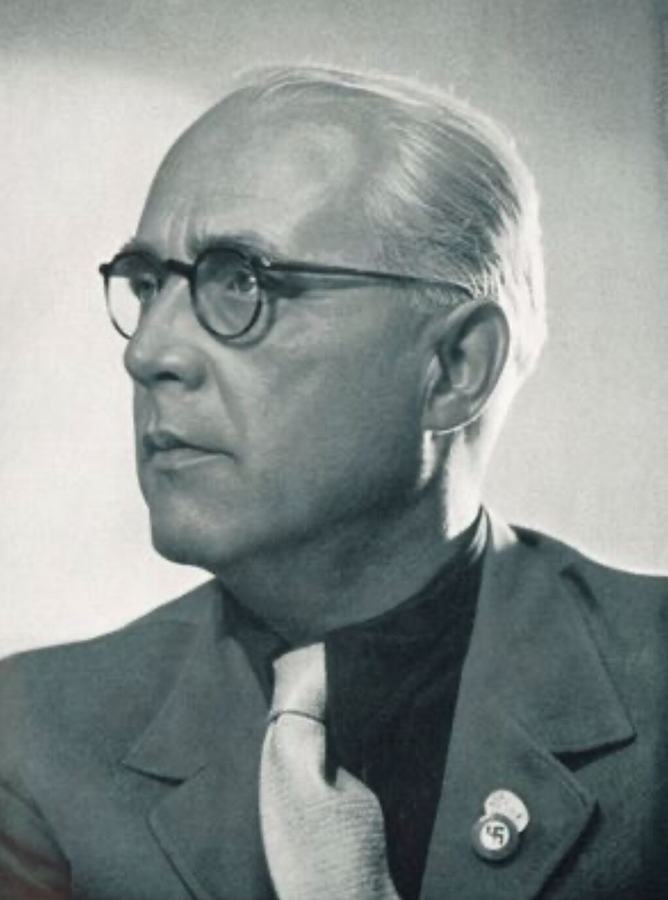
Carl Froelich
Carl Froelich
Community
Log in to comment.
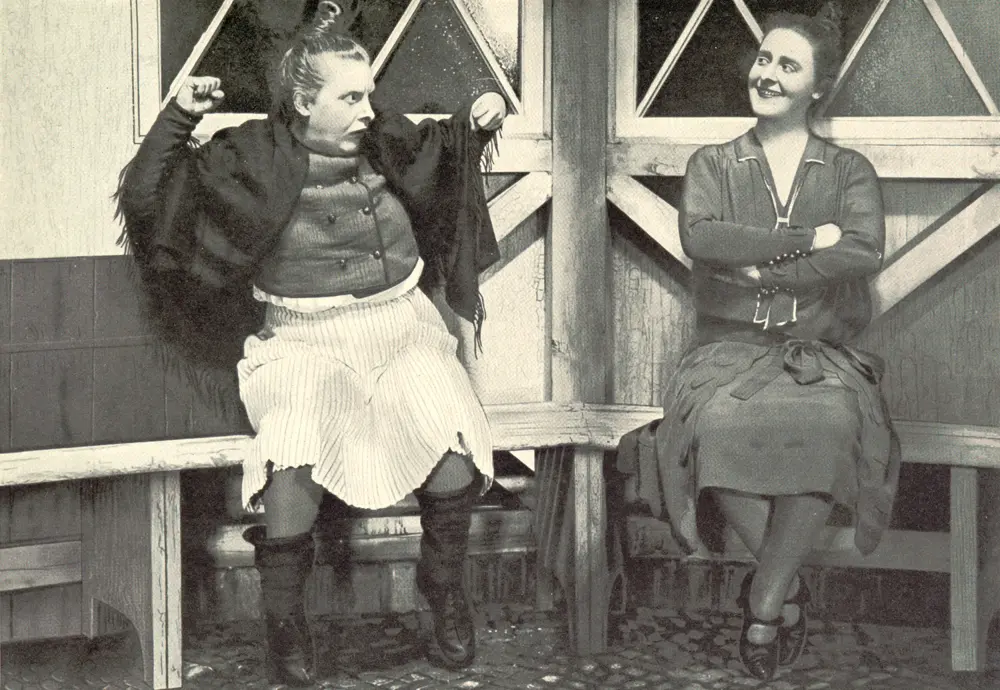
In the silent-era drama, "Wehe wenn sie losgelassen," the narrative explores the fraught territory of suppressed desires and the inevitable repercussions when societal strictures are challenged. The film centers on a protagonist whose inner turmoil, born from either stifling convention or personal tragedy, threatens to erupt. As the story unfolds, we witness the mounting tension of a spirit constrained, hinting at a dramatic release that promises both liberation and profound consequence. It's a study in the psychological pressure points of an individual pushed to their limits, where the mere act of 'letting loose' carries a weight of both catharsis and potential ruin, echoing the grand operatic emotional landscapes typical of the period.
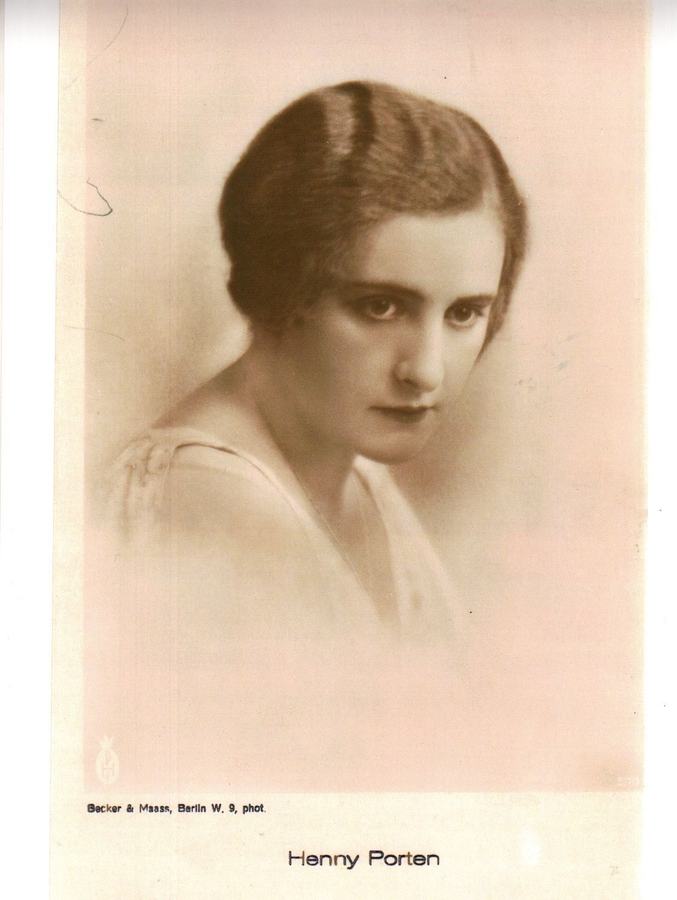
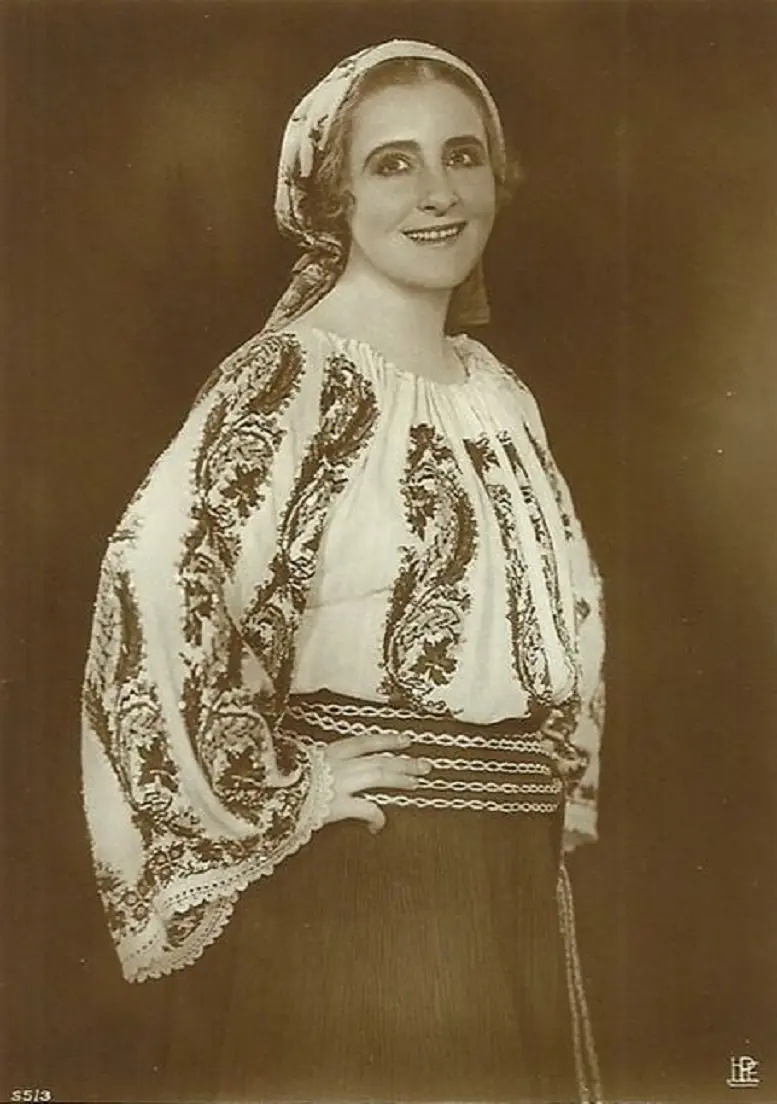
"Is "Wehe wenn sie losgelassen" a silent film worth seeking out in the modern era? Short answer: yes, but with significant caveats. This 1922 German production, featuring the luminous Henny Porten, offers a fascinating glimpse into a pivotal period of cinematic history, but its appeal is undeniably niche. It is a film crafted for dedicated silent film enthusiasts, scholars of early German cinema, and those with a profound appreciation for the art of visual storytelling before synchronized sound. ..."
Wilhelm Stücklen, Carl Froelich
Germany
Deep dive into the cult classic
Discover similar cinematic experiences
A Directorial Spotlight on Carl Froelich