DbcultAccessing Vault...
7.2/10
Senior Film Conservator
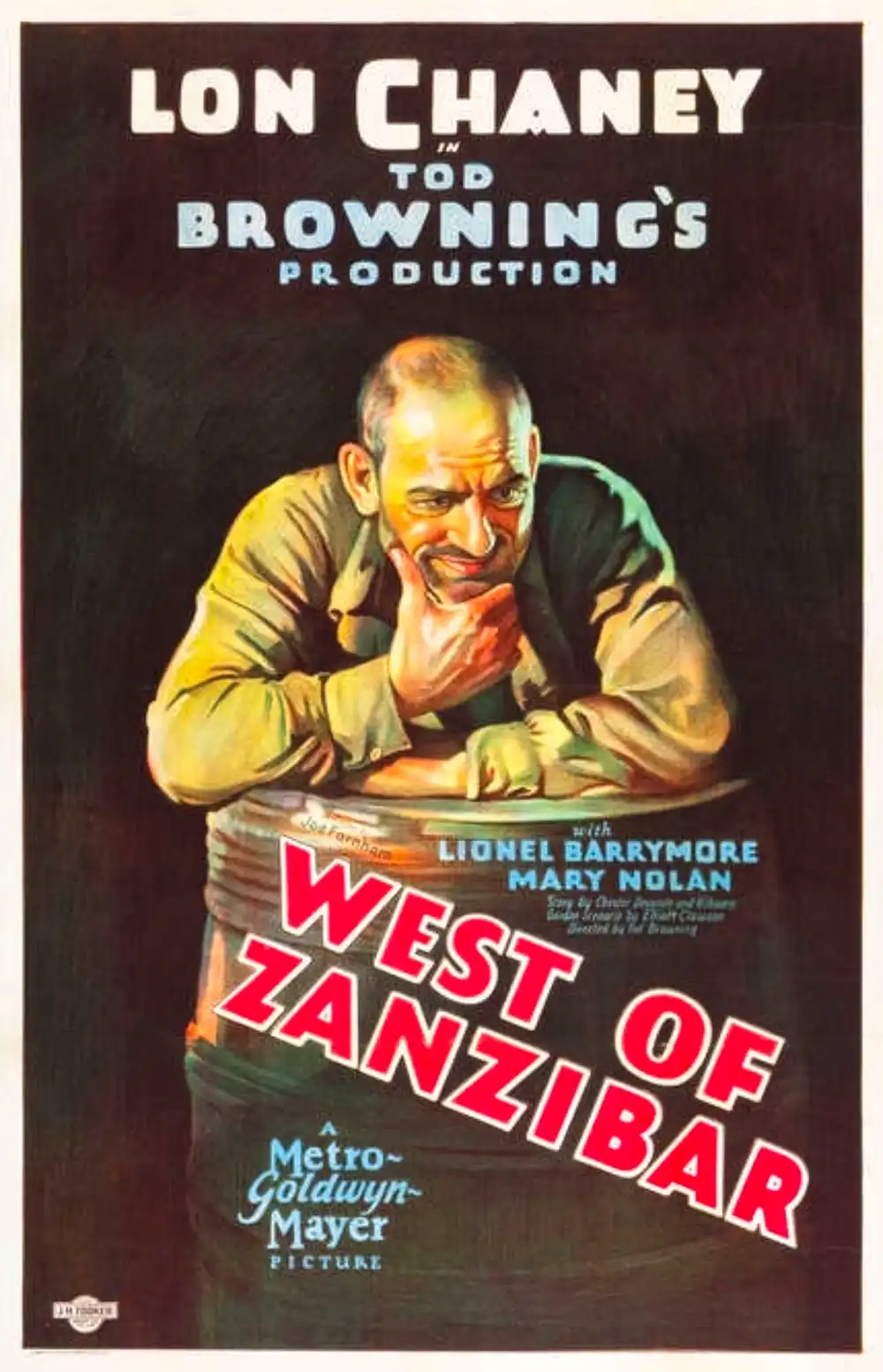
A definitive 7.2/10 rating for a film that redefined the boundaries of cult cinema. West of Zanzibar remains a cornerstone of transgressive art.
If you are looking for the polite, romanticized version of the silent era, West of Zanzibar is not it. This is a film that feels like it was filmed in a basement and smells like stale gin and swamp water. Directed by Tod Browning in 1928, it is a nasty, efficient piece of pulp fiction that serves as a perfect showcase for Lon Chaney’s singular ability to make physical deformity look like a spiritual condition. It is absolutely worth watching today, provided you have the stomach for a story that is essentially about a man trying to destroy a young woman’s life just to win a twenty-year-old argument.
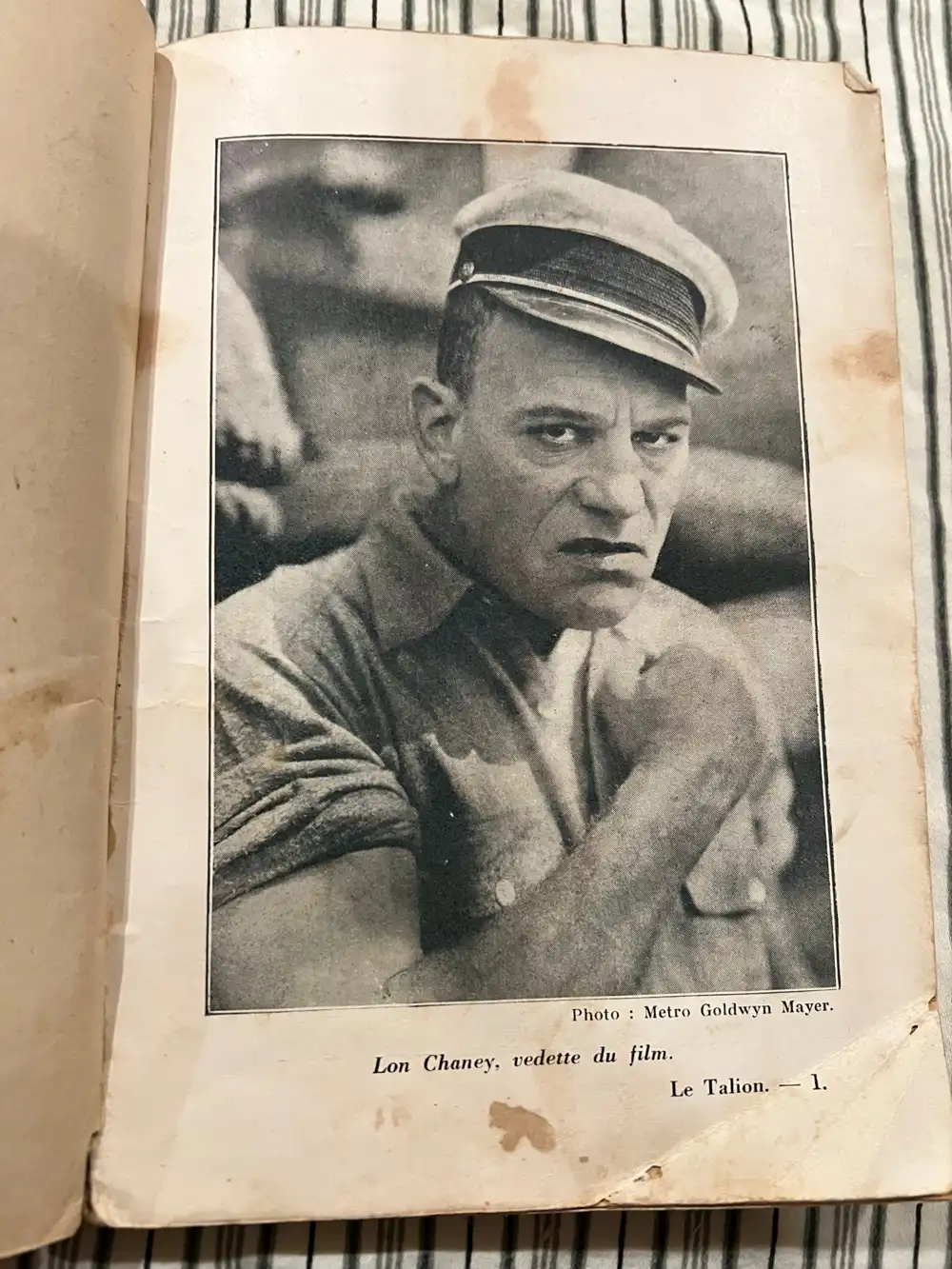
The film opens in a London music hall, but the heart of the story takes place in a studio-bound version of the Congo that feels more like a fever dream than a geographical location. Lon Chaney plays Phroso, a magician who loses the use of his legs after a scuffle with his wife’s lover, Crane (played with a sneering, oily charm by Lionel Barrymore). When we catch up with Phroso years later, he is "Dead-Legs," a bitter husk of a man living in a thatched hut, surrounded by stolen ivory and a crew of locals he keeps in check with cheap stage magic.
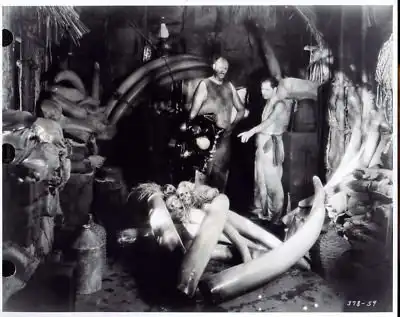
The most striking thing about the film isn't the plot—which is a standard melodrama turned up to eleven—but the way Chaney moves. He spends almost the entire movie dragging himself across the floor using only his arms. There is a specific, rhythmic thud to his movements that the intertitles almost make you hear. He doesn't ask for pity; he uses his disability as a weapon, a constant reminder to himself and the audience of why he is so angry. When he pulls himself up a set of stairs or onto a chair, you can see the genuine strain in his shoulders. It’s a performance of pure, unadulterated spite.
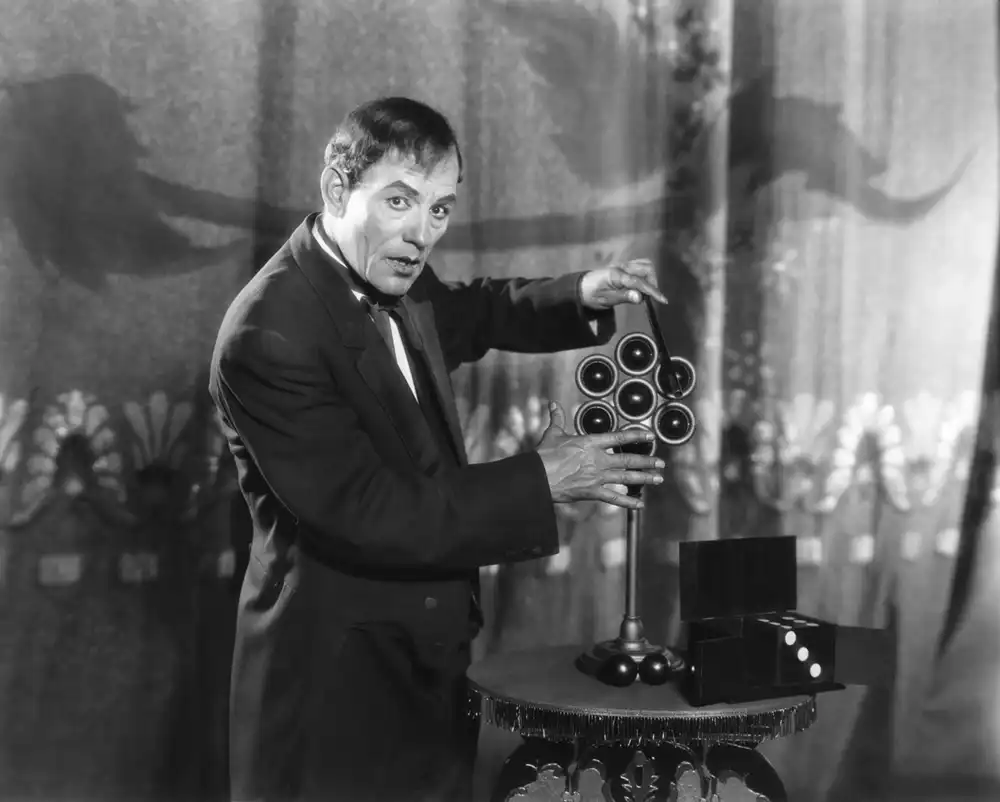
Tod Browning was never interested in realism, and his Africa is a collection of shadows, smoke, and sweaty close-ups. The lighting is harsh, often catching the sheen of perspiration on the actors' faces. There’s a particular scene where Phroso is being carried in a sling, looking down at the world with a mixture of God-complex arrogance and utter misery. The set design is cluttered and claustrophobic, reinforcing the idea that these characters are trapped in a hell of their own making.
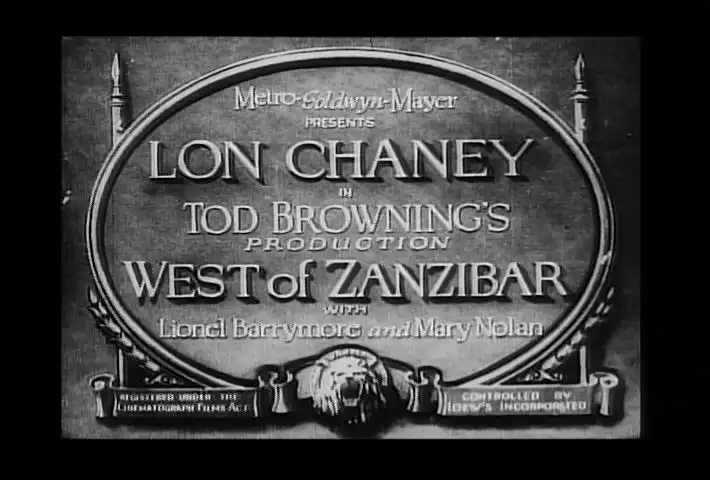
The film’s pacing is generally tight, though it occasionally lingers a bit too long on the "voodoo" rituals Phroso uses to trick the local tribes. These moments feel a bit like padding, meant to show off the production's scale, but they distract from the psychological warfare happening in Phroso’s hut. However, the editing rhythms during the confrontations between Chaney and Barrymore are sharp. You can feel the history of hatred between them in the way Browning cuts between Phroso’s manic grinning and Crane’s dismissive boredom.
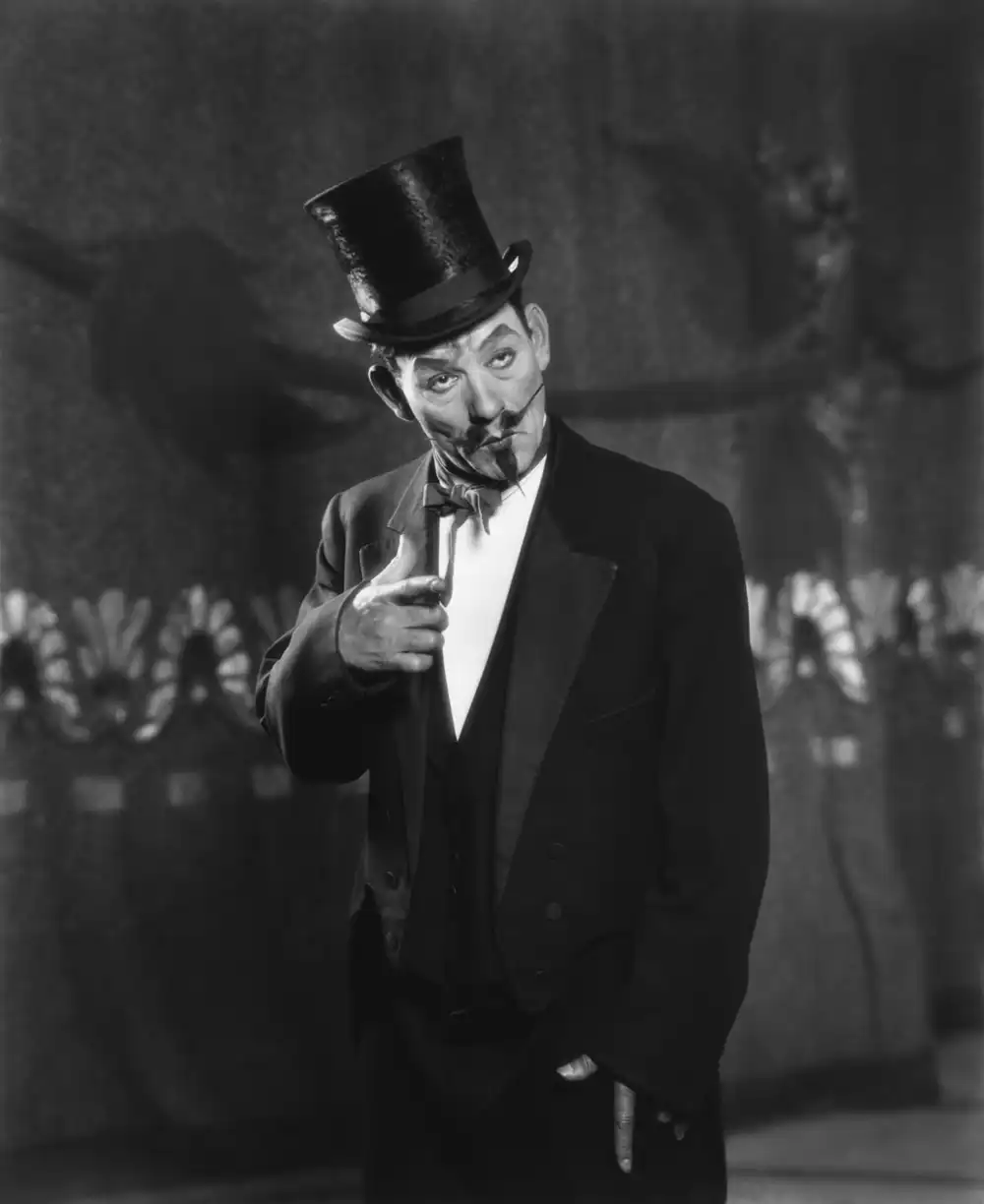
The central conflict involves Maizie (Mary Nolan), the girl Phroso believes is Crane’s daughter. He brings her to the Congo not to kill her, but to degrade her. He forces her to live in a brothel-like atmosphere, hoping to present her back to Crane as a "ruined" woman. It is a deeply uncomfortable plot point that the film doesn't shy away from. Mary Nolan plays Maizie with a hollow-eyed desperation that makes the character’s plight genuinely painful to watch. She looks genuinely unwell in several scenes, which adds a layer of unintended realism to the melodrama.
While the film shares some DNA with other silent-era tragedies like The Taint, it lacks any sense of moral finger-wagging. Browning isn't interested in teaching a lesson; he’s interested in the spectacle of a man destroying himself. The dialogue, delivered through intertitles, is punchy and devoid of the flowery prose common in 1920s cinema. When Phroso speaks, it’s usually a threat or a taunt.
West of Zanzibar is a film for people who find modern thrillers too sanitized. It is a grim, sweaty, and emotionally violent movie that relies entirely on the charisma of its lead. If you can move past the dated cultural depictions, you’re left with a powerful study of how revenge eventually poisons the person seeking it. It’s a much more visceral experience than something like Parentage, which handles similar themes of family and consequence with far less bite.
Is it a masterpiece? Perhaps not in the technical sense, as some of the backdrops look like painted cardboard and the logic of the ivory trade is flimsy at best. But as a piece of atmospheric storytelling, it’s undeniable. You won't forget the image of Chaney dragging himself through the dirt, his eyes wide with a mixture of triumph and agony. It’s a haunting, ugly, and essential piece of silent cinema.
IMDb —
1927
Community
Log in to comment.