DbcultAccessing Vault...
5.8/10
Senior Film Conservator
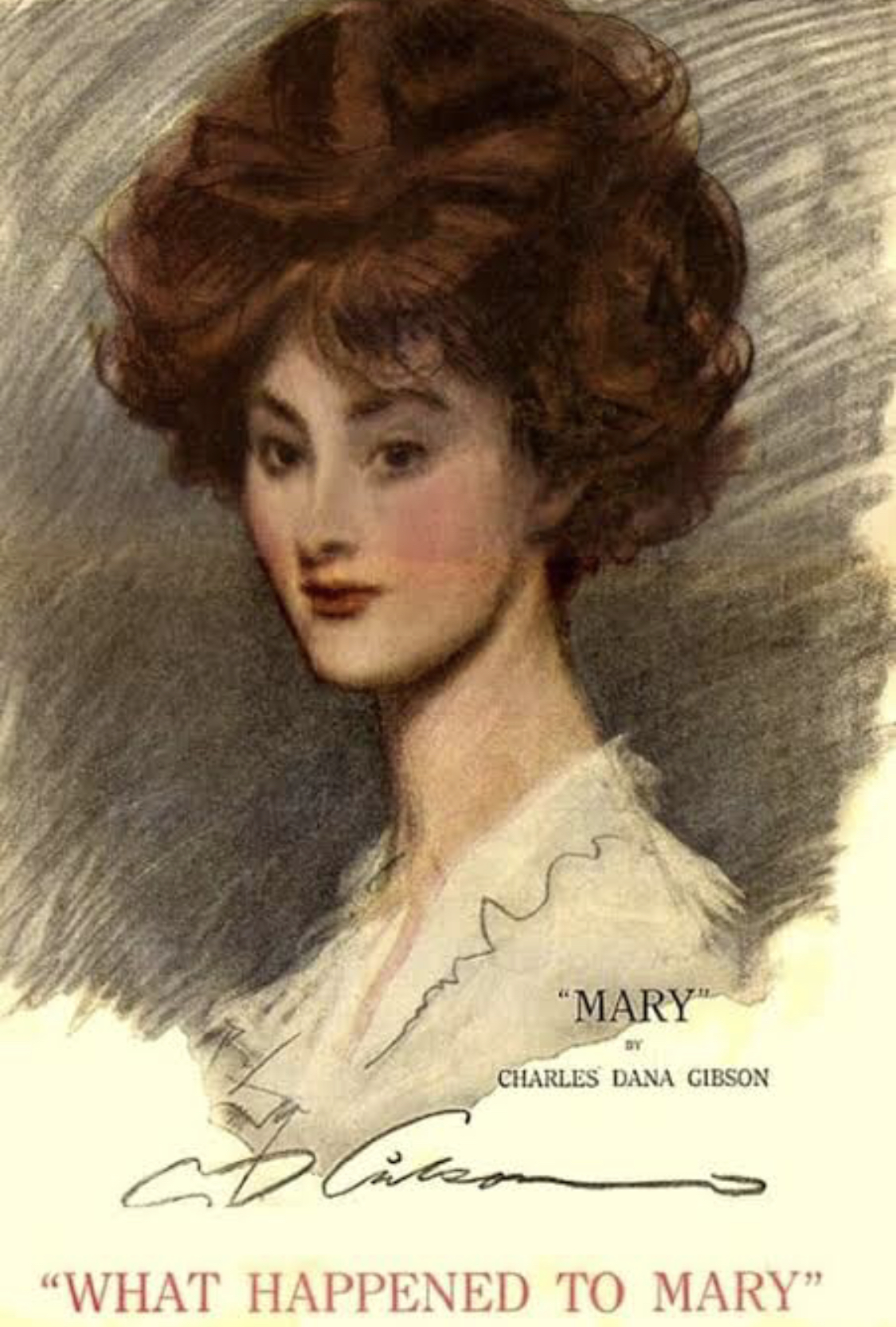
A definitive 5.8/10 rating for a film that redefined the boundaries of cult cinema. What Happened to Mary remains a cornerstone of transgressive art.
In the nascent landscape of 1912, the cinematic medium was undergoing a profound metamorphosis, shifting from ephemeral novelties toward structured, long-form storytelling. Amidst this transition, What Happened to Mary emerged not merely as a film, but as a cultural phenomenon that bridged the gap between literature and the silver screen. Produced by the Edison Manufacturing Company in a synergistic partnership with The Ladies' World magazine, this twelve-episode saga pioneered the very concept of the motion picture serial, a format that would eventually dominate the industry for decades.
While contemporary audiences are accustomed to the relentless velocity of modern action films, What Happened to Mary operates with a deliberate, almost literary cadence. Each one-reel episode—roughly fifteen minutes in duration—was released monthly to coincide with the magazine's publication. This staggered distribution created a unique participatory experience, where the audience's anticipation was nurtured over an entire year. Unlike the religious epics of the era, such as From the Manger to the Cross, which relied on pre-existing biblical knowledge, Mary’s journey was a contemporary mystery, rooted in the anxieties and aspirations of the early 20th-century woman.
The series begins with 'The Escape from Bondage,' a title that resonates with the social shifts of the time. Mary, portrayed with luminous vulnerability by Mary Fuller, is a character defined by her agency. She is not a passive victim but a protagonist who actively seeks to unravel the enigma of her own existence. This focus on character development over raw spectacle distinguishes the film from other 1912 productions like Cleopatra, which leaned heavily on theatrical artifice and historical grandeur.
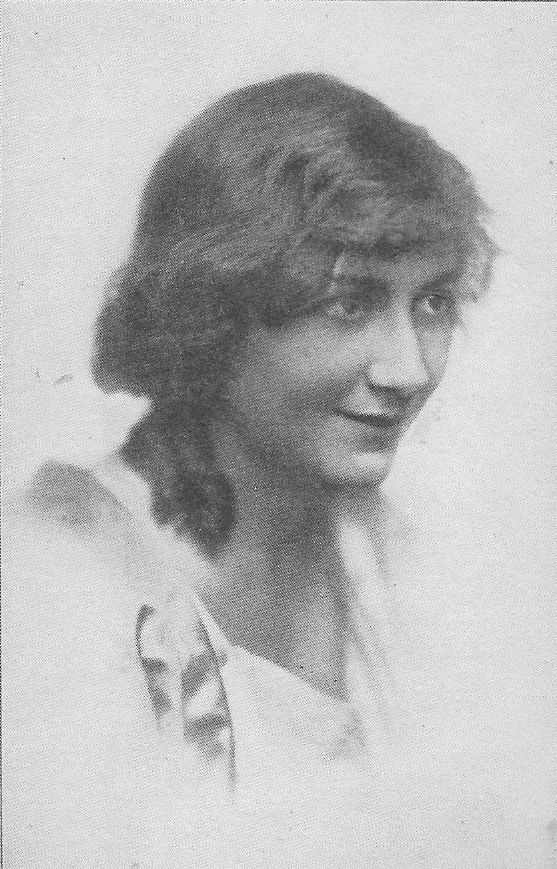
One cannot overstate the importance of Mary Fuller to the success of this endeavor. In an age where screen credits were still evolving, Fuller became one of the first true movie stars. Her performance is characterized by a naturalism that was rare for the period. While many of her peers were still utilizing the exaggerated gestures of the Victorian stage—seen in works like Les amours de la reine Élisabeth—Fuller employed subtle facial expressions to convey Mary’s internal monologue. Whether she is navigating the predatory environment of 'Stage Land' or facing the 'High Tide of Misfortune,' her presence remains the emotional anchor of the series.
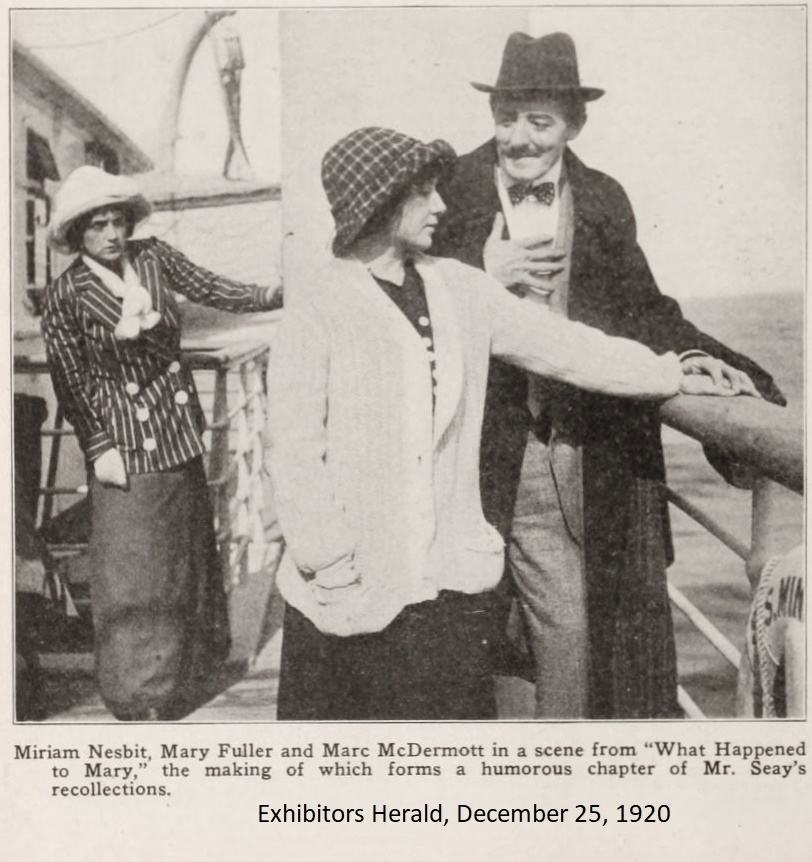
Her portrayal of Mary offered a template for the 'New Woman'—independent, resourceful, and morally steadfast. This was a stark contrast to the tragic heroines found in European imports like Anna Karenina or the gritty realism of Den hvide Slavehandels sidste Offer. Mary was an aspirational figure for the working-class women who frequented the nickelodeons, representing the possibility of social mobility and self-discovery.
Technically, What Happened to Mary reflects the house style of Edison Studios: clear, deep-focus photography and a preference for realistic set designs. While it lacks the avant-garde experimentation found in some of the Russian or Danish films of the same year, such as 1812 or Den sorte drøm, its strength lies in its narrative clarity. The use of location shooting in New York City provides a documentary-like texture to the episodes 'Alone in New York' and 'A Way to the Underworld.' These sequences capture the burgeoning metropolis in all its chaotic glory, turning the city itself into a secondary antagonist that Mary must navigate.
The pacing of the episodes is masterfully handled by writer Horace G. Plympton. By eschewing the 'cliffhanger' ending in favor of a complete dramatic resolution within each reel, the series maintained a sense of dignity. It didn't need to resort to the life-or-death stunts seen in Saved in Mid-Air or the acrobatic feats of The Flying Circus. Instead, the suspense was derived from the slow reveal of Mary’s heritage and the shifting alliances of the supporting cast, including the formidable Marc McDermott and Charles Ogle.
To truly appreciate What Happened to Mary, one must look at its contemporaries. In 1912, the industry was experimenting with length. While Les misérables in France was pushing toward the feature-film format with a massive runtime, Edison opted for the modular approach. This was a savvy business move, ensuring a steady stream of revenue and audience engagement. It shared more DNA with the episodic nature of The Life of Moses than with the self-contained narratives of Oliver Twist or Dante's Inferno.
Furthermore, the film’s focus on a singular, evolving protagonist was a departure from the ensemble-driven historical pageants like The Independence of Romania or the documentary-style coverage of events like the Jeffries-Johnson World's Championship. Mary was a fictional construct designed for emotional resonance, a precursor to the character-driven franchises that define modern cinema.
The series is rich with the tropes of Edwardian melodrama, yet it elevates them through consistent characterization. The 'Clue to Her Parentage' and 'A Will and a Way' deal with the classic theme of the stolen inheritance, a plot device as old as Dickens but revitalized for a new medium. The villainy depicted is not the mustache-twirling caricature found in many early shorts but a more insidious, corporate, and familial treachery. This sophistication is what allowed the film to appeal to the readers of The Ladies' World, who were accustomed to the complex serializations of popular novelists.
In 'The High Tide of Misfortune,' we see a masterful use of environmental tension, where the physical elements reflect Mary’s internal state. This thematic depth is what keeps the film from feeling like a mere relic. It possesses a soul that is often missing from more technically advanced but emotionally hollow productions like The Black Chancellor or the strictly informational Glacier National Park.
As we look back at What Happened to Mary from the vantage point of a century, its influence is undeniable. It birthed the serial queen, a lineage that would include Pearl White and Ruth Roland. It established the monthly (and later weekly) viewing habit that would sustain the film industry through the silent era. It proved that audiences were capable of following complex, long-term narratives, paving the way for the feature film revolution that would soon follow with the likes of The Story of the Kelly Gang (though that was earlier, its influence was felt later) and the epic visions of D.W. Griffith.
The final episode, 'Fortune Smiles,' provides a satisfying conclusion that rewards the viewer's year-long investment. Mary’s transition from an 'Escape from Bondage' to a woman of means and recognized identity is a powerful narrative arc. It is a story of resilience that remains surprisingly relevant. While many films from 1912 have faded into obscurity or exist only as fragmented curiosities, What Happened to Mary remains a vital piece of cinematic history, a testament to the power of the episode and the enduring allure of a mystery well-told.
Reviewer's Note: For those interested in the evolution of the serial, compare this with the later development of the format in the 1920s. The restraint shown here is a fascinating contrast to the later 'perils' style. Truly, Mary was the mother of us all.
IMDb 6.8
1930
Community
Log in to comment.