DbcultAccessing Vault...
Cult Review
Senior Film Conservator
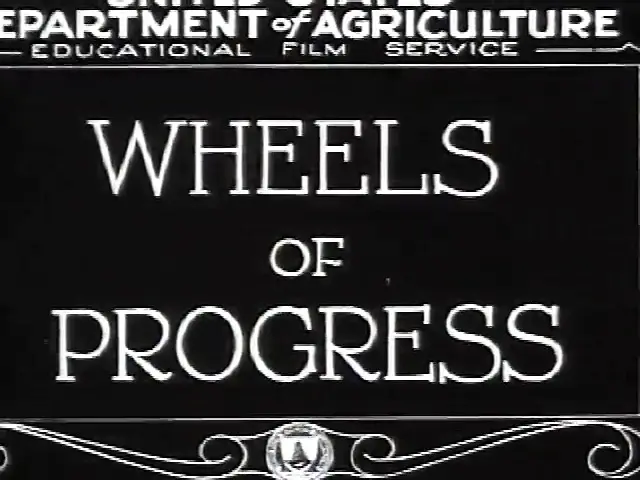
Is Wheels of Progress a cinematic milestone or a dusty relic of government lobbying? Short answer: It is an essential historical document, but it is definitely not a Friday night popcorn flick. This film is for the urban planning enthusiast, the history buff, and the student of early industrial propaganda; it is certainly not for anyone looking for character development, plot twists, or emotional resonance.
If you have any interest in how the American identity became inextricably linked to the automobile, then yes, this is mandatory viewing. It provides a raw, unfiltered look at a nation on the cusp of a total structural overhaul. However, if you are looking for 'entertainment' in the modern sense, you will find it incredibly dry. It is a film of ideas and machines, not people.
1) This film works because it captures a genuine turning point in human history with high-contrast, evocative industrial imagery. 2) This film fails because it lacks a human anchor, treating the viewer like a student in a civil engineering lecture rather than a cinema-goer. 3) You should watch it if you want to understand the visual language used to sell the 'Great American Road' long before the Interstate Highway System existed.
The film opens with a sequence that feels surprisingly modern in its rhythmic editing. We see wheels. Not just any wheels, but the evolution of the circle as a tool of conquest. The cinematography lingers on the spokes of a bicycle and the heavy timber of a wagon wheel. There is a tactile quality to these early frames. You can almost feel the grit of the dirt roads and the strain of the horses. This isn't just a history lesson; it's a sensory experience of friction.
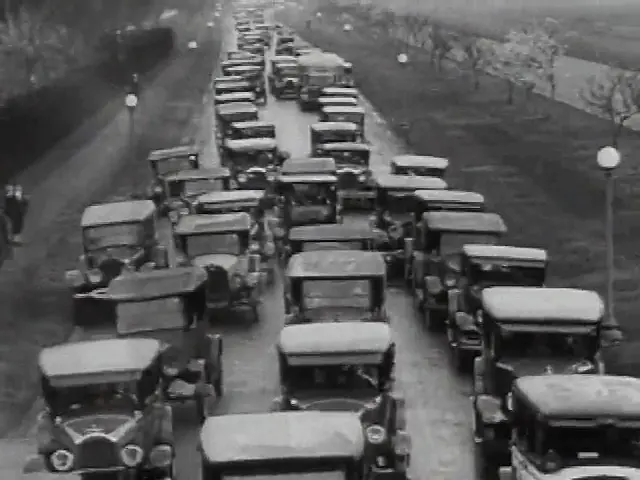
One specific scene stands out: a heavy wagon becomes hopelessly mired in a muddy rut. The camera stays fixed, forcing the viewer to endure the frustration of the standstill. This is the 'villain' of the piece—not a person, but the terrain itself. When the film transitions to the smooth, paved surfaces of the new highway system, the relief is palpable. It’s a clever bit of psychological manipulation. The filmmakers aren't just showing you roads; they are showing you the end of struggle.
Compared to other films of the era that dealt with the dangers of the new automotive age, such as The Risky Road, Wheels of Progress is purely optimistic. It doesn't care about the 'risks' of speed; it only cares about the 'profit' of efficiency. It is a cold, calculated look at the future.
We have to call it what it is: propaganda. Produced in an era where the Bureau of Public Roads was trying to justify massive taxpayer spending, the film serves as a high-budget brochure. It argues that better roads equal better business. Every shot of a truck moving effortlessly across a paved bridge is a political statement. It’s about the centralization of the American economy.
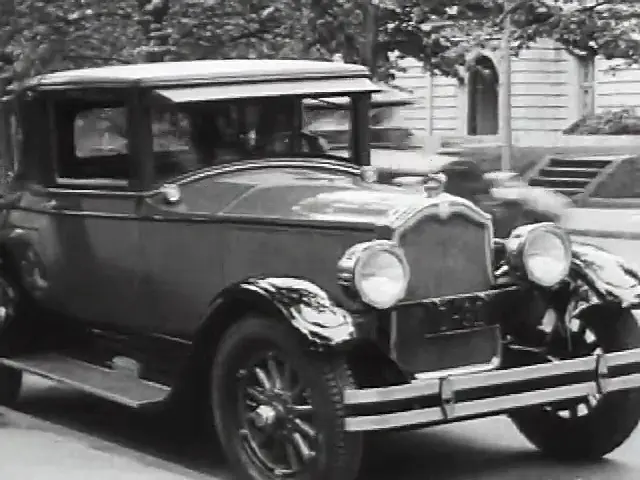
There is a certain brutality to the simplicity of its message. The film doesn't bother with the nuances of environmental impact or the displacement of rural communities. It simply states: Road good. Mud bad. In one sequence, the camera pans across a newly completed highway with the same reverence a director might give to a cathedral. It’s an early example of the 'industrial sublime,' where the hand of man over nature is celebrated as the highest achievement.
In this regard, it shares some DNA with The Dwelling Place of Light, which also explored the intersection of industrial growth and social change, though Wheels of Progress is far more literal. It doesn't need a story because the road is the story.
For a film with no actors, the pacing is surprisingly tight. The director uses a 'before and after' structure that keeps the momentum moving forward. We see the bicycle, then the car. We see the dirt, then the asphalt. It’s a binary world. The cinematography is sharp, likely using the best equipment available to the government at the time. The wide shots of the landscape are particularly impressive, capturing the vastness of the American interior before it was cluttered with billboards and strip malls.
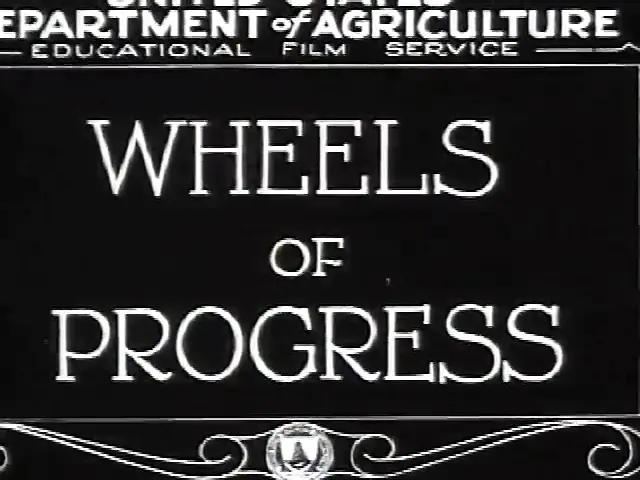
However, the lack of a human face does start to wear on the viewer after the first fifteen minutes. Unlike The Third Alarm, which used the spectacle of fire fighting to tell a human story, Wheels of Progress remains detached. It is a film of steel, stone, and rubber. The only 'characters' are the vehicles, and while they are beautiful, they don't have souls. This is the film's greatest weakness. It is a body without a heart.
The editing is functional. It doesn't take risks. It follows a chronological path that mirrors the very roads it advocates for. It’s a straight line from point A to point B. It works. But it’s flawed in its predictability.
Pros:
- Stunning visual preservation of a lost era.
- Fascinating look at early government messaging.
- Excellent pacing for a documentary of its time.
- Clear, concise argument that is easy to follow.
Cons:
- Zero character development.
- Monotonous subject matter for general audiences.
- Lacks any critical perspective on the downsides of motorization.
Wheels of Progress is a fascinating artifact of a time when the future looked like a straight line of concrete. It is a film that celebrates the triumph of the machine over the muck. While it lacks the soul of a narrative feature, its historical value is immeasurable. It sells a dream. It delivers a road. It is a cold, hard look at the gears of the American machine. It’s not 'great cinema,' but it is a great document. Watch it for the history, but don't expect to be moved. It’s a machine. And like any machine, it does exactly what it was built to do: move you from one point to the next without any fuss.
IMDb —
1926
Community
Log in to comment.