DbcultAccessing Vault...
4.9/10
Senior Film Conservator
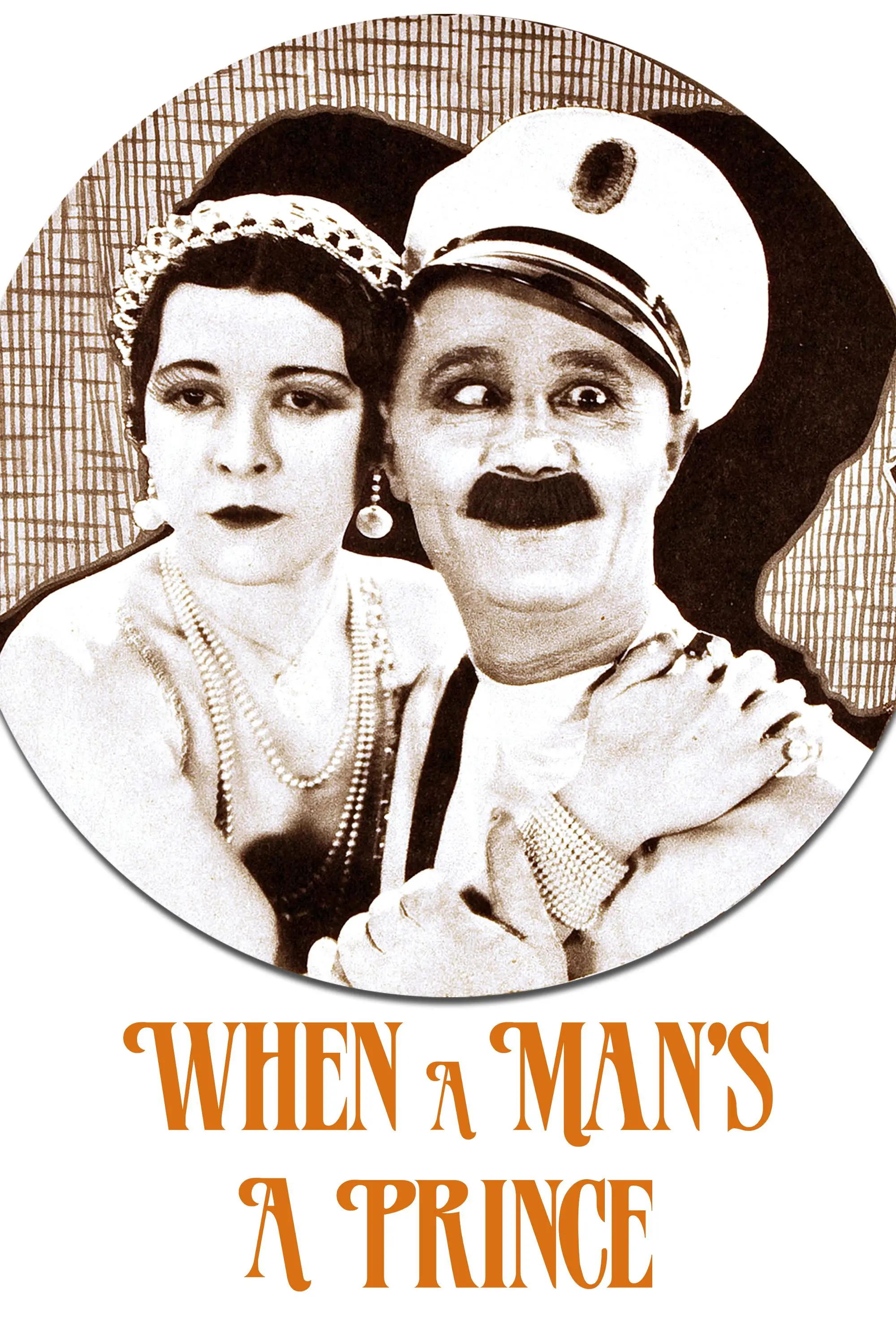
A definitive 4.9/10 rating for a film that redefined the boundaries of cult cinema. When a Man's a Prince remains a cornerstone of transgressive art.
Is When a Man's a Prince worth watching today? Short answer: yes, but with significant caveats. This 1947 re-edited Mack Sennett short, starring the inimitable Ben Turpin, is less a standalone cinematic experience and more a fascinating archaeological dig into the foundations of American comedy.
It's a film for ardent cinephiles, historians of slapstick, and those with a deep appreciation for the silent era's unique charm, particularly the physical brilliance of its stars. If you’re seeking a modern narrative, sophisticated humor, or a polished viewing experience, this isn't for you. It’s a glimpse into an older world, preserved imperfectly, yet undeniably significant.
Mack Sennett’s legacy in comedy is gargantuan, a veritable wellspring from which countless comedic tropes and techniques have flowed. When a Man's a Prince, even in its truncated 13-minute form, serves as a distilled essence of his approach. It’s a film that embodies the very spirit of early 20th-century farce, driven by simple motivations and executed with an unyielding commitment to physical humor.
The premise itself – a prince forced into an unwanted marriage – is a timeless comedic setup, providing ample opportunity for Ben Turpin’s signature brand of cross-eyed chaos. It's not about the depth of the characters or the complexity of the plot; it's about the immediate, visceral reaction to a man desperately trying to escape his fate, often with disastrous and hilarious results.
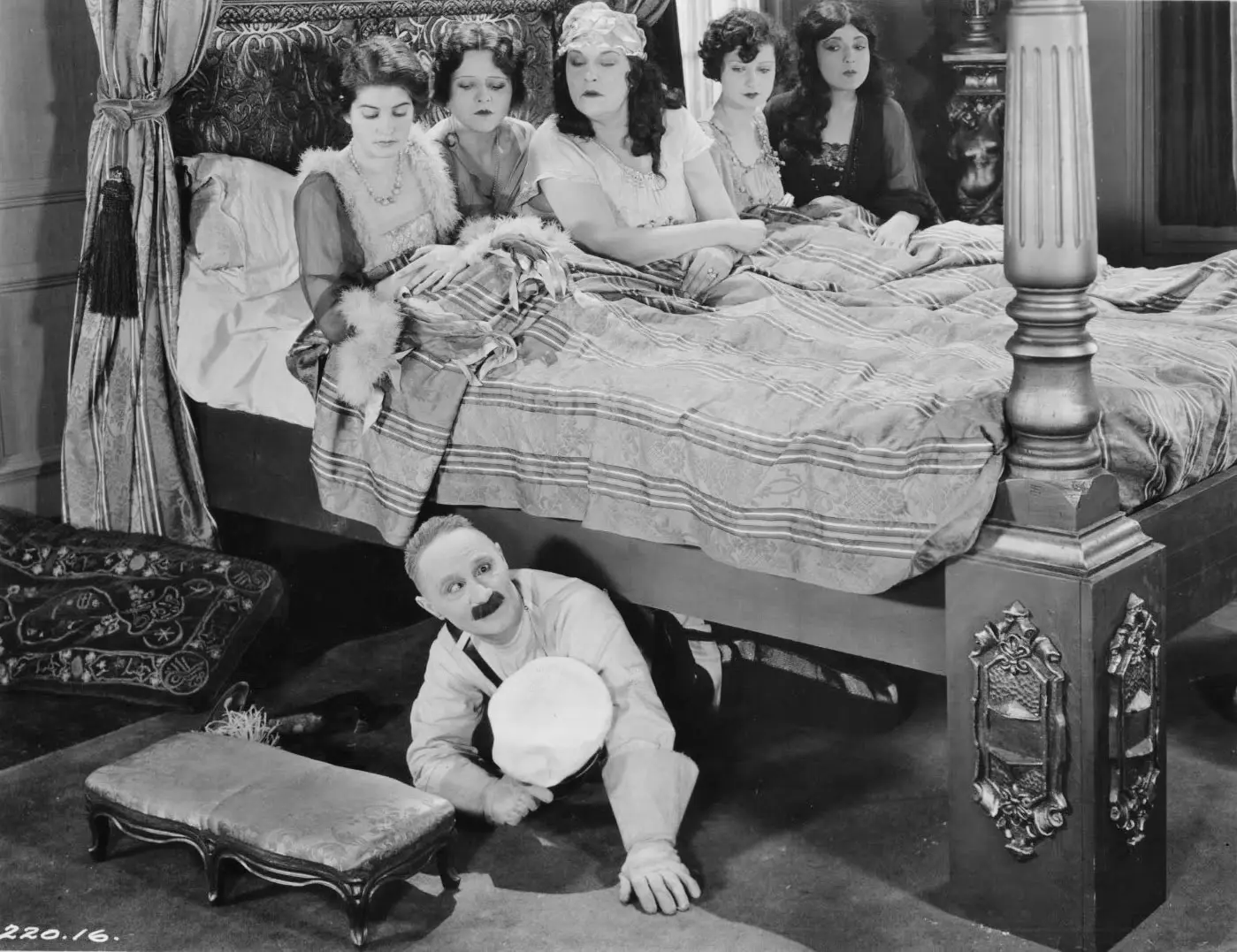
This film works because it offers a direct, unvarnished look at the birth of cinematic comedy, showcasing the raw talent of its performers and the foundational gags that would influence generations. It fails because its heavily edited nature means it lacks the coherence and narrative flow of a complete work, feeling more like a curated highlight reel than a fully realized story. You should watch it if you're keen to understand the roots of visual humor and appreciate the historical significance of early film, even in its fragmented state.
The story of When a Man's a Prince is inextricably linked to its post-production history. Originally a longer Mack Sennett production, it was re-cut in 1947 by Grand International Pictures as part of their 'Americana Comedy Film Classic Series.' This context is crucial to understanding the film’s current form and impact. It’s not just a silent film; it's a silent film re-imagined and re-packaged decades later, a testament to early efforts in film preservation and commercial exploitation.
This re-editing is both a blessing and a curse. On one hand, it allowed a new generation to experience these cinematic treasures, albeit in a condensed format. Without such initiatives, many of these films might have been lost entirely. On the other hand, it fundamentally alters the original artistic intent, often sacrificing narrative integrity for brevity and punchy gags.
The 13-minute runtime suggests a relentless pace, a rapid-fire succession of jokes designed to keep the audience laughing without pause. This approach, while effective for a short, likely stripped away any character development or thematic depth present in the original work. It presents a critical dilemma: do we value the preservation of fragments, or lament the loss of the whole?
Ben Turpin is the undisputed star here, and his presence alone justifies the viewing for fans of classic comedy. Turpin’s unique selling point was his exaggerated cross-eyes, a physical trait he leveraged into an iconic comedic persona. He perfected the art of the 'slow burn' and the 'double take,' often using his distinctive gaze to punctuate a gag or react to absurd situations.
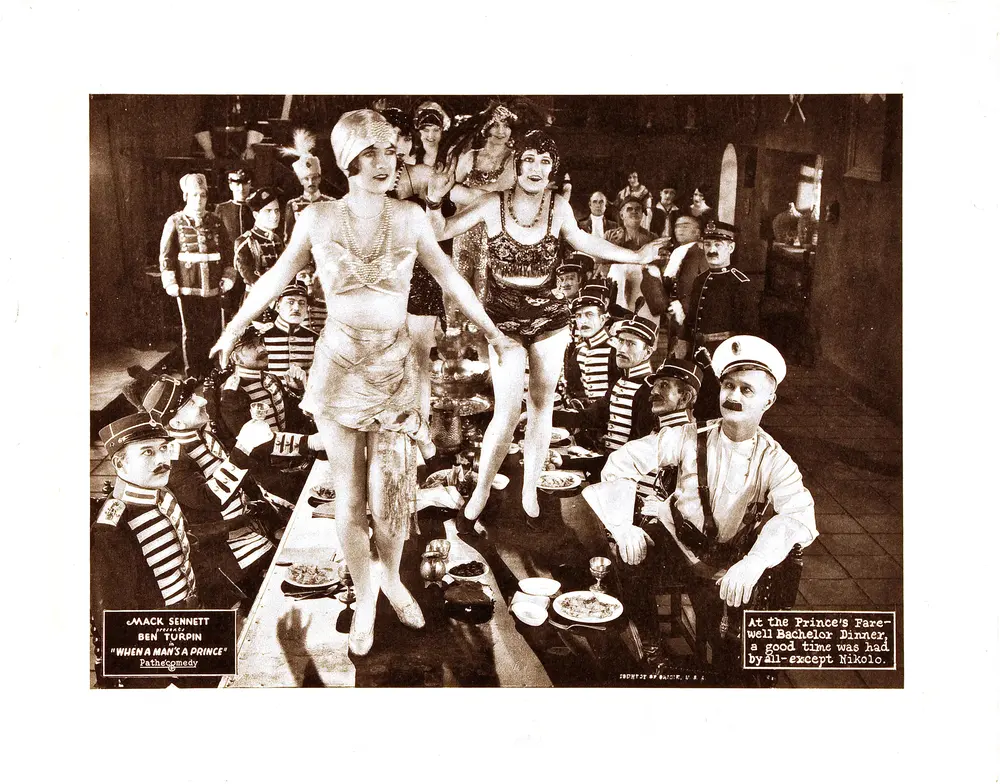
In When a Man's a Prince, we can infer that Turpin’s comedic genius would have been central to the prince’s plight. Imagine his bewildered, cross-eyed expressions as he contemplates a loveless marriage, or his frantic, clumsy attempts to escape the clutches of royal obligation. His physical comedy, often characterized by exaggerated falls and pratfalls, would have been the engine driving the film’s humor.
Compared to the more nuanced physical comedy of Chaplin or the acrobatic feats of Keaton, Turpin's style was raw, direct, and often bordering on the grotesque, yet undeniably effective. He understood the power of a single, striking visual gag, and his performances rarely disappointed those seeking pure, unadulterated slapstick.
Mack Sennett, often dubbed the 'King of Comedy,' had a distinctive directorial style that prioritized action, speed, and improvisation. His films were often shot quickly, with an emphasis on capturing spontaneous gags rather than meticulously planned sequences. This 'run-and-gun' approach is evident in many of his shorts, including what remains of When a Man's a Prince.
The cinematography of the era was, by modern standards, rudimentary. Cameras were largely static, capturing wide shots that allowed the physical comedy to unfold without interruption. Close-ups were rare, used primarily for emphasis on a particular expression or reaction. The beauty of it lies in its simplicity, forcing the performers to convey emotion and humor through exaggerated body language and facial expressions.
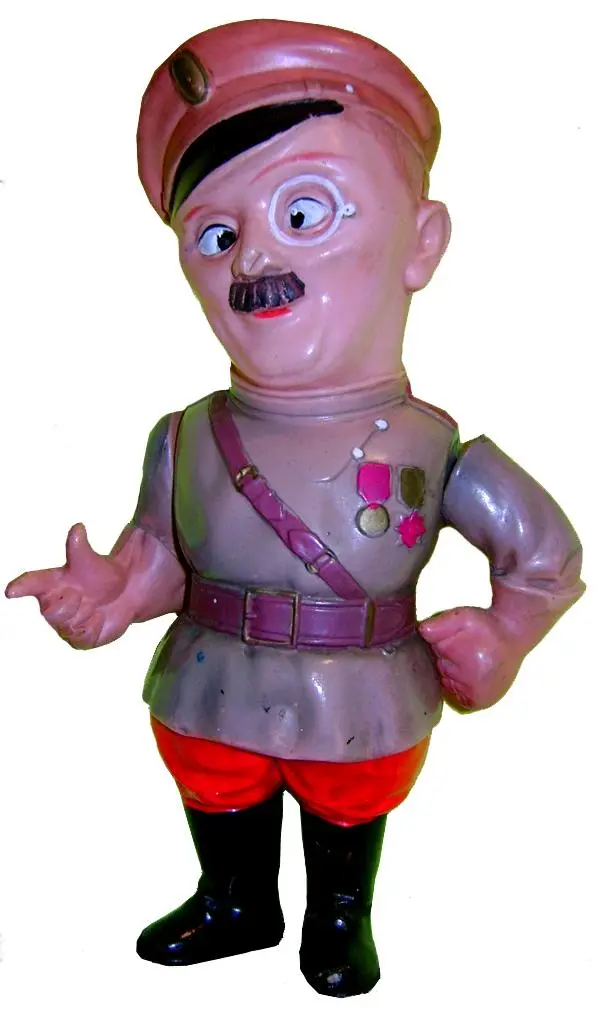
One can envision typical Sennett moments: a frantic chase scene through the mythical kingdom's palace, perhaps involving a series of absurd obstacles and accidental collisions, all captured in a single, wide frame. The lack of sophisticated editing or camera movement meant that the humor had to be self-contained within the actions of the actors, a demanding but effective technique.
The pacing, particularly in the 13-minute re-edit, would have been breakneck. Sennett understood that in silent comedy, inertia was the enemy. Every moment had to build towards a laugh, a pratfall, or an escalation of the absurd. This relentless tempo, while exhilarating, can also feel exhausting to modern viewers accustomed to more varied rhythms.
Absolutely, if you approach it with the right mindset. When a Man's a Prince is not a film to be judged by contemporary standards of cinematic excellence. It is a historical artifact, a living document of early screen comedy. It offers invaluable insight into the techniques, performances, and audience expectations of a bygone era.
For those interested in the evolution of comedy, or the careers of figures like Ben Turpin and Mack Sennett, it's essential viewing. It’s a chance to witness the raw, unfiltered energy that captivated audiences before the advent of sound changed everything. It’s also a poignant reminder of the fragility of film history, and the often-compromised forms in which we receive these early works.
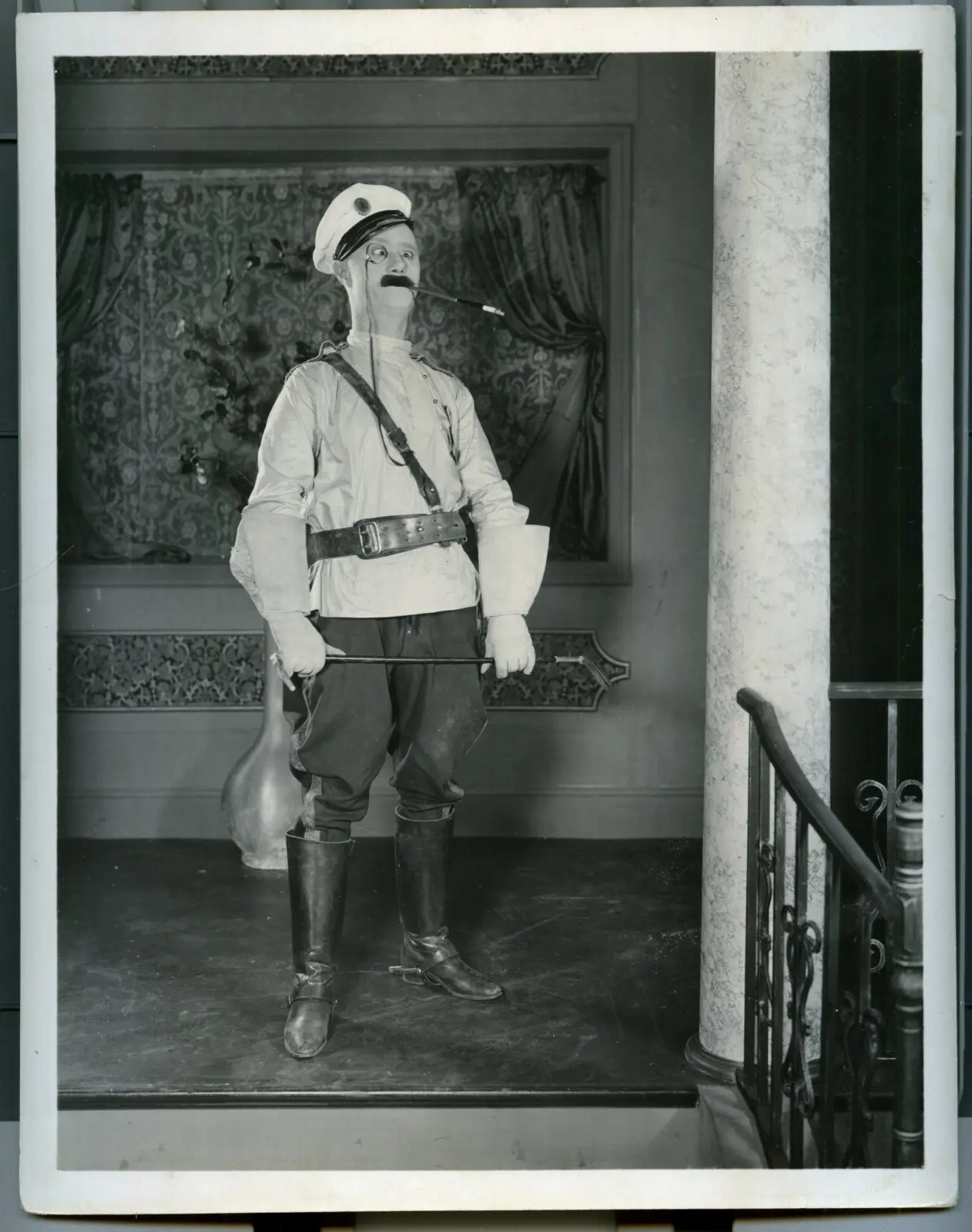
Consider it a masterclass in physical storytelling, even if presented in abbreviated form. The sheer commitment of the performers to their craft, their ability to convey complex emotions and elaborate gags without dialogue, is truly remarkable. It’s a testament to the universal language of laughter.
Every historical film comes with its own set of advantages and disadvantages for the modern viewer. When a Man's a Prince is no exception, particularly given its unique journey to our screens.
To truly appreciate When a Man's a Prince, it's helpful to place it alongside its contemporaries. While it shares the slapstick DNA of films like Ambrose in Turkey, another short from the era, its significance is amplified by the presence of a star like Turpin and the directorial hand of Sennett. Unlike the dramatic weight and groundbreaking narrative of Greed or the episodic suspense of Les Vampires, this film’s ambition is purely comedic, aiming for immediate, visceral laughs.
It's less about cinematic artistry in the modern sense and more about the raw, experimental energy of early filmmaking. It's a reminder that before grand narratives and complex character arcs, cinema was often about simple spectacle and the joy of seeing motion pictures for the first time. Films like Life's a Funny Proposition might share its thematic lightness, but few match the sheer comedic force of a Sennett-Turpin collaboration, even in a re-edited form.
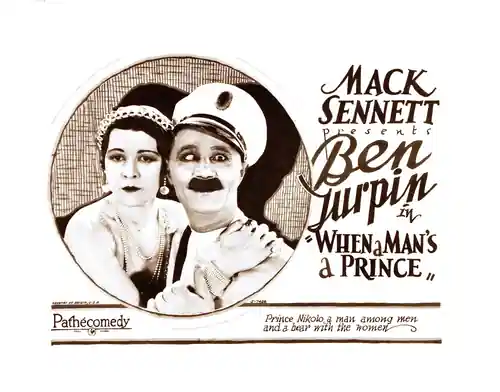
One might argue that the most fascinating aspect of When a Man's a Prince isn't just its content, but its very existence as a re-edited fragment. It’s a film that has lived multiple lives, first as an original Sennett comedy, then as a curated piece of 'Americana.' This meta-narrative of preservation and re-contextualization adds an unexpected layer of intrigue.
It challenges the notion of a fixed cinematic text, reminding us that many early films are known to us only through damaged prints, truncated versions, or re-edits. This film, therefore, becomes a symbol of early film history itself – incomplete, imperfect, yet invaluable.
It works. But it’s flawed. Its flaws, however, are part of its story, part of its enduring appeal as a window into a bygone era of moviemaking where laughter was king, and a cross-eyed prince could steal a show in just 13 minutes.
When a Man's a Prince is more than just a short film; it's a historical document, a comedic time capsule, and a testament to the enduring power of physical humor. While its re-edited nature means it lacks the narrative cohesion of a complete work, it offers a potent dose of Mack Sennett's directorial genius and Ben Turpin's unforgettable comedic persona.
For those willing to engage with its historical context and appreciate its unique brand of early 20th-century slapstick, it’s a rewarding watch. It serves as a vital reminder of the foundations upon which modern comedy was built, showcasing the raw talent and innovative spirit of a nascent art form. Don't expect a polished modern film; expect a spirited, if fragmented, journey back to comedy's roots. Highly recommended for the curious and the devoted.
IMDb —
1921
Community
Log in to comment.