Summary
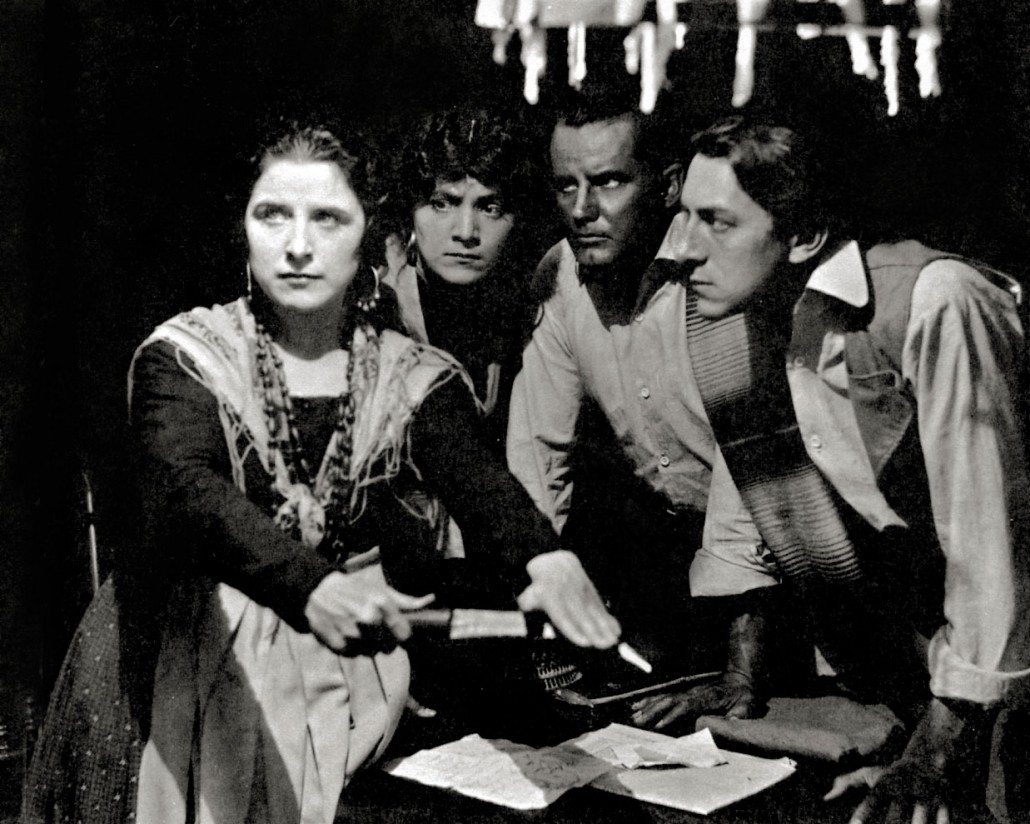
In 'A fekete szivárvány,' László Békeffi masterfully crafts a labyrinthine psychological drama centered on Ildikó (Katóka Kertész), a prima ballerina whose public radiance belies a profound, spectral sorrow. Her ethereal grace on stage, a testament to artistic triumph, is perpetually shadowed by a past she desperately seeks to outrun. Years prior, Ildikó, then a guileless village girl named Borbála, was ensnared in a passionate, yet ultimately ruinous, affair with the charismatic but morally ambiguous artist, Géza (Artúr Somlay). Their tempestuous liaison, fueled by fervent artistic aspirations and societal condemnation, culminated in a tragic incident—Géza’s untimely demise—forcing Borbála to shed her identity and flee, leaving behind a shattered self. The film’s eponymous 'black rainbow' manifests as both a tangible, darkly iridescent opal pendant, a cursed memento from Géza, and a potent metaphor for Ildikó’s unique, sorrow-laden destiny: a beautiful arc fundamentally steeped in melancholy. Her meticulously constructed new life, sustained by the enigmatic Baron István (József Kürthy), whose knowledge of her past remains tantalizingly ambiguous, is a precarious dance between revelation and concealment. This delicate facade is imperiled by the sudden reappearance of Géza’s embittered sister, Eszter (Vilma Medgyaszay), now a formidable socialite, who harbors a simmering desire for vengeance. Eszter's machinations threaten to dismantle Ildikó's carefully guarded existence, compelling her to confront the specter of her former self and the profound moral ambiguities that underpin her survival. The narrative culminates in a visually arresting and emotionally charged climax, wherein Ildikó must navigate the treacherous choice between a truth that promises ruin and the beautiful, sustaining illusion she has so painstakingly cultivated.
Review Excerpt
"
The Enigmatic Hue of Sorrow: Deconstructing 'A fekete szivárvány'
There are films that merely tell a story, and then there are those that weave an intricate tapestry of human emotion, regret, and the relentless pursuit of self. László Békeffi's 'A fekete szivárvány' (The Black Rainbow) belongs firmly in the latter category, a cinematic experience that transcends its era to speak to the universal human condition. It is a profound exploration of identity, guilt, and the spec..."