Summary
A canvas of grief is stretched the instant John Grayson’s brush falls from palsied fingers; his final pigment still wet, his heartbeat already pigment of memory. Into that aching studio—where turpentine ghosts mingle with the salt of tears—slips Burton Lester, a painter who believes beauty can be borrowed like a studio key. Eleanor, the dead man’s daughter, moves through the rooms like dusk incarnate, her blindness a velvet cloak that muffles the world yet sharpens every tremor of breath. Burton sketches her not with charcoal but with cadence: the hush of her footfalls, the tremolo of her voice when she “sees” a canvas by touching its ridges. Their comradeship germinates inside the hollow echo of her father’s unfinished symphony of oils, until affection becomes a second, more radiant palette. When an ocular surgeon offers the impossible—light where there is only night—Burton pawns his own future, hocking every canvassed dream for the scalpel’s ransom. Sight floods in like a brass band, and with it the brutal triptych of truth: Burton’s wedding ring, the faint perfume of another woman on his collar, the mirror that now shows Eleanor her own fury. She flees to Manhattan’s clangorous avenues, where skyscrapers rise like accusations and the Hudson swallows sunsets whole. There she completes her father’s magnum opus, a phoenix of pigment rising from filial ash, while Frank Hargreave—starry-eyed reformer, moral compass in a Brooks Brothers suit—worships her genius and proposes a partnership of easel and altar. Yet the past is a stubborn sitter: Vera, Frank’s feather-brained sister, sashays into a smoky cabaret, loses a diamond necklace down some décolletage or drain, and implores the ever-gallant Burton for rescue. Their innocent alliance detonates old shrapnel; Eleanor’s confession spills like turpentine on varnished trust, and Frank recoils, his righteousness a colder blindness than any ocular occlusion. A midnight train whistle becomes her intended requiem, but on the platform she collides with Vera and Burton mid-mission, discovers the necklace quest was never tryst, and the chiaroscuro of misunderstanding flips. In the final tableau, engagement rings glint like wet paint, the camera iris closes on a kiss that refracts through prism of forgiveness, and the spectator is left holding the after-image of every pigment of pain that made the eventual luminescence possible.
Synopsis
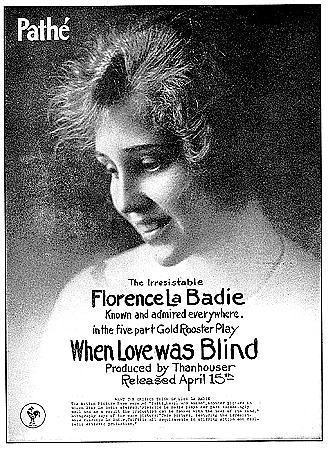
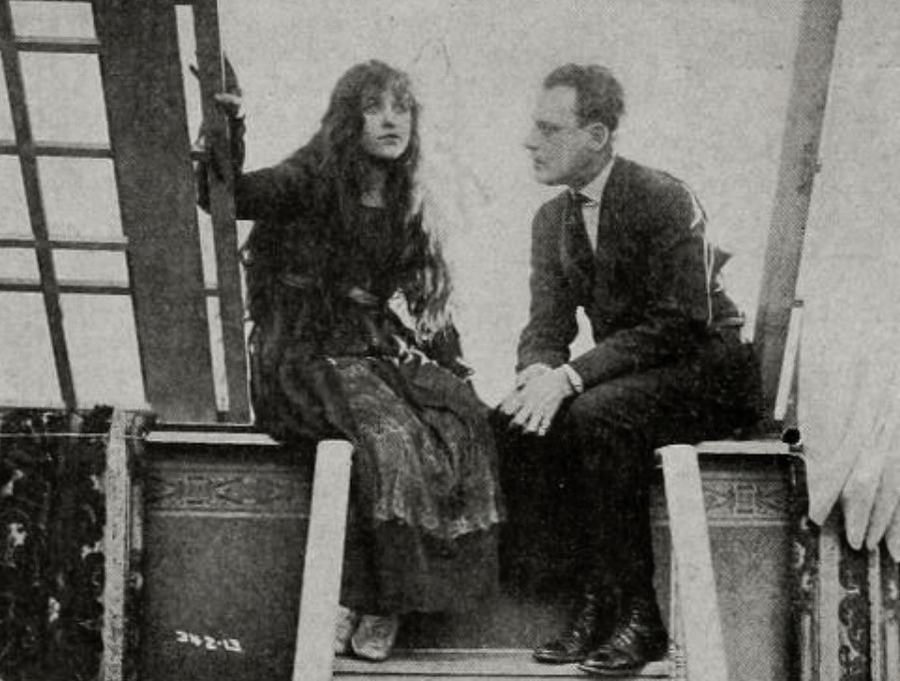
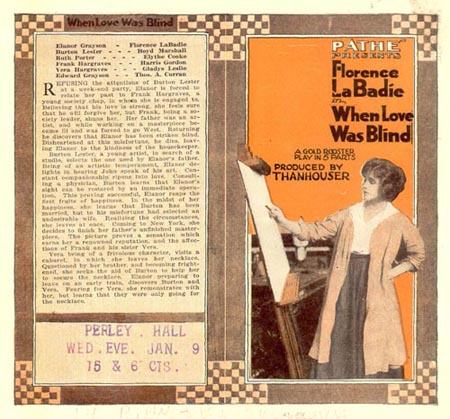
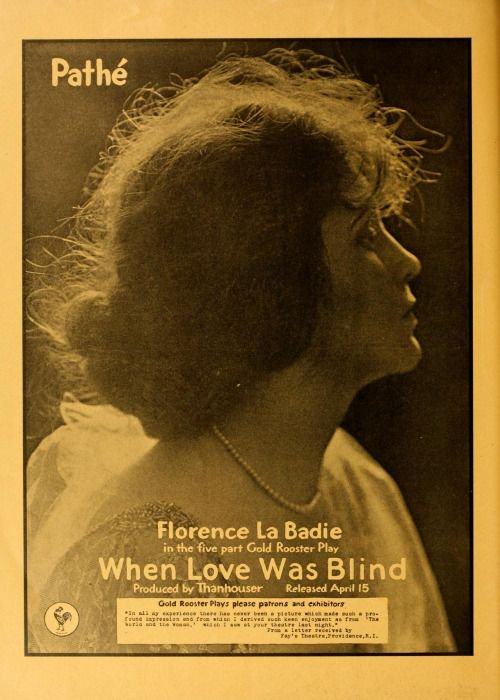
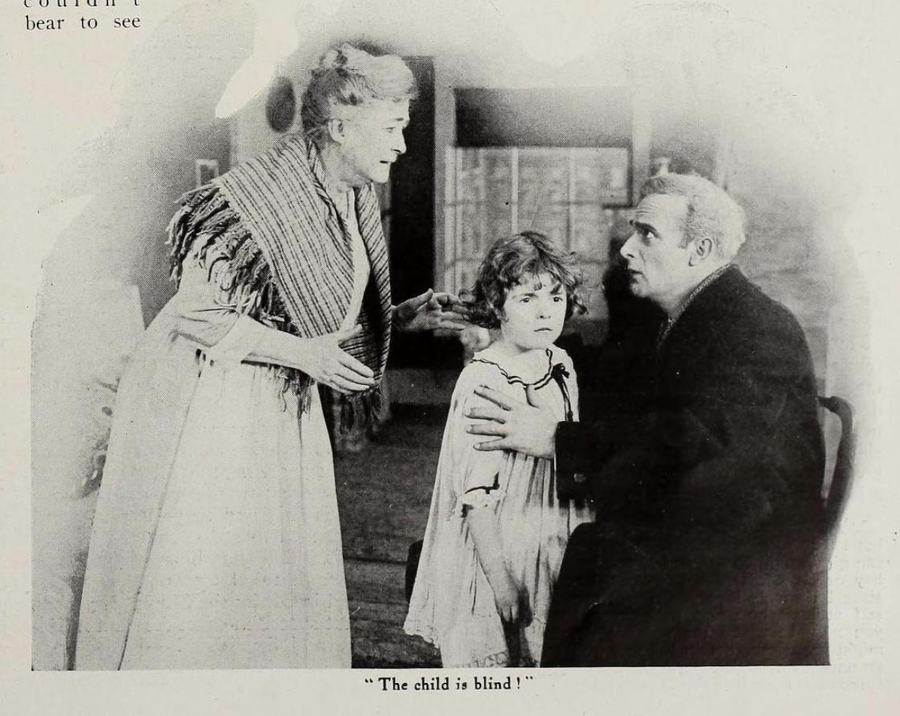
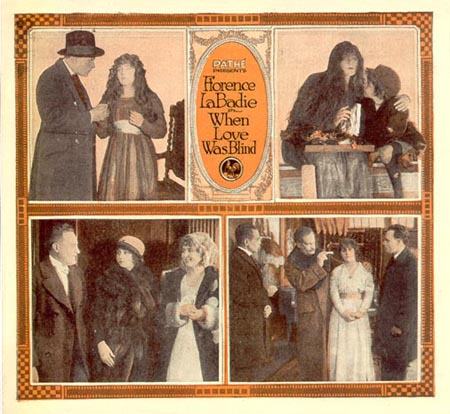
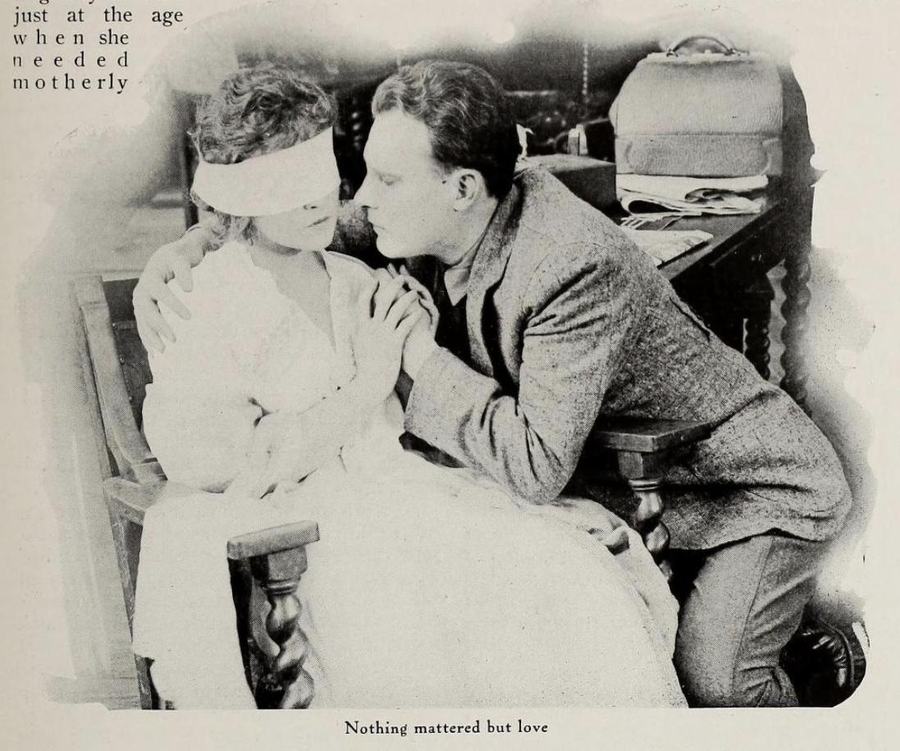
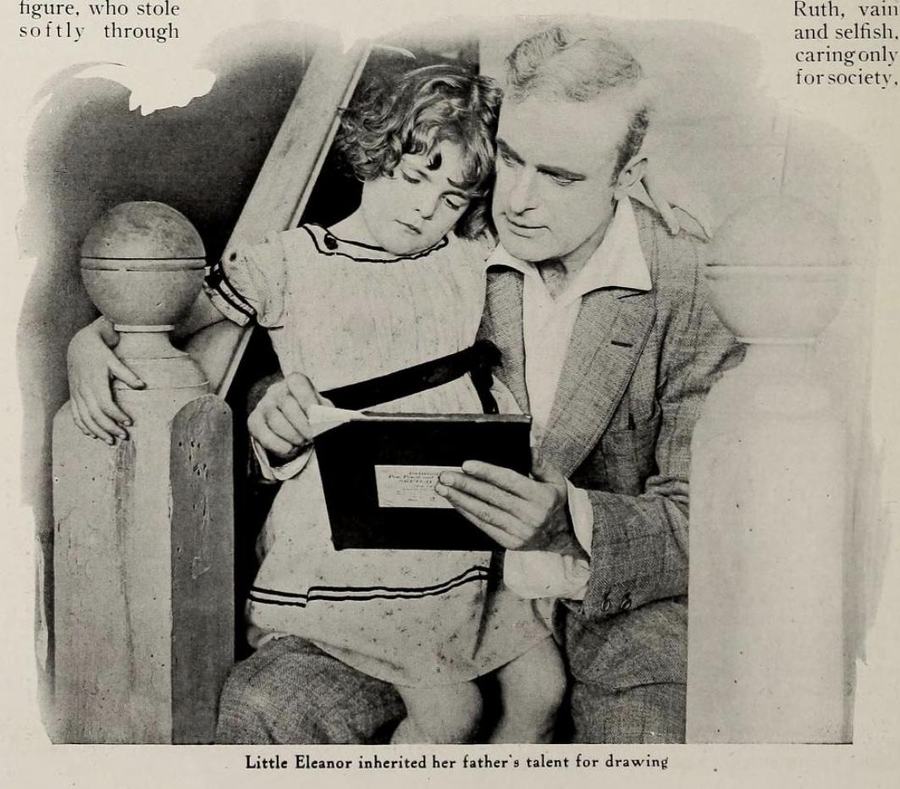
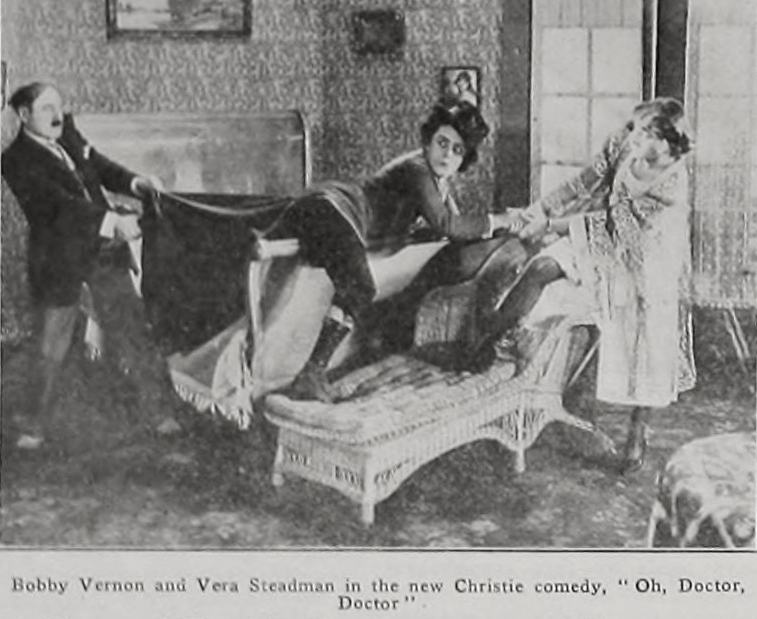
After learning that his daughter Eleanor has been stricken blind, artist John Grayson dies of grief before he can complete his masterpiece, leaving her in their housekeeper's care. Artist Burton Lester rents Grayson's studio and a close friendship grows between him and Eleanor. Companionship ripens into love and when Burton learns that Eleanor's sight can be restored through an operation, he arranges for it. Upon recovering her sight, Eleanor learns that Burton has been married. Embittered by his deception, Eleanor leaves at once for New York where she finishes her father's masterpiece, winning renown as an artist. Meanwhile, Frank Hargreave, a young man with high morals, falls in love with her. When Hargreave's frivolous sister Vera loses her necklace while visiting a cabaret, she turns to Burton for help. Burton's reappearance forces Eleanor to confess all to Frank who then shuns her. Furious at both men, Eleanor is about to leave by train when she meets Vera with Burton. She stops to warn her of Burton's capriciousness in love, but learns that he is only trying to help Vera retrieve her necklace. A reconciliation is effected and all ends well as Eleanor and Burton announce their engagement.
Review Excerpt
"
p,blockquote,ul{margin:0 0 1.2em}
a{color:#EAB308;text-decoration:none;border-bottom:1px dotted}
a:hover{color:#C2410C;border-bottom-style:solid}
h2{color:#0E7490;margin:2em 0 .6em;font-size:1.4em}
strong{color:#C2410C;font-weight:700}
.inline-note{display:inline-block;background:#0E749022;color:#EAB308;padding:2px 6px;border-radius:4px;font-size:.9em}
The first time I watched When Love Was Blind, I did so on a 35-centimeter bootleg transfer that smelled of vinegar decay; the second time, on..."