DbcultAccessing Vault...
Cult Review
Senior Film Conservator
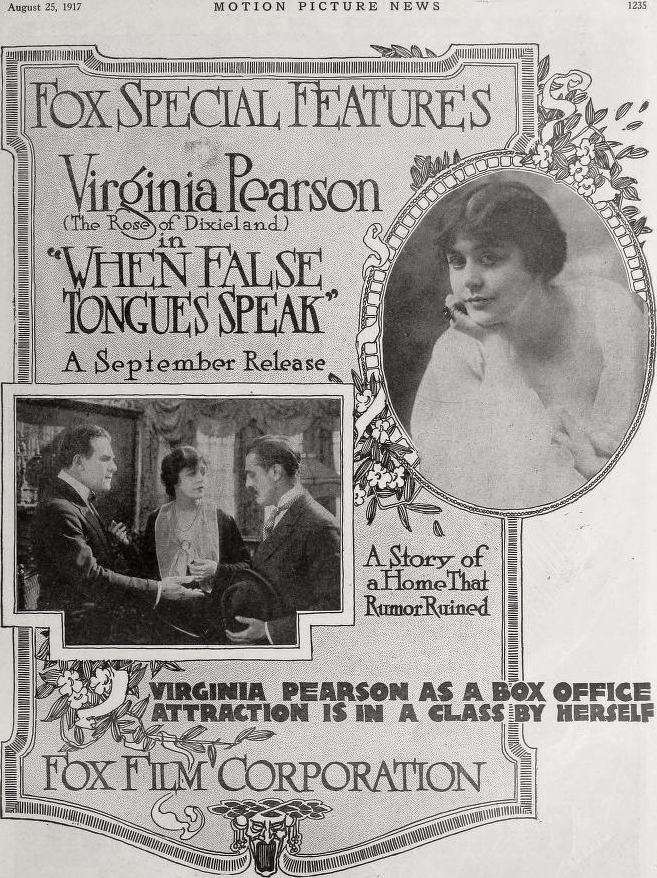
There are certain cinematic narratives that, regardless of their vintage, manage to pierce through the veil of time, resonating with a timeless urgency. "When False Tongues Speak", a title itself pregnant with an almost biblical foreboding, is precisely such a film. It plunges us headfirst into a maelstrom of marital betrayal, societal hypocrisy, and the intricate dance of human motivations, all set against a backdrop that feels both intimately personal and broadly allegorical. From the moment the credits roll, we are not merely observers but active participants in the unfolding tragedy, compelled to scrutinize the moral compasses of its richly drawn characters. This isn't just a story; it's an examination of the corrosive power of deceit and the often-unseen resilience of the human spirit.
At its core, the film presents us with the tragic figure of Mary Page, portrayed with a nuanced blend of quiet suffering and defiant strength by Claire Whitney. Her marriage to Fred Walton, brought to life with a compelling, if reprehensible, charm by William E. Meehan, quickly devolves into a cruel farce. Fred is a man utterly consumed by his own appetites, a serial philanderer whose marital vows are as flimsy as cobwebs. Mary, however, is no wilting violet. Her refusal to seek a divorce, even in the face of overwhelming evidence of Fred's infidelity, is not born of weakness, but rather a complex cocktail of societal expectation, personal pride, and perhaps a lingering, if misguided, hope. This steadfastness forms the emotional bedrock of the early narrative, setting her apart from the more conventional damsels of distress often depicted in cinema of the era.
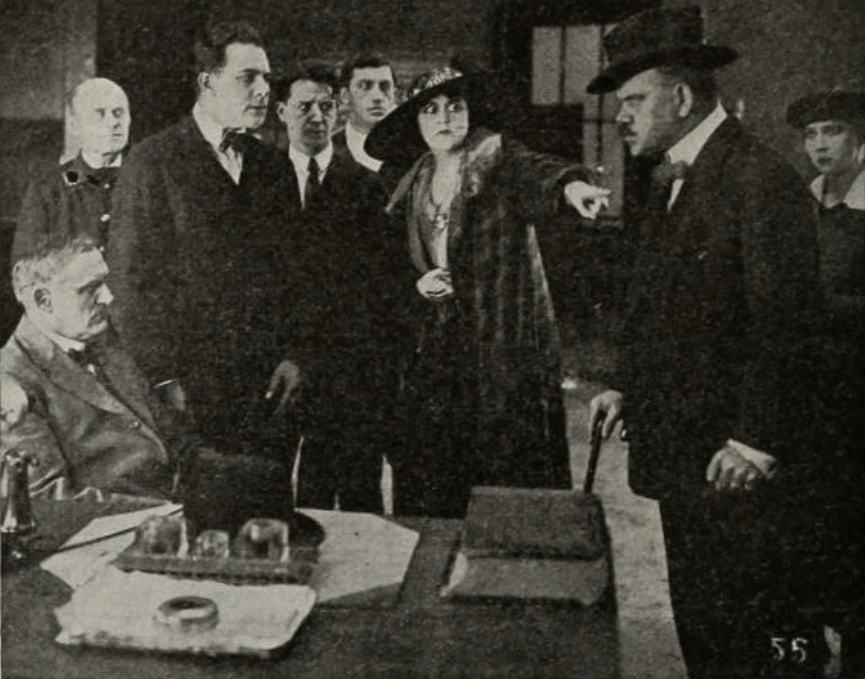
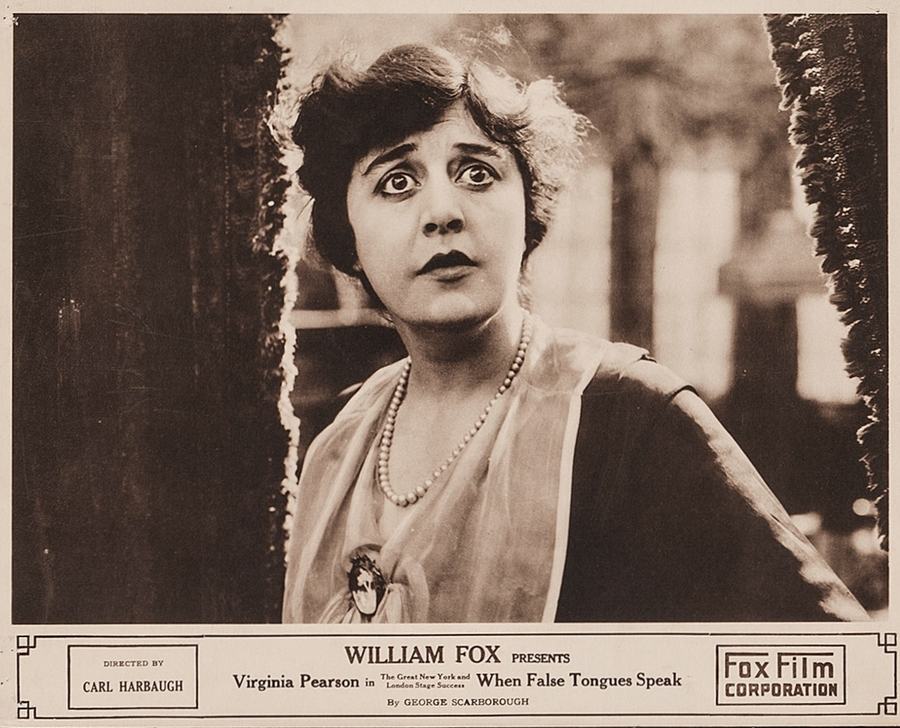
Enter Platt Sinclair, Fred's lawyer, a character imbued with a chillingly pragmatic ruthlessness by Carl Eckstrom. Sinclair isn't merely a legal counsel; he's an architect of manipulation, a man whose professional ethics are entirely subservient to his client's desires. His relentless badgering of Mary to dissolve the marriage isn't an act of altruism, but a calculated maneuver to free Fred to marry his current obsession, Helen Lee. Virginia Pearson, as Helen, embodies the alluring yet ultimately precarious position of the "other woman," a figure often judged harshly by society but here shown as both a catalyst and a potential victim of Fred's selfish machinations. The intricate dance between these characters, each driven by their own desires and perceived necessities, constructs a narrative web that is both compelling and deeply unsettling.
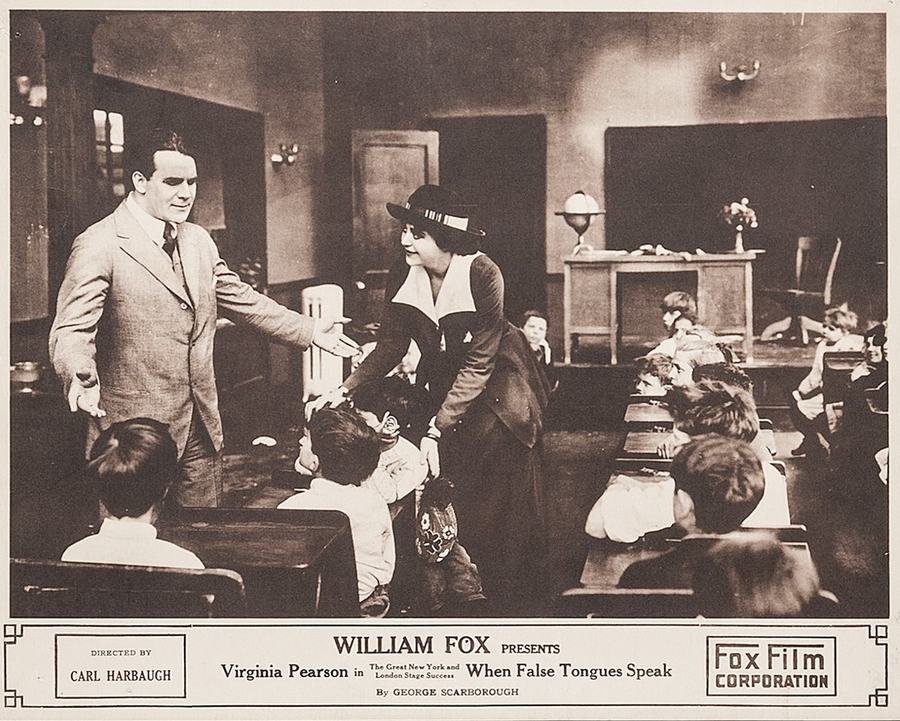
Mary's journey isn't solely defined by her marital woes. In a poignant testament to her character, she channels her profound misery into meaningful social action, establishing a settlement house in the city's impoverished districts. This act of selfless service is not only a lifeline for the downtrodden but also a psychological refuge for Mary herself. It is here, amidst the stark realities of urban poverty, that she encounters Eric Mann, a reporter whose idealism and genuine empathy offer a stark contrast to the duplicity she faces at home. Their burgeoning connection, subtle yet potent, is a beacon of hope in a narrative otherwise steeped in moral compromise. Eric, while not explicitly detailed in the cast list, represents the moral counterpoint to Sinclair, a man driven by integrity rather than self-interest. His presence complicates Fred's plans and introduces an element of genuine justice into the narrative, a countercurrent to the pervasive deceit.
The film masterfully builds tension through the escalating stakes. Sinclair, ever vigilant, spies Eric at Mary's home, immediately weaponizing this observation against her. Fred, seeing an opportunity to finally rid himself of his inconvenient wife, pounces, initiating divorce proceedings based on Mary's alleged infidelity. This moment is a critical turning point, showcasing the brutal hypocrisy of a system that would condemn a woman for seeking companionship while tacitly condoning her husband's blatant promiscuity. However, the tables are dramatically turned when Eric, with a calculated bravado, threatens Sinclair with disbarment. This threat, potent and credible, forces Sinclair to retreat, dropping the suit and momentarily disrupting Fred's carefully laid plans. It's a satisfying, if temporary, triumph for justice, highlighting the power of standing up to unscrupulous authority.
The narrative hurtles towards its electrifying climax, a night where multiple, seemingly disparate plot threads converge with devastating consequences. Mary, driven by an understandable surge of anguish or perhaps a desperate plea for recognition, confronts Fred during an intimate evening with Helen. This domestic confrontation, already charged with raw emotion, is violently interrupted by the opportunistic presence of Jimmy Hope, a burglar, whose clandestine activities transform a private drama into a public tragedy. Carl Harbaugh, as the ill-fated Jimmy Hope, serves as a catalyst, an unwitting pawn in a larger, more sinister game. The ensuing chaos leads to Fred's untimely death, a moment of shocking finality that reverberates through the lives of all involved.
What truly elevates "When False Tongues Speak" beyond a mere melodrama is the subsequent unraveling of the murder mystery. The initial assumption might point fingers at Mary, or even Helen, given the volatile circumstances. However, the film cleverly subverts expectations by revealing that Fred's death was not a direct consequence of the domestic dispute or the burglary itself, but rather the act of an individual obsessed with Jimmy Hope. This twist, masterfully executed, adds layers of psychological complexity and demonstrates a willingness to defy conventional narrative tropes. It forces the audience to reconsider their assumptions about guilt and motive, aligning it thematically with films like The Green Cloak, where hidden identities and unexpected revelations drive the core mystery, or even What Happened at 22, which similarly explores the unexpected turns of fate in a dramatic setting. The introduction of this external, obsessive killer injects a chilling element of the unknown, transforming the film from a domestic drama into a nuanced crime narrative with profound psychological undercurrents. Hardee Kirkland, though his role isn't explicitly defined in the plot summary, likely contributes to the ensemble that brings this intricate world to life, adding depth to the supporting cast.
Thematically, "When False Tongues Speak" is a rich tapestry woven with threads of betrayal, societal judgment, and the elusive nature of justice. It meticulously dissects the moral decay inherent in Fred's character, contrasting it with Mary's quiet dignity. The film asks profound questions about appearances versus reality, a theme that resonates strongly with films like Silks and Satins, which often explores the superficiality of societal facades. Is justice truly served when a manipulative individual meets an untimely end, even if by an unexpected hand? The film suggests a complex answer, where cosmic retribution might play a role alongside human intervention. It delves into the destructive power of secrets and the lengths to which individuals will go to protect their self-interests, whether it's Fred pursuing a new marriage or Sinclair attempting to manipulate legal outcomes.
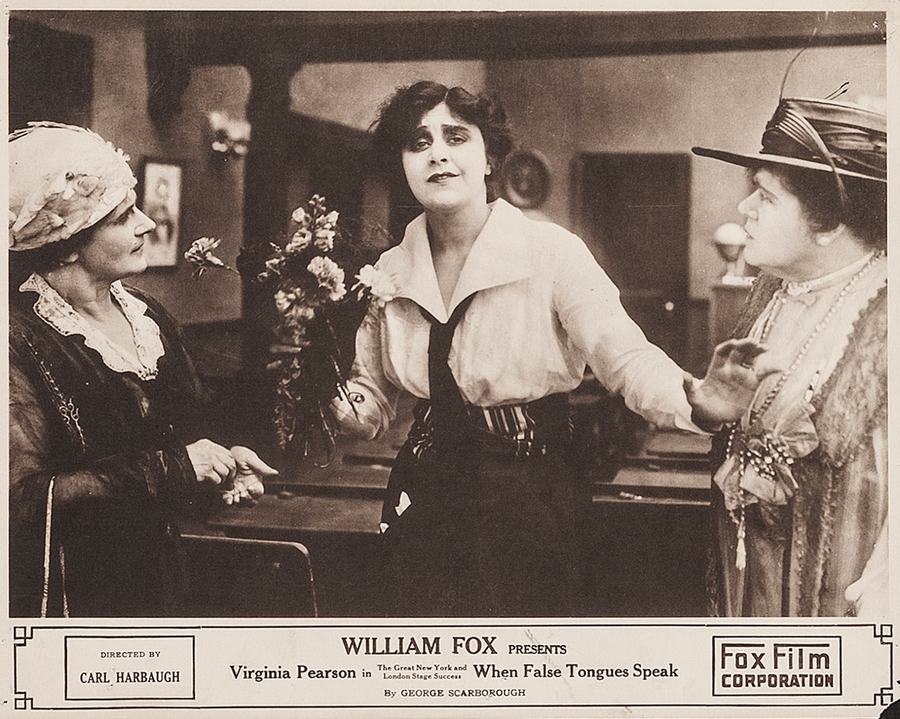
The legal machinations, particularly Sinclair's attempts to coerce Mary, highlight the vulnerabilities of individuals within a system that can be bent to serve the powerful. This aspect of the narrative finds parallels in films like The Eternal Law, which often grapples with the interplay between human legislation and a higher moral order, or even The Bridge of Sighs, where characters are often caught in the inescapable consequences of their actions and the unforgiving nature of the legal system. The threat of disbarment against Sinclair is a powerful moment, reminding us that even those who wield the law can be held accountable, a glimmer of hope in a world often depicted as morally ambiguous. It speaks to the idea that there is, at times, a Square Deal Man who will emerge to challenge injustice, even if that challenge comes from an unexpected quarter like Eric Mann.
The exploration of obsession, culminating in the arrest of the true murderer, adds another layer of psychological depth. It moves beyond simple revenge or greed, delving into the more unsettling corners of the human psyche. This element distinguishes the film from a straightforward crime drama, positioning it closer to psychological thrillers where the motives are often more convoluted and deeply personal. It's a reminder that beneath the surface of everyday life, dark currents of fixation and irrationality can lurk, ready to erupt with devastating force. The film, through this unexpected reveal, challenges the audience to look beyond the obvious, to question initial assumptions, and to recognize that truth can often be stranger, and more disturbing, than fiction.
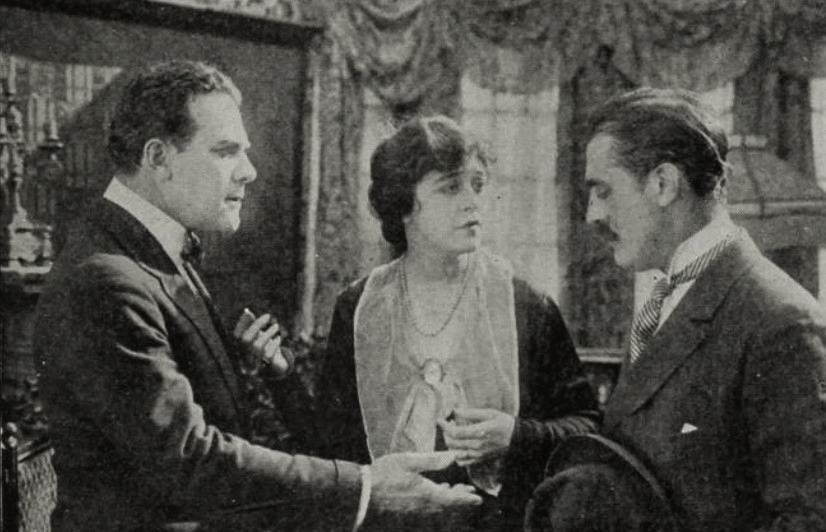
The strength of "When False Tongues Speak" is undeniably amplified by its cast. Claire Whitney delivers a performance as Mary Page that is both restrained and profoundly moving. She conveys Mary's suffering not through histrionics, but through subtle gestures, haunted eyes, and a quiet resilience that makes her character deeply sympathetic. Her refusal to break, even when her world is crumbling around her, is a testament to her inner fortitude. William E. Meehan, as the dissolute Fred Walton, manages to imbue his character with just enough charisma to make his attraction to Helen believable, while never shying away from his inherent villainy. He is a man driven by impulse and self-gratification, a portrayal that feels authentically human in its flaws.
Carl Eckstrom's portrayal of Platt Sinclair is a masterclass in understated menace. His lawyerly demeanor masks a cold, calculating mind, and Eckstrom expertly conveys the character's manipulative nature without resorting to overt villainy. He is the embodiment of legal cunning stripped of moral conviction. Virginia Pearson as Helen Lee navigates the tricky waters of playing the mistress with grace, portraying her not merely as a temptress but as a woman caught in Fred's orbit, perhaps as much a victim of his charm as Mary is of his deceit. The supporting cast, including Carl Harbaugh and Hardee Kirkland, contribute to the film's rich texture, ensuring that even minor characters feel integral to the unfolding drama. Each actor, within the stylistic conventions of the era, brings a distinct voice to the narrative, making the interplay of their characters utterly believable and engaging.
Beyond the personal dramas, "When False Tongues Speak" serves as a fascinating social document, offering insights into the moral landscape of its time. It critiques the double standards applied to men and women in marriage, where a man's infidelity might be tolerated, while a woman's perceived transgression is met with swift and severe judgment. Mary's dedication to her settlement house, a distinctly progressive act for a woman of her social standing, contrasts sharply with the stagnant moral quagmire of her marriage. This juxtaposition highlights the emerging social consciousness of the era, where individuals sought purpose beyond the confines of domesticity and societal expectation.
The film’s exploration of legal maneuvering and the pursuit of justice also offers a lens into the period's understanding of law and order. It’s not simply about catching a criminal, but about navigating a complex web of legal and ethical considerations. In this sense, it shares thematic DNA with films like The Heart of a Police Officer, which often delves into the moral dilemmas faced by those upholding the law, or Gambling Inside and Out, where the consequences of illicit actions and moral compromises are laid bare. The narrative suggests that justice, much like truth, is often obscured by false tongues and hidden agendas, requiring persistent effort and moral courage to uncover. It's a testament to the film's enduring power that these themes remain relevant, prompting contemporary audiences to reflect on similar societal hypocrisies and legal complexities that persist even today. The final resolution, where the true murderer is apprehended, underscores a belief in a fundamental, if sometimes circuitous, path to justice, even when obscured by layers of personal drama and criminal enterprise. It's a reminder that while the immediate chaos might suggest one culprit, the Eternal Law eventually prevails, revealing the true nature of events.
"When False Tongues Speak" is far more than a period piece; it is a potent examination of human nature, a compelling blend of domestic drama, legal intrigue, and a surprising murder mystery. It showcases the destructive force of infidelity and manipulation, while simultaneously celebrating the quiet strength of resilience and the pursuit of genuine connection. The film's intricate plot, compelling characters, and unexpected twists ensure its place as a significant cinematic work. It challenges its audience to look beyond superficial appearances, to question motives, and to recognize that the truth, no matter how convoluted, eventually finds its voice. For anyone fascinated by the enduring power of classic storytelling, by narratives that delve deep into the human condition, or by the intricate dance between moral compromise and ultimate justice, this film is an essential viewing experience. It's a stark reminder that while tongues may speak falsely, the truth, in its own time, will always make itself known, often with profound and irreversible consequences.
IMDb 3.6
1932
Community
Log in to comment.