DbcultAccessing Vault...
Cult Review
Senior Film Conservator
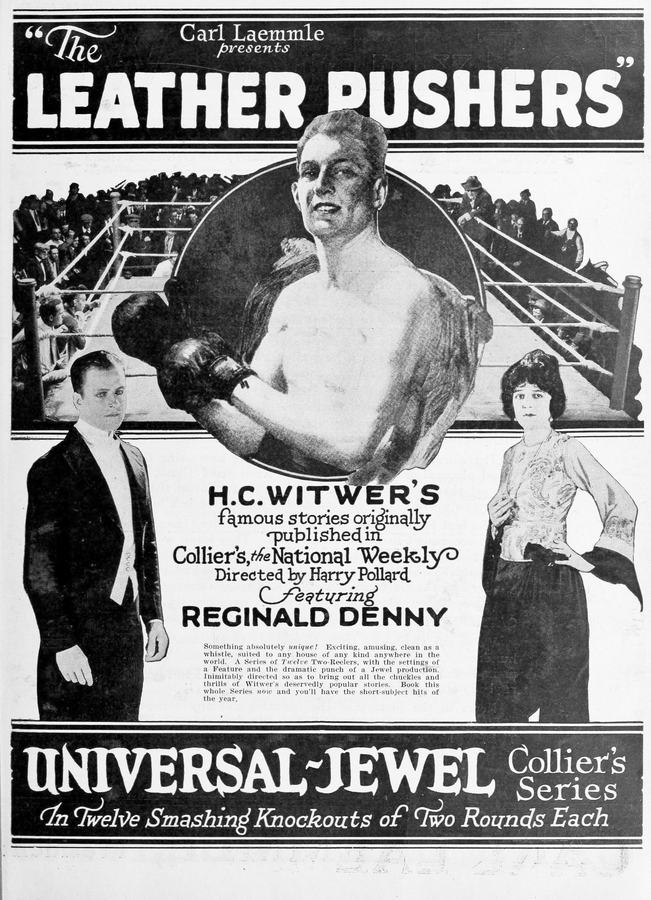
The cinematic landscape of the early 20th century was replete with films that explored the human condition, often incorporating elements of drama, romance, and action. Whipsawed, a 1919 silent film, is a quintessential example of this genre-bending trend, as it masterfully weaves together the threads of love, training, and the unyielding pursuit of victory in the world of boxing. As the story unfolds, the 'Kid', played by Hayden Stevenson, finds himself smitten with a senator's daughter on a transatlantic steamer, an encounter that sets the tone for the rest of the film.
The 'Kid's' manager, beset by illness, is unable to provide the necessary guidance, leaving the young boxer to his own devices as he prepares for the impending match. This brief, yet intense, training period is marked by a sense of urgency, as the 'Kid' strives to hone his skills in time for the big event. The tension builds as the 'Kid' steps into the ring, only to discover that his opponent is none other than one of his own sparring partners, a twist that adds a layer of complexity to the narrative.
As the bout commences, the opponent's familiarity with the 'Kid's' fighting style becomes apparent, allowing him to accumulate points and gain the upper hand. However, in a stunning turn of events, the 'Kid' lands a decisive blow to the opponent's jaw, loosening a tooth and setting the stage for the ultimate victory. This pivotal moment is expertly captured on film, with the yellow glow of the ring lights illuminating the intensity of the scene.
The sea blue hues of the background serve as a poignant reminder of the tumultuous nature of the 'Kid's' journey, as he navigates the highs and lows of his career. The agreement between the champion and his manager, which has been a central theme throughout the film, is ultimately renewed in a heartfelt moment of mutual respect. This poignant conclusion underscores the enduring power of relationships, both personal and professional, in the face of adversity.
In comparison to other films of the era, such as Will It Come to This and La principessa, Whipsawed stands out for its unique blend of action, romance, and drama. The film's exploration of the human condition, particularly in the context of sports, is a testament to the enduring power of cinema to capture the essence of the human experience. As with The Romance of Elaine and Her Husband's Friend, the film's use of visual motifs and narrative devices serves to underscore the emotional resonance of the story.
The influence of European cinema is also evident in Whipsawed, particularly in the film's use of atmospheric lighting and composition. The moody tones and dramatic flair of the film are reminiscent of Des Prokurators Tochter and A Sammy in Siberia, highlighting the global nature of cinematic storytelling during this period.
In conclusion, Whipsawed is a film that defies easy categorization, blending elements of drama, romance, and action to create a unique cinematic experience. As with Das wandernde Licht and The Girl in the Taxi, the film's use of visual motifs and narrative devices serves to underscore the emotional resonance of the story, making it a compelling watch for audiences today. The film's exploration of the human condition, set against the backdrop of the boxing world, is a powerful reminder of the enduring power of cinema to capture the essence of the human experience.
The sea of faces that populate the film's narrative are a testament to the complexity of human relationships, and the ways in which they can both support and hinder our pursuit of greatness. As with Bits of Life and The Right to Lie, the film's use of character development and plot twists serves to underscore the emotional resonance of the story, making Whipsawed a compelling watch for audiences today.
The influence of social commentary is also evident in Whipsawed, particularly in the film's portrayal of the boxing world and its attendant social hierarchies. The darker tones of the film are reminiscent of Damaged Goods and The Trey o' Hearts, highlighting the ways in which social commentary can be used to underscore the emotional resonance of a story.
In the end, Whipsawed is a film that will leave audiences breathless and yearning for more. As with Young Mrs. Winthrop and Through the Wall, the film's use of visual motifs and narrative devices serves to underscore the emotional resonance of the story, making it a compelling watch for audiences today. The film's exploration of the human condition, set against the backdrop of the boxing world, is a powerful reminder of the enduring power of cinema to capture the essence of the human experience.
The legacy of Whipsawed can be seen in films such as Shadows of Her Pest, which also explore the complexities of human relationships and the power of cinema to capture the essence of the human experience. As with Will It Come to This and La principessa, the film's use of visual motifs and narrative devices serves to underscore the emotional resonance of the story, making Whipsawed a compelling watch for audiences today.
IMDb —
1918
Community
Log in to comment.