DbcultAccessing Vault...
Cult Review
Senior Film Conservator
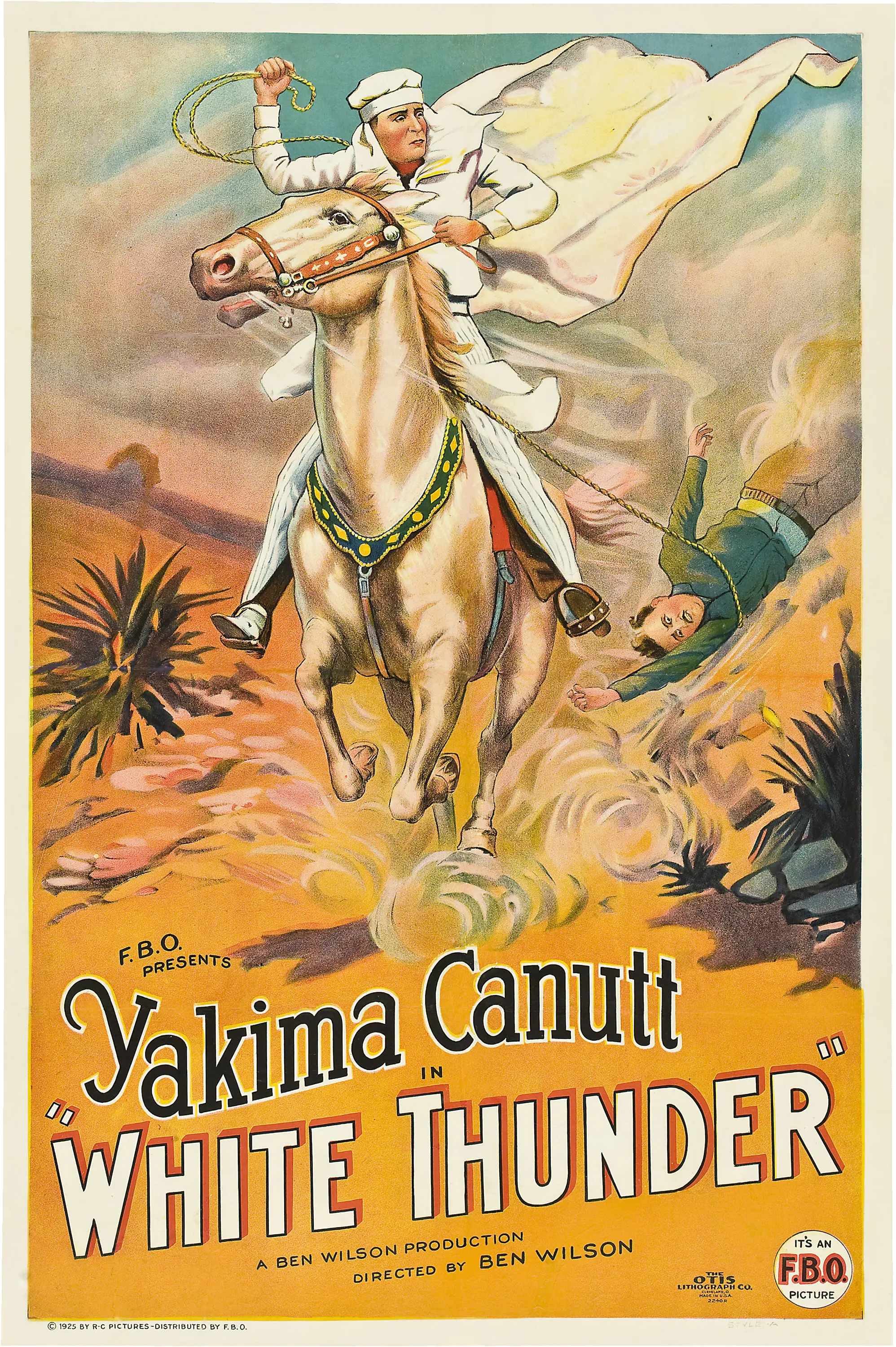
White Thunder is a film that defies easy categorization, blending elements of the Western genre with a more complex narrative of revenge, identity, and redemption. Set in the untamed, lawless American West, the movie's plot unfolds with a layer of intrigue that keeps viewers engaged in its mystery and drama.
The film opens with a tense atmosphere, as a long-standing feud between sheepmen and cattle ranchers reaches a boiling point. The narrative is instantly charged with tension and a sense of impending violence. The murder of the sheriff, Sheriff Richards, sets the stage for the arrival of Chick Richards, who returns home after years away. Chick's return is marked by his effeminate, almost foppish demeanor, which is in stark contrast to the rugged, masculine world he is stepping into. This contrast is what initially leaves the townspeople, and the audience, puzzled and intrigued.
As Chick Ramsay (played by William H. Turner) settles into his new life, a mysterious figure starts to emerge. This enigmatic character, known as the White Rider, is a key figure in the film. The White Rider is not just a figure of law and justice; he is a symbol of the oppressed and the marginalized. The White Rider's presence in the film adds a layer of depth and complexity to the narrative, making it a story not just of revenge, but of a struggle for justice and equality.
William H. Turner's portrayal of Chick is a standout performance. Turner's character is a complex mix of effeminacy and strength, and Turner brings both to life with nuance and subtlety. His transformation from a college-educated, foppish individual to a powerful, avenging force is both believable and compelling. Turner's performance is a testament to his skill in embodying a character who is both a product of his environment and a force of nature.
The film's climax is a brutal, yet beautifully choreographed fight between the White Rider and Black Morgan. This sequence is a highlight of the film, not just for its action but also for its dramatic tension. The fight is a physical and emotional battle, with each blow landing with a sense of purpose and significance. The choreography, directed by Yakima Canutt, is masterful, and the fight scenes are as much a dance as they are a display of violence. The fight not only sets the stage for the resolution of the conflict but also serves as a metaphor for the larger struggle of the film.
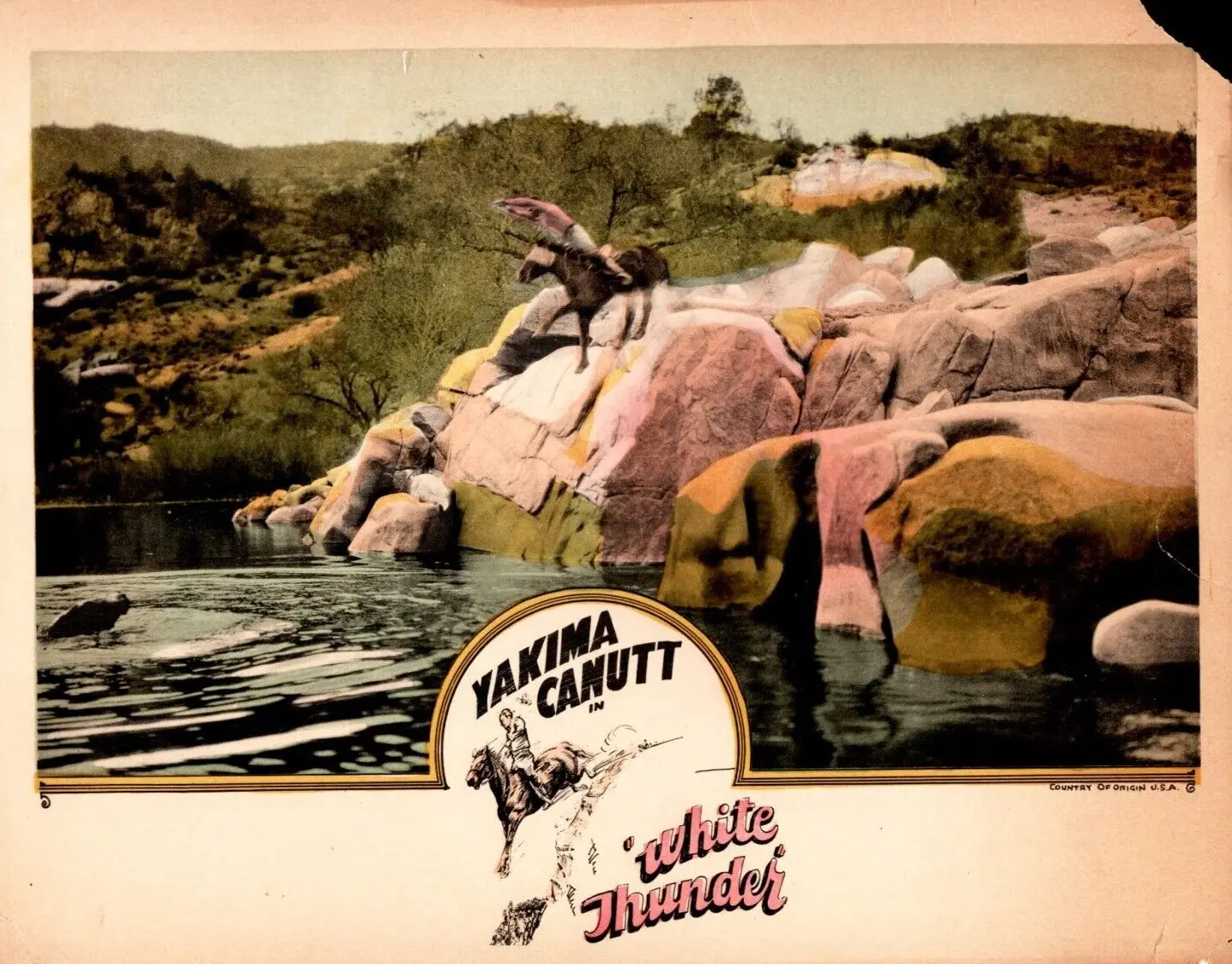
The White Rider's true identity is a revelation that comes at the film's climax. Chick, the seemingly effeminate and uninterested son, is the man behind the mask. This twist is not just a surprise but a revelation that transforms the narrative. It challenges the audience's expectations and forces them to re-evaluate the characters and the story. The film's pacing is impeccable, leading up to this moment with a build-up of tension and intrigue.
At its core, White Thunder is a film about identity, the struggle for justice, and the power of transformation. The film explores how Chick's effeminate nature is not a weakness but a strength, and how it ultimately serves as a means to an end. The film also touches on themes of community and the importance of unity, as the warring factions come together in the face of a common enemy. The film's tone is a mix of drama, action, and mystique, making it a unique and engaging viewing experience.
The film's atmosphere is chilling, with a sense of foreboding that permeates every scene. The cinematography, by Lew Meehan, is meticulous, capturing the harsh, unforgiving landscape of the American West with a stark and brutal beauty. The film's use of light and shadow creates a moody and atmospheric environment that enhances the sense of tension and drama. The music, while not heavily featured, adds to the film's atmosphere, with a blend of classical and Western instrumentation that underscores the film's themes and emotions.
In conclusion, White Thunder is a bold and compelling story that challenges traditional Western narratives. It is a film that is not afraid to subvert expectations and explore complex themes. The performances, particularly that of William H. Turner, are standout elements, and the film's pacing and tone are masterfully crafted. While the film may not be for everyone, it is a must-see for those who appreciate a well-told story that is both entertaining and thought-provoking. White Thunder is a film that leaves a lasting impression, and its unique blend of genres and themes make it a standout in the Western genre.
In a world where Westerns often rely on familiar tropes and formulaic storytelling, White Thunder stands out as a unique and engaging film. It is a testament to the power of a well-told story that is both entertaining and thought-provoking. Whether you are a fan of Westerns or simply a lover of well-crafted narratives, White Thunder is a film that is worth your time.
IMDb —
1919
Community
Log in to comment.