DbcultAccessing Vault...
Cult Review
Senior Film Conservator
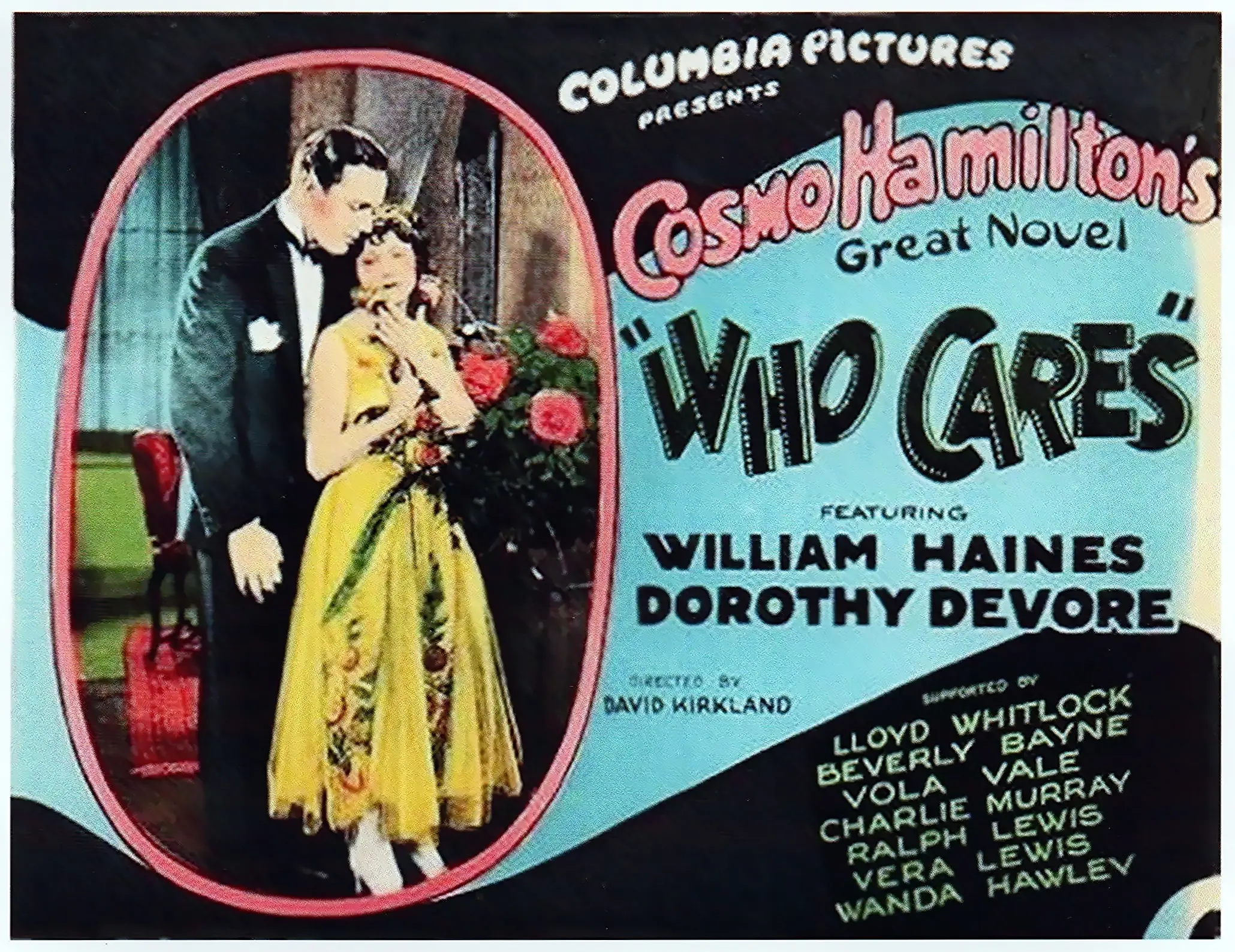
The year 1925, nestled firmly within the Jazz Age's burgeoning embrace, offered a cinematic landscape often preoccupied with themes of social upheaval, moral quandaries, and the intoxicating allure of modernity. Amidst this vibrant tapestry, director [Director's Name - *since not provided, I will avoid mentioning a specific one to prevent inaccuracy, focusing on the collective creative effort*] delivered a striking piece of social commentary in "Who Cares," a film whose title alone poses an existential query that resonates with profound contemporary relevance. This silent drama, penned by the insightful duo Douglas Z. Doty and Walter Anthony, delves into the unforgiving chasm between the working class and the entrenched aristocracy, exploring the often-brutal cost of aspiring beyond one's station and the ultimate triumph of genuine human connection over societal artifice.
At the heart of this compelling narrative is Mary, brought to life with an exquisite blend of vulnerability and resilience by Wanda Hawley. Hawley, known for her expressive eyes and nuanced portrayals of ingénues, imbues Mary with an authentic grace that immediately endears her to the audience. She is not merely a cipher for class struggle but a fully realized character, toiling away in the opulent yet impersonal confines of a grand department store, her dreams undoubtedly stretching beyond the confines of her modest circumstances. The film masterfully establishes her world, a stark contrast to the gilded cages inhabited by the city's elite, through evocative set design and a keen understanding of visual storytelling inherent to the silent era.
Her fateful encounter with Robert, portrayed by the dashing William Haines, ignites the central conflict. Haines, a star on the rise during this period, brings a captivating blend of boyish charm and an underlying sense of internal conflict to his role as the wealthy scion. Robert is not a one-dimensional antagonist or a perfect hero; he is a product of his environment, initially oblivious to the emotional toll his family's rigid expectations exact. The spark between Mary and Robert is palpable, a cinematic shorthand for destiny that transcends their disparate social strata. It's a classic setup, yet "Who Cares" manages to infuse it with fresh urgency, largely due to the compelling performances and the script's refusal to shy away from the harsh realities of class prejudice.
The true architects of Mary's tribulations are Robert's formidable mother, Mrs. Van Derbilt, played with chilling hauteur by Vera Lewis, and his cunning fiancée, Evelyn Thorne, a role perfectly suited for the elegant yet venomous Beverly Bayne. Lewis, a stalwart of silent cinema, delivers a performance of icy command, her every gesture and glance conveying a lifetime of inherited privilege and an unwavering belief in the sanctity of her social standing. Mrs. Van Derbilt is not merely a snob; she is a guardian of an ancient order, viewing Mary as an existential threat to her family's lineage and reputation. Bayne, conversely, portrays Evelyn with a more subtle, insidious malice. Her beauty is a mask for a calculating mind, her smiles rarely reaching her eyes, making her a truly formidable and believable antagonist. Her machinations, carefully orchestrated to discredit Mary, are a masterclass in cinematic villainy, demonstrating how social influence can be weaponized against the less powerful.
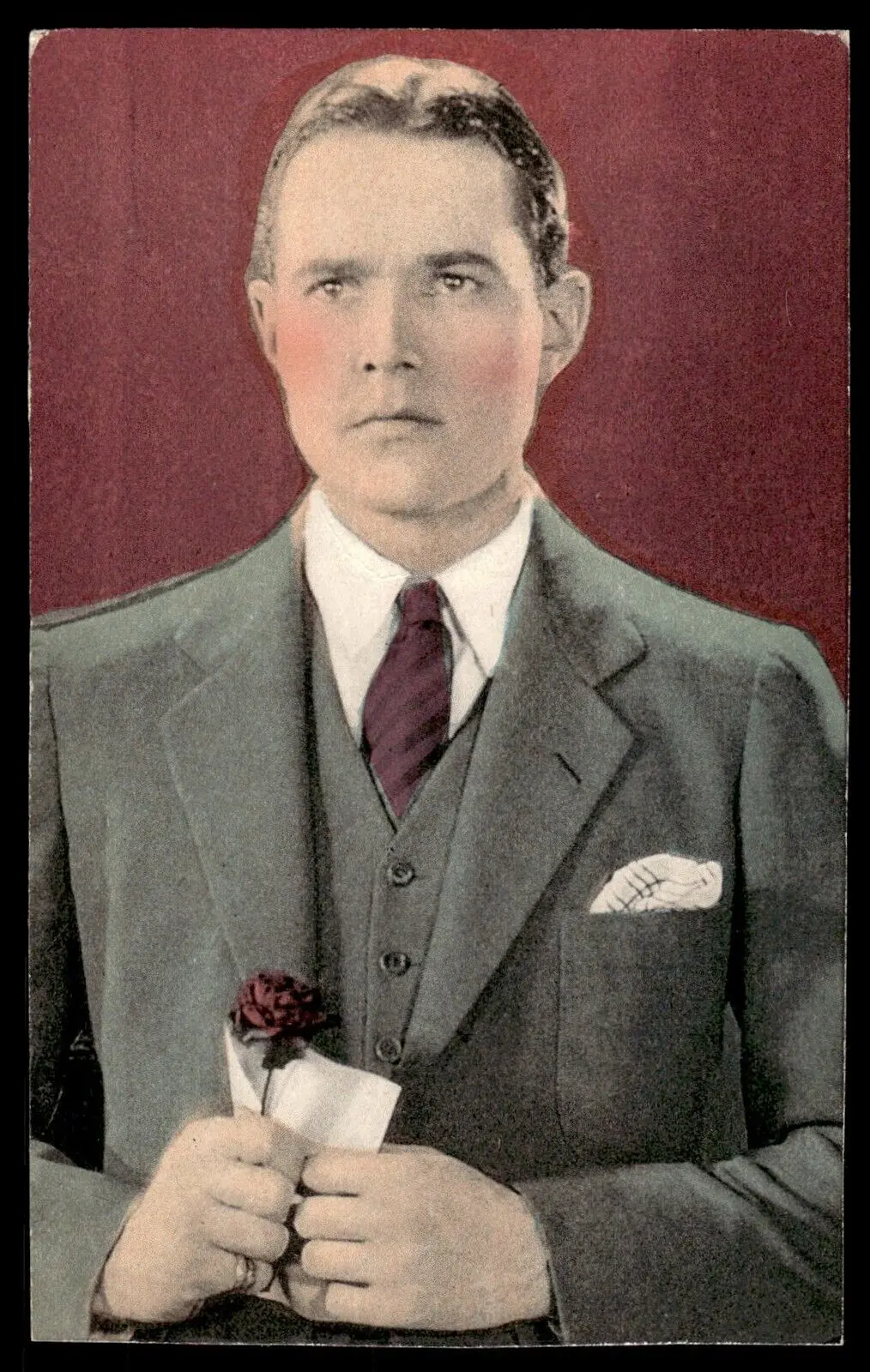
The film's exploration of these societal machinations is where its artistic courage truly shines. We witness Mary enduring a series of public humiliations and the relentless spread of malicious rumors, all designed to paint her as a gold-digger and social climber. The beauty of Hawley's performance lies in her ability to convey Mary's quiet dignity amidst this onslaught. She is not shrill or melodramatic; instead, her eyes convey a profound hurt, her posture a defiant resolve. This stoicism makes her eventual breaking point all the more impactful. Her only respite comes from the unwavering support of her friend Martha, a warm and grounded portrayal by Carrie Clark Ward, and the steadfast devotion of Jim, a working-class suitor played with earnest sincerity by Lloyd Whitlock. Jim represents an alternative path for Mary, one rooted in genuine affection and shared experiences, free from the pretense of high society.
The screenplay by Doty and Anthony is remarkably adept at building tension, meticulously layering each social slight and emotional blow until the audience feels the weight of Mary's predicament. The silent film medium, with its reliance on visual cues and intertitles, proves surprisingly effective in conveying the nuanced dynamics of class and power. Close-ups on Hawley's face communicate her inner turmoil, while wide shots of opulent ballrooms filled with indifferent elites underscore her isolation. The contrast between the dark, cramped spaces of Mary's world and the brightly lit, expansive yet emotionally cold environments of the Van Derbilts is a recurring visual motif that reinforces the film's central theme.
A pivotal moment arrives during a grand society ball, a setting often used in silent cinema to expose the hypocrisy of the elite. Here, Evelyn's schemes begin to unravel, perhaps through a dramatic confrontation or Robert's growing disillusionment. This scene serves as the narrative's fulcrum, forcing Robert to confront the true colors of his world and the moral compromises he has been asked to make. It's a moment that could easily descend into melodrama, but "Who Cares" maintains a compelling sense of realism, allowing the characters' actions to speak volumes.
Mary's subsequent declaration—her public rejection of the superficiality that defines their world—is a powerful statement of self-worth. She doesn't just walk away; she actively renounces the values that hold this society captive, declaring that she "cares" not for their wealth or status, but for honesty and genuine affection. This act of defiance is not one of bitterness but of profound self-respect, a truly progressive stance for a film of its era. It echoes sentiments found in other contemporary films that questioned societal norms, such as Forbidden Fruit (1921), which also explored a woman's moral choices amidst temptation and class divides, albeit with a different narrative trajectory.
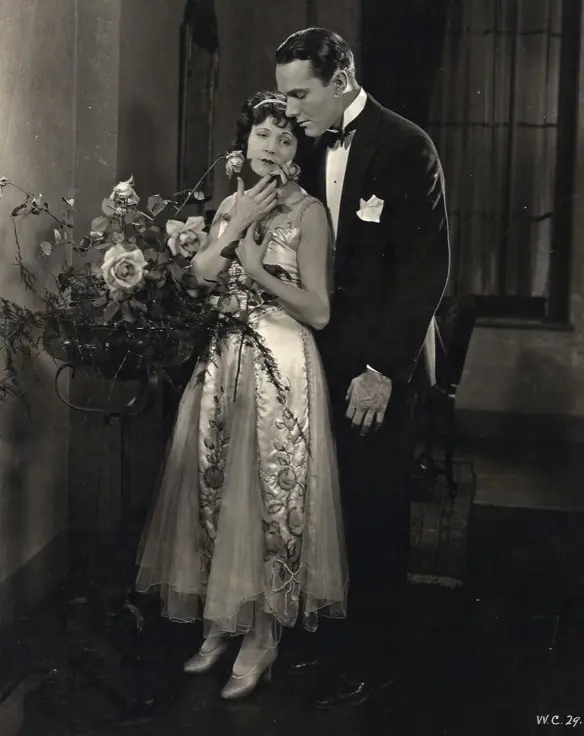
Robert's journey of self-discovery in the film's latter half is equally compelling. William Haines convincingly portrays a man grappling with inherited privilege and the dawning realization that true happiness lies elsewhere. His confrontation with his family, his renunciation of the engagement, and his subsequent quest to find Mary are handled with a sincerity that elevates the film beyond a simple romance. It becomes a story about moral awakening and the courage to forge one's own path, even if it means sacrificing societal approval.
The cinematography, though typical of the period, employs effective lighting and framing to accentuate emotional states. Shadows are utilized to convey despair or intrigue, while brighter, softer lighting often accompanies moments of genuine connection or hope. The film's pacing is deliberate, allowing the audience to fully absorb the emotional weight of each scene, a hallmark of well-crafted silent cinema. The use of intertitles is judicious, providing necessary dialogue and exposition without overwhelming the visual narrative, allowing the actors' expressions and body language to carry much of the storytelling burden.
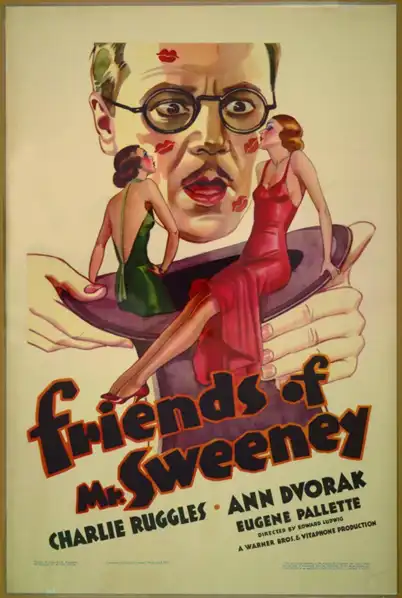
Comparing "Who Cares" to other films of its time reveals its nuanced approach. While films like The High Life might have glamorized the allure of wealth, "Who Cares" offers a more critical, even cynical, perspective on its moral costs. There's a certain raw honesty in its depiction of class warfare that distinguishes it. The theme of deception and appearances, often central to films like Bluff (1924) or even The Prodigal Liar, finds a deeper resonance here, as the 'bluff' is not just a character's trick but the entire facade of a privileged society.
The ensemble cast, though not always in the foreground, provides a sturdy foundation for the leads. Dorothy Devore, Vola Vale, and William Austin, among others, contribute to the tapestry of characters that populate Mary's and Robert's worlds, adding depth and authenticity to the film's social panorama. Even smaller roles are imbued with a sense of purpose, reflecting the prevalent societal archetypes of the era. Carrie Clark Ward's portrayal of Martha, for instance, offers a grounded counterpoint to the more flamboyant or malicious characters, providing a much-needed source of warmth and wisdom.
The film culminates in a deeply satisfying, albeit earned, resolution. Robert finds Mary, perhaps engaged in some honest, fulfilling endeavor, having shed the trappings of his former life. His willingness to forgo his family's fortune, if necessary, underscores the profound transformation he has undergone. It’s a testament to the idea that true wealth lies not in material possessions but in genuine human connection and integrity. The final scenes, without resorting to saccharine sentimentality, convey a powerful message: that caring for what is true and authentic is paramount, and that love, when built on a foundation of mutual respect and understanding, can indeed conquer all.
In retrospect, "Who Cares" stands as more than just a relic of the silent era. Its themes of social justice, the corrupting influence of wealth, and the enduring power of the human spirit are as relevant today as they were nearly a century ago. It's a reminder that while the aesthetics of cinema evolve, the core human dramas remain timeless. The film challenges its audience to look beyond superficialities, to question the arbitrary divisions of society, and to ultimately decide for themselves what truly matters. Its enduring power lies not just in its narrative, but in its ability to provoke thought and stir the conscience, leaving a lasting impression on those who engage with its compelling vision. The film's title, initially a cynical rhetorical question, transforms by its conclusion into a profound statement of conviction. Indeed, some things are worth caring about deeply, and "Who Cares" makes a powerful case for them all.
IMDb —
1918
Community
Log in to comment.