DbcultAccessing Vault...
Cult Review
Senior Film Conservator
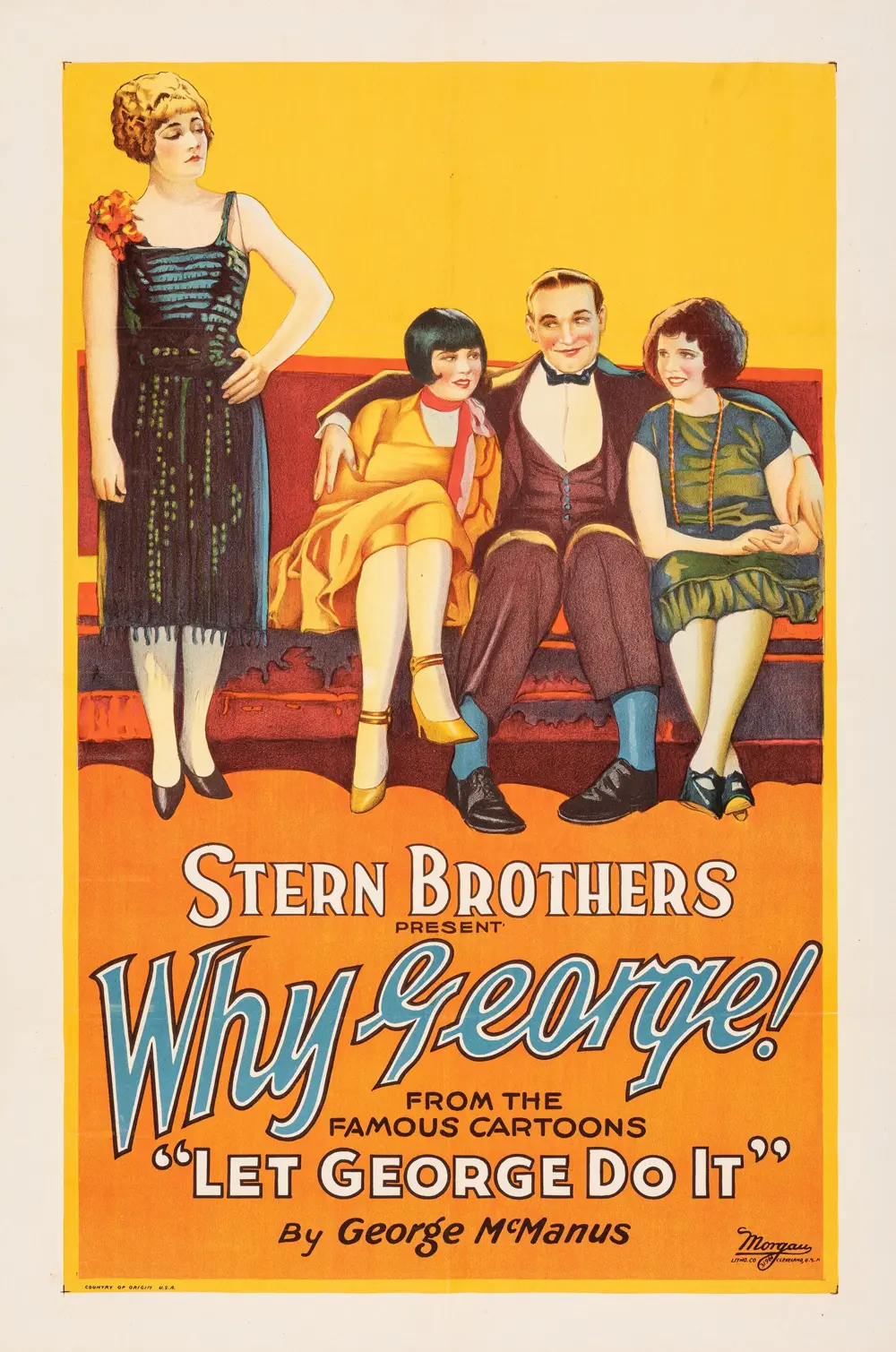
Is a 1918 silent comedy about mistaken identity and a rigged boxing match worth watching in the cacophony of 2024? Short answer: yes, but with significant caveats. This film is a delightful, if fleeting, glimpse into the foundational humor of early cinema, particularly for those with an appreciation for slapstick and the sheer ingenuity of silent storytelling. It is absolutely for film historians, silent film enthusiasts, and anyone curious about the roots of comedic tropes still prevalent today. This film is decidedly NOT for viewers seeking complex narratives, deep character development, or high-budget spectacle; it is a simple, straightforward romp.
This film works because of its unpretentious commitment to a singular, absurd premise, executed with the directness characteristic of its era. It fails because its comedic beats, while historically significant, can feel rudimentary to a modern palate, lacking the sophisticated layering contemporary audiences expect. You should watch it if you want to understand the lineage of physical comedy and appreciate the raw, unadulterated joy of a well-executed gag.
'Why George!' thrives on a comedic engine fueled by mistaken identity, a trope as old as theater itself, yet here, it feels fresh in its silent incarnation. The setup is elegantly simple: a timid professor, George, versus his brawny, pugilist twin. This duality, expertly handled by Syd Saylor, is the film's beating heart. The initial conflict, where a bully targets the twin but mistakenly assaults George, sets off a chain reaction of escalating absurdity.
What makes this particular iteration of the twin trope compelling is its lack of self-seriousness. The film never tries to be anything more than a vehicle for laughs, and it succeeds admirably within those confines. The escalation from a street brawl to a professional boxing match is a testament to the era's lean, efficient storytelling. There's no wasted motion, no extraneous subplots; every scene serves to propel George closer to his ridiculous predicament.
The humor, while broad, is remarkably effective. The visual gags, particularly George’s desperate attempt to 'pad' himself with sponges, are pure silent film gold. It’s a physical comedy masterpiece in miniature, demonstrating how much can be conveyed without a single spoken word. The film's pacing, though rapid, allows each gag to land without feeling rushed, a delicate balance that many early comedies struggled to achieve. It’s a masterclass in comedic escalation, where each consequence of the initial mix-up pushes George further into an inescapable, hilarious corner.
Syd Saylor, in his dual role as George and his unnamed pugilist brother, is the undeniable anchor of this film. His performance is a fascinating study in silent acting, showcasing a clear distinction between the two siblings through posture, facial expression, and movement. As the professor, Saylor embodies a scholarly fragility, his shoulders hunched, his movements hesitant. This contrasts sharply with the twin's swaggering confidence, a primal force of nature.
The transformation Saylor undergoes is not just physical but almost spiritual. It’s a testament to his range that he can convincingly portray both the meek scholar and the intimidating fighter, often within moments of each other, creating a dynamic that is both humorous and surprisingly nuanced for a film of its time. The scene where the bully first encounters the twin, mistaking him for the timid George, is a brilliant showcase of Saylor's ability to switch personas, delivering a satisfyingly brutal, yet comedic, comeuppance.
Saylor’s performance is the linchpin, elevating what could have been a simple gag into something genuinely engaging. He doesn't just play two characters; he plays two archetypes that clash perfectly for comedic effect.
The supporting cast, while less prominent, fulfills their roles with the exaggerated expressions and gestures typical of the era. Bartine Burkett, though not given extensive screen time, adds a touch of charm, often serving as a silent witness to the unfolding chaos. Colin Chase, as the bully, is suitably menacing and then comically humiliated, a role that requires little more than broad strokes but is delivered with gusto. The ensemble understands the assignment: facilitate Saylor’s comedic brilliance and ensure the gags land.
George McManus, primarily known as a cartoonist, directed 'Why George!', and his visual storytelling background is evident in the film's clear, almost panel-like construction of gags. The direction is straightforward and functional, prioritizing clarity and comedic timing over stylistic flourishes. This isn't a film that strives for the artistic grandeur of a D.W. Griffith epic like The Birth of a Nation or the intricate character studies of a Chaplin. Instead, McManus crafts a series of well-framed, easily digestible comedic vignettes.
The cinematography, while basic by today's standards, is remarkably effective for its time. Shots are often static, allowing the actors and the physical comedy to dominate the frame. There's a deliberate choice to keep the action front and center, ensuring that the audience doesn't miss any of the visual gags. The camera acts almost as an impartial observer, letting the absurdity unfold naturally. The scene where George is knocked into the water bucket, for instance, is captured with a wide enough shot to show the full impact and the immediate, comical consequence of the expanding sponges.
Pacing is another strength. The film moves with a brisk, almost breathless energy, typical of short comedies designed to entertain without lingering. There's an efficiency to the storytelling that prevents any moment from overstaying its welcome. The tone is consistently lighthearted and farcical, never veering into genuine drama or tension. Even the boxing match, despite its inherent danger, is played for laughs, underscoring the film's unwavering commitment to comedy. It’s a simple film, yes, but its simplicity is its strength, allowing its core comedic ideas to shine without distraction.
Beneath the surface of its slapstick humor, 'Why George!' subtly explores themes of identity, perception, and the unexpected resourcefulness of the meek. George, the timid professor, is constantly defined by his twin's prowess, a burden he carries until circumstances force him to confront it. The film playfully suggests that identity is often a matter of perception; the bully sees George as weak until he faces the twin, and later, the boxing world sees George as a challenger, albeit one he’s ill-equipped to be.
The deception – George's use of sponges – is not just a comedic device but a commentary on how intellect and cunning can overcome brute force. It's a classic underdog story, albeit one with a uniquely silly twist. George doesn't win through traditional strength but through an ingenious, almost Rube Goldberg-esque solution. This subversion of expectations, where the brainy, non-fighter triumphs through a bizarre scientific principle (sponges expanding in water), is surprisingly subversive for a film of this era.
This film, in its own unassuming way, champions the idea that wit can be a more powerful weapon than fists. It’s a surprisingly poignant, if accidental, message embedded within a purely comedic framework. I found this particular aspect of the film to be its most enduring, a quiet nod to the power of the unconventional. It’s not just about a laugh; it’s about a little guy finding his absurd way to win. It works. But it’s flawed.The film also touches upon the idea of societal roles and expectations. George is expected to be a scholar, his twin a fighter. The comedy arises from the violent disruption of these roles. It’s a simple observation, but one that resonates even today in how we pigeonhole individuals based on appearance or perceived ability. The film, without ever being preachy, uses humor to poke fun at these rigid categorizations.
Pros and Cons
- Pros:
- Excellent dual performance by Syd Saylor, showcasing impressive comedic range.
- Ingenious and genuinely funny central gag (sponges in the shirt).
- Fast-paced and efficient storytelling, typical of early silent comedies.
- Provides a valuable historical look at the origins of physical comedy.
- The climactic boxing scene is a masterclass in silent comedic build-up and payoff.
- Cons:
- The humor, while effective, can feel dated to modern sensibilities.
- Minimal character development outside of George's central predicament.
- Production values are, understandably, basic.
- Relies heavily on a single comedic trope (mistaken identity).
- May not hold the attention of viewers unfamiliar with silent film conventions.
Key Takeaways
- Best for: Silent film enthusiasts, comedy historians, and those seeking light, historical entertainment.
- Not for: Viewers who demand modern pacing, complex narratives, or sophisticated humor.
- Standout element: Syd Saylor's compelling and hilarious dual performance, particularly his physical comedy.
- Biggest flaw: Its age makes some of the humor feel rudimentary, requiring a specific appreciation for early comedic forms.
Verdict: A Glimpse into Early Comedy
'Why George!' is more than just a relic; it's a vibrant, if brief, example of silent comedy at its most direct and effective. It reminds us that laughter is timeless, even if its delivery mechanisms evolve. While it won't resonate with everyone, for those willing to engage with its historical context, it offers genuine chuckles and a fascinating look at the foundations of cinematic humor. Syd Saylor’s performance alone makes it worth seeking out, a true highlight of early screen acting. This film stands as a testament to the power of a simple, well-executed gag, and its influence, however subtle, can be felt in countless comedies that followed. It’s not a film that demands deep philosophical contemplation, but it certainly earns its place in the annals of comedic cinema. It’s a historical curiosity with a surprising amount of punch, proving that sometimes, the silliest ideas yield the most satisfying results.
IMDb —
1919
Community
Log in to comment.