DbcultAccessing Vault...
5.5/10
Senior Film Conservator
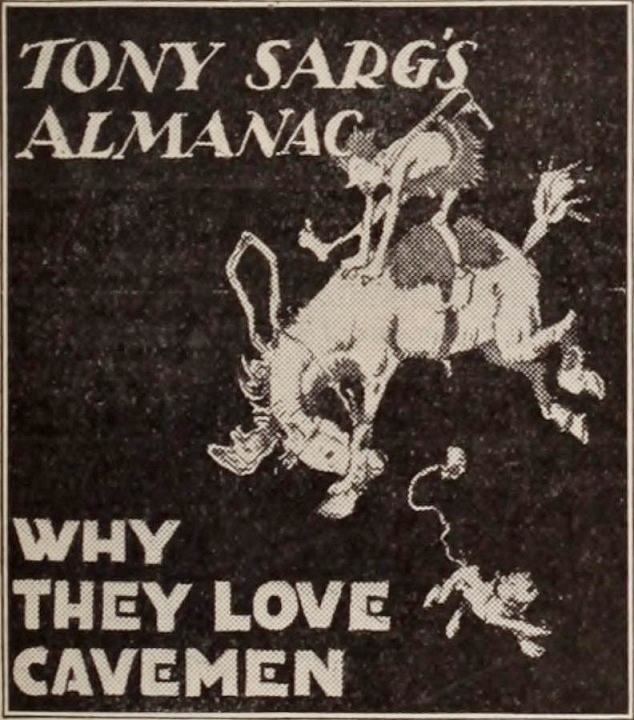
A definitive 5.5/10 rating for a film that redefined the boundaries of cult cinema. Why They Love Cavemen! remains a cornerstone of transgressive art.
In the shadow of the 1920s, when cinema was still grappling with its identity between vaudevillian antics and literary gravitas, Why They Love Cavemen! arrived as a rogue’s gallery of primal impulses and proto-futurist philosophy. This 1921 silent film, helmed by the visionary duo Tony Sarg and Herbert M. Dawley, is less a narrative than a palimpsest of human evolution, scrawled in the charcoal of slapstick and the ochre of Expressionism. To label it a ‘caveman comedy’ would be akin to calling the Pyramids a ‘sandcastle’—a profound misattribution of its ambition.
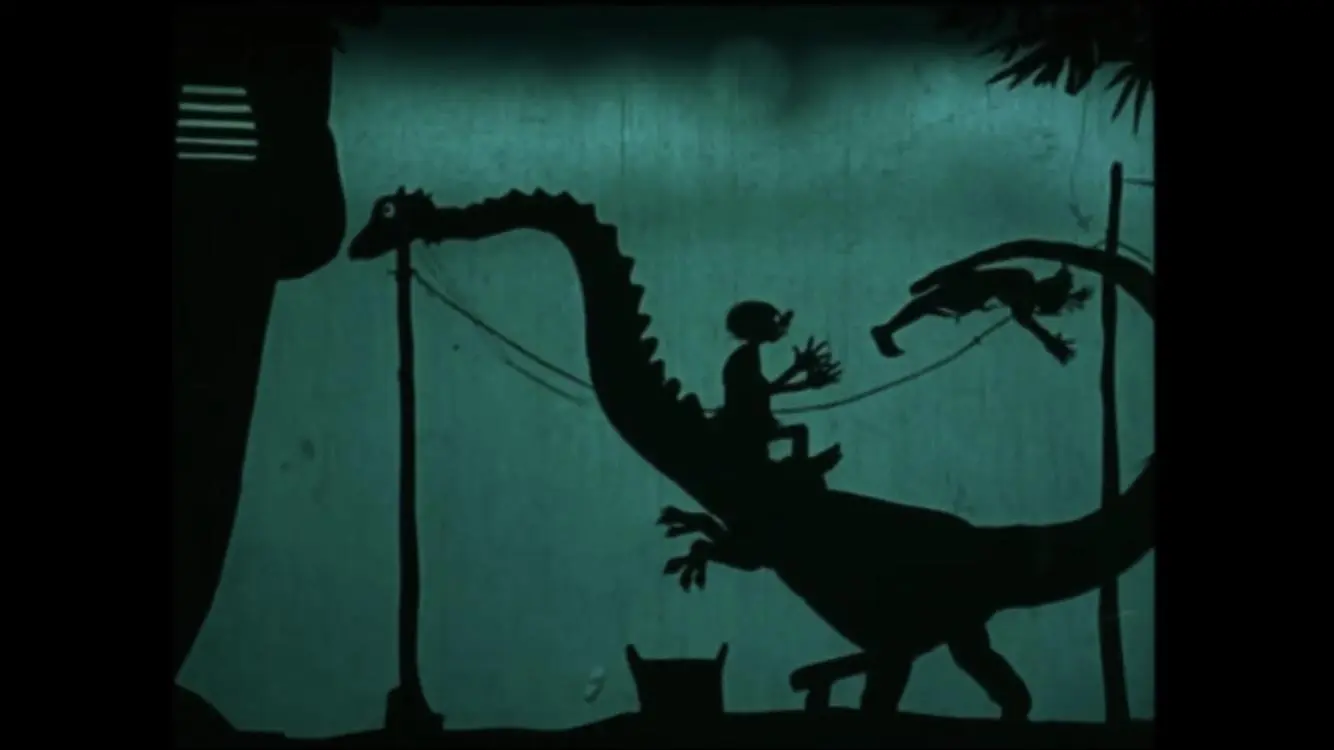
The film’s opening act is a masterclass in visual subversion. A Neanderthal, our proto-Everyman, chisels a bison mural with such fervor that the cave itself seems to breathe. This is not mere animation; it’s a tactile conversation between stone and shadow. Sarg and Dawley employ a technique they dubbed ‘palaeo-montage,’ where the clatter of a flint tool dissolves into the staccato ticking of a pocket watch, a metaphor for time’s relentless march. Such sequences echo the fragmented modernist aesthetics of The Voice of Love, yet here the fragmentation is purposeful, a mirror held up to the audience’s own fractured psyche.

Central to the film’s thesis is its deconstruction of ‘progress.’ A tribe of Homo erectus, led by a shaman who communicates via interpretive dance, faces a moral quandary: hunt a woolly mammoth for sustenance or preserve it as a symbol of their tribe’s spiritual totems. The ensuing debate, conducted entirely through pantomime and onomatopoeic sound effects (a revolutionary use of intertitles for the era), critiques the very notion of civilization’s ‘moral’ superiority. This ethical tension is later parodied in a scene where the same tribe debates whether to adopt agriculture—only for a passing meteorite to crater their fields, reducing their proto-agricultural manifesto to dust. Dawley’s script, a labyrinth of irony, suggests that humanity’s greatest inventions are often its greatest follies.
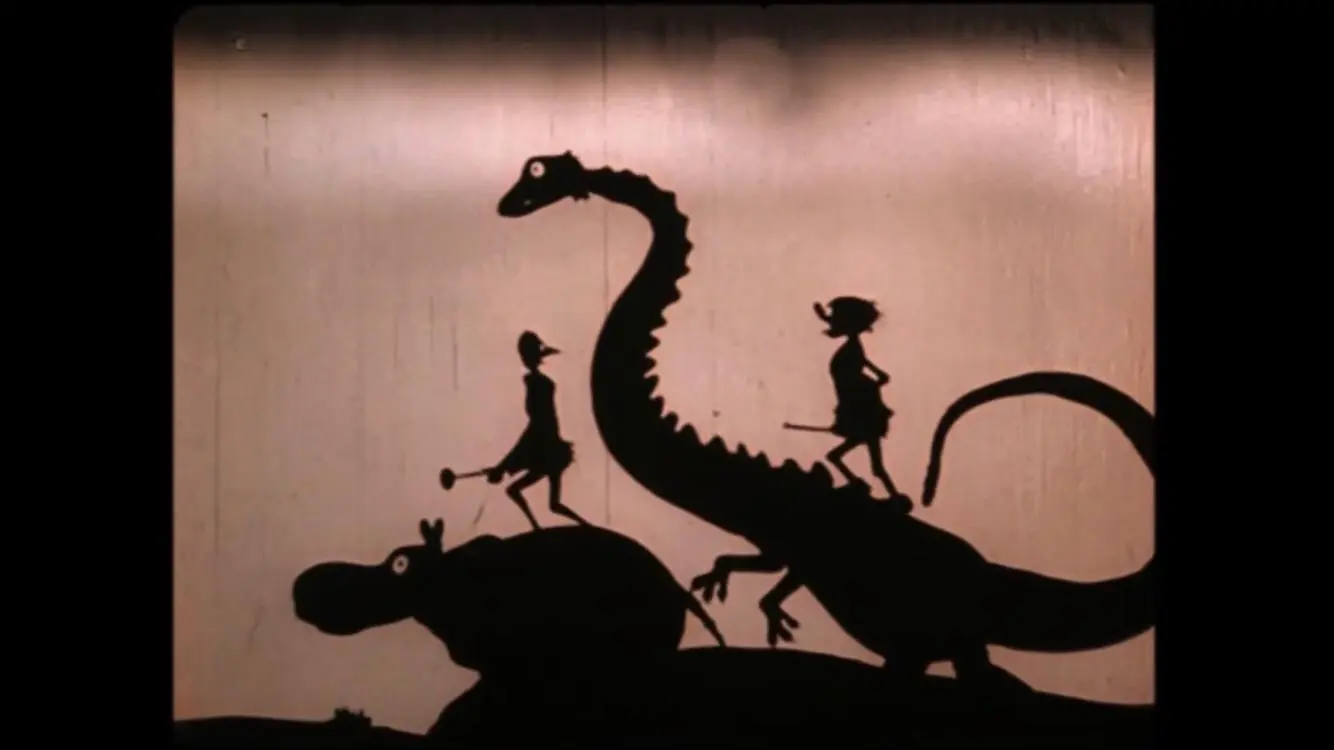
The film’s most audacious sequence occurs 32 minutes in: a cross-cutting sequence that parallels a Neolithic family’s first use of fire with a 1920s factory igniting its furnaces. The juxtaposition is not merely visual but philosophical, interrogating whether the fire of industry is any more ‘civilized’ than the fire of survival. This thematic throughline is further deepened by the film’s score, a dissonant blend of primitive percussion and modernist atonal strings. The result is a sonic equivalent of the film’s visual dichotomy—a cacophony of eras.
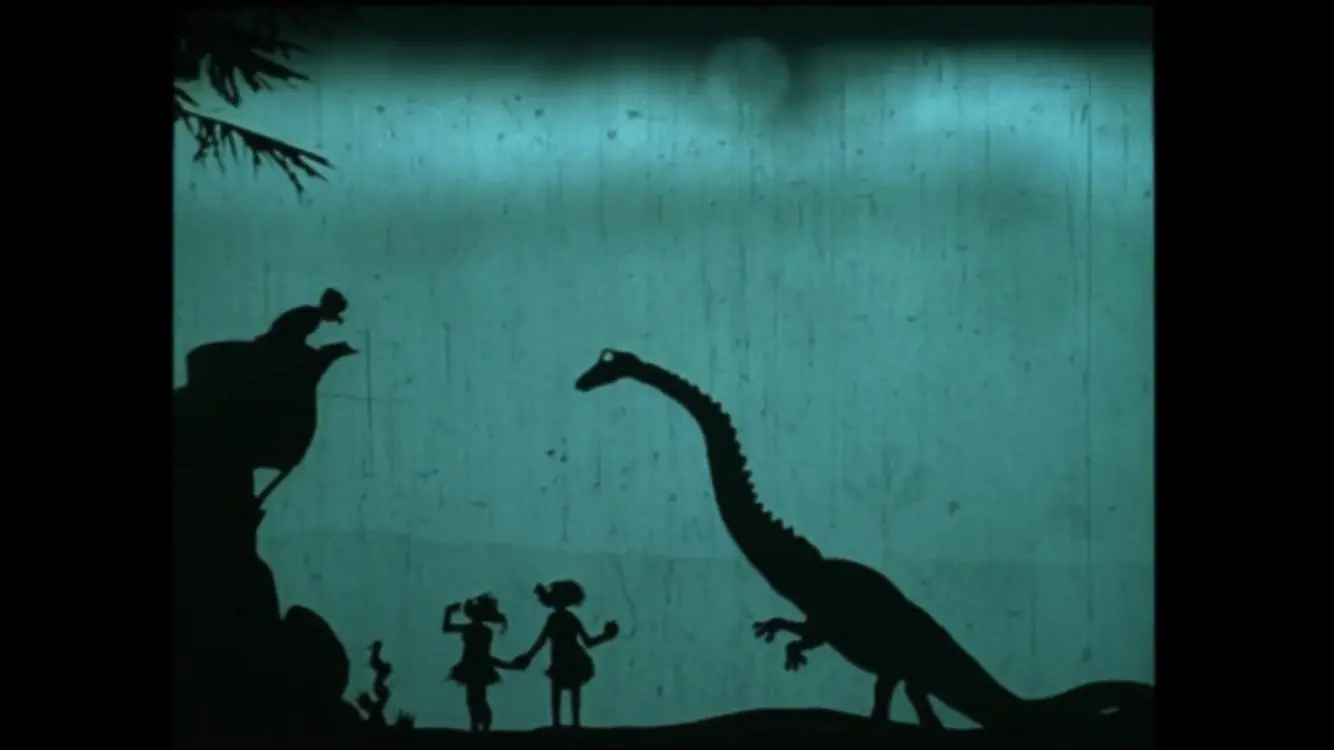
Critics at the time dismissed Why They Love Cavemen! as a ‘charcoal-stained Marx Brothers routine,’ a reductive assessment that overlooks its subversive undercurrents. The film’s true genius lies in its meta-narrative: the cavemen are not just characters but avatars of the audience, their stone tools symbolizing the 1920s viewer’s own grappling with modernity. This is particularly evident in a scene where a Homo habilis, after inventing the wheel, is ridiculed by his peers—only for the camera to pull back, revealing the 1920s set crew rolling the film’s literal wheel. The fourth-wall breach is both a joke and a lament, a nod to the fragile line between creation and obsolescence.
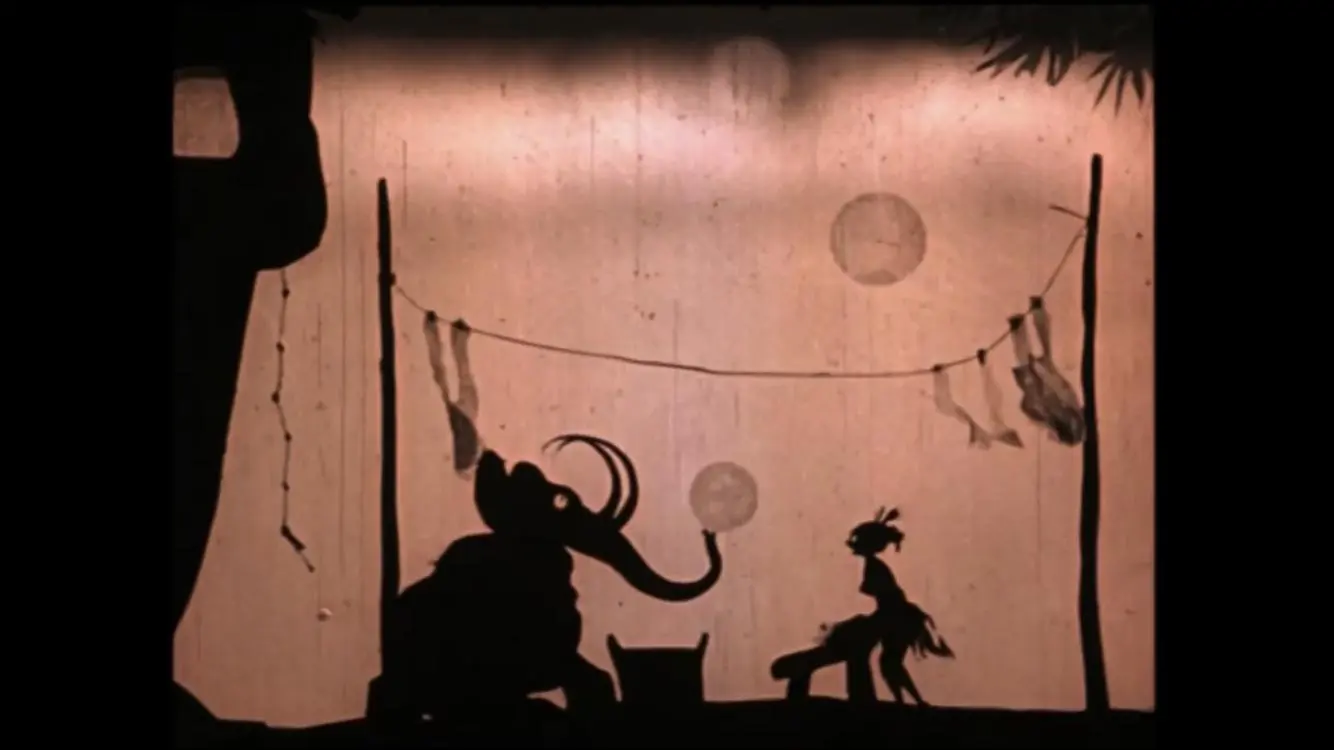
Comparisons to A Rare Bird are inevitable, given both films’ preoccupation with outsider narratives. Yet while A Rare Bird explores otherness through the lens of a misfit in a conformist society, Why They Love Cavemen! posits that all of humanity is a misfit in the grander schema of time. This existential pivot is perhaps the film’s most enduring legacy. The final act, in which the cavemen tribe is ‘discovered’ by Homo sapiens, is a haunting parable of cultural erasure. The Sapiens, armed with language and ‘advanced’ tools, dismiss the tribe’s oral histories as primitive—a clear allusion to the era’s colonialist ethos.
Technically, the film is a marvel. Sarg’s use of chiaroscuro in the cave sequences creates a chiaroscuro of epochs, where the flicker of firelight becomes a metaphor for the duality of enlightenment and ignorance. Dawley’s direction of the ‘Great Migration’ scene—a mass exodus of Homo erectus triggered by a volcanic eruption—is a tour de force of early special effects. The eruption, rendered in stop-motion with a level of detail that would make Willis O’Brien blush, is both a natural disaster and a rebirth, the ash fertilizing the ground for future civilizations.
The film’s weakest link, arguably, is its secondary characters. The tribe’s ‘idiot savant’ (a trope that, even in 1921, feels uncomfortably reductive) and the love-interest Neolithic woman, whose only trait is her proficiency in bone flutes, are underdeveloped. These characters serve more as narrative placeholders than fleshed-out beings, a shortcoming that modern audiences might find jarring. However, this is balanced by the film’s bold willingness to challenge its own conventions—most notably in a subversive twist where the ‘idiot savant’ is revealed to be a time-traveling philosopher from a future where humanity has achieved post-scarcity, thus deconstructing the very notion of ‘primitiveness’.
In terms of legacy, Why They Love Cavemen! foreshadows the themes of Princess of the Dark, though with a more satirical edge. Both films grapple with power dynamics and the cyclical nature of history, but while Princess opts for a mythic fatalism, Why They Love Cavemen! leans into absurdist hope. The closing shot—a child cave-painting a self-portrait, the image dissolving into the logo of the film’s distributor—serves as a meta-commentary on art’s role in both reflecting and shaping civilization.
For contemporary viewers, the challenge lies in parsing the film’s intentional ambiguities. Is the cavemen’s ‘progress’ a tragedy or a triumph? Is the audience meant to laugh at the tribespeople’s antics or weep for their inevitable oblivion? These questions are left deliberately unanswered, a testament to Sarg and Dawley’s refusal to pander to easy moralizing. In this, the film anticipates the ethical complexity of later directors like Going Straight’s George Fitzmaurice, though with a more subversive tone.
Ultimately, Why They Love Cavemen! is a time capsule of its era—a silent film that speaks volumes about the 1920s’ anxieties and aspirations. Its charm lies not in its answers, but in the questions it dares to ask, framed in the universal language of stone, ash, and fire. To watch it is to stand at the crossroads of evolution, where every step forward is a step away from something we’ll never fully understand. In an age obsessed with digital perfection, this analog relic reminds us that cinema, at its best, is a cave painting of our collective soul.

IMDb —
1910
Community
Log in to comment.