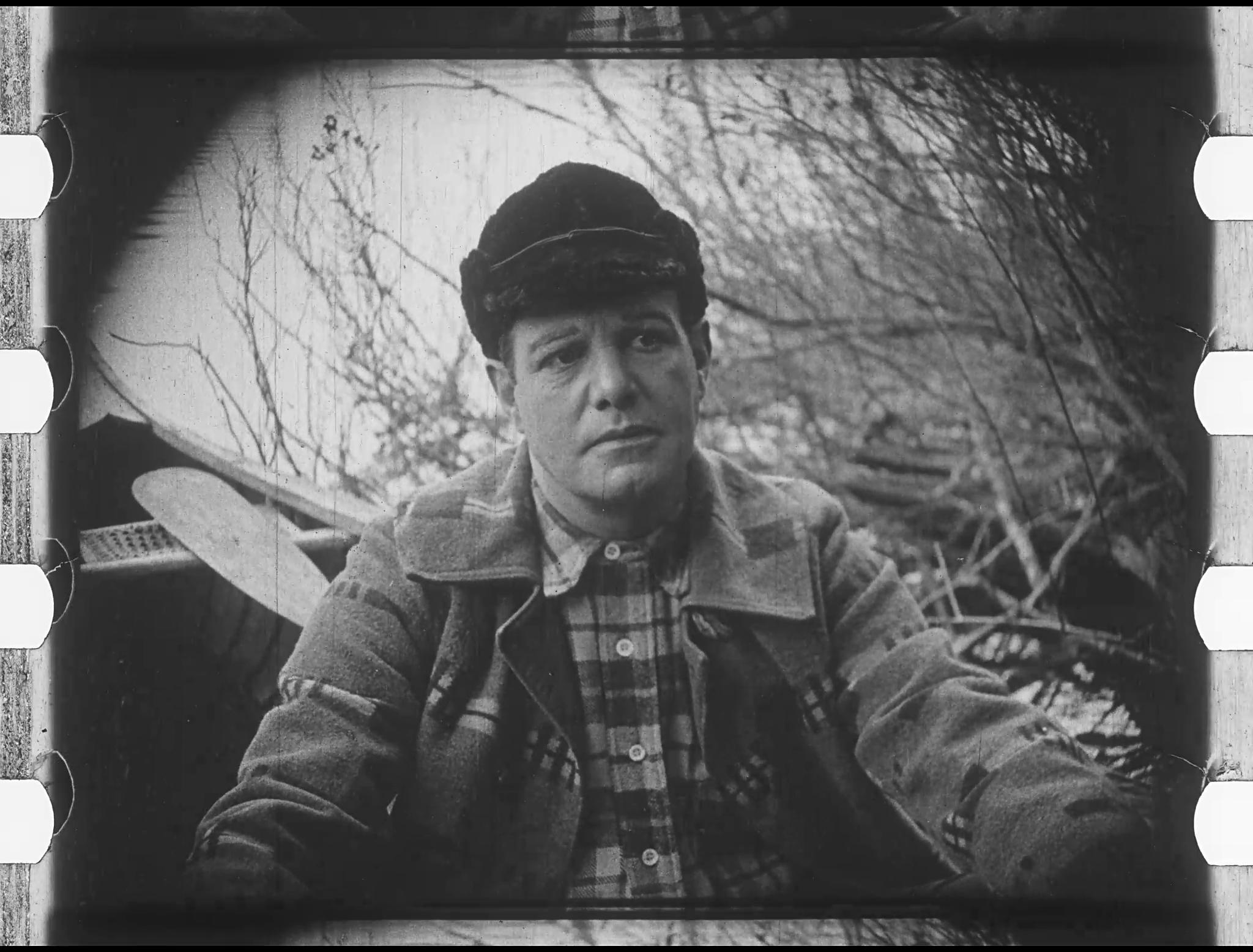
Desperate for money, a rancher decides to trap and sell wild horses, using barbed wire. The local Navajo tribe tries to persuade him not to do it.
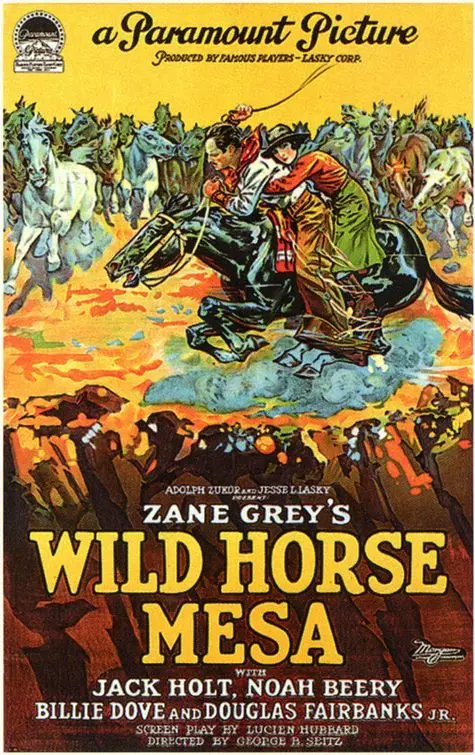
body { background-color: #000; } p { color: #fff; }In the rugged and unforgiving landscape of the American West, a rancher, beset on all sides by financial hardship, makes a fateful decision that sets in motion a chain of events that will irrevocably alter the trajectory of his life and the lives of those around him. T...
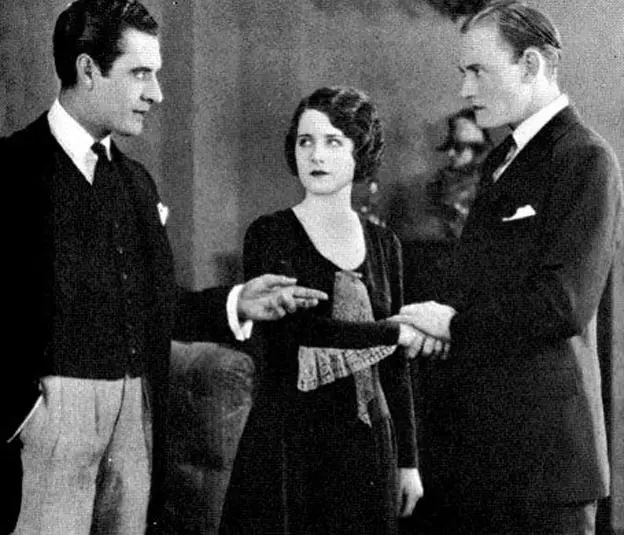
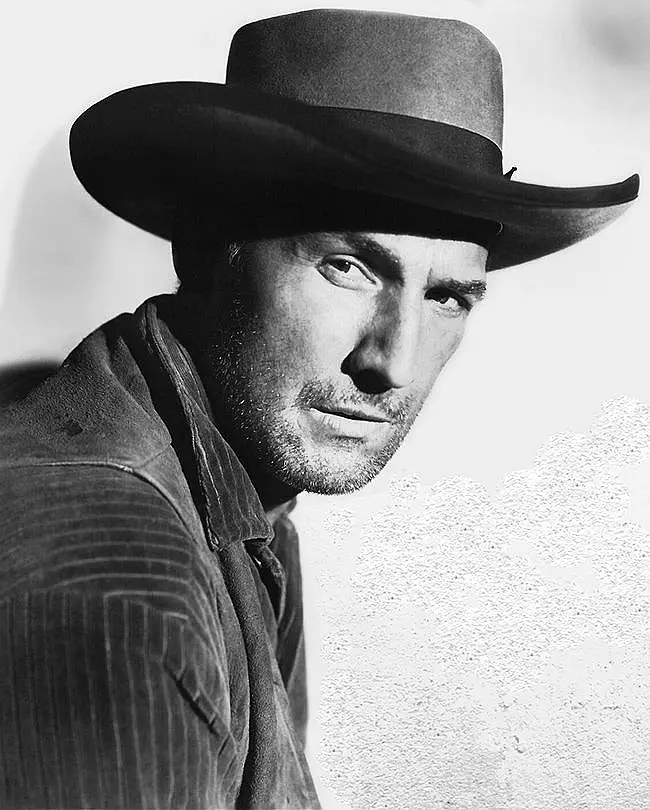
still_frame
still_frame
still_frame
Comparing the cinematic DNA and archive impact of two defining moments in cult history.
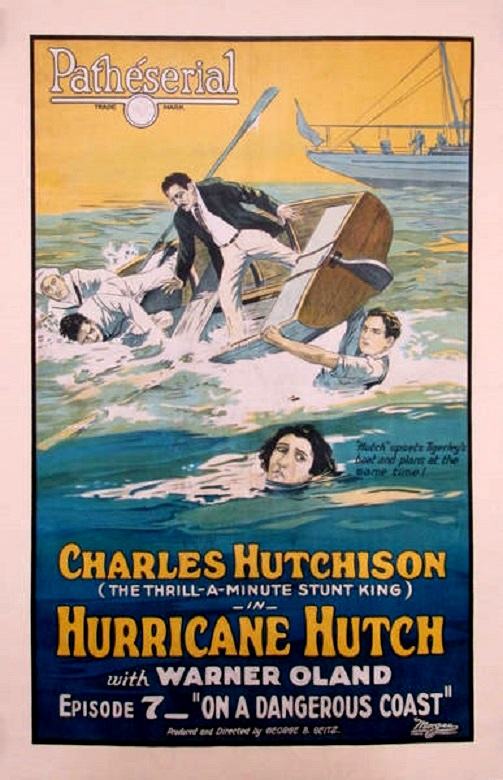
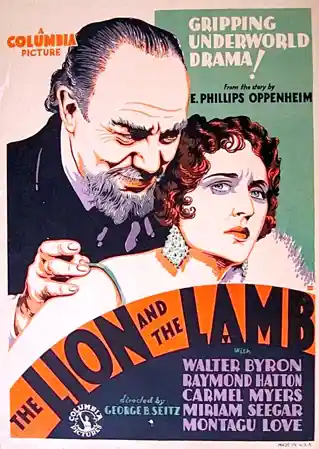
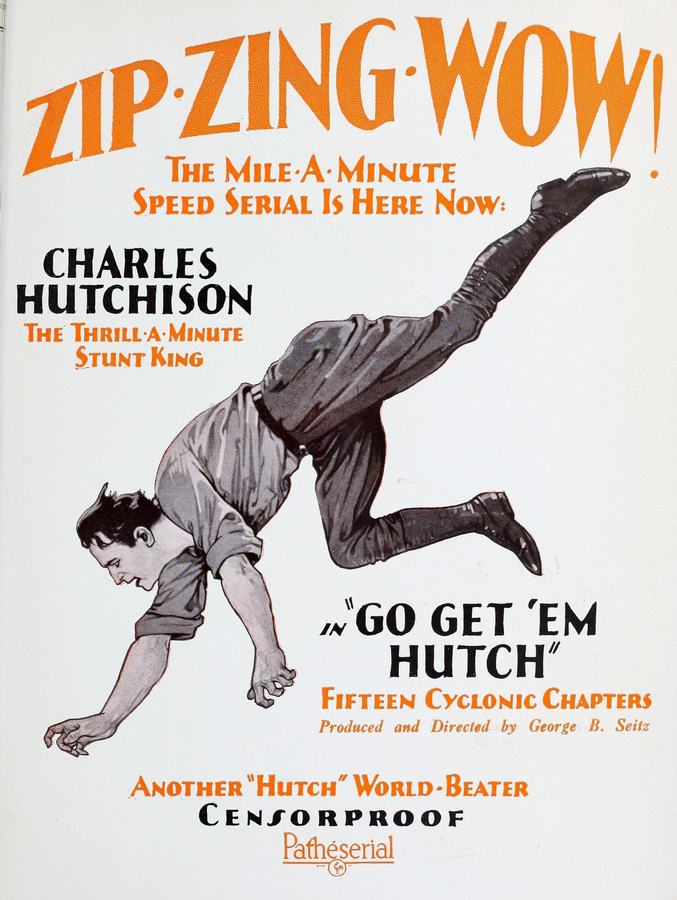
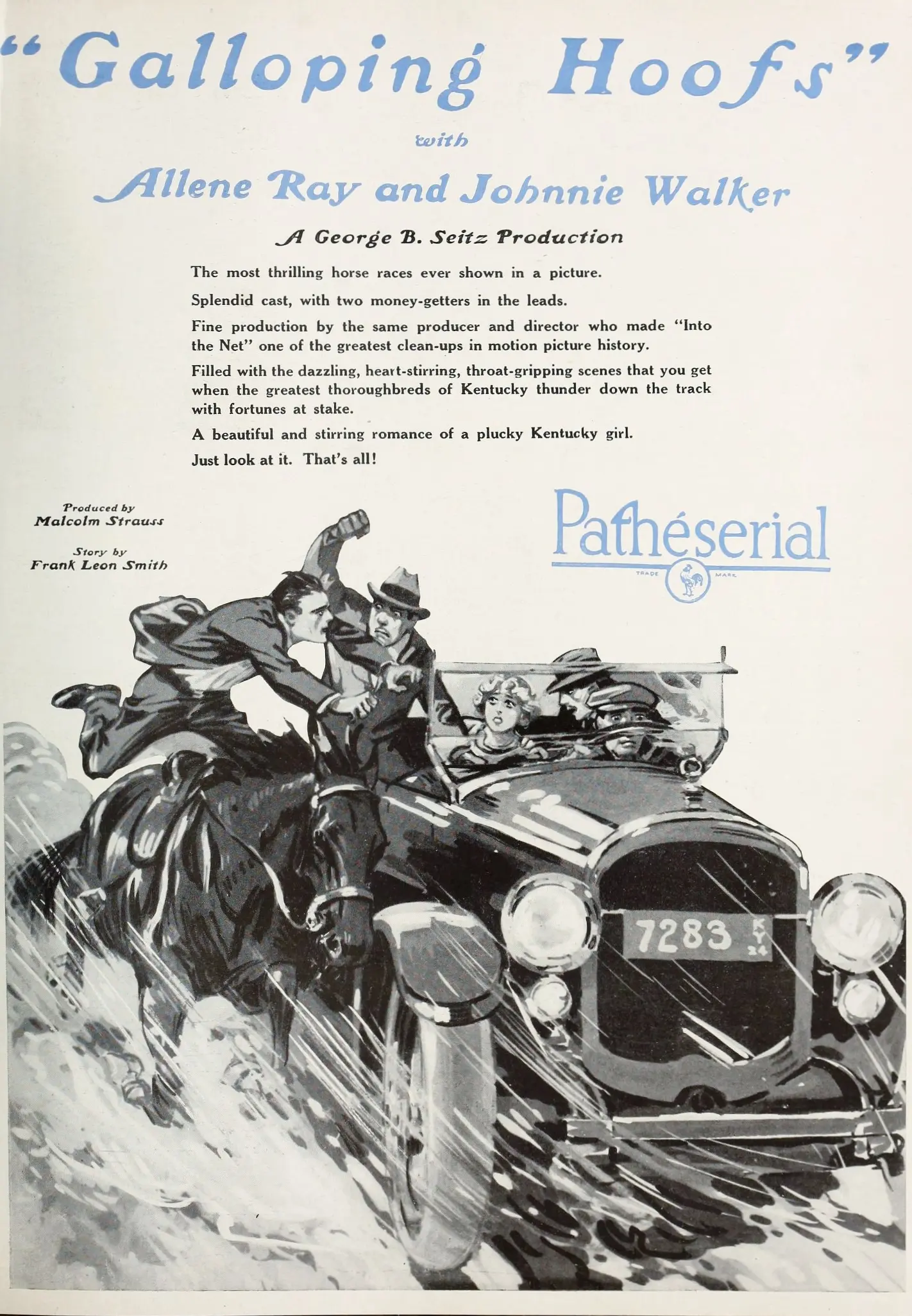
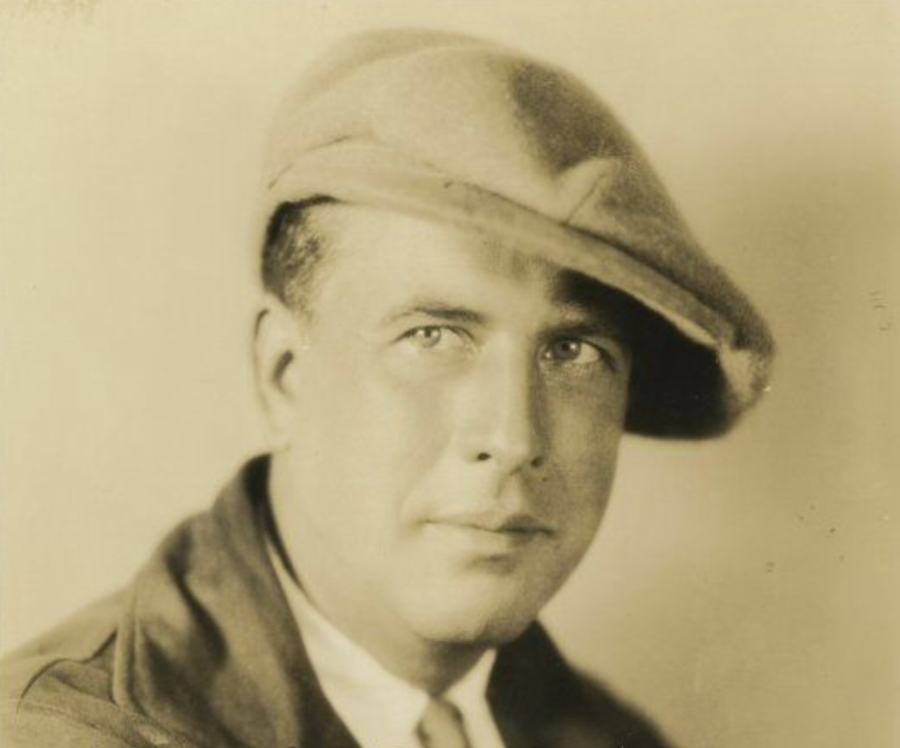
George B. Seitz
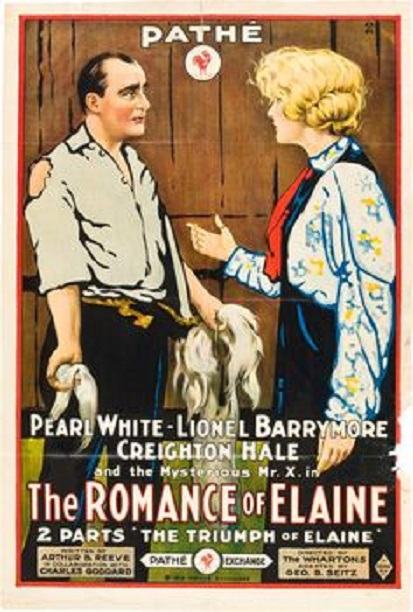
George B. Seitz
Community
Log in to comment.
"body { background-color: #000; } p { color: #fff; }In the rugged and unforgiving landscape of the American West, a rancher, beset on all sides by financial hardship, makes a fateful decision that sets in motion a chain of events that will irrevocably alter the trajectory of his life and the lives of those around him. The rancher, driven by a desperate need for pecuniary sustenance, resolves to ensnare and commodify the majestic wild horses that roam the vast expanse of his domain, utilizing the ..."
Lucien Hubbard, Zane Grey
United States
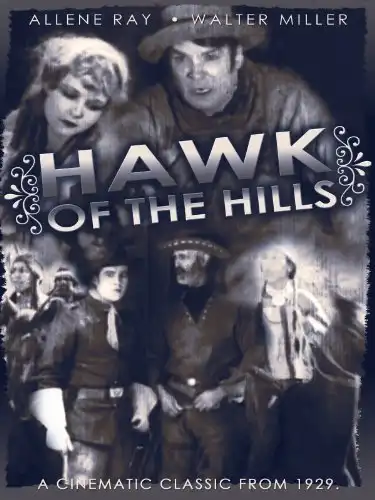
Deep dive into the cult classic
Discover similar cinematic experiences
A Directorial Spotlight on George B. Seitz