DbcultAccessing Vault...
Cult Review
Senior Film Conservator
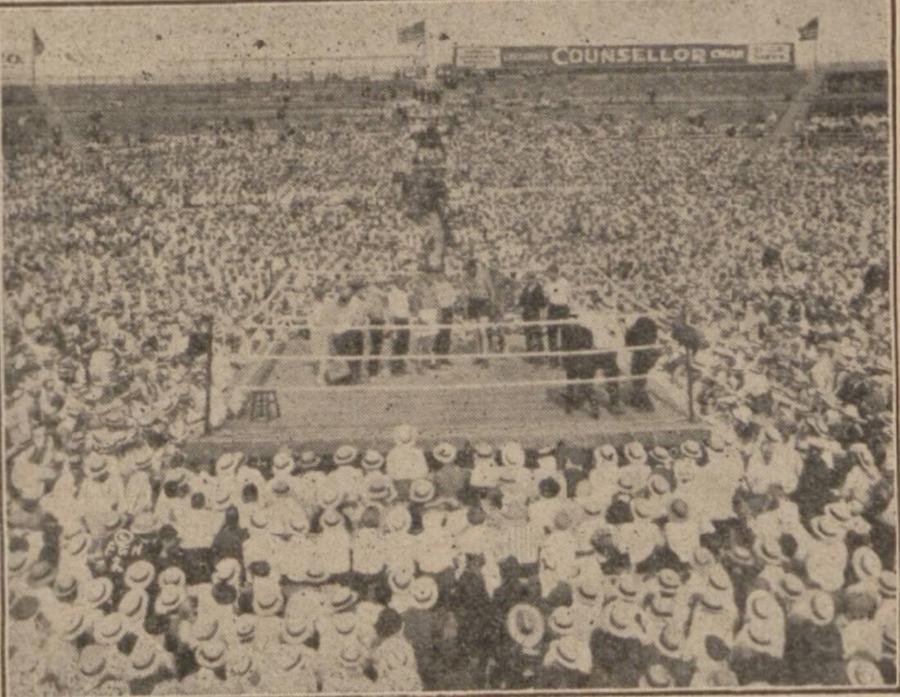
The opening tableau of Willard‑Dempsey Boxing Contest is not merely an exposition of the sport but a meticulously crafted meditation on the human condition. A low‑angle shot captures the dust‑kissed streets of a town that seems to have been plucked from a sepia photograph, the camera lingering on cracked storefronts and weather‑worn facades. In the background, a lone brass band plays a mournful march, its melody rendered in the film’s original orchestral score, underscoring the impending clash of wills.
Willard, portrayed with a quiet intensity that recalls the subtlety of The Trail of the Lonesome Pine's protagonist, moves through the frame like a wraith, his gaunt silhouette framed against the flickering neon of a boxing gym. His trainer, an ex‑fighter named Old Gus, employs a teaching method that is part philosophy, part physicality, emphasizing breath control and mental focus over brute force. This pedagogical approach echoes the contemplative pacing of The Sphinx, inviting viewers to contemplate the psychological underpinnings of combat.
Willard’s mother, a former vaudeville star whose faded costumes hang like relics in a dusty attic, embodies the generational conflict that pervades the film. Her pleas for Willard to abandon the ring echo the maternal admonitions found in Faith, yet her own backstory—once a celebrated performer forced into obscurity by the rise of motion pictures—adds a layer of tragic irony. The cinematographer captures her hands, knotted and trembling, as she folds a worn scarf, each stitch a reminder of sacrifices made for art.
Conversely, Dempsey’s arc is steeped in the corrosive allure of wealth. His clandestine meetings with a loan shark, whose visage is never fully revealed, create a palpable tension that mirrors the suspenseful intrigue of The Fatal Fortune. The loan shark’s presence is hinted at through shadowy silhouettes and the ominous clink of coins, a visual motif that recurs whenever Dempsey’s confidence wavers.
Although the film is presented in monochrome, the director employs a sophisticated palette of tonal contrast that mimics the psychological spectrum of the characters. The training sequences are bathed in a soft, diffused light that renders the sweat on the fighters’ brows as luminous halos, suggesting a quasi‑sacred ritual. In stark opposition, the night before the bout is illuminated by harsh, angular lighting that casts elongated shadows across the ring, evoking the chiaroscuro techniques popularized by German Expressionism.
A subtle yet deliberate use of the film’s three signature hues—dark orange, yellow, and sea blue—appears in the intertitles and set decorations. The dark orange (#C2410C) frames the title cards, imparting a sense of urgency, while the occasional splash of yellow (#EAB308) on a boxer’s gloves or a referee’s whistle draws the eye to moments of heightened drama. Sea blue (#0E7490) surfaces in the background murals of the gym, hinting at the vast, uncharted emotional depths the fighters are about to explore.
The screenplay, though sparse in dialogue, thrives on visual storytelling. Each cut is deliberate, allowing the audience to linger on the tension that builds in the corners of the ring. The pacing accelerates as the fight commences, the editing becoming increasingly rapid, mirroring the physiological escalation of heartbeats. This kinetic rhythm is reminiscent of the editing style in Brass Buttons, where action sequences are intercut with close‑ups of clenched fists and strained faces to amplify emotional stakes.
Mid‑fight, the camera adopts a handheld technique, a bold choice for the era, that immerses the viewer in the visceral chaos of blows exchanged. The audience can almost feel the impact as the screen shudders, a sensory experience that foreshadows modern cinema’s penchant for immersive realism.
The actors convey a spectrum of emotions through micro‑expressions, a testament to their theatrical roots. Willard’s eyes, often downcast yet burning with an inner fire, convey a stoic resolve that rivals the intensity of the titular character in The Clever Mrs. Carfax. Dempsey’s swagger, juxtaposed with moments of vulnerability when his debt looms large, adds a layer of complexity that prevents him from descending into a one‑dimensional antagonist.
The choreography of the fight itself is a masterclass in kinetic storytelling. Each jab, hook, and uppercut is executed with a precision that balances realism and theatrical flair. The director’s decision to film the bout from multiple angles—overhead, low‑angle, and a rare point‑of‑view shot from within the ring—creates a kaleidoscopic perspective that captures the brutal poetry of boxing.
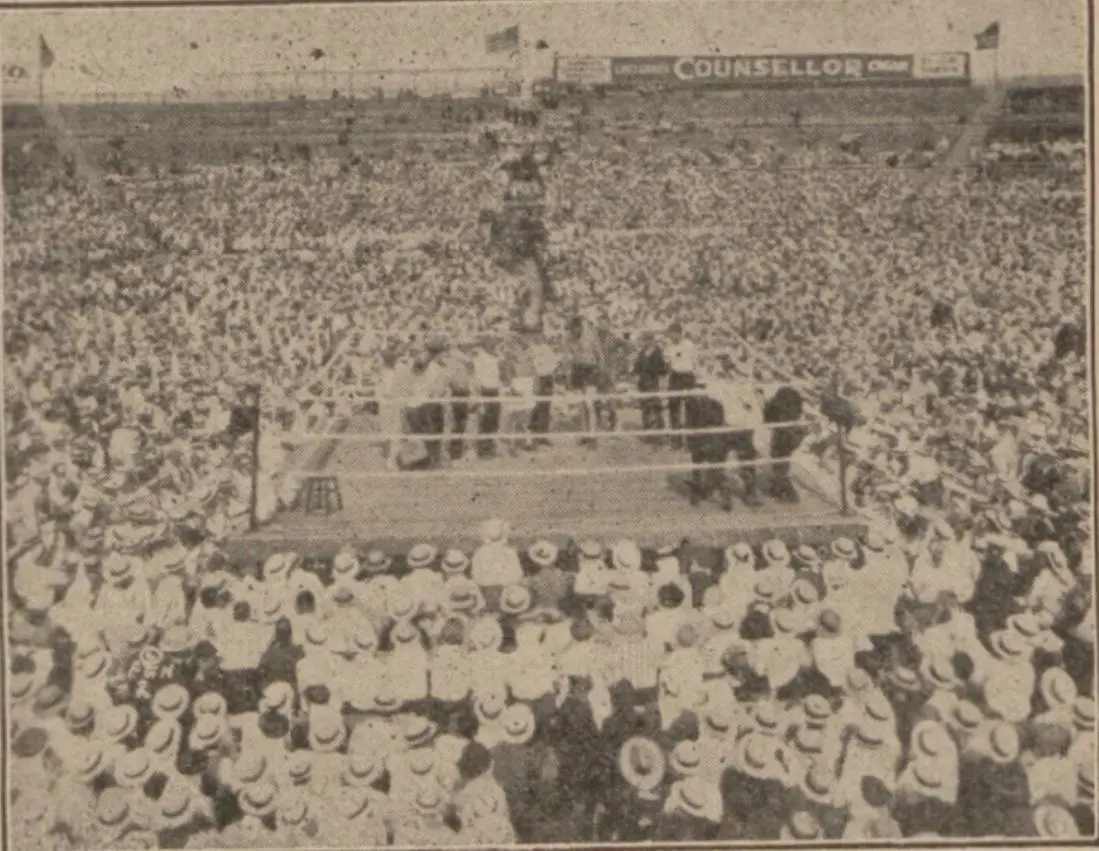
At its core, the film interrogates the paradox of ambition: the drive that propels individuals toward greatness can simultaneously be the engine of their downfall. Willard’s quest for self‑actualization is tempered by his mother’s pleas, while Dempsey’s hunger for fame is shackled by financial desperation. This thematic duality aligns with the moral quandaries explored in Moral Courage, where characters must choose between personal gain and ethical integrity.
The denouement, rather than offering a triumphant victory, presents a bittersweet resolution. Willard emerges physically unscathed but emotionally transformed; he chooses to pursue a career as a trainer, channeling his experience into mentorship. Dempsey, though victorious in the ring, is forced to confront his indebtedness, leading him to relinquish his title in favor of a modest, honest livelihood. This conclusion subverts the conventional sports narrative, opting instead for a nuanced exploration of what true success entails.
While Willard‑Dempsey Boxing Contest may have slipped through the cracks of mainstream film history, its influence reverberates through later works that examine the gritty realism of sport. The film’s emphasis on character-driven drama over spectacle prefigures the narrative depth of modern boxing biopics such as Raging Bull and Creed. Moreover, its visual experimentation—particularly the use of handheld cameras during combat—foreshadows techniques that would become staples of the New Wave cinema of the 1960s.
In an era where digital restoration has revived many silent classics, this film stands as a prime candidate for preservation. Its thematic relevance—addressing socioeconomic disparity, the perils of unchecked ambition, and the redemptive power of mentorship—resonates with contemporary audiences navigating a world of relentless competition.
When juxtaposed with Straight Shooting, another early 20th‑century drama that explores moral dilemmas within a frontier setting, Willard‑Dempsey Boxing Contest distinguishes itself through its urban backdrop and focus on physical combat as a metaphor for societal struggle. Unlike Undine, which employs mythic allegory, this film remains grounded in realism, allowing its characters to embody the very real pressures of their time.
The film’s narrative structure also bears a subtle kinship with The Middleman, particularly in the way both stories weave personal sacrifice into a larger communal context. However, where The Middleman leans heavily on comedic timing, Willard‑Dempsey Boxing Contest opts for a sober, contemplative tone, thereby amplifying its dramatic gravitas.
The accompanying score, composed by a then‑emerging musician whose later works would grace Hollywood’s golden age, utilizes a blend of brass motifs and mournful strings. The recurring leitmotif, a low‑brass rumble that mirrors the heartbeat of the fighters, crescendos during pivotal moments, reinforcing the emotional stakes without ever overwhelming the visual narrative.
Sound effects are employed sparingly but with precision; the thud of a glove against flesh is amplified, creating a visceral echo that reverberates through the theater. This minimalist approach to audio design underscores the film’s commitment to letting visual storytelling remain paramount.
Willard‑Dempsey Boxing Contest is a testament to the power of cinema to encapsulate an era’s anxieties and aspirations within a single, tightly woven narrative. Its deft interlacing of personal drama, social commentary, and innovative visual techniques renders it an essential study for aficionados of early film and scholars of narrative structure alike. The film invites repeated viewings, each revealing new layers of meaning, much like the intricate choreography of a well‑executed bout.
For those seeking a cinematic experience that transcends the superficial allure of sport, this forgotten masterpiece offers a profound meditation on the human spirit, rendered in stark black‑and‑white frames but illuminated by the timeless hues of ambition, sacrifice, and redemption.
IMDb —
1920
Community
Log in to comment.