DbcultAccessing Vault...
7.4/10
Senior Film Conservator
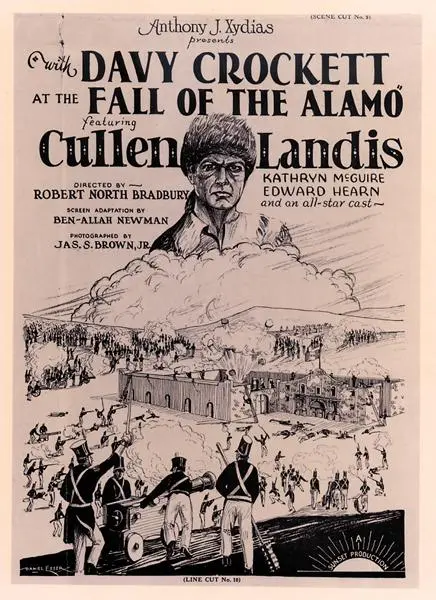
A definitive 7.4/10 rating for a film that redefined the boundaries of cult cinema. With Davy Crockett at the Fall of the Alamo remains a cornerstone of transgressive art.
Is 'With Davy Crockett at the Fall of the Alamo' worth watching today? Short answer: yes, but with significant caveats that demand a specific kind of viewer. This 1926 silent film is a fascinating, if imperfect, window into early American cinematic storytelling, best suited for dedicated film historians, silent film enthusiasts, and those with a deep interest in the mythos of Davy Crockett.
It is decidedly not for viewers seeking modern pacing, sophisticated narrative complexity, or historically precise recounting. If your cinematic palate leans towards contemporary blockbusters or intricate character studies, this journey back to the silent era might prove a challenge rather than a pleasure.
This film works because it offers a rare glimpse into the formative years of historical biopics, demonstrating the silent era's ambitious scope in tackling national legends. It succeeds in creating a palpable sense of impending doom and the heroic sacrifice associated with the Alamo, largely through powerful visual storytelling and the dramatic presence of Bob Steele.
This film fails because its narrative depth is often sacrificed for broad strokes of heroism, leaving secondary characters underdeveloped and the geopolitical context of the conflict largely unexplored. The pacing, while typical for its era, can feel ponderous to a contemporary audience, and some of the melodrama feels dated.
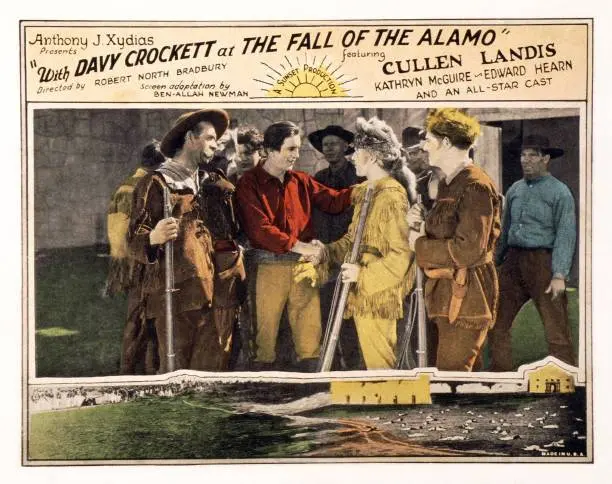
You should watch it if you appreciate the artistry of silent cinema, are a student of early American history as portrayed on screen, or are simply curious to see how iconic figures were immortalized before the advent of sound. It's a journey into cinematic history, not a blockbuster spectacle.
The figure of Davy Crockett has always occupied a unique space in American folklore – part frontiersman, part politician, part larger-than-life legend. 'With Davy Crockett at the Fall of the Alamo' attempts to capture this iconic status, focusing on the final, most defining chapter of his life. The film, penned by Ben Ali Newman and Clover Roscoe, is less concerned with historical accuracy and more with myth-making, a common approach for historical epics of the silent era.
It presents Crockett not as a man of flesh and blood, but as an embodiment of rugged individualism and unwavering resolve. This interpretation, while perhaps simplistic by today's standards, was perfectly suited for the grand, gestural storytelling of silent cinema. The very silence of the medium, paradoxically, allows Crockett's legend to loom larger, inviting the audience to project their own understanding of his heroic stature onto the screen.
The narrative builds steadily, tracing Crockett's path to the Alamo as an almost preordained destiny. There’s a sense of inevitability that permeates the early scenes, positioning the Alamo not just as a fort, but as a crucible for American ideals. This approach, while effective for its time, does mean that much of the surrounding political and social context is streamlined, if not outright ignored, in favor of a singular focus on heroism.
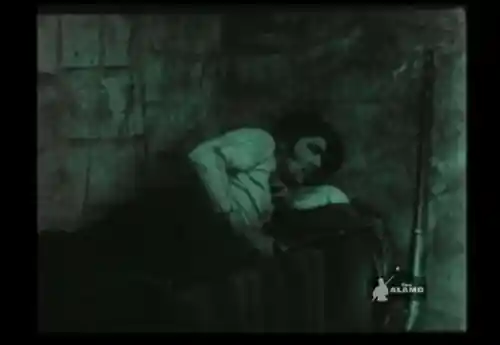
Compared to other films of the period, say the more lighthearted fare like Circus Days or even the dramatic intensity of After the War, Crockett stands as a testament to the era's capacity for serious, if somewhat embellished, historical biography. It's a foundational piece in the long cinematic tradition of depicting the Alamo, setting a tone of solemn heroism that would influence countless portrayals to come.
At the heart of this film is Bob Steele’s portrayal of Davy Crockett. Steele, a prolific actor of the silent and early sound eras, brings a stoic physicality to the role that is both admirable and, at times, limiting. His Crockett is a man of action and few words (or rather, few intertitles), relying heavily on his imposing presence and expressive eyes to convey emotion.
Steele's performance shines in the moments of quiet determination and during the film's sparse but impactful action sequences. You can feel the weight of his resolve as he prepares for the inevitable siege, his posture and gaze communicating a grim acceptance of fate. There’s a powerful scene, for instance, where he stands silhouetted against a setting sun, surveying the encroaching Mexican army, a moment that beautifully encapsulates the lone hero archetype.
However, one could argue that Steele’s Crockett, while physically commanding, arguably leans too heavily into stoicism, missing opportunities for a more nuanced emotional portrayal of a man facing certain death. The film rarely delves into Crockett’s inner turmoil or the personal cost of his legendary status. This isn’t necessarily a flaw of Steele’s acting alone, but rather a characteristic of silent film acting conventions, which often prioritized broad, easily readable emotions over subtle internal conflict.
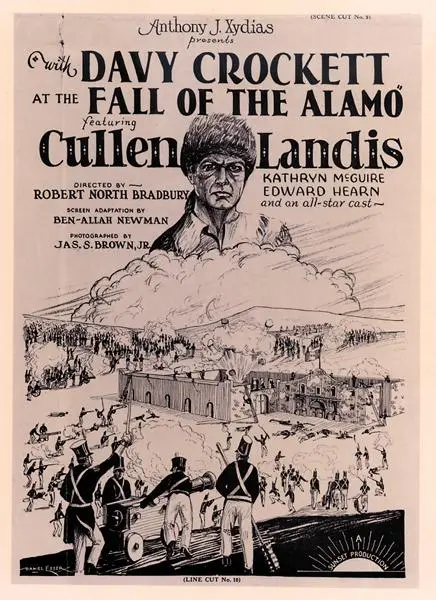
The supporting cast, including Steve Clemente and Kathryn McGuire, provide solid, if less memorable, performances. Clemente, often cast as villains, here offers a formidable presence, while McGuire, in a role that feels somewhat underwritten, manages to convey a sense of vulnerability amidst the impending chaos. Their contributions, though important, serve primarily to bolster Steele's central performance, a common structure in hero-centric narratives of the time.
"The film’s greatest strength lies in its ability to harness the inherent drama of the Alamo story, even if it sacrifices intricate character development for the sake of heroic iconography. It’s a bold, if somewhat rigid, cinematic statement."
While no specific director is credited in the provided context, the overall creative vision, likely spearheaded by writers Ben Ali Newman and Clover Roscoe, demonstrates a clear understanding of silent film aesthetics and dramatic pacing. The film utilizes classic silent film techniques to build tension and convey narrative without spoken dialogue, relying heavily on visual composition, character performance, and explanatory intertitles.
The pacing is deliberate, characteristic of the era, gradually escalating the stakes as Crockett and his fellow defenders prepare for the siege. There’s a slow burn to the narrative, allowing the audience to feel the passage of time and the growing sense of desperation within the Alamo walls. This measured approach can be challenging for modern viewers accustomed to rapid-fire editing, but it lends a certain gravitas to the historical event.
The use of intertitles, while necessary for exposition and dialogue, sometimes stifles the visual poetry it otherwise achieves. There are moments where the film could have benefited from allowing the visuals and performances to speak more for themselves, rather than relying on text to explain emotions or plot points. This is a common critique of many silent films, and Crockett is no exception.
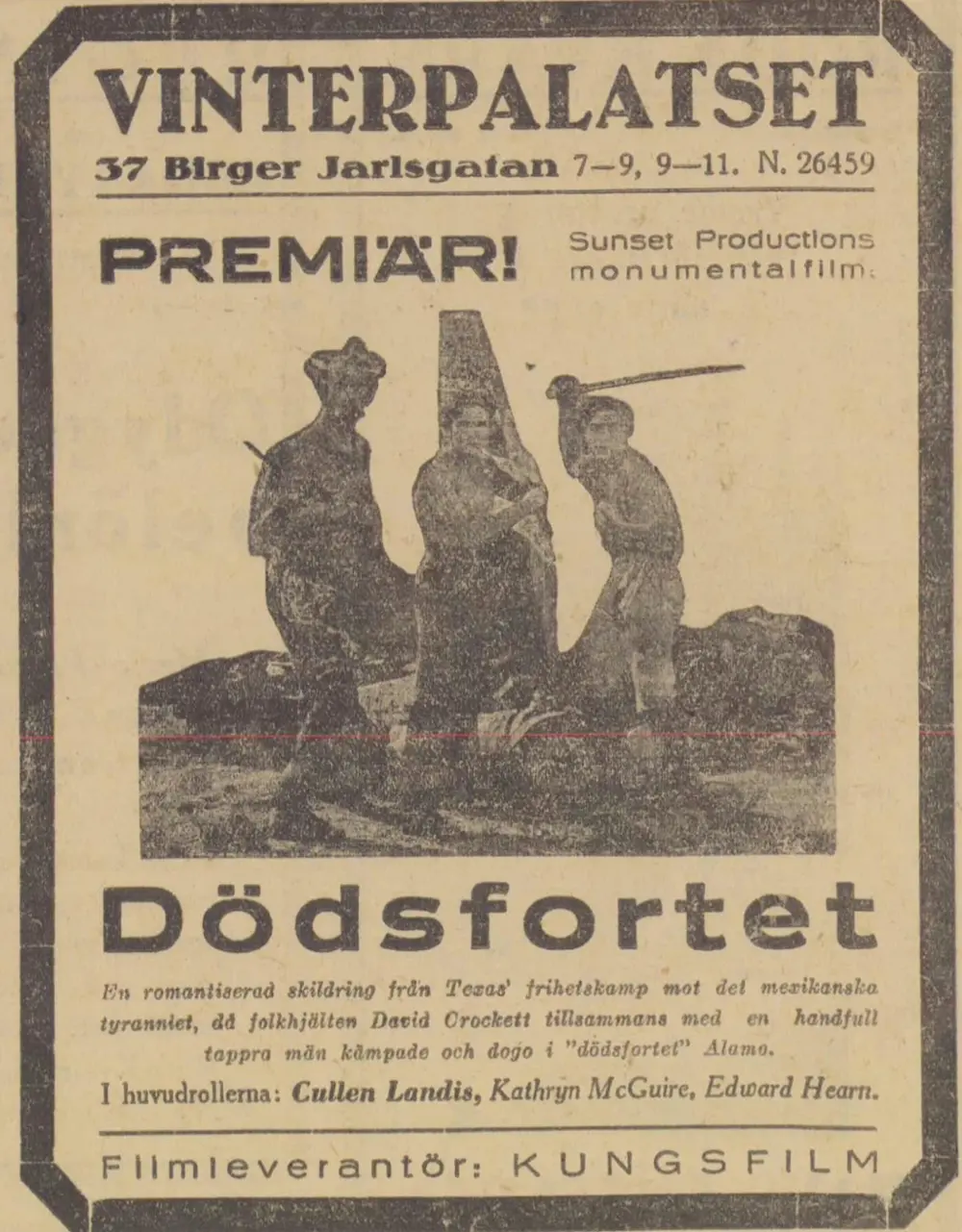
Yet, there are moments of genuine visual power. The scale of the battle scenes, while limited by 1920s filmmaking technology, manages to convey the overwhelming odds faced by the defenders. The filmmakers make effective use of wide shots to establish the desolate landscape surrounding the fort and close-ups to emphasize the grim determination on the faces of the actors. It’s a testament to their ingenuity that they evoke such a sense of epic struggle with the tools at hand.
The cinematography in 'With Davy Crockett at the Fall of the Alamo' is largely functional, yet occasionally rises to moments of striking artistry. The use of natural light, particularly in exterior shots, creates a stark, authentic feel to the Texan landscape. There are effective contrasts between the sun-drenched exteriors and the darker, more claustrophobic interiors of the fort, subtly reflecting the defenders' dwindling hope.
One particularly memorable visual involves the sheer number of extras used to portray the Mexican army. While not on the scale of later Hollywood epics, the impression of overwhelming force is palpable. The camera often frames the defenders against this vast sea of opponents, emphasizing their isolation and the futility of their stand. This visual motif is simple, yet incredibly effective in conveying the film’s tragic tone.
As mentioned, the pacing is a deliberate march towards the inevitable. The film takes its time establishing Crockett's journey and the initial preparations, which can feel slow to contemporary audiences. However, once the siege begins, the rhythm quickens, punctuated by bursts of action and moments of desperate heroism. The tension builds through cross-cutting between the defenders and the attackers, a classic technique that still holds impact.
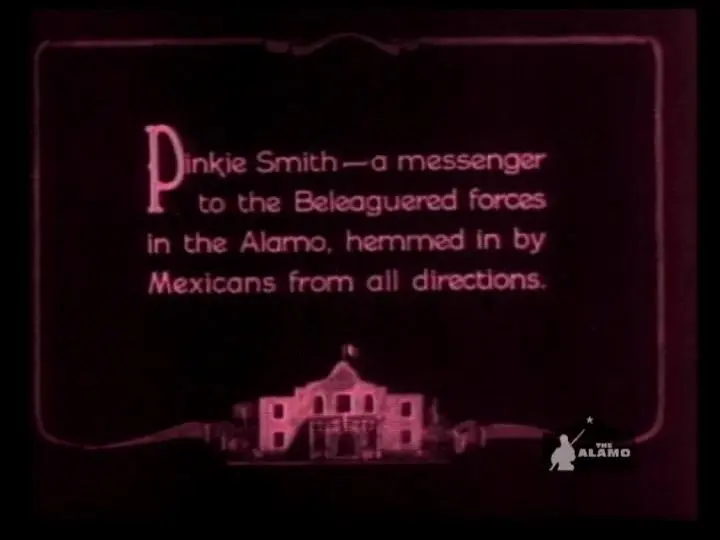
The tone is consistently heroic and elegiac. There's a deep reverence for the figures depicted, portraying them as martyrs for a cause. While this unwavering seriousness can sometimes border on melodrama, it aligns with the prevailing sentimentality of the era and the desire to enshrine these historical events in a heroic light. It rarely deviates into cynicism or moral ambiguity, which makes it a straightforward, if less complex, historical drama.
Yes, for a very specific audience, this film is absolutely worth watching. It offers a unique window into early American cinema and the mythologizing of historical figures. It’s a foundational text for anyone studying the portrayal of the Alamo on screen.
However, if you are not a silent film enthusiast or a history buff, you might find its pacing and storytelling conventions challenging. It demands patience and an appreciation for a different era of filmmaking. Do not expect modern spectacle or a nuanced historical account.
It works. But it’s flawed. Its ambition is clear. The execution, while commendable for its time, reflects the limitations and conventions of the silent era. For those willing to engage with its historical context, it offers a rewarding, if demanding, experience.
'With Davy Crockett at the Fall of the Alamo' is more than just a dusty relic; it’s a foundational piece of American cinema, a testament to the silent era’s ambition to tackle grand historical narratives. It’s a film that demands a specific kind of engagement – one that appreciates the artistry and limitations of its time.
While its pacing may test the patience of some, and its historical accuracy is certainly debatable, its power to evoke the mythic struggle of the Alamo remains. Bob Steele’s Crockett, though stoic, anchors the narrative with a formidable presence that is hard to ignore. This isn’t a film for everyone, but for those willing to journey back in time, it offers a fascinating glimpse into how legends were forged on the silver screen long before sound changed everything.
It’s a valuable historical document and a worthy, if challenging, watch for the discerning cinephile. Do not expect a thrilling adventure; expect a somber, heroic elegy.
Community
Log in to comment.