DbcultAccessing Vault...
Cult Review
Senior Film Conservator
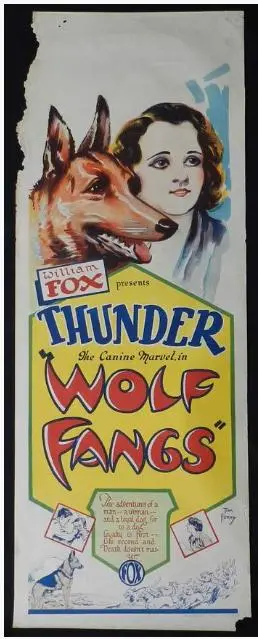
Is 'Wolf Fangs' worth watching today? Short answer: absolutely, especially if you appreciate the raw, untamed spirit of early cinema and the profound bond between humans and animals, even in its most challenging forms. This film is a compelling watch for those who value classic narrative structures and the unvarnished portrayal of nature's harsh beauty, but it might not resonate with viewers seeking modern pacing or complex human character development.
For enthusiasts of pre-code animal dramas, or anyone curious about how cinematic storytelling evolved to portray the wild, 'Wolf Fangs' offers a fascinating glimpse. It's a film that prioritizes visceral emotion and elemental conflict over nuanced dialogue, making it a unique experience for the patient viewer. However, if you're accustomed to the rapid-fire editing and psychological depth of contemporary thrillers, you might find its deliberate rhythm a challenge.
This film works because of its powerful central animal performance and its unflinching depiction of a dog's journey from domesticity to wild leadership, creating an emotional core that transcends its silent era origins.
This film fails because its human characters often serve as mere archetypes, lacking the depth to fully complement the animal's compelling arc, which can sometimes leave the audience feeling emotionally distant from their plight.
You should watch it if you are fascinated by early silent-era storytelling, animal-centric dramas, and tales of survival against human cruelty and the unforgiving wilderness.
At its core, 'Wolf Fangs' is a survival epic, framed through the eyes of its titular canine protagonist, Thunder. The narrative, penned by Seton I. Miller and Elizabeth Pickett, is deceptively simple yet profoundly effective. It begins with an act of heartbreaking cruelty: a loyal dog, Thunder, driven from his home by the barbarity of Bill Garside, the father of his beloved Ellen. This initial catalyst sets in motion a chain of events that transforms Thunder from a domestic companion into a formidable leader of a wolfdog pack.
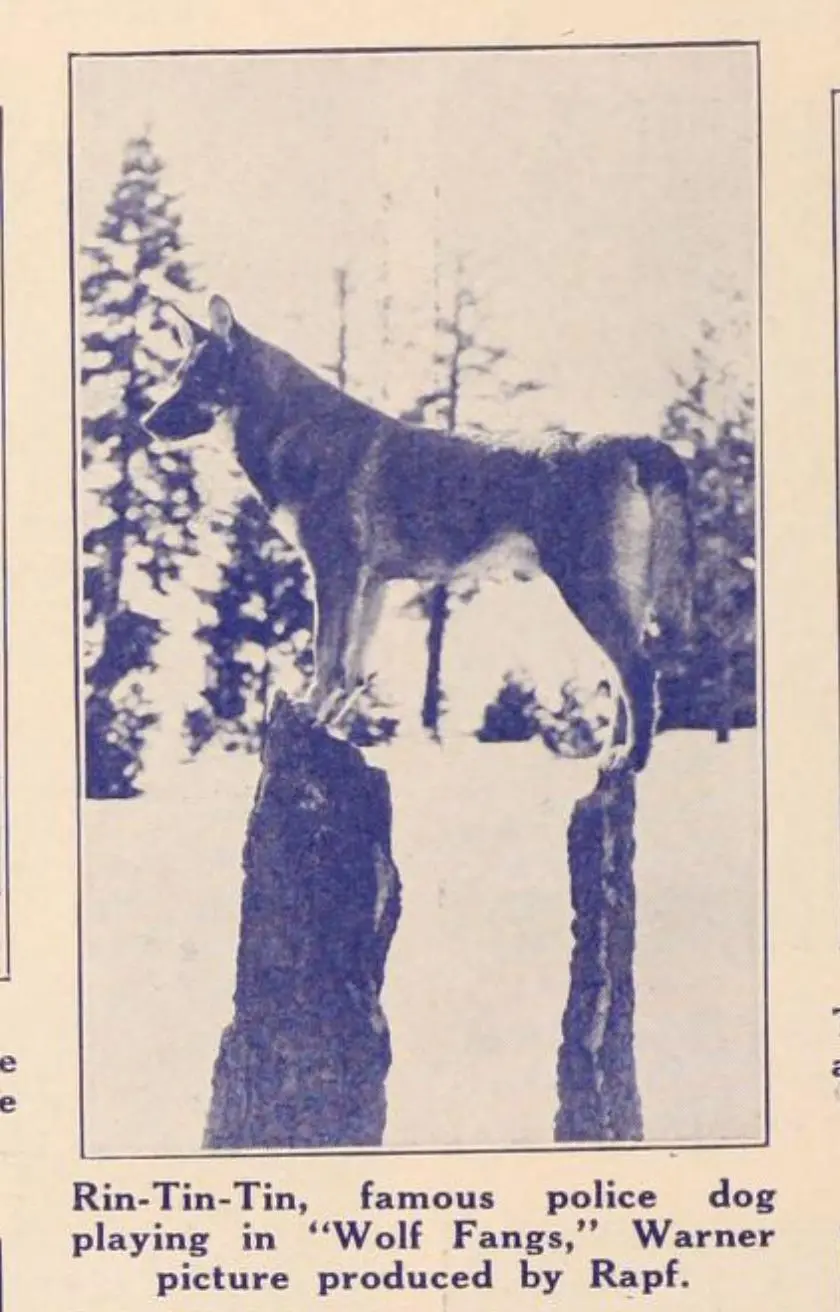
This isn't just a story about a dog; it's a parable about the thin line between civilization and savagery, both in the animal kingdom and within humanity itself. Thunder's transformation is not merely physical; it's a psychological journey into primal instinct. The film doesn't shy away from depicting the harsh realities of the wild, showcasing the brutal struggle for survival that shapes Thunder's new identity.
The reintroduction of Ellen, years later, provides the story with its emotional anchor. Her flight from Garside's continued cruelty mirrors Thunder's initial banishment, creating a powerful parallel between their fates. The climax, where Thunder must choose between his adopted wild family and his past loyalty to Ellen, is where the narrative truly soars. It’s a moment of profound moral dilemma, played out not with words, but with growls, bared teeth, and the unspoken language of the wild.
The undeniable star of 'Wolf Fangs' is Thunder the Dog. His performance is nothing short of remarkable, carrying the emotional weight of the entire film. In an era before sophisticated animal training techniques, Thunder conveys a range of emotions – fear, loyalty, ferocity, and even a hint of melancholy – with astonishing clarity. One particular scene, where Thunder first encounters Ellen on the rocky cliff after years apart, is a masterclass in silent animal acting. The subtle shifts in his body language, from aggressive pack leader to a creature remembering a cherished past, are genuinely captivating.
Unlike many animal actors who merely react to commands, Thunder feels like an active participant in the drama. His eyes communicate volumes, reflecting both the wisdom of the wild and the lingering echoes of his domestic past. This isn't just a dog on screen; it's a character with an internal life, a testament to the animal's intelligence and the skill of his trainers. While some might recall the charming antics of Herbie in The Love Bug, Thunder offers a far more primal and emotionally complex portrayal, reminding us that animal stars could carry serious dramatic weight.
His physical prowess, particularly in the fight sequences, adds an visceral authenticity that few human actors could replicate. The battle for pack leadership, for instance, is raw and intense, showcasing Thunder’s power and determination. It’s a performance that holds up surprisingly well, even when compared to modern animal portrayals, proving that charisma knows no species.
While Thunder commands the screen, the human cast — Charles Morton as Neal Barrett, Caryl Lincoln as Ellen, and James Gordon as the villainous Bill Garside — provide the necessary dramatic framework. Their performances, typical of the silent era, are often broad and expressive, relying heavily on exaggerated gestures and facial expressions to convey emotion. Caryl Lincoln, as Ellen, embodies the distressed heroine with a convincing blend of vulnerability and resilience. Her scenes of terror, particularly when pursued by the wolfdog pack
IMDb —
1915
Community
Log in to comment.