DbcultAccessing Vault...
6.2/10
Senior Film Conservator
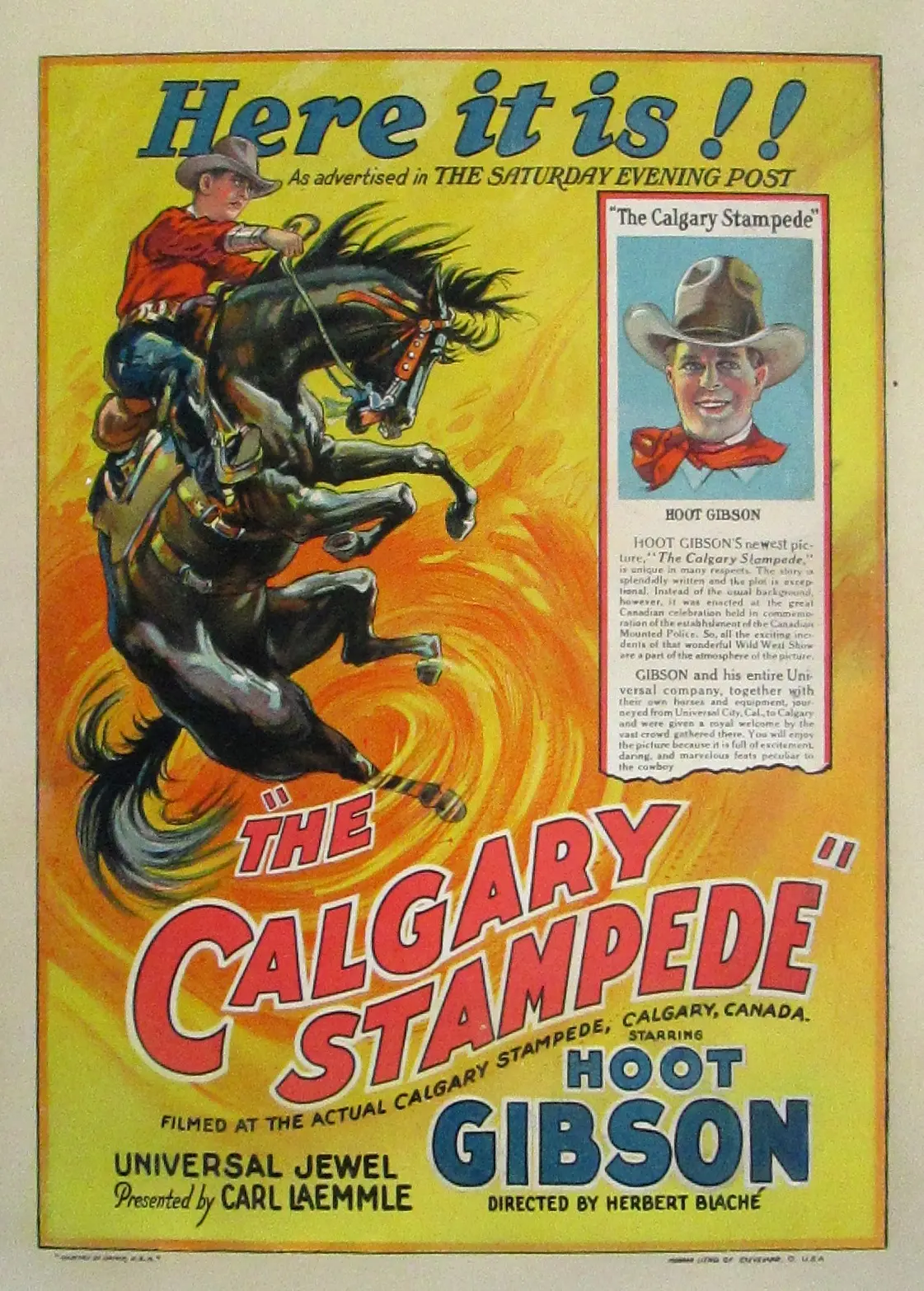
A definitive 6.2/10 rating for a film that redefined the boundaries of cult cinema. The Calgary Stampede remains a cornerstone of transgressive art.
In the pantheon of silent Westerns, few films capture the raw, unadulterated energy of the frontier quite like Herbert Blaché’s 1925 opus, The Calgary Stampede. This isn't merely a celluloid artifact; it is a visceral communion with a bygone era of athleticism and cinematic daring. Starring the incomparable Hoot Gibson, the film transcends the hackneyed tropes of the 'wronged man' subgenre by anchoring its narrative in the authentic dust and sweat of the world-famous Alberta rodeo. While many contemporary features of the era, such as The West~Bound Limited, relied heavily on studio artifice, Blaché’s production leans into a documentary-style verisimilitude that remains startlingly modern.
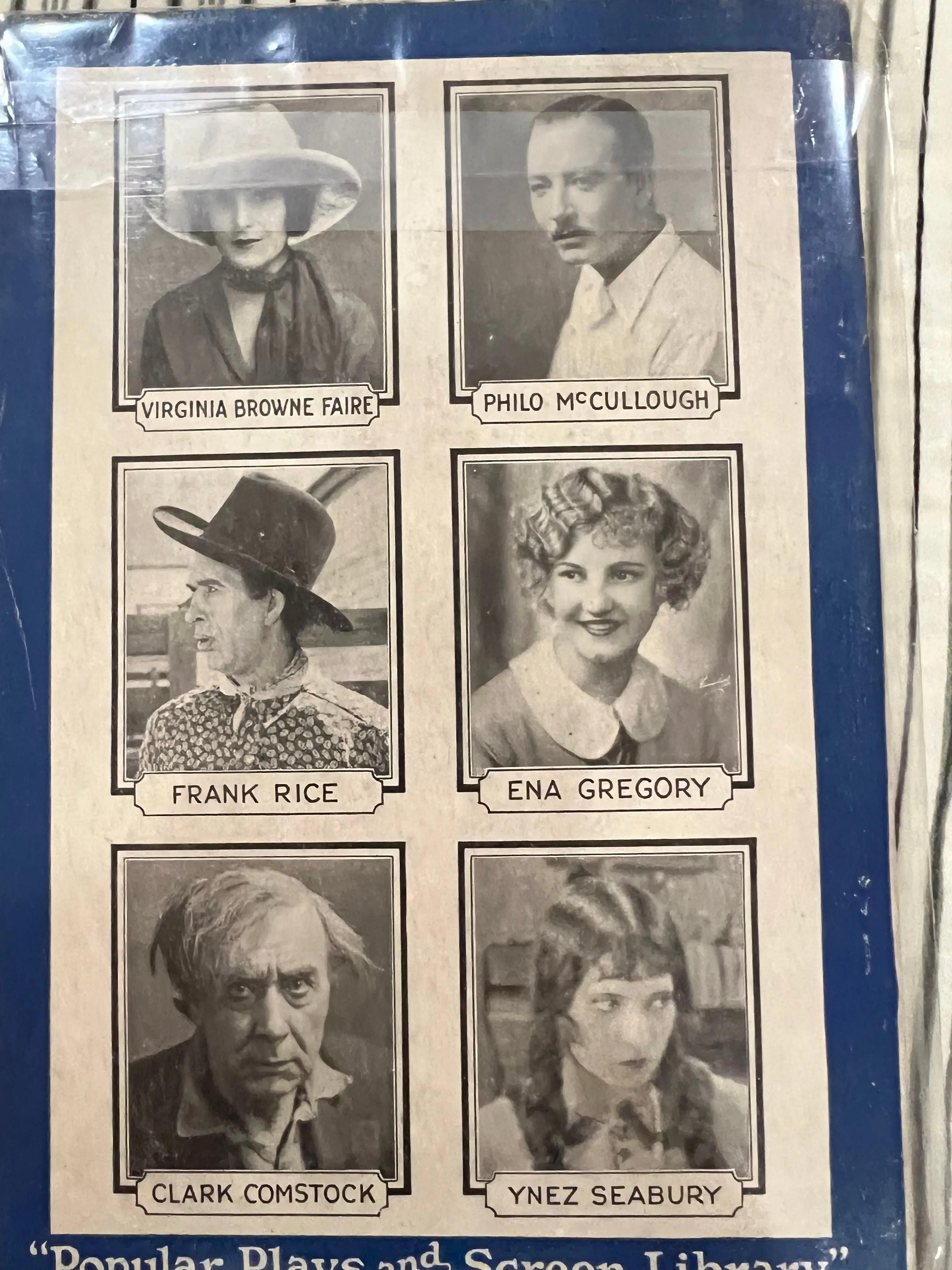
The film’s protagonist, Dan Malloy, is portrayed by Gibson with a charismatic nonchalance that belies the physical rigor of his performance. Unlike the stoic, almost statuesque presence of William S. Hart, Gibson brought a breezy, relatable humanity to the screen. His Malloy is a man of singular talent—a Roman racer whose ability to command two horses simultaneously serves as a potent metaphor for his struggle to balance love and survival. The early sequences, which establish his burgeoning relationship with Marie LeFarge (played with a delicate yet firm resolve by Virginia Brown Faire), are imbued with a soft-focus lyricism that contrasts sharply with the jagged tension of the subsequent murder accusation.
The narrative pivot—the death of Marie’s father and the subsequent finger-pointing at Malloy—introduces a layer of psychological weight often missing from early actioners. The screenplay by Donald W. Lee and Richard Schayer avoids the melodrama found in Eyes of Youth, opting instead for a gritty, procedural feel as Malloy becomes a phantom of the plains. This period of Dan's life as a fugitive allows the cinematography to showcase the sprawling, unforgiving beauty of the Canadian landscape. The camera doesn't just observe; it participates in the chase, capturing the desperate lunges of horses and the frantic glances of a man whose world has collapsed.
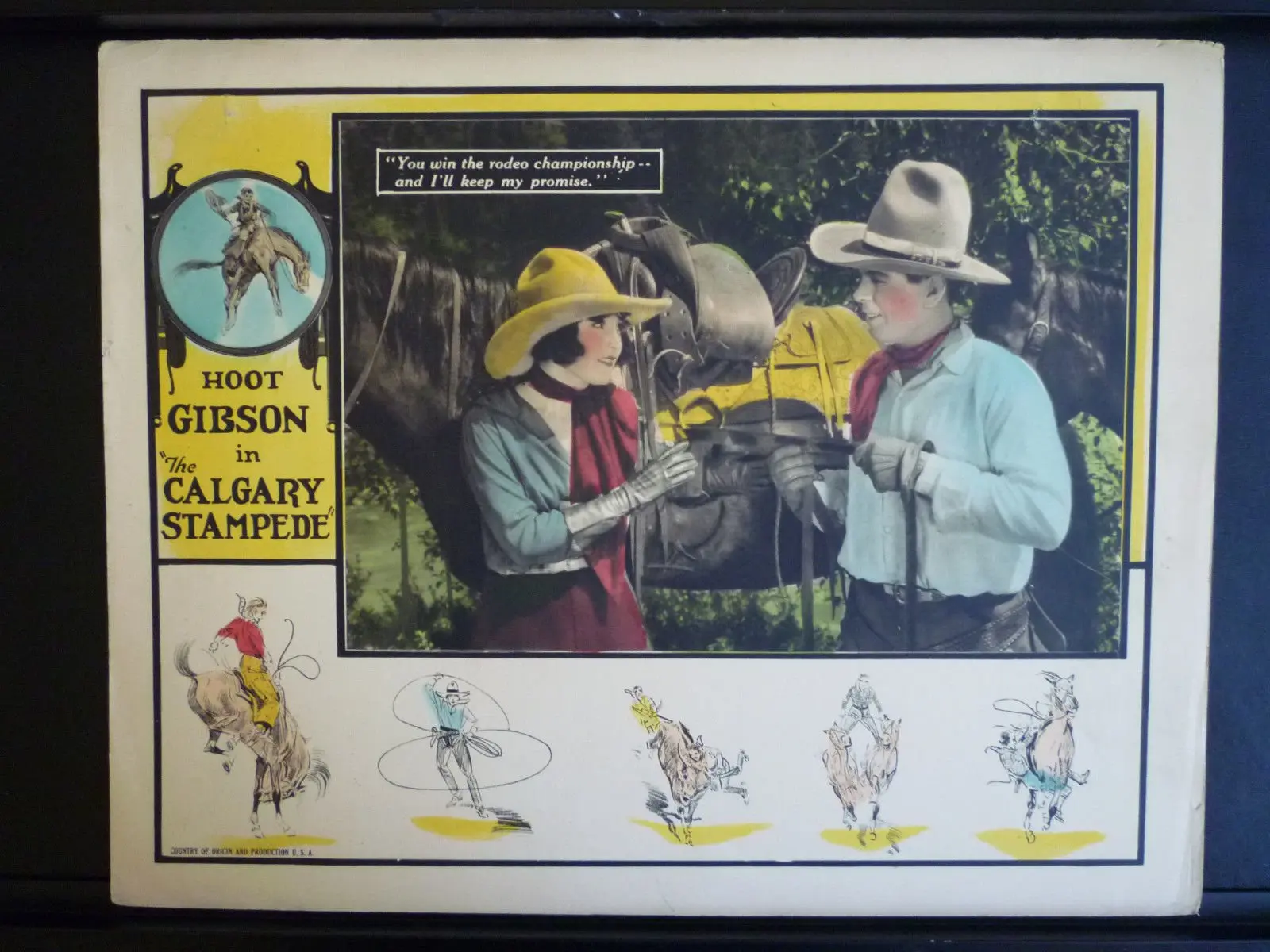
What elevates The Calgary Stampede above its peers, such as The Brand of Lopez, is its seamless integration of real-world spectacle. The footage of the actual 1924 Calgary Stampede is not merely b-roll; it is the heartbeat of the film’s final act. The sheer scale of the event—the roaring crowds, the chaotic energy of the bucking broncos, and the high-speed wagon races—provides a backdrop that no Hollywood set could ever replicate. It is within this crucible of public scrutiny and physical peril that Malloy must prove his worth.
Technically, the film is a masterclass in silent era editing. The cross-cutting between the racing action and the movements of the law enforcement creates a mounting sense of dread and excitement. The Roman race itself is a sequence of pure adrenaline. Gibson, performing many of his own stunts, demonstrates why he was one of the era’s most bankable stars. The tension is palpable as he stands atop his horses, a figure of precarious grace amidst a sea of churning mud and muscle. This sequence alone justifies the film's enduring reputation among cinephiles.
The supporting cast provides a sturdy framework for Gibson’s acrobatics. Philo McCullough, as the villainous antagonist, radiates a calculated malice that makes the eventual resolution all the more satisfying. A young Walter Brennan, in one of his earliest uncredited roles, offers a glimpse into the character-acting brilliance that would later define his career. The ensemble work here is tighter than in many contemporaneous dramas like The Third Generation, where the focus often drifted from the central conflict.
Beyond the thrills, the film grapples with themes of cultural identity and the immigrant experience in the West. The LeFarge family’s French Canadian heritage adds a layer of social complexity, hinting at the frictions and fusions that defined the North American frontier. In this regard, it shares a thematic DNA with Little Italy, though it swaps urban tenements for the wide-open prairie. The accusation against Malloy is not just a legal hurdle; it is a severance of his tie to a community he desperately wishes to join.
The resolution of the plot—where the real killer is revealed through a series of fortuitous, yet narratively earned, events—satisfies the era's demand for moral clarity. However, the film doesn't shy away from the scars left by Malloy’s ordeal. There is a lingering sense of the fragility of truth, a theme explored with perhaps more cynicism in Whispers, but handled here with the optimistic resilience typical of the Western genre. The reconciliation between Dan and Marie is earned through fire and dust, making the final embrace feel like a hard-won peace rather than a scripted necessity.
Herbert Blaché’s direction is characterized by a surprising economy of movement. He knows when to let the landscape speak and when to tighten the frame on a character’s expressive face. While his work here might not have the avant-garde flourishes of a European production like A kuruzsló, it possesses a rugged, American (and Canadian) sincerity that is perfectly suited to the material. The film avoids the cloying sentimentality found in The Little Girl That He Forgot, maintaining a brisk, masculine energy throughout its runtime.
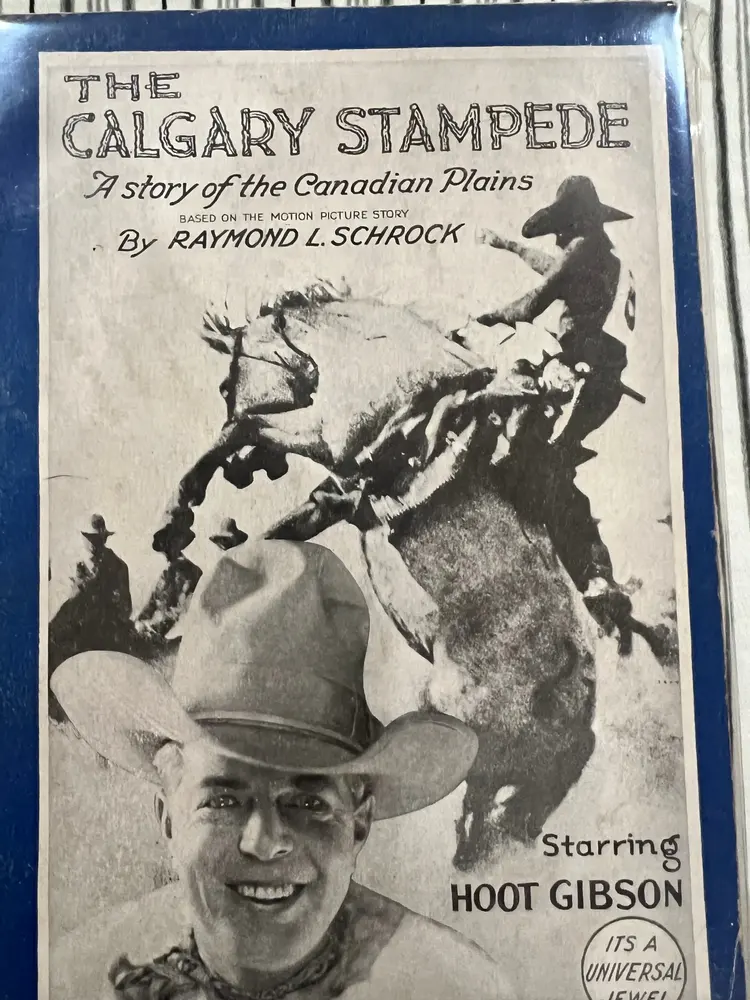
For the modern viewer, The Calgary Stampede offers a fascinating window into the evolution of stunt work. Before the advent of CGI or sophisticated safety rigs, the dangers were authentic. When you see a horse stumble or a rider narrowly avoid a collision, you are witnessing real-time risk. This authenticity is the film’s greatest asset, providing a level of engagement that even the most expensive modern blockbusters often fail to achieve. It stands as a testament to the era when cinema was as much about physical endurance as it was about storytelling.
In the grand scheme of 1920s cinema, The Calgary Stampede is a vital link between the early, primitive shorts and the sophisticated, epic Westerns of the 1930s. It captures the spirit of the 'Stampede' not just as an event, but as a metaphor for the chaotic, thundering progress of the age. The film’s ability to weave a personal story of redemption into the fabric of a massive public spectacle is a feat of narrative engineering. It lacks the whimsicality of The Seven Swans or the domestic focus of Real Adventure, but it gains a visceral power through its dedication to the grit of the earth.
Ultimately, Hoot Gibson’s performance remains the anchor. His transition from the carefree racer to the hunted man, and finally to the vindicated hero, is handled with a nuanced physicality that transcends the lack of spoken dialogue. His chemistry with Virginia Brown Faire provides the emotional stakes necessary to make the action resonate. As the dust settles on the final race, the viewer is left with a profound appreciation for the craftsmanship of the silent era—a time when a man, two horses, and a camera were all that was needed to create a legend.
Whether you are a scholar of the Western genre or a casual fan of silent cinema, The Calgary Stampede is an essential watch. It is a film that breathes, sweats, and gallops with a life of its own, reminding us that the truest stories are often those told in the mud and the sun.
IMDb —
1928
Community
Log in to comment.