DbcultAccessing Vault...
7.3/10
Senior Film Conservator

A definitive 7.3/10 rating for a film that redefined the boundaries of cult cinema. Woman in the Moon remains a cornerstone of transgressive art.
Look, if you're into the origins of sci-fi cinema, or just curious how filmmakers imagined space travel back when rockets were mostly in comics, then Fritz Lang's 1929 epic, Woman in the Moon, is definitely worth a look. It’s a bit of a marathon, clocking in at nearly three hours, so if you're someone who needs constant action or a snappy modern pace, you might struggle. But for those who appreciate a slow burn and some truly groundbreaking visuals for its time, it’s quite a trip. 🚀
The whole premise here is a scientist, Professor Georg Manfeldt, obsessed with the idea of gold on the moon. Everyone thinks he’s mad, but then a group of shady businessmen swoop in, sensing an opportunity for *massive* profit. It’s that familiar blend of scientific idealism clashing with pure capitalist greed.
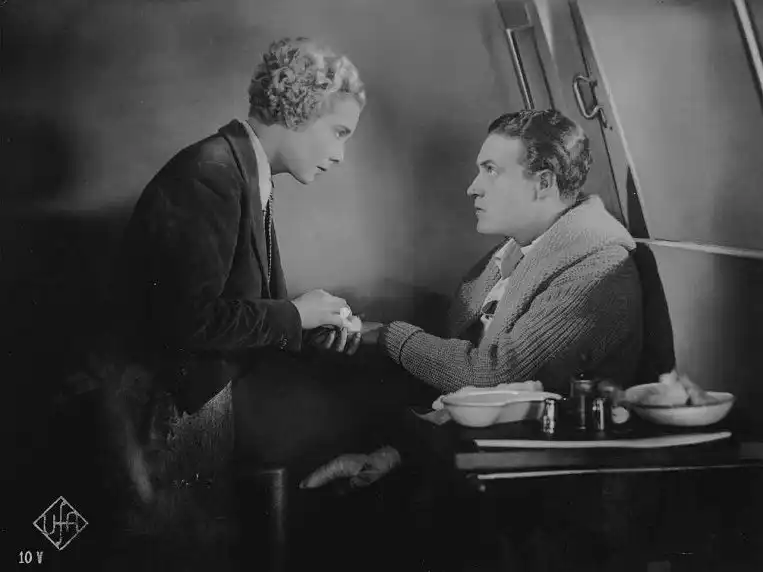
Our main hero is Helius, an engineer who actually believes Manfeldt. He’s got this whole rocket planned, and suddenly he’s forced to work with the very people who dismissed his mentor. Then there's Friede, the titular 'Woman in the Moon', a student with a knack for physics who gets swept up in the adventure – and the inevitable love triangle.
The rocket itself, the ‘Friede,’ is a thing of beauty. For 1929, the design feels surprisingly… *functional*. You can almost see the gears turning in Lang’s head, thinking about how this thing would actually fly.
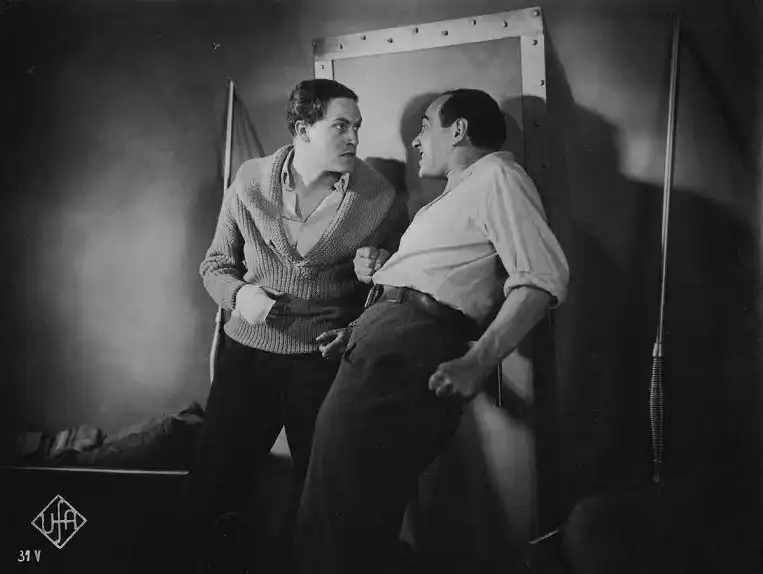
The launch sequence is where this film really shines, historically. It's often cited as the very first countdown in film history, and it builds such a fantastic, gut-wrenching tension. You see the crew strapped in, the trembling, the steam — it’s all so wonderfully dramatic. Even the g-force effects, though simple, really sell the idea of bodies being pushed to their limit.
Once they're in space, the visuals are still something to behold. The Earth receding behind them, the emptiness of space. It’s all done with miniatures and clever camera work, but it really gives you a sense of the vastness. There's this moment where they're floating, a pencil drifting by, and it's just so *cool* for its era. ✏️
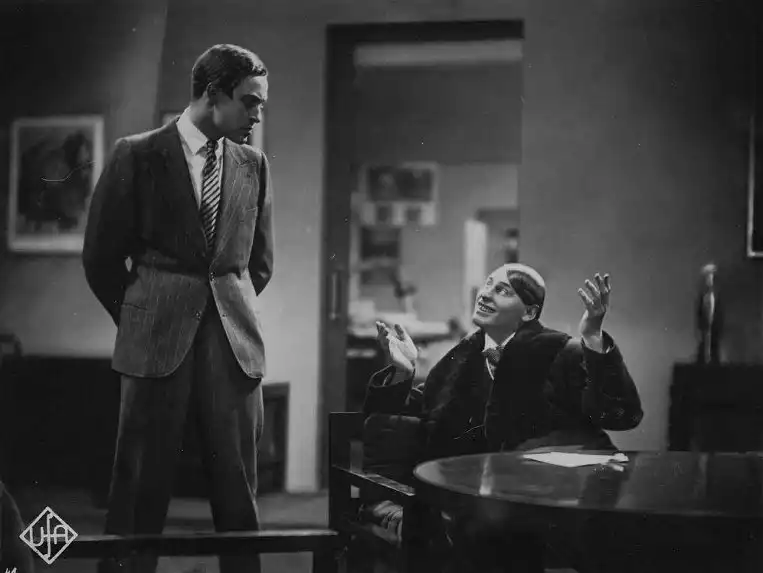
But then they get to the moon, and things get a bit… complicated. They find caves, they find water, and yes, they find gold. A lot of gold. And that’s when the human element, or rather, the *greedy* human element, really takes over. People start squabbling over who gets what, which feels very much like a predictable turn.
The love triangle between Helius, Friede, and her fiancé, Windegger, feels a little tacked on, honestly. It’s typical silent film melodrama, full of longing glances and dramatic sacrifices. It takes up a fair bit of screen time, and you just want them to get back to the *moon stuff* already.
And then there's Walt Turner, the American businessman who’s essentially the villain. He’s just… *bad*. His motives are pure avarice, and he makes some incredibly dumb decisions that put everyone in danger. He’s a bit of a caricature, which is fine for the period, but he does feel like a plot device more than a person.
One of the most charming, if slightly baffling, details is the mouse, Josephine, who stows away on the rocket. She gets a surprising amount of screen time for a rodent! Her presence just adds a little unexpected touch of whimsy to the whole grand adventure. 🐭
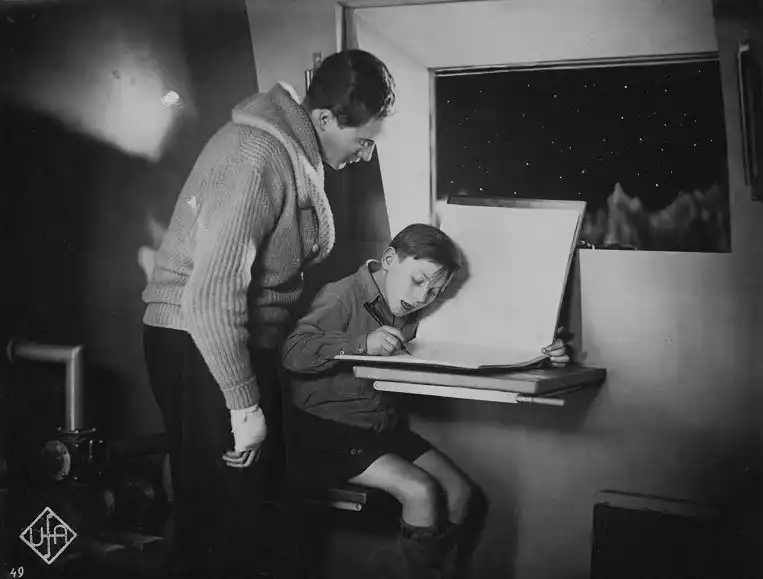
It’s hard to overstate the ambition of Woman in the Moon. Lang really tried to imagine every step of a moon journey, from the scientific theory to the societal implications. He even had a real rocket scientist as a consultant, which is just wild. This wasn’t just fantasy; it was *informed* fantasy.
Still, for all its visual triumphs and historical importance, the film does drag. Some scenes go on for what feels like an eternity, with characters just staring intensely at each other or at a rock. You can almost feel the movie trying to make you *feel* the weight of every decision, but sometimes it just makes you feel the weight of the runtime.
In the end, it’s a fascinating watch for its historical significance and sheer audacity. It might test your patience in places, but you’ll walk away with a real appreciation for how big and bold early sci-fi could be. It’s a testament to dreaming big, even if the destination wasn't always as smooth as the launch.

IMDb —
1936
Community
Log in to comment.