DbcultAccessing Vault...
Cult Review
Senior Film Conservator
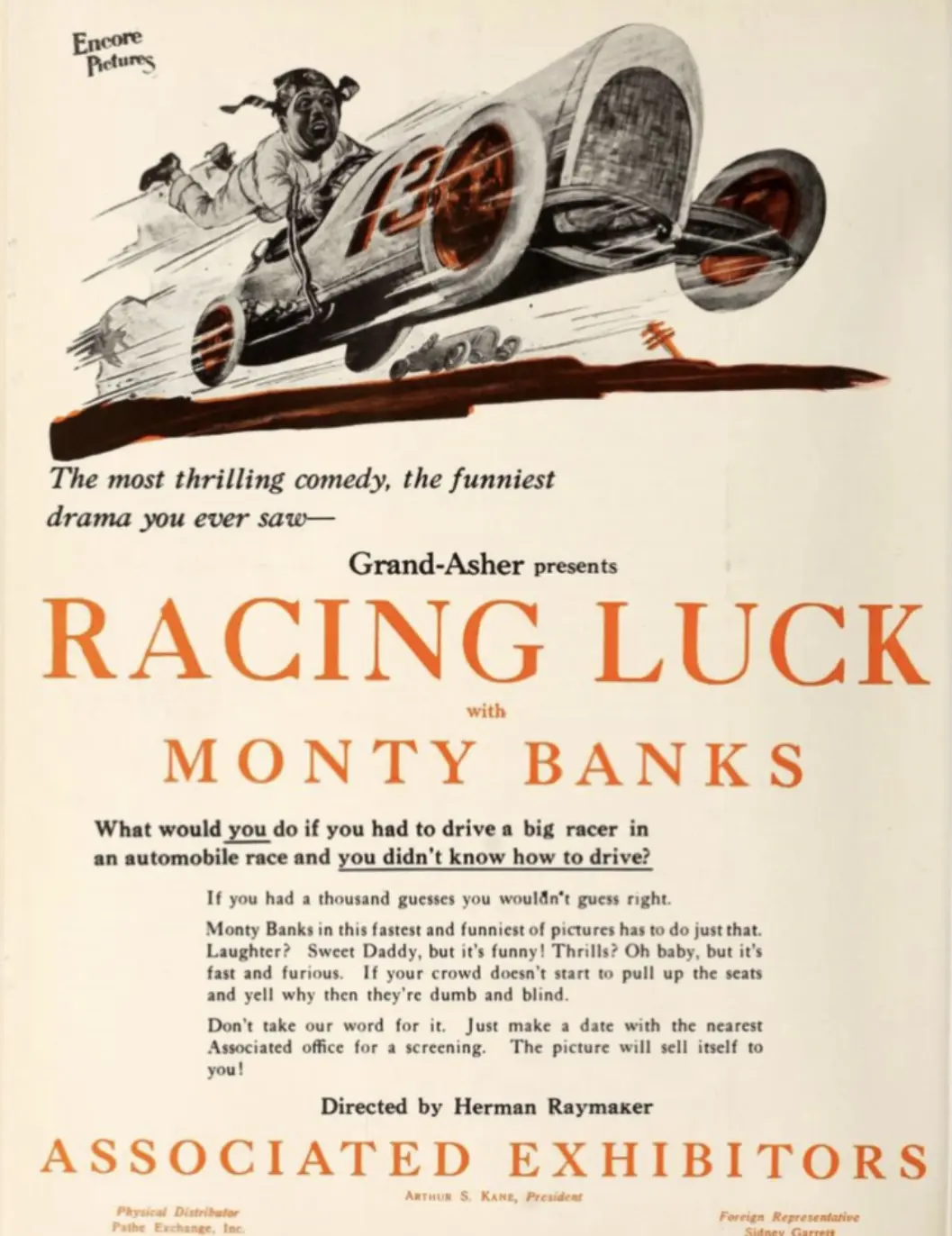
The celluloid landscape of 1924 was a crucible for comedic evolution, a year where the kinetic energy of the silent era began to fuse with the burgeoning American obsession with industrial velocity. At the heart of this transformation sits Racing Luck, a film that deftly navigates the precarious tightrope between immigrant pathos and the adrenaline-soaked spectacle of early motorsport.
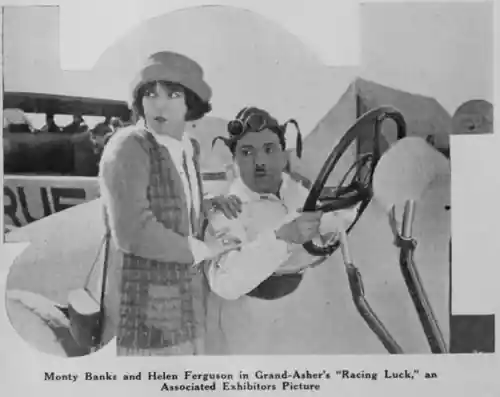
Monty Banks, an actor whose physicality often rivaled the elastic brilliance of Buster Keaton, delivers a performance here that is as much about social survival as it is about pratfalls. Playing Mario Bianchi, Banks embodies the wide-eyed optimism of the New World arrival. Unlike the more somber explorations of the immigrant experience found in The Good Provider, *Racing Luck* utilizes the restaurant setting not merely as a backdrop for labor, but as a stage for cultural preservation. When Mario teaches Rosina (the luminous Helen Ferguson) the traditional dances of their homeland, the camera lingers on the rhythmic synergy, suggesting that identity is the only currency the protagonist truly possesses.
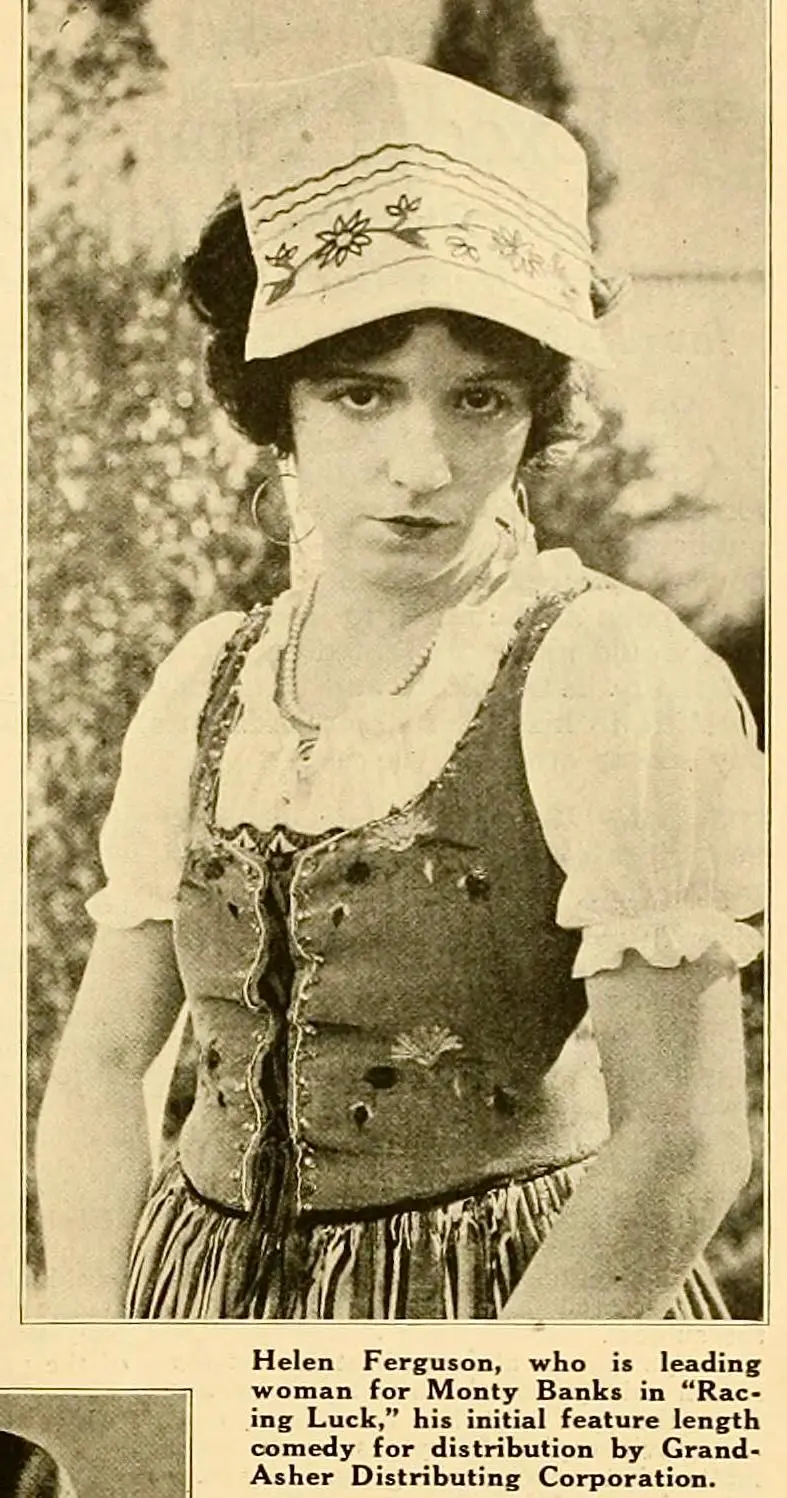
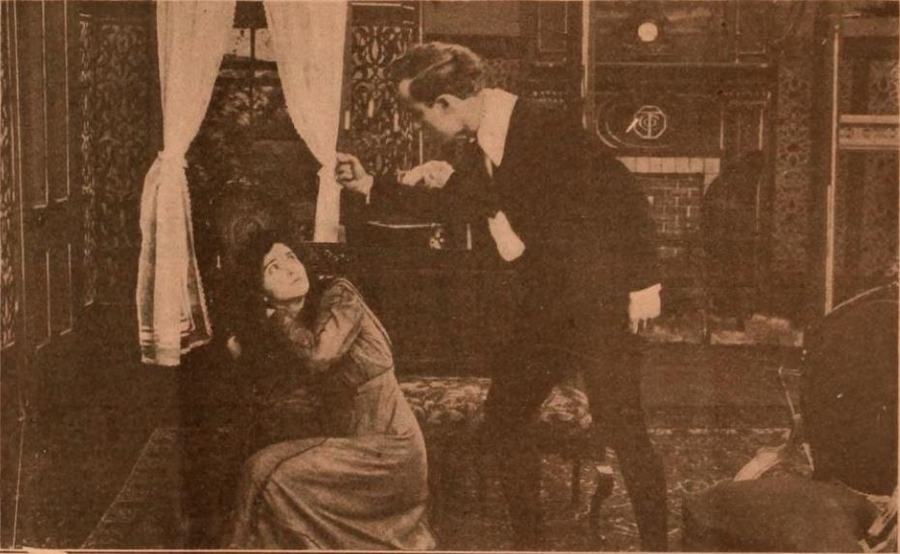
The narrative tension escalates with the introduction of Tony Mora, portrayed by Francis McDonald with a slick, oily menace that predates the sophisticated gangsters of the 1930s. Mora represents the internal rot within the immigrant community—the predator who preys on his own. This conflict isn't just about a girl; it's about the right to exist without paying tribute to the shadows. When Mario strikes Mora to protect Rosina, he isn't just defending her honor; he is rebelling against a system of localized tyranny that mirrors the broader injustices seen in films like The Clean-Up.
The second act of *Racing Luck* shifts gears with a jarring, yet effective, transition into the world of professional racing. The trope of mistaken identity—a staple of the era—is handled here with a frantic grace. Mario, destitute and blacklisted by Mora’s far-reaching influence, finds himself behind the wheel of a mechanical beast. This transition from the domestic sphere of the restaurant to the grease-stained arena of the racetrack serves as a metaphor for the rapid modernization of the 1920s.
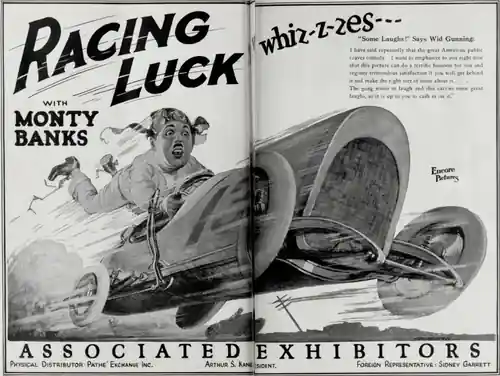
The cinematography during the racing sequences is nothing short of miraculous for its time. While many contemporary films, such as Tess of the D'Urbervilles, focused on the pastoral and the poetic, *Racing Luck* embraces the blur of the horizon. The sabotage of Mario’s vehicle by Mora’s henchmen provides a visceral stakes-raising mechanism. It’s no longer just a race for a trophy; it’s a race against a death sentence. The editing becomes more aggressive, cutting between the straining engine components and Banks’ determined, soot-covered face. It’s a masterclass in building tension without the benefit of a synchronized score, relying entirely on the visual language of peril.
To categorize *Racing Luck* as mere comedy would be a reductive disservice to its thematic depth. When we look at the emotional core of the film, it shares a surprising amount of DNA with The Girl I Loved. Both films deal with the agonizing fear of losing the one person who makes a harsh reality bearable. However, where Charles Ray’s work leans into the melancholic, Banks leans into the propulsive. Mario’s response to adversity isn't to wither, but to accelerate.
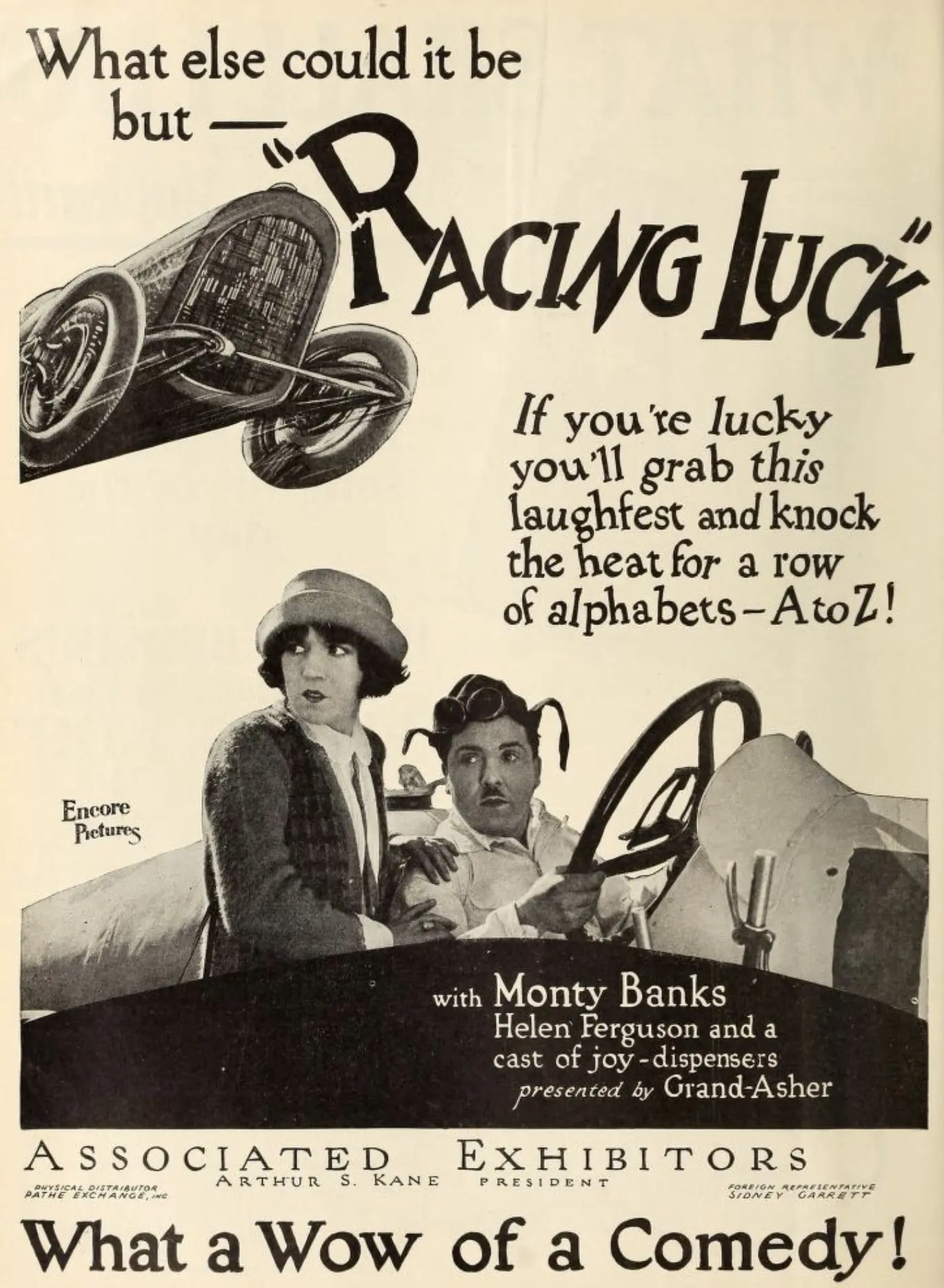
Furthermore, the film’s treatment of the "adopted daughter" trope—Rosina—echoes the vulnerability seen in Oliver Twist, yet Helen Ferguson gives her a modern agency. She isn't just a prize to be won; she is a participant in Mario’s journey, her support serving as the fuel for his final, desperate lap. The chemistry between Ferguson and Banks provides the necessary emotional ballast to ensure the racing climax feels earned rather than merely gimmicky.
Directed with a keen eye for spatial dynamics, the film utilizes New York City as a character in its own right. The contrast between the claustrophobic interiors of the restaurant and the expansive, dangerous freedom of the track is stark. The lighting in the restaurant scenes uses deep shadows to hint at the lurking threat of Mora, while the outdoor sequences are flooded with a harsh, unforgiving light that exposes every vibration of the racing cars.
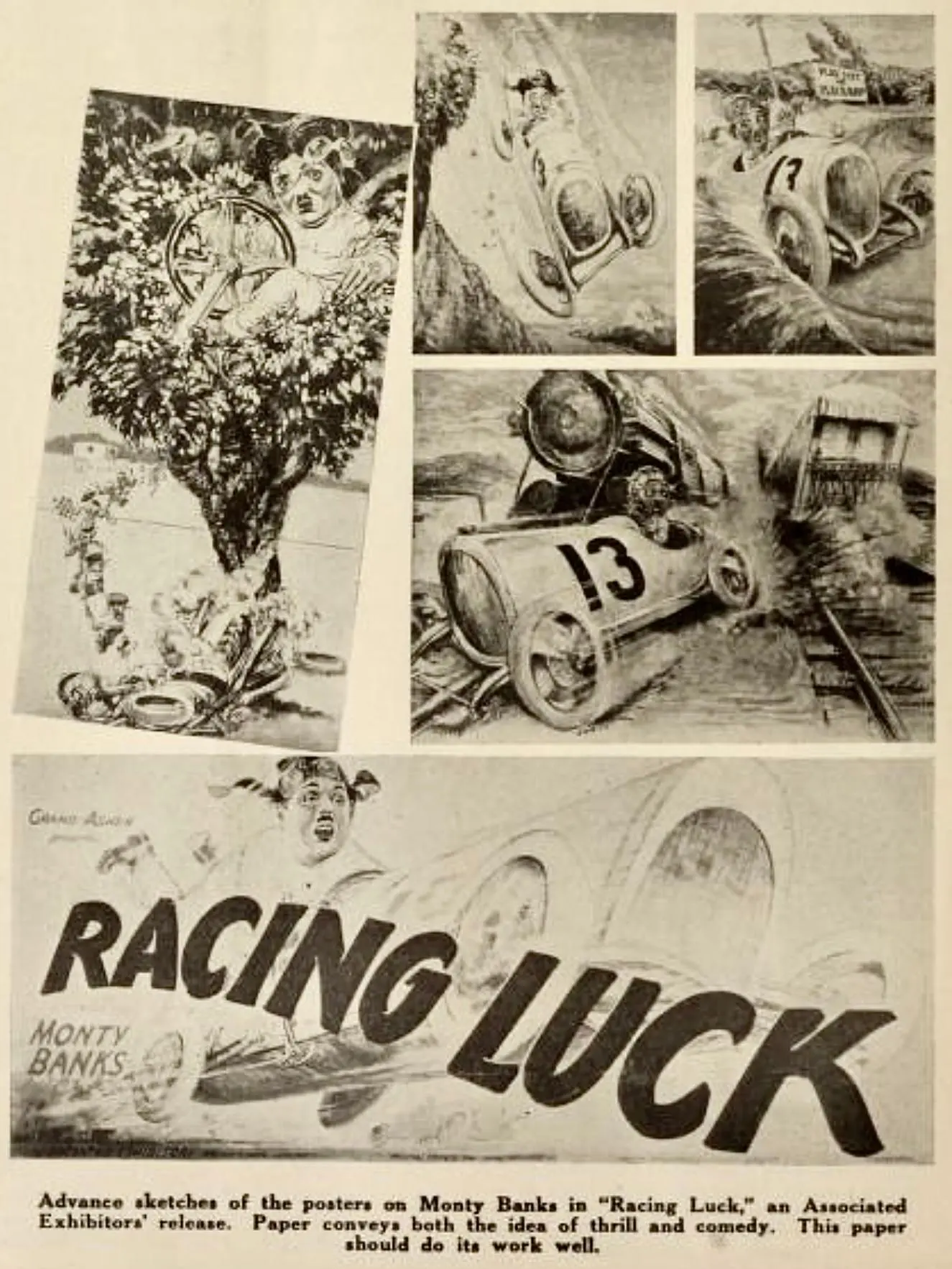
The writing, credited to Lex Neal and Jean C. Havez, displays a sophisticated understanding of pacing. Havez, a veteran of the Keaton camp, brings that signature logic to the absurdity. Every gag in the first act pays dividends in the third. The Italian dances Mario teaches Rosina aren't just fluff; they establish the physical coordination that eventually allows Mario to survive a sabotaged steering column. It is this level of narrative cohesion that elevates *Racing Luck* above the ephemeral shorts of the period.
As we dissect the final moments—the triumphant crossing of the finish line, the dispersal of the prize money, and the inevitable wedding—we are left with a sense of profound satisfaction. *Racing Luck* is a testament to the resilience of the human spirit when pitted against the twin engines of social corruption and mechanical failure. It stands as a vibrant bridge between the character-driven dramas of the early silent era and the spectacle-driven blockbusters that would follow.
In the pantheon of 1924 releases, it may not possess the literary weight of a Tess or the gothic intrigue of other contemporary works, but it possesses a heartbeat that is undeniably loud and syncopated. It is a film that demands to be watched not as a dusty relic, but as a living, breathing piece of cinematic machinery. The performances of Martha Franklin, Lionel Belmore, and the rest of the supporting cast create a rich tapestry of urban life that feels authentic, gritty, and ultimately, hopeful.
*Racing Luck* is a high-octane celebration of the underdog. It successfully synthesizes the immigrant narrative with the thrill of the chase, delivering a cinematic experience that is as emotionally resonant as it is visually stimulating. Monty Banks proves himself a titan of the era, and this film remains a quintessential example of why the silent era continues to captivate the modern imagination. If you seek a film that captures the frantic, beautiful soul of the 1920s, look no further than this overlooked masterpiece.
IMDb —
1926
Community
Log in to comment.