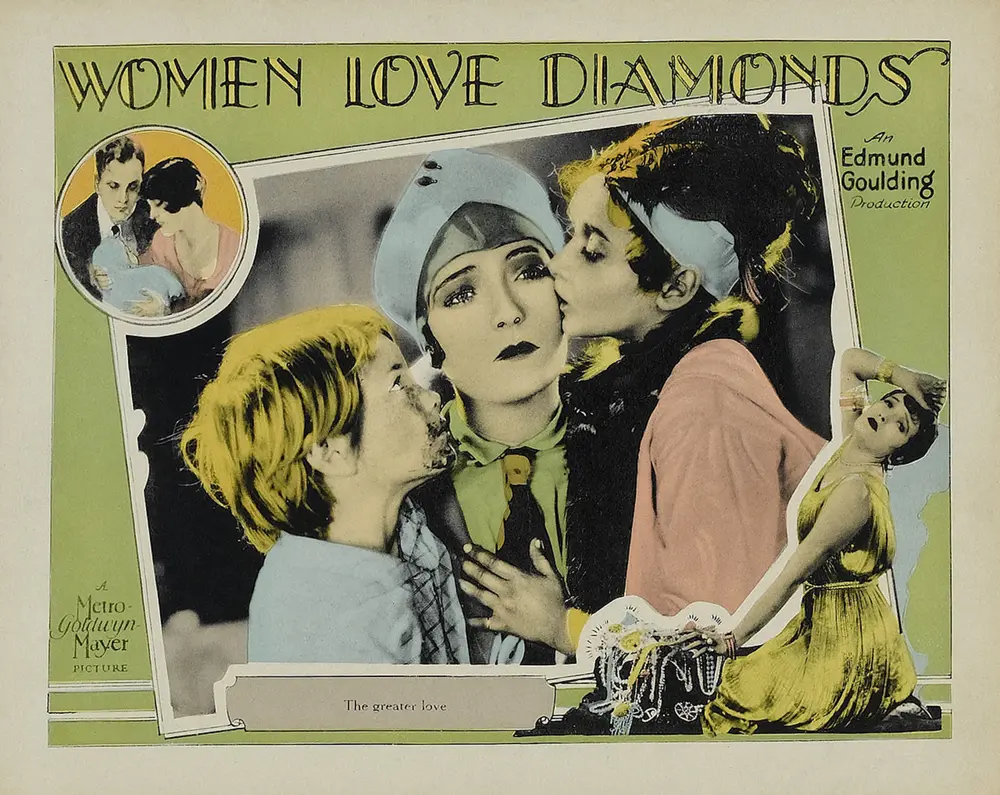
A definitive 5.9/10 rating for a film that redefined the boundaries of cult cinema. Women Love Diamonds remains a cornerstone of transgressive art.
Is Women Love Diamonds a film worth unearthing from the silent era's vast archives today? The short answer is a resounding 'yes,' but with significant caveats that demand a particular kind of viewer. This is a film for those who appreciate the raw, often melodramatic, power of early cinema and the social commentary it often delivered, even inadvertently.
It is not for audiences seeking fast-paced narratives, nuanced character development by modern standards, or a lighthearted escape. If you're prepared to engage with a historical artifact that speaks volumes about societal norms of its time, then settle in. Otherwise, you might find its pace and thematic focus a challenge.
A Gilded Cage of Illegitimacy
The premise of Women Love Diamonds is deceptively simple, yet it unlocks a complex tapestry of societal judgment and personal yearning. At its core, it’s a tale of a young woman, played with a compelling blend of vulnerability and defiance by Nanci Price, whose path to marital bliss with a wealthy suitor is blocked by the indelible stain of her illegitimate birth. This single plot point, seemingly quaint by today's standards, was a potent social taboo in the early 20th century, and the film leverages it to explore themes of class, morality, and the suffocating grip of reputation.
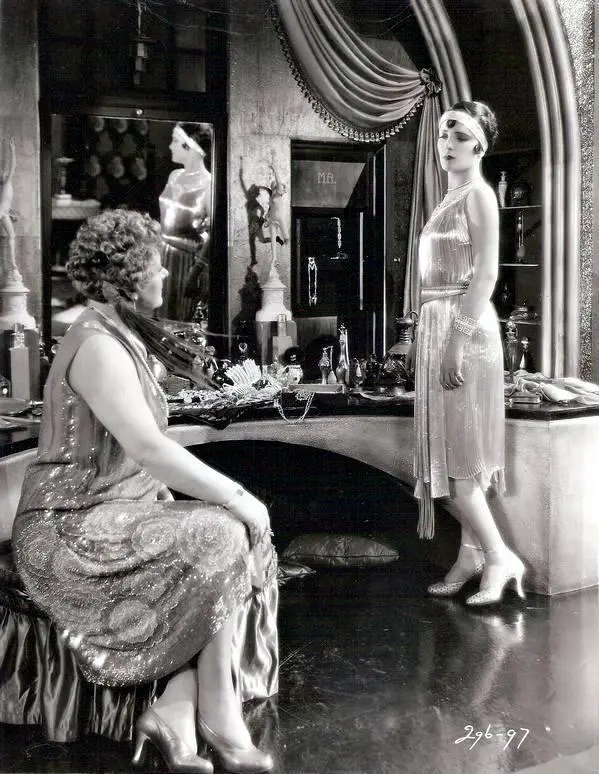
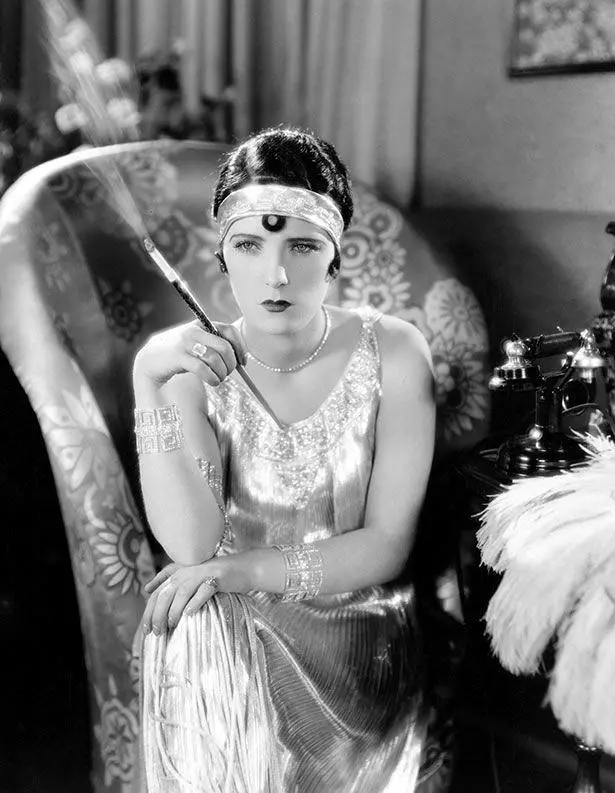
Scene from Women Love Diamonds
Cinematic perspective: Exploring the visual vocabulary of Women Love Diamonds (1927) through its definitive frames.
What makes this film particularly intriguing is its unflinching gaze at the arbitrary cruelty of social convention. The protagonist’s inherent worth, her character, and her love are rendered secondary to a biological fact beyond her control. This isn't just a story about unrequited love; it's a stark indictment of a system that codified prejudice, making it a powerful, if sometimes heavy-handed, piece of social commentary.
The Silent Language of Society's Scrutiny
Edmund Goulding, credited among the writers, crafts a narrative that, while perhaps melodramatic to modern eyes, effectively communicates the crushing weight of societal judgment through visual storytelling. The film relies heavily on the evocative power of its performers and the expressive language of silent cinema to convey emotional torment and societal ostracization. One particular scene, where the protagonist is subtly but unmistakably shunned at a social gathering, speaks volumes without a single word. The lingering shots on her face, juxtaposed with the hushed whispers and averted gazes of others, are far more impactful than any dialogue could be.
The film’s title itself, Women Love Diamonds, feels almost ironic given the central conflict. It hints at superficial desires, at a world where material wealth and status are paramount. Yet, the protagonist's struggle transcends mere materialism; she seeks acceptance, legitimacy, and love, things that diamonds, no matter how brilliant, cannot buy when society has already judged her unworthy.
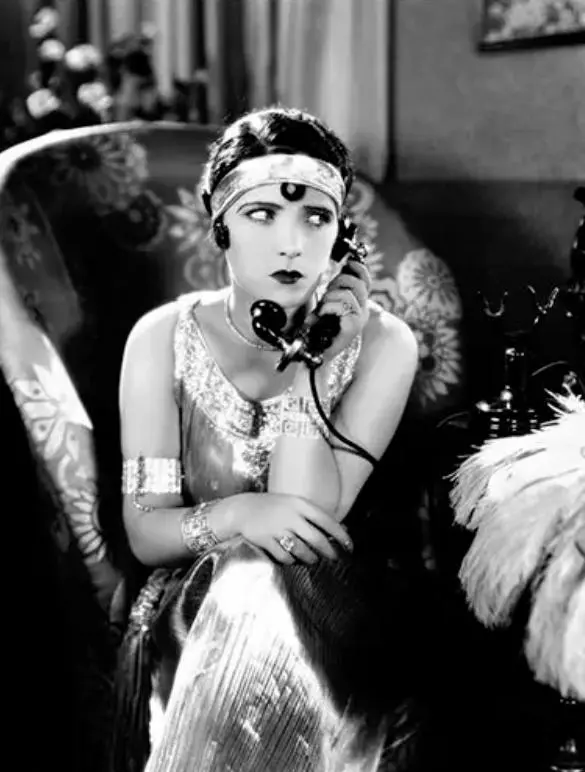
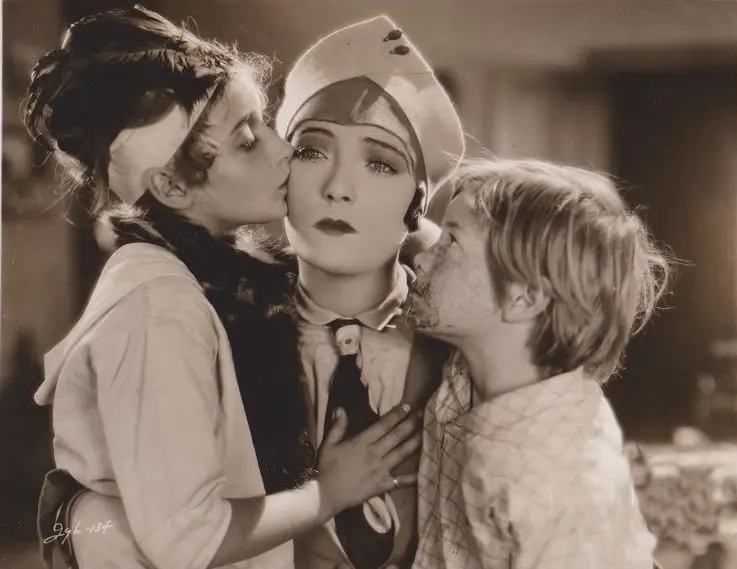
Scene from Women Love Diamonds
Cinematic perspective: Exploring the visual vocabulary of Women Love Diamonds (1927) through its definitive frames.
Direction and Cinematography: Crafting the Gilded Cage
The direction in Women Love Diamonds, while not revolutionary, is competent and often effective in conveying the film's central themes. The framing frequently emphasizes the isolation of the protagonist, often placing her alone or at the periphery of groups, visually reinforcing her status as an outsider. Director Edmund Goulding, who would later helm classics like Grand Hotel, demonstrates an early command of visual storytelling, using close-ups to highlight emotional distress and wider shots to establish the opulent yet unforgiving settings.
Cinematography, a crucial element in silent film, plays a vital role here. The use of lighting, particularly in interior scenes, often creates a chiaroscuro effect, casting long shadows that mirror the protagonist's internal turmoil and the dark secret that hangs over her. There's a notable sequence involving a ball, where the bright, dazzling lights of the chandelier contrast sharply with the protagonist's somber expressions, a visual metaphor for the superficial brilliance of a world she cannot fully enter. This stark contrast is a powerful example of how the film uses its visual language to deepen its emotional impact.
Performances: A Silent Symphony of Emotion
The ensemble cast, featuring names like Nanci Price, Pauline Starke, Gwen Lee, and a young Douglas Fairbanks Jr., delivers performances that range from the subtly expressive to the overtly theatrical, a hallmark of silent cinema. Nanci Price, as the burdened protagonist, carries the emotional weight of the film with remarkable grace. Her large, expressive eyes and controlled gestures communicate a profound sense of injustice and longing, making her plight genuinely sympathetic.
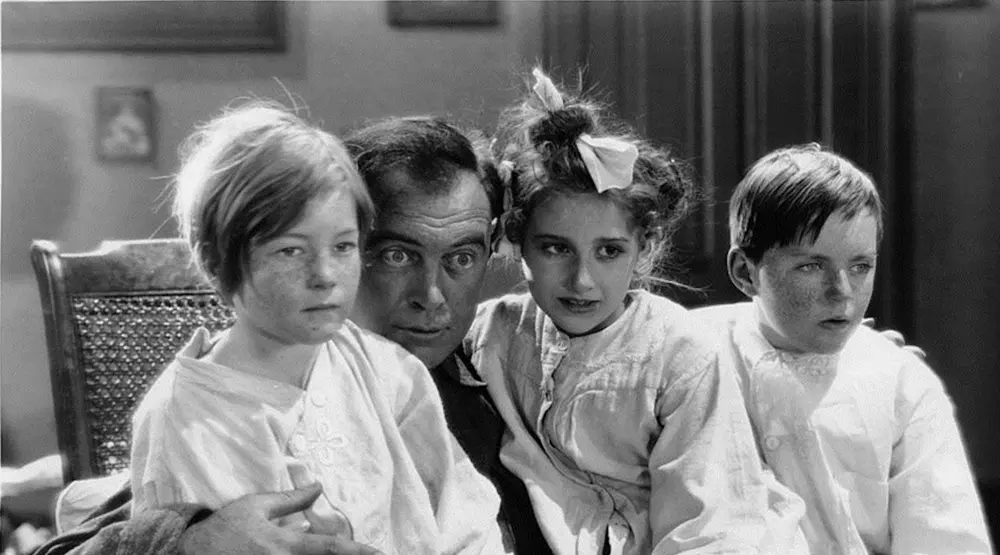
Scene from Women Love Diamonds
Cinematic perspective: Exploring the visual vocabulary of Women Love Diamonds (1927) through its definitive frames.
Lionel Barrymore, even in what might be a supporting role, brings a certain gravitas to his presence, his mere appearance often signaling impending dramatic tension. Douglas Fairbanks Jr., still early in his career, showcases a youthful earnestness that makes his character's dilemma feel palpable. While silent film acting can sometimes feel exaggerated to modern audiences, the performances here are largely effective within their historical context, relying on clear, unambiguous expressions to convey complex emotions without dialogue. The silent film actor's art was a demanding one, requiring a mastery of pantomime and facial control, and this cast largely rises to the occasion. Pauline Starke, too, provides a memorable turn, her presence often injecting a vibrant energy that balances the film’s more somber moments.
Pacing and Tone: A Measured Melodrama
The pacing of Women Love Diamonds is deliberate, characteristic of many silent dramas. It takes its time to establish the social milieu and the emotional stakes. This measured approach allows the audience to fully absorb the protagonist's predicament, but it can also feel slow for viewers accustomed to contemporary narrative speeds. There are moments where the narrative lingers, perhaps a beat too long, on a reaction or a symbolic gesture.
The tone is undeniably melodramatic, which is not a criticism but an observation of its genre. The film leans into heightened emotions and dramatic reveals, a style that was immensely popular and effective in its day. This melodrama serves to amplify the injustice of the protagonist's situation, ensuring that the audience feels the full weight of her suffering. However, for those allergic to overt emotionalism, this aspect might be a hurdle. It's a film that asks you to surrender to its emotional currents, to feel the injustice rather than merely intellectualize it.
Scene from Women Love Diamonds
Cinematic perspective: Exploring the visual vocabulary of Women Love Diamonds (1927) through its definitive frames.
Historical Context and Social Commentary
Beyond its dramatic narrative, Women Love Diamonds functions as a fascinating social document. It provides a window into the anxieties and moral codes of the era, particularly concerning class, reputation, and the constrained roles of women. The illegitimacy plot point, while a dramatic device, reflects very real societal stigmas that could ruin lives and opportunities.
The film, perhaps unintentionally, critiques the very systems it portrays. It highlights the hypocrisy of a society that values outward appearances and inherited status over individual merit and genuine affection. This makes it more than just a period piece; it's a commentary on enduring human struggles against arbitrary social barriers. Its exploration of these themes is surprisingly relevant, even today, in how we grapple with prejudice and inherited disadvantage.
Is This Film Worth Watching Today?
Yes, Women Love Diamonds is worth watching for film historians, silent cinema enthusiasts, and anyone interested in the social history reflected in early 20th-century entertainment. It offers a compelling, if sometimes overly dramatic, look at societal prejudices and the human cost of rigid class structures. Its performances are engaging, and its visual storytelling remains effective. However, new viewers to silent film should approach it with an open mind and an understanding of the cinematic conventions of the era.
Scene from Women Love Diamonds
Cinematic perspective: Exploring the visual vocabulary of Women Love Diamonds (1927) through its definitive frames.
This Film Works Because...
This film works because of its powerful, albeit melodramatic, central conflict that resonates with timeless themes of injustice and social ostracism. Nanci Price's empathetic performance anchors the emotional core, making her plight genuinely moving. Furthermore, its historical value as a document of early 20th-century social mores is undeniable, offering a poignant critique of inherited status and the arbitrary cruelty of reputation.
This Film Fails Because...
This film fails because its pacing can feel sluggish for contemporary audiences, and its reliance on overt melodrama might deter those seeking more subtle storytelling. While historically accurate, the simplistic resolution or continued suffering often inherent in such plots can feel dated, lacking the nuanced character arcs modern viewers expect. It also suffers from the inherent limitations of silent filmmaking, where exposition can sometimes feel clunky through intertitles.
You Should Watch It If...
You should watch it if you have a genuine interest in silent cinema, social dramas, or the historical context of early Hollywood. It's an excellent example of how films of this era tackled significant social issues, even if through a lens of melodrama. It’s also for those who appreciate strong, expressive performances without the aid of dialogue, particularly the turn by Nanci Price.
Pros and Cons
Pros:
Powerful Social Commentary: Unflinchingly tackles themes of class, legitimacy, and societal prejudice.
Strong Central Performance: Nanci Price delivers a compelling and empathetic portrayal of the protagonist.
Effective Visual Storytelling: Leverages cinematography and acting to convey complex emotions without dialogue.
Historical Significance: Offers valuable insight into early 20th-century moral codes and cinematic conventions.
Engaging Ensemble: The supporting cast, including a young Douglas Fairbanks Jr. and the formidable Lionel Barrymore, adds depth.
Cons:
Pacing Issues: Can feel slow and deliberate for modern viewers accustomed to faster narratives.
Overt Melodrama: The heightened emotionalism might be off-putting to some contemporary audiences.
Dated Tropes: Certain plot devices and characterizations feel distinctly of their time, lacking modern subtlety.
Limited Nuance: While effective, the lack of spoken dialogue can sometimes limit the depth of character exploration.
Requires Historical Context: Enjoyment is greatly enhanced by an understanding of silent film conventions.
Key Takeaways
Best for: Silent film aficionados, social drama enthusiasts, and those interested in historical cinematic perspectives.
Not for: Viewers seeking fast-paced action, lighthearted entertainment, or a modern, subtle narrative style.
Standout element: Nanci Price's truly moving and expressive performance, embodying the film's core tragedy.
Biggest flaw: Its often glacial pacing and reliance on archetypal melodramatic conventions can be a barrier for new audiences.
Verdict
Women Love Diamonds is more than just a relic; it's a testament to the enduring power of storytelling, even without spoken words. It works. But it’s flawed. Its strengths lie in its bold social commentary and the raw emotionality of its performances, particularly from Nanci Price, who truly shines as the embattled protagonist. The film’s exploration of class, legitimacy, and the unforgiving nature of societal judgment remains potent, offering a valuable glimpse into the moral fabric of an earlier era.
However, its deliberate pacing and adherence to silent-era melodramatic conventions will undoubtedly test the patience of some. This isn't a film you passively consume; it demands engagement, a willingness to step back in time and appreciate its artistry on its own terms. For those willing to make that leap, Women Love Diamonds offers a surprisingly resonant, if sometimes challenging, experience. It’s a diamond in the rough, perhaps, but one that certainly deserves to be rediscovered and appreciated for its unique sparkle and its enduring, albeit silent, roar against injustice.
Share this archive
IMDb 5.6
How I Play Golf, by Bobby Jones No. 6: 'the Big Irons'