DbcultAccessing Vault...
6.4/10
Senior Film Conservator

A definitive 6.4/10 rating for a film that redefined the boundaries of cult cinema. Women's Misery - Women's Happiness remains a cornerstone of transgressive art.
Alright, let's talk about Women's Misery - Women's Happiness. If you’re into older films, especially silent ones that really tackle big, tough subjects, then yes, this one is absolutely worth watching today. It’s a bit of a heavy lift, certainly not a light Sunday afternoon flick. History buffs and anyone curious about how sensitive social issues were portrayed on screen nearly a century ago will find a lot to chew on here. But if you're looking for fast pacing or something purely entertaining, you’ll probably find yourself a bit frustrated. This film demands your attention differently.

Grigoriy Aleksandrov, the writer, really put a spotlight on something that’s still talked about today: abortion. But it’s not just the act itself. It’s the *context* around it. The film, in its starkest moments, shows you two worlds. On one side, women who, because of money or status, can go to a proper hospital. Clean, sterile, maybe not easy, but safe. On the other? Women who have nowhere to turn but dangerous, back-alley places. It’s a brutal contrast, and it’s laid out without flinching.
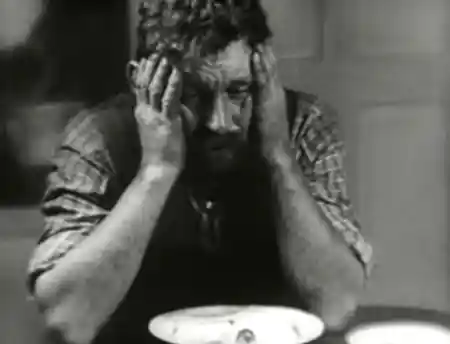
There's this early scene, I remember it quite well. It cuts between the two scenarios. One woman, maybe Walburga Gmür, I think, her face is just a mix of fear and resignation as she enters a grand, almost sterile-looking building. Then, boom, you’re in a cramped, dark room. The lighting changes everything. It’s like the film is screaming, *'Look at this injustice!'* 😡

The pacing is very much of its time. It’s not rushed. Sometimes a reaction shot lingers just a little longer than you expect. This isn’t a flaw, though; it forces you to sit with the emotion. You really get to observe the actors, like Johannes Steiner, convey so much through just their eyes or a subtle shift in posture. No dialogue, just pure visual storytelling.

One detail that sticks with you is the sheer desperation in some of the women’s faces. It's not over-the-top melodrama all the time, actually. There are moments of quiet despair that are *way more impactful* than any big, dramatic gesture. You can almost feel the weight of their choices. It’s a very human feeling that transcends the era.

The film makes good use of its environment too. The bustling city streets, the shadowy corners. It helps build this sense of a world indifferent to individual suffering. Or at least, a world where suffering is very much stratified by economic standing. The crowd scenes have this oddly specific energy, almost like everyone is going about their business, oblivious, while these profound personal dramas unfold.
It's interesting, the title: Misery - Happiness. It’s not a simple equation. It doesn’t suggest one path leads to misery and another to happiness in a straightforward way. It’s more complex than that. Sometimes, what seems like a solution only leads to a different kind of burden. Or perhaps, a brief moment of relief followed by something else entirely. The film doesn't really give easy answers, which is kinda great for a movie of this age.
Some of the intertitles felt a bit clunky, you know, the way old silent film text can be. But they do their job, pushing the story forward and giving you just enough context. It’s a reminder that this was a primary way information was conveyed back then. It's a different rhythm for sure.
The whole thing feels very bold for its time. To tackle such a topic head-on, without shying away from the realities. It's not a preachy film, either. It mostly just *shows* you, letting you draw your own conclusions. That’s probably its biggest strength. It trusts the viewer, which is a rare thing.
If you're looking for a profound cinematic experience that makes you think, not just entertains, give this one a shot. It's a window into an older world with surprisingly modern problems. Not every observation needs to be perfectly tied up, but the overall feeling is one of a film that *mattered* then, and still holds a certain weight now. It's definitely not one you just forget after watching. It kinda sticks with you. 🤔
IMDb 5.6
1926
Community
Log in to comment.