A definitive 6.5/10 rating for a film that redefined the boundaries of cult cinema. Yagodka lyubvi remains a cornerstone of transgressive art.
Is Aleksandr Dovzhenko's 1926 silent film, Yagodka lyubvi, worth watching today? Short answer: yes, but with significant caveats that demand a particular kind of viewer. This film is an essential watch for silent cinema enthusiasts, film historians, and those interested in the early works of a directorial giant like Dovzhenko, especially if you appreciate absurdist humor and social commentary. It is decidedly not for viewers seeking modern pacing, clear-cut narratives, or easily digestible emotional arcs.
Let's be clear upfront: this isn't a universally accessible popcorn flick. It's a piece of cinematic history that, while rough around the edges, offers unique insights into early Soviet filmmaking and the burgeoning satirical voice of one of its most revered directors. Approach it as an archaeological expedition, and you'll unearth some fascinating treasures.
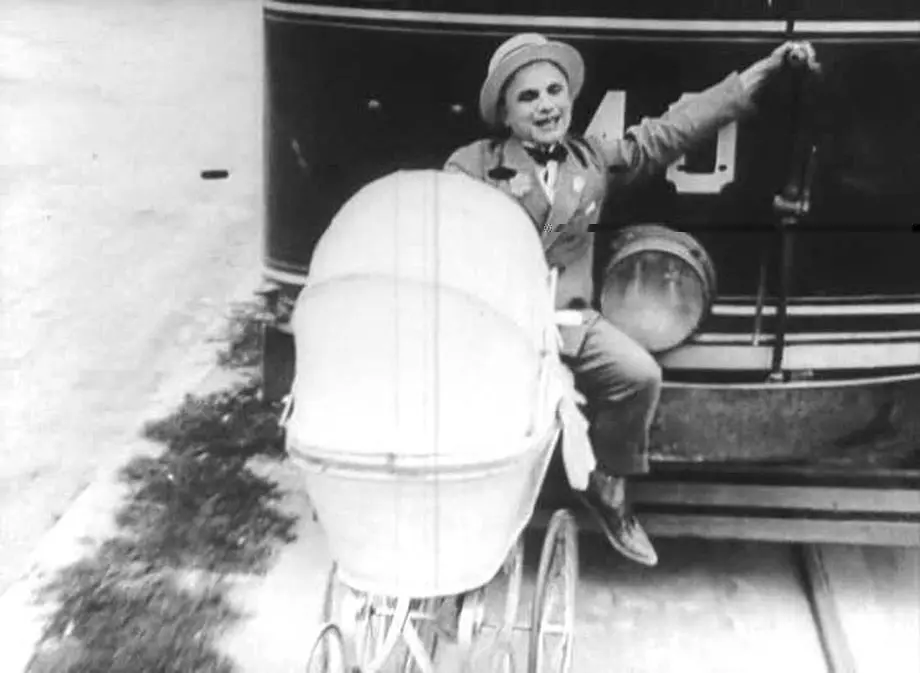
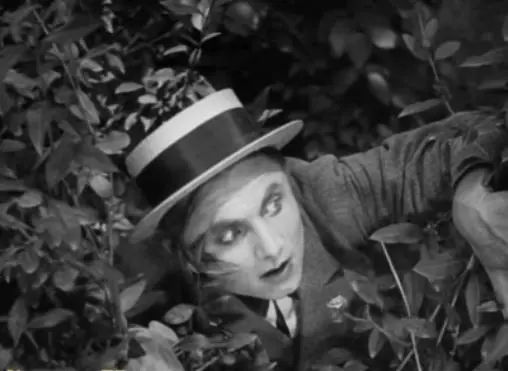
Scene from Yagodka lyubvi
Cinematic perspective: Exploring the visual vocabulary of Yagodka lyubvi (1926) through its definitive frames.
The Reluctant Father: A Premise Ahead of Its Time
At its core, Yagodka lyubvi, or 'Love's Berry' (sometimes translated as 'The Berry of Love'), is a dark comedy of domestic inconvenience. We are introduced to Jean, a hairdresser whose life is meticulously ordered around his own comfort and vanity. His world is a calm, self-centered pool until Lisa, his girlfriend, abruptly drops a baby into his lap, declaring it the 'fruit of love'.
Jean's reaction is not one of paternal warmth, but outright horror and a profound sense of imposition. This isn't the sentimental journey of a man reluctantly embracing fatherhood; it's the frantic, often cruel, odyssey of a man desperate to shed an unwanted burden. The film's premise, centered on a man actively trying to rid himself of his own child, was surprisingly audacious for its era, pushing boundaries of comedic morality.
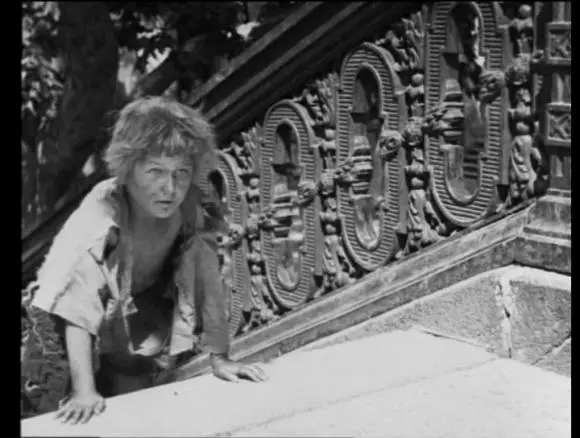
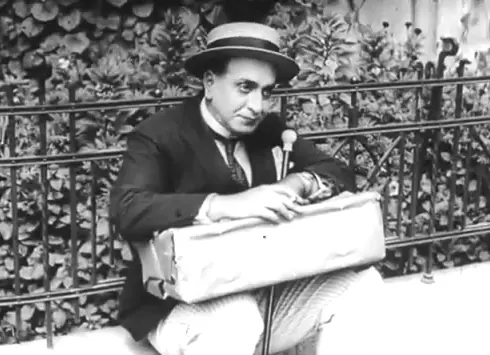
Scene from Yagodka lyubvi
Cinematic perspective: Exploring the visual vocabulary of Yagodka lyubvi (1926) through its definitive frames.
His attempts to dispose of the child range from the subtly manipulative to the outright absurd. He tries to leave it in public places, pawn it off on unsuspecting strangers, and even attempts to abandon it. These escalating efforts form the backbone of the film’s episodic structure, each failure deepening Jean’s exasperation and the audience’s uncomfortable amusement.
Why This Film Still Resonates (and Where it Stumbles)
This film works because: It showcases Dovzhenko's nascent genius for visual storytelling and satirical bite, offering a surprisingly dark and cynical take on societal expectations of fatherhood, all wrapped in a deceptively light comedic package.
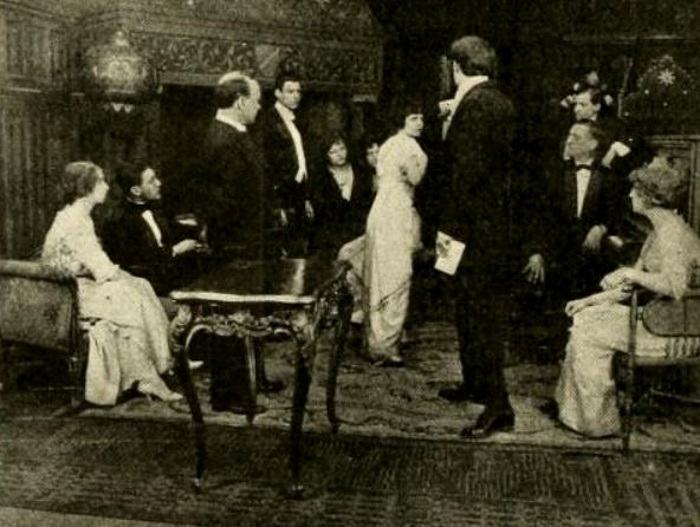
Scene from Yagodka lyubvi
Cinematic perspective: Exploring the visual vocabulary of Yagodka lyubvi (1926) through its definitive frames.
This film fails because: Its pacing can feel disjointed by contemporary standards, and some of its comedic elements, while historically significant, may not land with universal appeal for a modern audience unfamiliar with silent film conventions.
You should watch it if: You are prepared to engage with early cinematic language, appreciate a director's foundational work, and enjoy films that challenge conventional notions of character and morality, particularly through the lens of dark comedy.
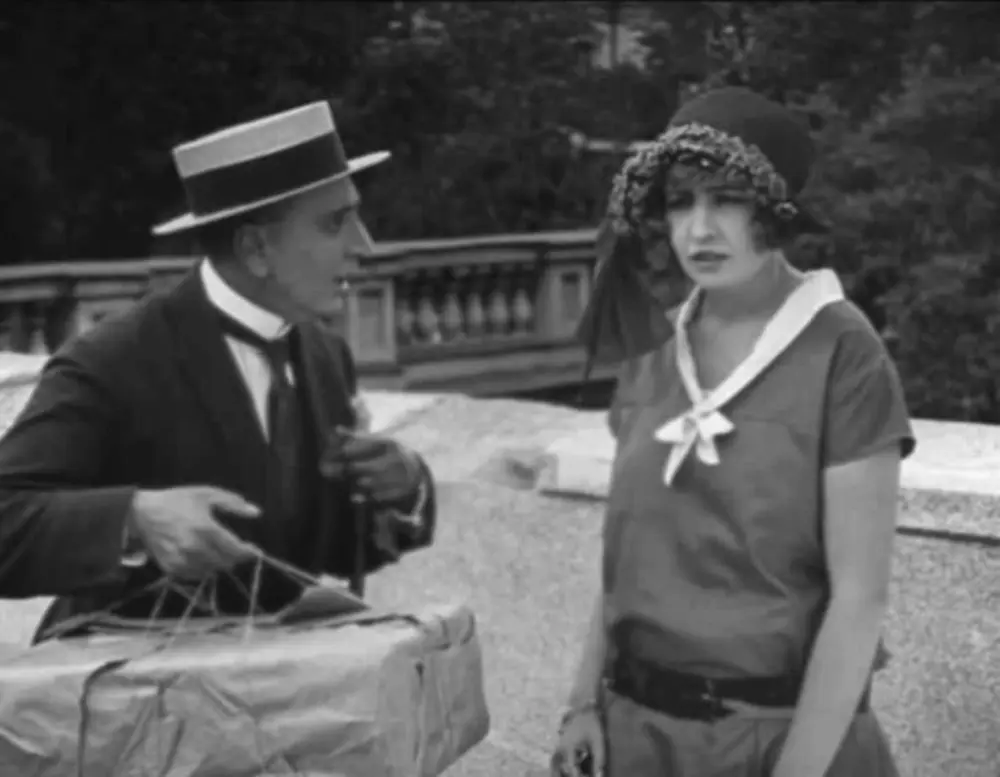
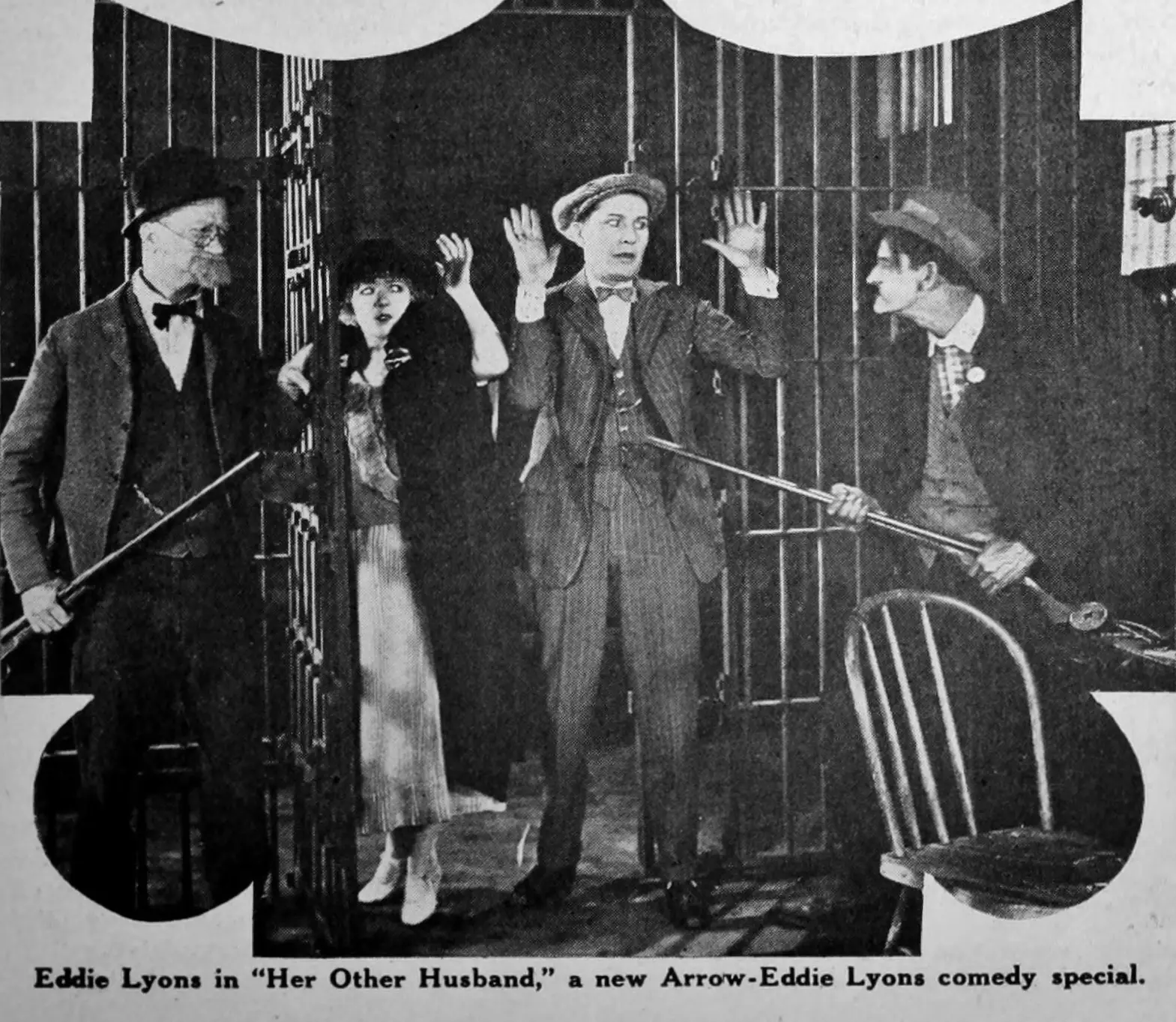
Scene from Yagodka lyubvi
Cinematic perspective: Exploring the visual vocabulary of Yagodka lyubvi (1926) through its definitive frames.
The film’s strength lies in its willingness to portray an unsympathetic protagonist without apology. Jean is no hero; he is a selfish, petulant man-child, and the humor derives from his increasingly desperate and morally questionable schemes. This refusal to soften its lead character is a bold stroke, one that sets it apart from many contemporary comedies of the era, which often relied on more charming, if misguided, protagonists.
Dovzhenko's Early Vision: Directing and Cinematography
Yagodka lyubvi marks an important early work for Aleksandr Dovzhenko, a director who would later achieve international acclaim for films like Arsenal and Earth. Even in this comedic short, flashes of his distinctive visual style and thematic preoccupations are evident. The film utilizes a surprisingly dynamic camera for its time, with some inventive angles and fluid movements that suggest a director experimenting with the medium's expressive potential.
Scene from Yagodka lyubvi
Cinematic perspective: Exploring the visual vocabulary of Yagodka lyubvi (1926) through its definitive frames.
Consider the scenes where Jean attempts to ditch the baby in various public spaces. Dovzhenko employs quick cuts and shifting perspectives to emphasize Jean's furtive movements and paranoid glances, creating a sense of harried desperation. This isn't just static camera work; there's a conscious effort to use the camera to convey psychological states, a hallmark of more sophisticated filmmaking.
The cinematography, while constrained by the technology of 1926, still manages to create effective visual gags and atmosphere. The contrast between Jean's pristine, ordered salon and the chaotic, unpredictable world of parenthood is subtly highlighted through set design and lighting. The film's visual humor often relies on slapstick, but it's executed with a precision that elevates it beyond mere silliness, hinting at the satirical bite that would define Dovzhenko's later work.
Performances That Speak Volumes (Without Words)
In silent cinema, acting is a delicate art, requiring performers to convey complex emotions and intentions through exaggerated gestures, facial expressions, and body language. Maryan Krushelnitsky, as Jean, absolutely delivers. His performance is a masterclass in silent film comedy, oscillating between theatrical exasperation, frantic panic, and self-pitying despair.
Krushelnitsky's facial contortions, from wide-eyed shock at the baby's arrival to the grim determination as he plots its disposal, are consistently hilarious and disturbing. He makes Jean’s selfishness palpable, never once asking for audience sympathy. This is a brave choice for an actor, and it pays off, making Jean a memorable, if despicable, character.
Ksana Zapadnaya, as Lisa, provides a compelling counterpoint. Her initial placid demeanor as she hands off the baby quickly gives way to a more assertive, almost accusatory presence as she observes Jean's attempts to shirk responsibility. While her screen time is less, her expressions effectively communicate a woman who is both weary of Jean's immaturity and resigned to his antics, adding a layer of domestic realism to the absurdity.
The supporting cast, including Dmitriy Kapka and Nikolai Nademsky, populate Jean's world with caricatures that serve the