DbcultAccessing Vault...
Cult Review
Senior Film Conservator
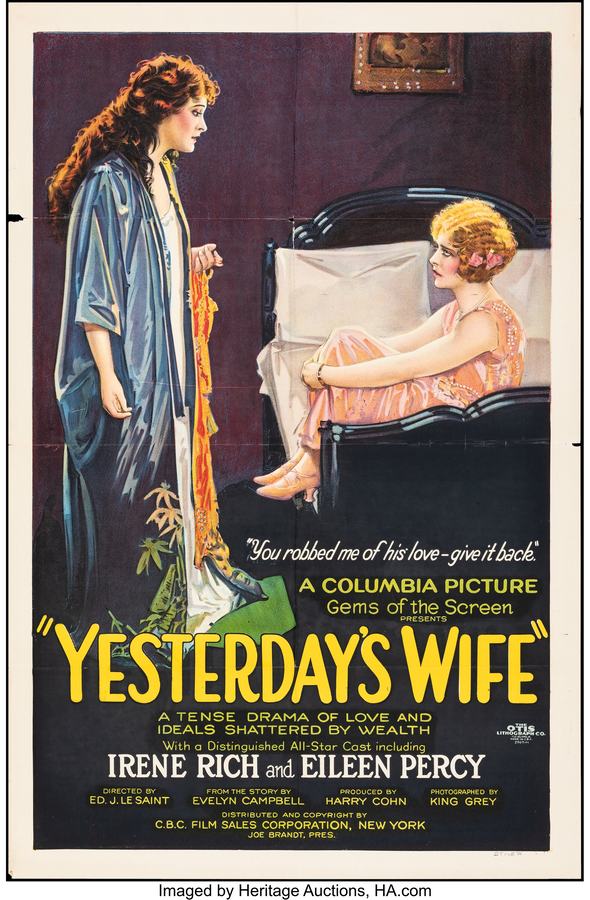
In the annals of silent cinema, where grand gestures and poignant glances often conveyed more than reams of dialogue ever could, 'Yesterday's Wife' stands as a compelling testament to the fragility of human relationships and the enduring specter of regret. Released in an era when film was still discovering its voice, this particular cinematic offering, penned by Evelyn Campbell, delves into the universal tragedy of a love lost not to malice or grand betrayal, but to the insidious erosion of pride and a trivial disagreement allowed to fester into an irreparable rupture. It's a narrative that resonates with an almost timeless quality, reminding us that the smallest cracks can, given enough neglect, cleave the sturdiest foundations.
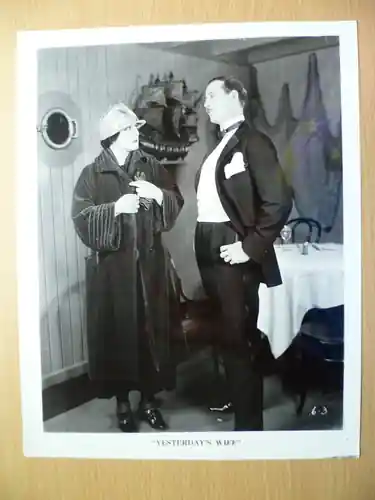
The film introduces us to Megan and Gilbert, portrayed with nuanced emotional depth by Irene Rich and Philo McCullough respectively, as a couple seemingly blessed with an unbreakable bond. Their early scenes, though perhaps lost to the ravages of time for many modern viewers, would undoubtedly have painted a picture of domestic felicity, a shared dream of a future intertwined. Rich, known for her expressive eyes and understated grace, would have imbued Megan with a youthful optimism that makes her subsequent fall from grace all the more heart-wrenching. McCullough, a stalwart of the silent era, likely conveyed Gilbert's initial contentment with a quiet confidence that belied the storm brewing beneath the surface of their seemingly tranquil existence. The initial bliss, however, is merely a prelude, a calm before a self-inflicted tempest.
The catalyst for their undoing is a detail so insignificant, so utterly mundane, that its power to dismantle a marriage becomes a chilling commentary on human stubbornness. This is where 'Yesterday's Wife' truly distinguishes itself. It eschews grand dramatic betrayals for a more insidious, relatable form of marital decay. It’s not an external force, but an internal one – pride, ego, and the inability to yield – that becomes the antagonist. One can almost visualize the escalating tension through the actors' silent performances: the tightening of a jaw, the averted gaze, the subtle tremor of a hand. The film, through its very premise, forces us to confront the terrifying ease with which we can sabotage our own happiness, allowing petty grievances to eclipse profound affection. This particular aspect mirrors the thematic depth found in other explorations of domestic strife from the era, such as Damaged Goods, which, while focusing on different societal ills, similarly underscored the profound consequences of personal choices and their ripple effects on relationships.
The divorce, then, is not merely a legal formality but the brutal culmination of emotional attrition. It signifies the death of a shared future, the severing of intertwined destinies. The film, even without spoken words, would have communicated the profound sorrow and the quiet devastation that follows such a rupture. Megan and Gilbert are cast adrift, each embarking on separate, solitary journeys, carrying the invisible scars of their dissolved union. The passage of years in cinema is often a montage of fading photographs or calendar pages turning, but in 'Yesterday's Wife', it's the stark contrast of their subsequent lives that truly illustrates the chasm created by their past actions. This narrative device, a temporal leap to show the aftermath, was a powerful tool in silent storytelling, allowing for dramatic shifts in character fortunes that deepened the emotional impact.
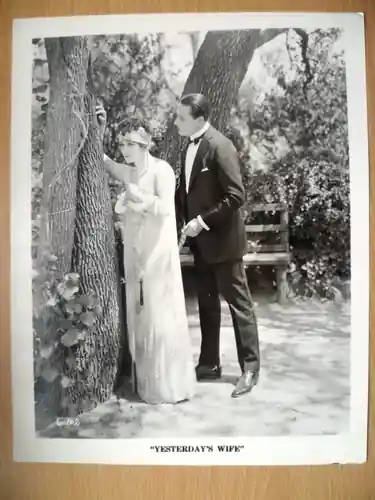
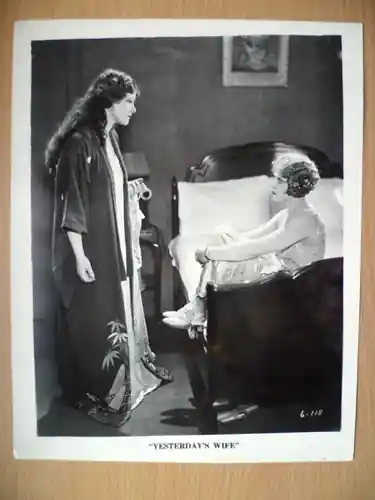
The stage for their inevitable, dramatic reunion is a summer resort, a classic setting for both leisure and the unexpected twists of fate. Here, Gilbert, now established with a new wife, Viola (likely played by Lottie Williams or Eileen Percy, both capable of conveying either gentle charm or a more assertive presence), projects an image of renewed contentment. His life, outwardly at least, has moved forward. The casting of Viola would have been crucial: was she a gentle, understanding soul, or a superficial contrast to Megan? Her presence alone complicates the emotional landscape, adding layers to Gilbert's perceived happiness. This kind of nuanced character dynamic, where past and present loves collide, is a recurring motif in cinematic history, echoing the intricate romantic entanglements seen in films like The Desired Woman, which explored similar themes of romantic rivalry and societal expectations.
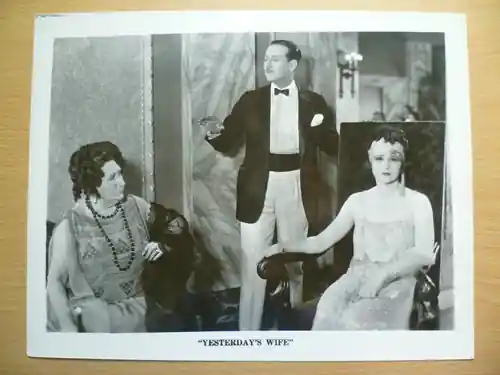
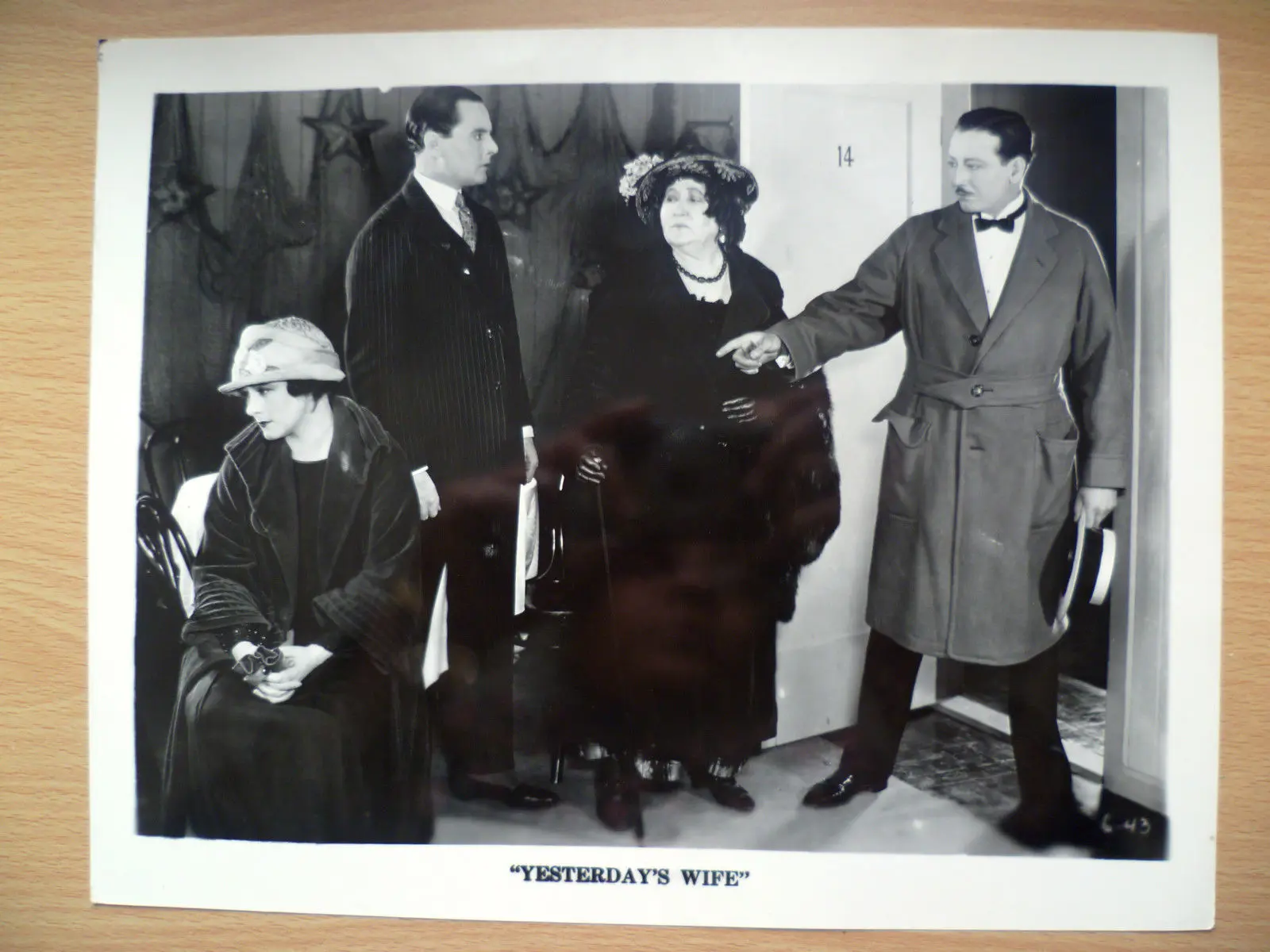
Megan’s circumstances, however, present a stark and poignant contrast. She arrives not as a woman of leisure, but as a companion to a wealthy, elderly woman. This role, often one of quiet servitude and economic dependence, speaks volumes about the societal expectations and limitations placed upon women in the early 20th century, particularly those who were divorced. It subtly highlights the asymmetrical impact of divorce on men and women during that era; while Gilbert rebuilds, Megan finds herself in a position that, while respectable, lacks the autonomy she once enjoyed. Irene Rich's portrayal of Megan in this new role would have been critical, conveying perhaps a quiet resilience, a hint of weariness, or an undercurrent of dignity despite her reduced circumstances. This aspect of the narrative, focusing on a woman's struggle for agency and stability after a marital breakdown, bears a thematic kinship with other films of the period that explored women's social positions, though perhaps less overtly political than something like
IMDb 6.8
1923
Community
Log in to comment.