DbcultAccessing Vault...
Cult Review
Senior Film Conservator
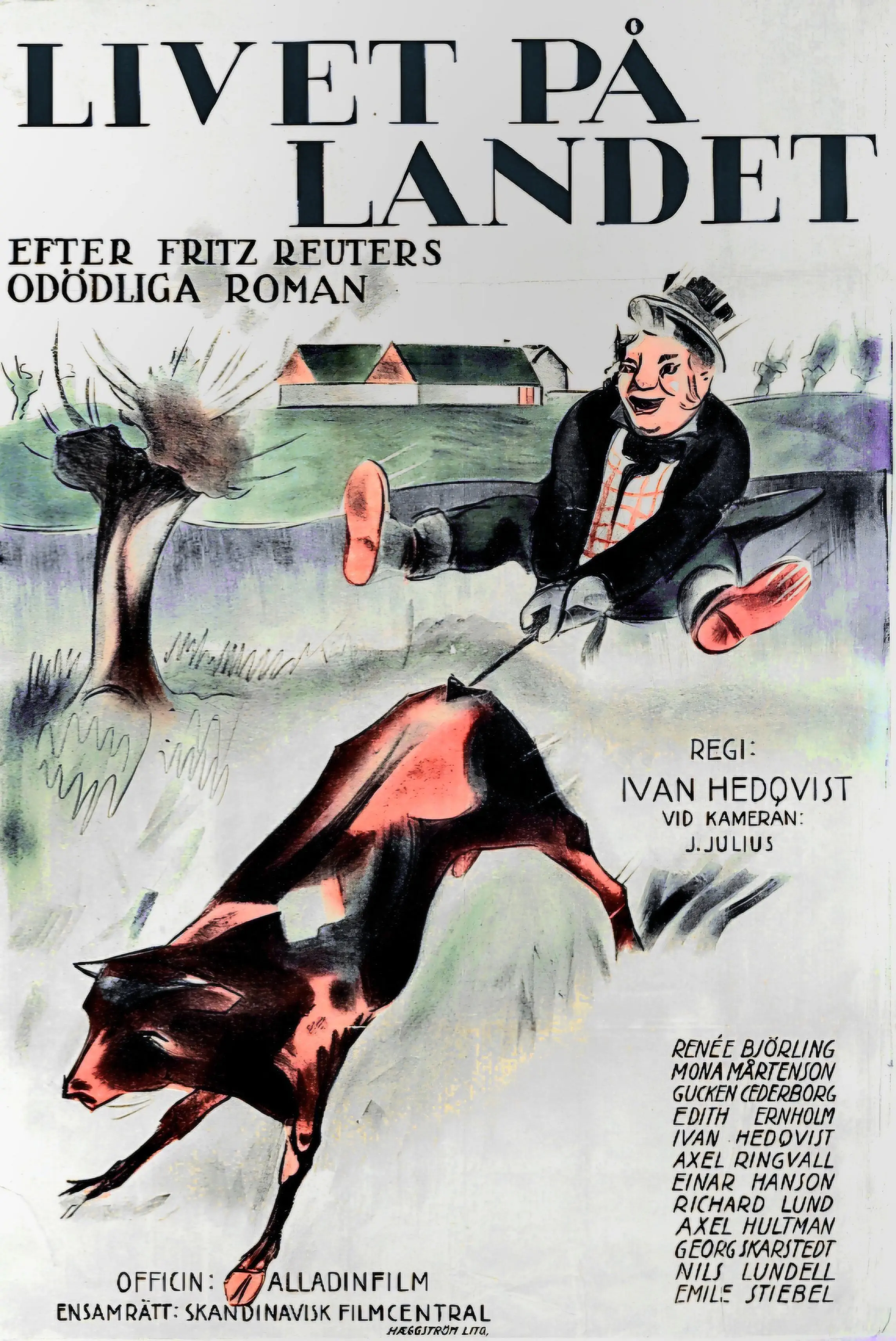
In the pantheon of Swedish silent cinema, few works capture the agonizing intersection of pastoral beauty and economic cruelty with the precision of Livet på landet. Directed with a keen eye for the vernacular of the countryside, this 1924 adaptation of Fritz Reuter’s literature transcends simple melodrama to become a sociological study of displacement. While contemporary audiences might gravitate toward the high-stakes intrigue of Trompe-la-Mort, there is a grounded, earthy resonance here that demands a more contemplative engagement.
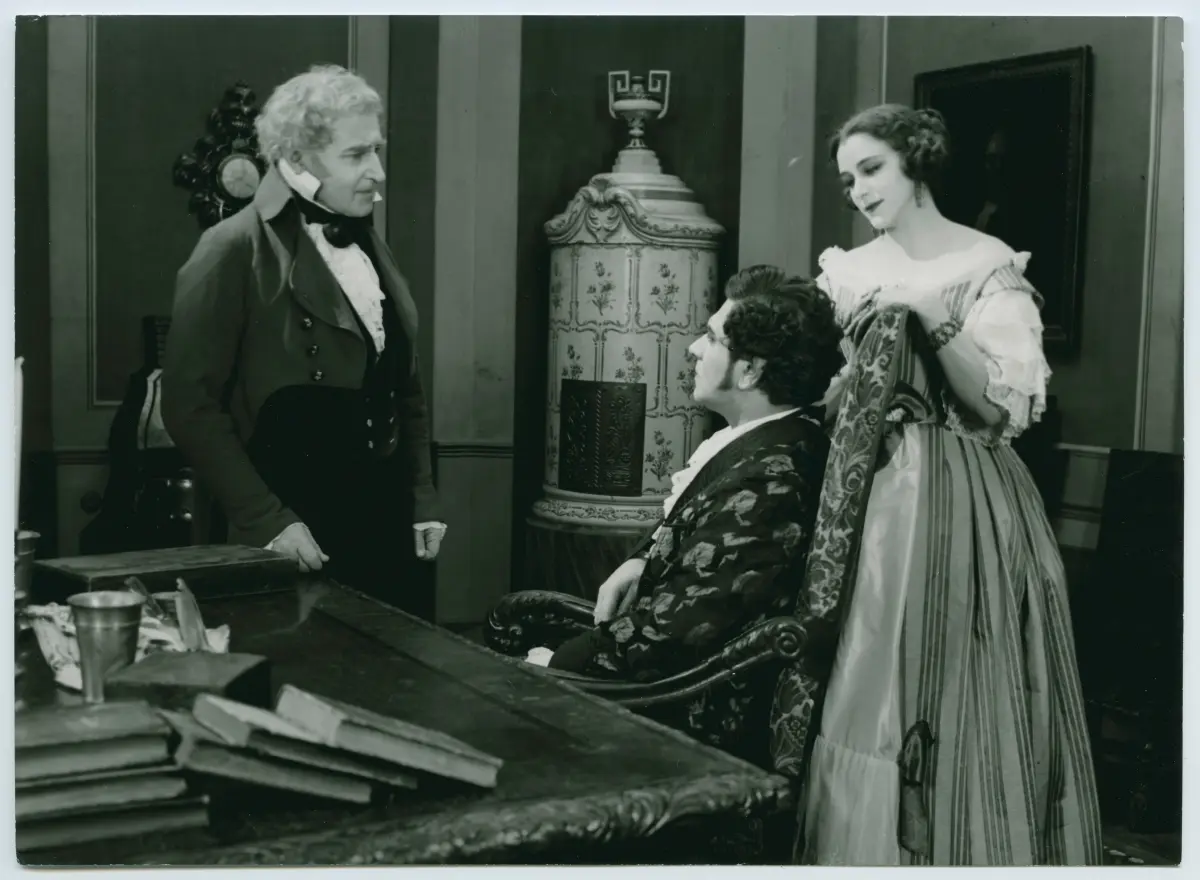
The narrative engine of the film is powered by the stoic suffering of Karl Hawermann, portrayed with a weathered, magisterial dignity by Axel Hultman. Hawermann is the quintessential figure of the old world—a man whose morality is inextricably linked to the land he manages. His foil, the rapacious Pomuchelskopp, represents the encroaching rot of unbridled capitalism. This is not the stylized villainy one finds in A Prisoner in the Harem; rather, it is a banal, bureaucratic evil that operates through ledgers and legal loopholes.
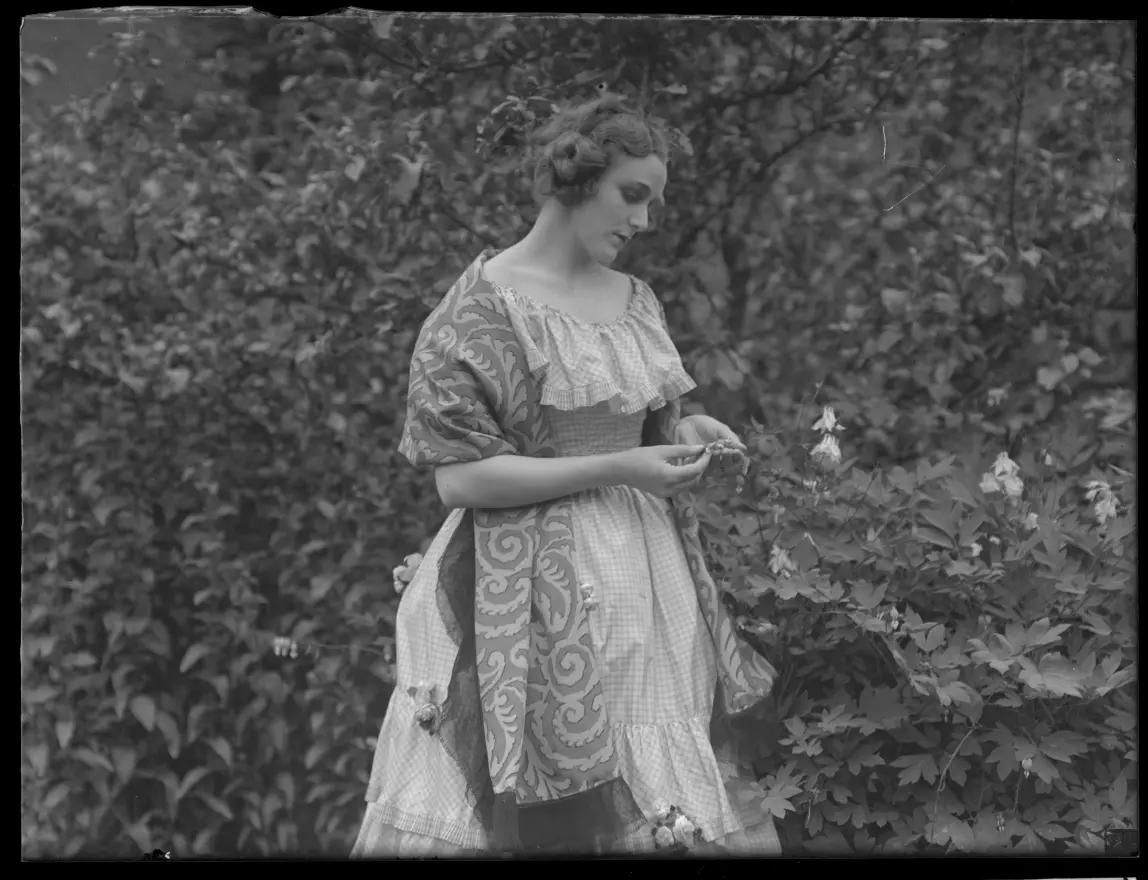
The cinematography utilizes the natural light of the Swedish landscape to create a visual dichotomy. The wide, sweeping vistas of the estate suggest a freedom that is increasingly curtailed by the tightening noose of debt. As Hawermann and his daughter Louise (Mona Mårtenson) are forced to vacate their home, the camera lingers on the small objects of their domestic life—the heavy wooden tables, the hearth, the thresholds—transforming these mundane items into relics of a lost paradise. This focus on the sanctity of the home mirrors the emotional weight seen in The Little Church Around the Corner, yet it eschews religious sentimentality in favor of a raw, secular pathos.
The cast of Livet på landet is a veritable who's who of early Swedish stage and screen. Ivan Hedqvist delivers a performance of chilling calculation, his every gesture suggesting a man who knows the price of everything and the value of nothing. In contrast, Mona Mårtenson brings a luminous vulnerability to Louise, serving as the emotional barometer for the film’s escalating tensions. Her chemistry with the ensemble provides a necessary warmth against the cold winds of the plot’s financial machinations.
One must also acknowledge the supporting work of Gucken Cederborg and Axel Ringvall, who populate the periphery of the story with a rich tapestry of rural types. Unlike the more caricatured performances in An Overall Hero, the actors here maintain a naturalism that was revolutionary for the mid-1920s. They don't just occupy the screen; they inhabit the mud, the dust, and the heavy wool of their costumes with a conviction that blurs the line between fiction and documentary.
When examining the landscape of 1920s cinema, Livet på landet stands as a bridge between the folk-horror-adjacent dramas of the North and the social realism emerging in Central Europe. While films like The Princess of Patches deal with similar themes of class and inheritance, they often rely on fortuitous coincidences to resolve their conflicts. Livet på landet is far more rigorous. It understands that in the real world, the Hawermanns of the world rarely find a hidden treasure or a long-lost uncle to save them at the eleventh hour.
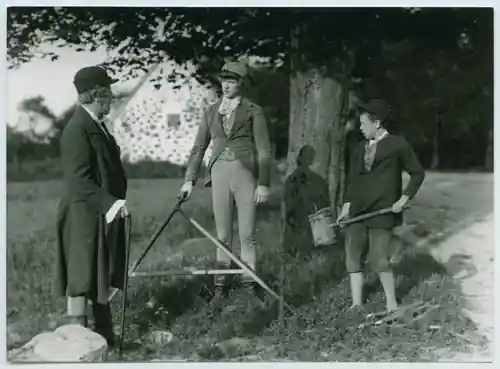
The film’s pacing is deliberate, almost rhythmic, mimicking the seasonal cycles of farm life. This can be jarring for those accustomed to the frantic energy of Taxi Please or the comedic beats of Playmates. However, this slow burn is essential. It allows the audience to feel the weight of time—the years of labor that Pomuchelskopp seeks to erase in a single afternoon of signed papers. It shares a certain thematic kinship with Miyama no otome in its reverence for the local environment, though the Swedish context provides a harsher, more austere aesthetic.
The screenplay, penned by Lars Tessing and Oscar Hemberg, manages to distill Fritz Reuter’s sprawling prose into a coherent visual language. Reuter, known for his Low German dialect stories, possessed a keen understanding of the peasantry’s plight. The film honors this by focusing on the 'Stromtid'—the period of flux and trial. The dialogue, conveyed through elegant intertitles, avoids the melodramatic excesses found in The Door Between, opting instead for a terse, impactful delivery that emphasizes the gravity of the situation.
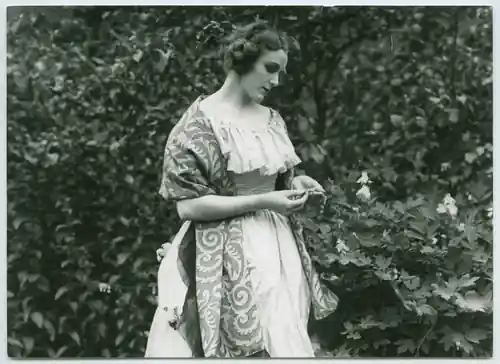
There is an inherent dignity in the way the film treats its subjects. Even the villains are given a degree of psychological depth that prevents them from becoming mere cardboard cutouts. We see the insecurity that drives Pomuchelskopp’s greed—the desperate need for social validation that mirrors the themes of social climbing in Le nabab. This complexity elevates the film from a simple 'good vs. evil' narrative into a sophisticated exploration of the human condition under economic duress.
The recurring motif of the 'threshold' is perhaps the film’s most potent visual metaphor. We see Hawermann standing at the doorway of his home, framed by the architecture he is about to lose. This boundary between the interior (safety, history, family) and the exterior (exposure, the unknown, the market) is revisited throughout the film. It echoes the thematic boundaries explored in His House in Order, though here the stakes are not merely social reputation, but physical survival.
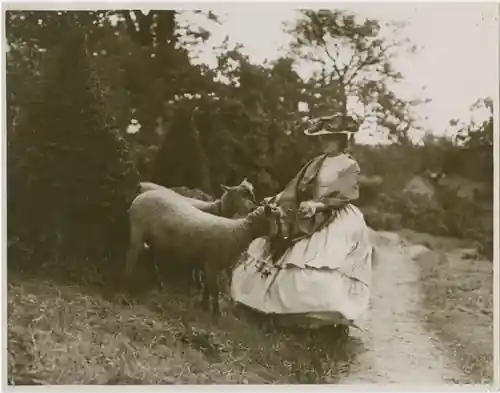
Furthermore, the use of animals and the natural world serves as a silent chorus to the human drama. The horses, the cattle, and the rolling fields are not just background; they are the silent witnesses to the injustice being perpetrated. The film captures a sense of 'Heimat'—a deep, spiritual connection to place—that is rarely achieved in modern cinema. This is not the superficial pastoralism of Miss Peasant, but a rugged, arduous reality where the soil is earned through sweat and blood.
As we look back at Livet på landet nearly a century later, its relevance remains undiminished. The struggle for land, the arrogance of the predatory lender, and the resilience of the displaced are themes that resonate in our contemporary era of globalized gentrification. While it lacks the patriotic fervor of the National Red Cross Pageant, its quiet, localized focus makes its message even more universal. It is a film about the marrow of life—the things that cannot be quantified by a bank, yet are the first things a bank will try to seize.
The technical prowess of the production, from the costume design to the set construction, creates an immersive experience that transports the viewer to a specific moment in Swedish history. It avoids the artifice of Youthful Cheaters or the sentimentality of Wanted: A Baby, standing instead as a monument to the integrity of the silent film medium. To watch Livet på landet is to witness the birth of a social conscience in cinema—a conscience that refuses to look away from the harsh realities of the field and the furrow.
In the final analysis, this film is an essential viewing for anyone interested in the evolution of narrative structure and social critique. It is a somber, beautiful, and ultimately defiant work that honors the spirit of those who, like Hawermann, find their strength in the very earth that others seek to steal from them. It remains a cornerstone of the Swedish cinematic tradition, a masterclass in visual storytelling that speaks volumes without uttering a single word.
IMDb 6.4
1915
Community
Log in to comment.