DbcultAccessing Vault...
Cult Review
Senior Film Conservator
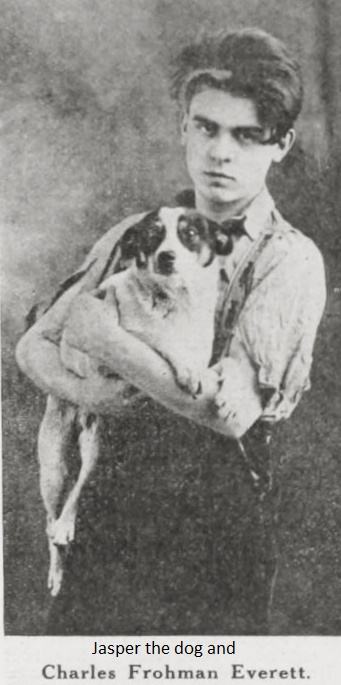
In the vast, shimmering archive of silent cinema, few films capture the raw, unvarnished vulnerability of the American dream quite like Young America. Released in 1918, a year defined by global upheaval and the shifting tectonic plates of social consciousness, this film serves as a microscopic lens into the macro-problems of urban poverty and judicial rigidity. Unlike the romanticized visions found in The Little School Ma'am, Young America refuses to sugarcoat the systemic barriers facing its young lead. Art is not merely a character; he is a vessel for the collective anxieties of a nation grappling with its own internal inequalities.
The cinematic language employed here is surprisingly sophisticated for its era. The director utilizes a series of tight, intimate frames that emphasize the claustrophobia of Art’s situation. When he is with Jasper, the lighting softens, evoking a sense of sanctuary amidst the grit. However, when the law enters the frame, the shadows lengthen, and the geometry of the scenes becomes sharp and unforgiving. This visual dichotomy underscores the central theme: the warmth of personal loyalty versus the coldness of institutional mandate. It is a precursor to the neo-realism that would define European cinema decades later, focusing on the minute details of a life lived on the edge.
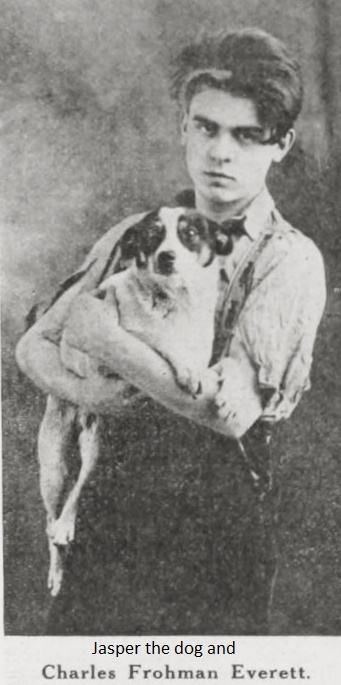
In the context of 1910s cinema, animals were often relegated to slapstick relief or peripheral sentimentality. Yet, in Young America, Jasper is an essential narrative engine. His presence is the catalyst for the film's primary moral dilemma. The dog tax, a bureaucratic triviality to the affluent characters, becomes a life-or-death struggle for Art. This plot point is handled with a gravity that rivals the high-stakes dramas of Sporting Blood, though the stakes here are far more intimate and devastating. Jasper represents Art’s last vestige of agency; losing the dog is synonymous with losing his soul to the state.
The performance of the dog is remarkably expressive, often outshining the human actors in moments of quiet tension. There is a specific sequence where Art attempts to hide Jasper from the authorities that is paced with the precision of a modern thriller. The camera lingers on Jasper’s eyes, reflecting a primal understanding of the danger they face. It’s a masterclass in silent storytelling, where the absence of dialogue amplifies the emotional resonance of every gesture.
The second act of the film transitions into a courtroom drama that remains shockingly relevant. The depiction of the legal system is not one of outright malice, but of a terrifying, clockwork indifference. The judge and the bailiffs are not villains in the traditional sense; they are merely cogs in a machine that has no programming for empathy. This thematic depth elevates Young America above contemporary melodramas like Lena Rivers, which often relied on more simplistic moral binaries.
Art’s conflict with the law is a searing indictment of how society criminalizes poverty. The $2 tax is a barrier designed to exclude the indigent from the basic joys of companionship. When Art is forced into the legal labyrinth, the film meticulously documents the stripping away of his dignity. The cross-cutting between the sterile courtroom and the cold, empty streets highlights the isolation of the juvenile delinquent. It challenges the audience to look past the 'crime'—a failure to pay a fee—and see the human necessity that drove the action. This was radical for 1918, suggesting that the law must be tempered by the specific circumstances of the individual.
The intervention of the Dorays marks a tonal shift in the narrative, moving from the grim realism of the streets to a more hopeful, domestic sphere. However, this transition is not unearned. The film takes great care to show that the Dorays' decision to take Art in is not merely an act of charity, but a profound recognition of his character. Florence Barr and Howard Smith deliver nuanced performances that suggest a complexity of motivation. They are not just 'saviors'; they are people who realize that the stability of their own world is contingent upon the well-being of the most vulnerable members of society.
This aspect of the film mirrors the social reform movements of the early 20th century, advocating for foster care and rehabilitation over incarceration. While films like The Girl of the Sunny South explored regional identity and personal honor, Young America focuses on the civic responsibility of the middle class. The final sequences in the Doray household are bathed in a warm, sea-blue hue, symbolizing a calm after the storm. The resolution is satisfying not because it offers a generic 'happily ever after,' but because it provides a tangible solution to the problems presented earlier in the film.
From a technical standpoint, Young America is a marvel of its time. The editing, handled with a rhythmic precision, ensures that the 1500-word equivalent of narrative depth is conveyed through visual beats rather than exhaustive intertitles. The use of close-ups is particularly effective during the courtroom scenes, capturing the minute flickers of fear and hope on Art’s face. This level of intimacy was quite advanced, moving away from the stagey, wide-shot aesthetics that dominated earlier silent productions like What Happened to Mary.
The screenplay by John Frederick Ballard exhibits a keen ear for the social vernacular of the era. The intertitles are poetic yet grounded, avoiding the flowery excesses common in silent romances. There is a grit to the dialogue that reflects the harsh realities of the characters' lives. The pacing is deliberate, allowing the emotional weight of each scene to settle before moving to the next. This patience is a hallmark of a director who trusts his audience to engage with the subtext of the imagery.
To truly appreciate the artistry of Young America, one must look at it in conversation with its peers. Where Aladdin from Broadway offers escapist fantasy and The Slim Princess provides satirical comedy, Young America leans into the 'social problem' genre with an intensity that is rare. It shares a certain thematic DNA with North of Fifty-Three in its depiction of man against an unforgiving environment, though here the environment is a legal and social one rather than a physical wilderness.
Furthermore, while Beware of Strangers focuses on the dangers of the unknown, Young America suggests that the greatest danger often comes from the known—the established laws and norms that fail to account for the human spirit. It is this willingness to critique the familiar that makes the film so enduring. It doesn't look for monsters in the shadows; it finds them in the bright light of the courtroom.
Young America is a testament to the power of silent film to evoke deep, universal empathy. It transcends its specific historical context to speak to the enduring bond between humans and their animals, and the eternal struggle for justice in an imperfect world. The performances, particularly of the young lead and his dog, are nothing short of extraordinary, providing an emotional anchor for the film's broader social critiques. It avoids the melodramatic pitfalls of many of its contemporaries, opting instead for a grounded, sincere approach to storytelling.
For the modern viewer, this film serves as a reminder of the roots of American social realism. It is a work that demands to be seen not just as a historical curiosity, but as a vibrant, breathing piece of art. The journey of Art and Jasper is one that resonates across the decades, a story of resilience, loyalty, and the transformative power of a second chance. In the pantheon of 1918 cinema, Young America stands tall, a beacon of compassion in a celluloid sea of uncertainty.
IMDb 5.9
1931
Community
Log in to comment.