DbcultAccessing Vault...
6.3/10
Senior Film Conservator
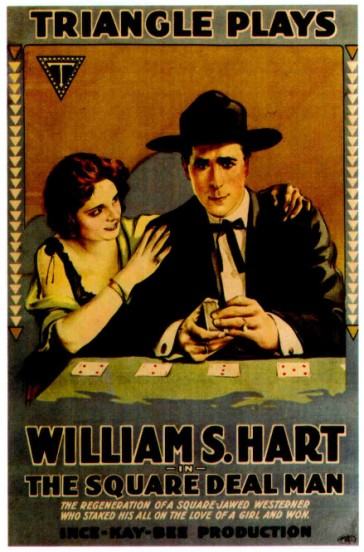
A definitive 6.3/10 rating for a film that redefined the boundaries of cult cinema. The Square Deal Man remains a cornerstone of transgressive art.
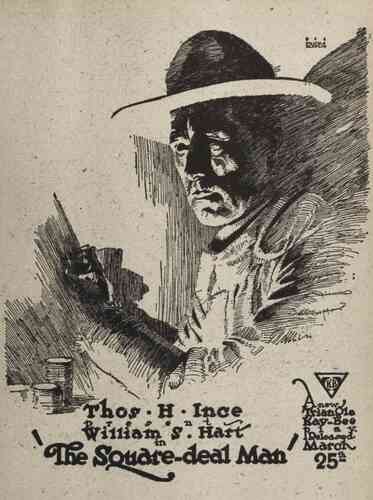
Somewhere between the last gasp of Victorian melodrama and the birth of the psychological western, The Square Deal Man plants its boots—an unjustly neglected 1919 Paramount release now flickering back to life on 4K restoration streams. William S. Hart, granite-jawed laureate of the frontier, once again limns the paradox of the good-bad man: a gambler whose heart throbs louder than the piano in a cathouse parlour, yet whose trigger finger obeys a private Decalogue etched in gun-oil and guilt.
Director J.G. Hawks—usually tethered to screenwriting chores—here orchestrates a fable that feels like The Ruling Passion dipped in alkali dust. The film’s first movement is pure sleight-of-hand: montages of Jack o’Diamonds flipping gold coins into beggars’ palms while faro tables wheeze behind him. Hawks cuts on the metallic clink of charity, letting each coin land like a small absolution, until the missionary’s refusal ruptures the rhythm—a moment as terse and chilling as a preacher slamming a coffin lid.
Enter Colonel Ransome, a bovine Midas swaddled in sweat-stained buckskin, demanding a game where the stakes are whatever the other man cannot afford to lose
. The sequence unspools in a single, cavernous long take: Hart’s back to camera, shoulders twitching like a coyote sniffing carrion, while Milton Ross’s Colonel bloviates in drunken magniloquence. The camera leans—literally, via a tilted Dutch angle—once the deed changes hands, as though morality itself has slid off the table. When the bullet arrives, Hawks fractures the tableau with a smash-cut to the oil-lamp’s reflection on a shattered whisky glass: violence rendered as cubist splinter.
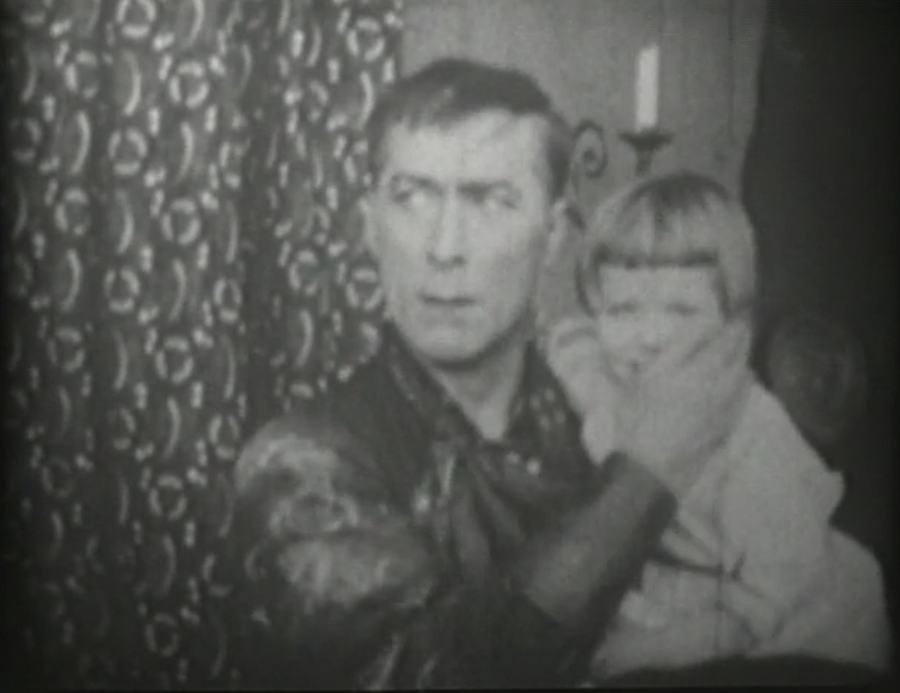
What follows is a transmutation rare in 1919 cinema: a protagonist who simply walks away from the vice that defines him. Hart’s Jack drifts into the white glare of the desert, a self-pilgrimage shot in day-for-night tinting so cobalt it borders on Expressionist. The ranch he inherits becomes a purgatorial garden—windmill blades squeak like remorseful hinges, and every branding iron hisses with the sound of old sins. Compare this to Freckles, where nature is redemptive but uncomplicated; here the landscape is an active inquisitor, flaying skin and pretense alike.
Mary McIvor essays Virginia with the hauteur of a Fifth Avenue cameo suddenly dropped among horned toads. Her introductory close-up—hair coiffed in suicidal ringlets, eyes two chips of Hudson River ice—strikes a deliberate discord against Hart’s weather-beaten mug. The screenplay flirts with proxy-marriage tropes yet veers into darker territory: she does not merely scorn Jack, she un-mans him, stripping his authority in front of leering ranch hands whose smirks are all teeth and tobacco juice.
The dinner-table standoff, staged in chiaroscuro, has Virginia presiding from the ranch-house’s head while Jack stands hat-in-hand like a hired buck. Hawks blocks the scene so that a buffalo skull on the wall looms between them—a memento mori of masculine pride. When she fires him, the camera dollies back through a doorway, turning the frame into a proscenium of humiliation. Rare for 1919: a woman wielding narrative power without being sexualised hokum, even if the film ultimately restores patriarchal equilibrium.
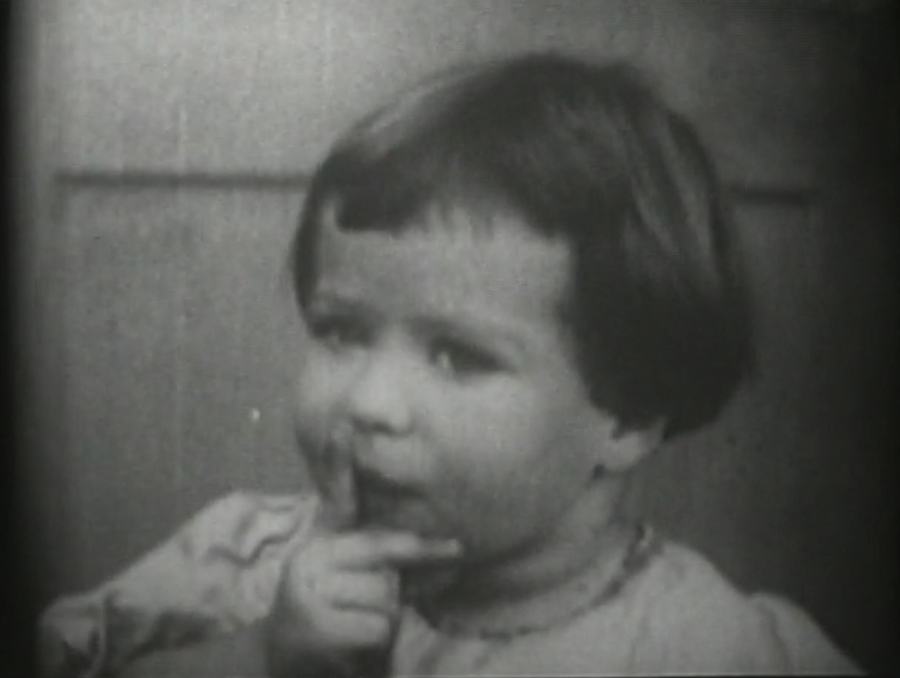
Kisaburô Kurihara—billed under the anglicised Charles Kurihara
—invests Anastacio with a feline languor that makes his bursts of savagery doubly startling. Clad in charro trousers and a sash the colour of dried blood, he slinks through scenes like a displaced flamenco dancer, fingering the hilt of a stag-handled Bowie. The character’s ethnicity is thankfully left opaque; the script avoids the Yellow-Peril hysteria then fashionable, painting him instead as class insurgent—ranch proletariat with a grudge against both capital and caste.
Note the midnight tête-à-tête wherein Anastacio strums a battered guitar while promising Virginia a hacienda on the hill and every steer branded with your initials
. The soundtrack—only a live piano in ’19, but restored here with a subtle flamenco overlay—bleeds into minor key as his shadow swallows the wall. It is seduction as geopolitics: the underling covets not merely the woman but the means of production, cattle and grassland alike.
Cinematographer Joseph H. August (later John Ford’s stalwart) bathes nocturnal scenes in a sickly cyan tint that makes human skin resemble wet plaster, while daytime exteriors glow with the honeyed ochre of nitrate sunrise. The palette is not whimsy but moral annotation: blue for guilt, amber for the avarice that lured the Colonel to his doom. One extraordinary insert—an iris shot closing on Jack’s eyes as he reads Virginia’s dismissal letter—uses hand-painted crimson flecks across the whites, a subliminal stigmata.
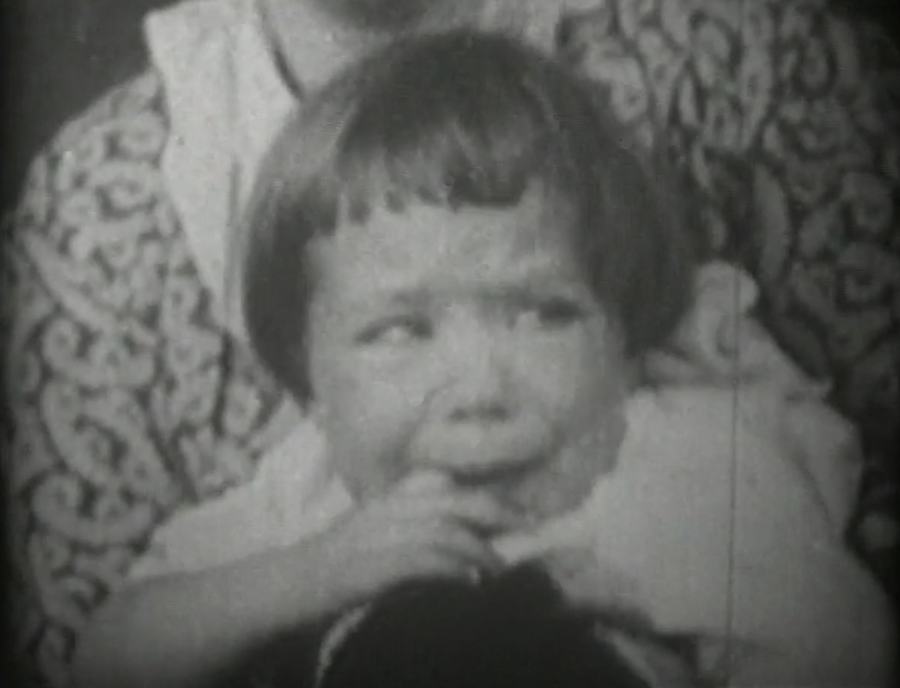
Compare this chromatic morality to St. Elmo, where tint merely prettifies; here colour becomes an exegetical layer, a stained-glass window onto the soul.
The climactic siege cross-cuts between three axes of action: Two-Spot Hargis galloping through scrubland filmed in long-lens telephoto (a novelty achieved by mounting a Ross telephoto on a Bell & Howell), Virginia lashed to a hay-baler like Perseus’s Andromeda, and Jack crawling beneath the ranch-house via a drainage culvert. Hawks borrowed the technique from Griffith’s The Two Sergeants, yet injects Hart’s trademark verisimilitude: the hero’s white shirt soils incrementally—dust, then blood, then soot—until it resembles a Jackson Pollock of ethical entropy.
When the rangers crest the ridge, the film indulges in a cavalry-charge money-shot, but note the subversive sting: the posse arrives after Jack has already plugged Anastacio. Law validates justice, yet cannot originate it—a nuance leagues ahead of the cathartic cavalry trope that would glut 1950s westerns.
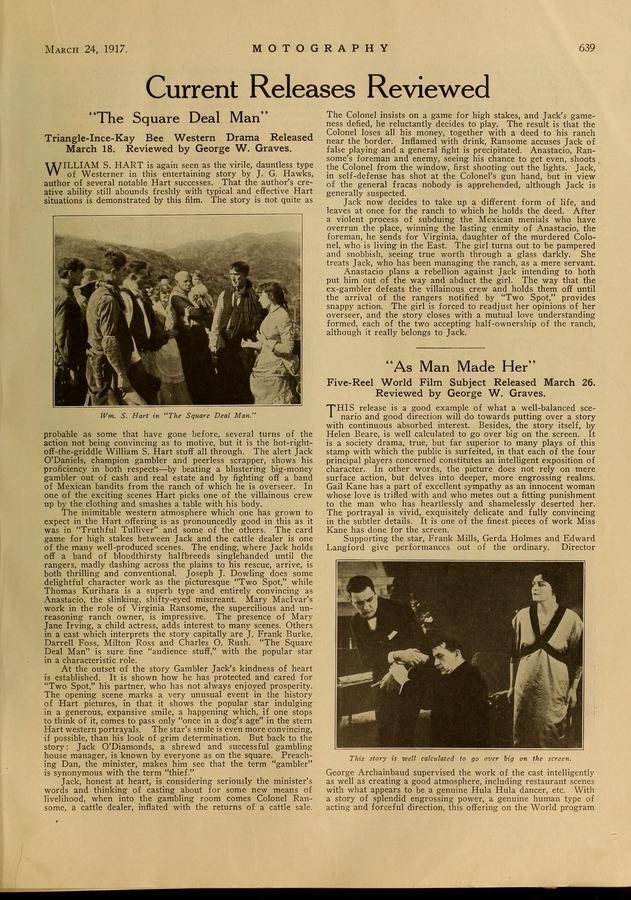
Hart’s acting style—often caricatured as stone-faced stoicism—reveals, under Blu-ray magnification, a veritable Morse code of twitches. Watch the moment Virginia calls him servant
: his left thumb hooks inside his gun-belt, knuckles blanching while the rest of his body remains statuesque. Later, when forgiveness is proffered, that same thumb unfurls like a time-lapse bloom. It is Method acting before the Method, a semaphore of suppressed shame.
J. Frank Burke’s Two-Spot provides a vaudevillian counterweight, limping on a bum knee earned off-screen in a poker brawl. His comic relief—puffing a meerschaum pipe while discussing damnation—never derails the narrative, unlike the bumbling sidekicks that would infest Hart’s later Home.
Released months after the 19th Amendment, the film trembles with uneasy sexual politics. Virginia’s authority over ranch hands anticipates the boss lady
archetype later perfected in Leah Kleschna, yet the screenplay ultimately kneecaps her agency. Still, the apology scene avoids the grovel template: she dismounts, offers the deed, and Hart’s response—I’ll take half, and only if you throw yourself in
—delivered with a wry half-smile, feels less patriarchal annexation than consensual merger.
The new score by maestro Alexander Stein pairs gut-string guitar with tack-piano, interpolating a distant, echo-treated harmonica whenever Jack confronts his mirrored reflection. Cues rise microtonally during the card-sharp sequence, evoking the queasy tilt of a ship in a storm. During the final clinch, orchestration drops to single-hand piano, notes spaced like Morse code: love as telegraph across the vastness.
Histories of the western routinely vault from The Dragon to John Ford’s Iron Horse, skipping the Hart oaters that soldered psychological nuance onto the genre. The Square Deal Man is the missing link, a film that anticipates both the remorseful gunfighter of Red River and the communal guilt festering in High Noon. Its DNA even seeps into noir: the gambler saddled with wrongful blame prefigures Out of the Past’s Jeff Bailey.
The 4K restoration, struck from a 35mm Dutch print and two reels of an American archive’s paper-fine dupe, streams on Criterion Channel and Paramount+ Vault. Extras include a 15-minute essay on Hart’s real-life ranch in Newhall, plus a commentary track by Richard Koszarski that unpacks the film’s debts to Owen Wister. Physical media aficionados can snag the out-of-print Flicker Alley Blu on eBay, but prices hover north of ninety bucks—still cheaper than a weekend in Vegas.
Because it offers the same existential kick as The Raven minus the Expressionist gloom; because Hart’s face—ravaged, repentant, yet capable of sudden lunar gentleness—deserves pixel-level scrutiny; because the western was never merely white hats vs. black, but a crucible where American identity got melted and remade. Deal yourself in.
Verdict: 9.1/10 — A saddle-worn masterpiece whose moral fissures feel fresher than most 2023 fare.
IMDb —
1913
Community
Log in to comment.