DbcultAccessing Vault...
7.2/10
Senior Film Conservator
A definitive 7.2/10 rating for a film that redefined the boundaries of cult cinema. Zemya remains a cornerstone of transgressive art.
Alright, so Zemya. This isn’t a Sunday afternoon popcorn flick, not by a long shot. If you like your old films grim and unflinching, the kind that burrow into your head, then yeah, give this one a look. But if you’re hoping for anything light or feel-good, just walk away now. Seriously. This is for folks who appreciate a *real* slow burn, a kind of gut-punch of a story about human nature gone wrong. Others? You’ll probably find it too stark, too quiet maybe.
It’s a story rooted in the land, literally. Enyo, our main guy, he’s a peasant. But not just any peasant. He’s got this hunger, this raw, almost animalistic desire for land. It’s the kind of obsession that just eats at him, you can see it in his eyes.
He’s engaged to Tzveta, who seems nice enough. Pretty. But then there’s Stanka, a sickly girl, a hunchback. And her father? The wealthiest in the village. This detail, it’s not just thrown in there. It changes everything for Enyo. He doesn’t even blink when he dumps Tzveta to marry Stanka. It’s cold. Really cold.
The film doesn’t linger on the romance, if you can even call it that. It’s all about the exchange. Land for a wife. You feel the weight of that decision immediately. Stanka loves him, you can tell. But Enyo, he barely seems to notice.
His property just keeps growing. Like a monster. But then there’s his brother Ivan’s field, a wedge in Enyo’s perfect, sprawling estate. It’s an irritant. A thorn. You can almost feel Enyo’s teeth grinding over it. He starts speaking ill of Ivan, planting seeds of malice.
And then it happens. This scene, wow. Enyo finds Ivan sleeping under a big oak tree. Ivan had been felling it. The shot holds for a moment, just Enyo, looking at his brother. You can almost hear his mind working, the gears turning.
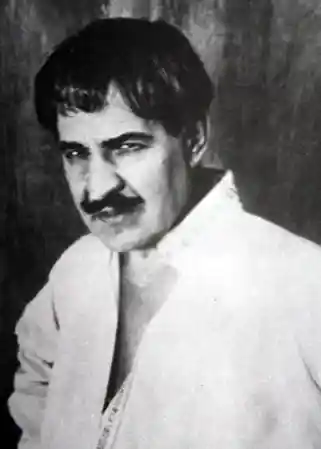
He lifts a *huge* rock. Just like that. And throws it. At Ivan's head. The impact isn't shown in a graphic way, but the sound, the way Ivan crumples. It's chilling. Then Enyo cuts down the tree. It falls right onto Ivan. The whole thing, it’s so brutal, so matter-of-fact. Almost clinical.
Ivan doesn't die. He's crippled, weak-minded. A shell of himself. And this is where the movie really gets you. Enyo doesn’t just walk away clean. The remorse hits him. Not a quick, flashy remorse, but a slow, festering kind.
He starts drinking. Hard. Neglecting everything. The land he was so obsessed with? He just lets it go. Sells it off, piece by piece. It’s like the land itself is exacting its revenge, slipping through his fingers.
The pacing here, it slows down even more. You see his decline. It’s not a sudden collapse. More like a slow unraveling. He drinks away everything. And the ending… he dies in his brother and sister-in-law's house. The irony isn’t lost. The brother he tried to destroy is the one who takes him in.
There are these little moments throughout, too. The way the camera sometimes just stares at the empty fields, or the shadows in Enyo's house when he’s drinking. They just *sit* there. It’s not fancy, but it says a lot.
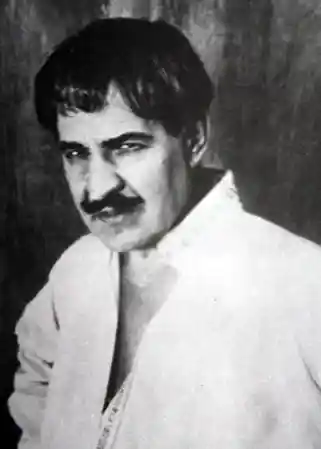
Some of the acting, particularly from Paskal Dukov as Enyo, it’s not always subtle. But it has this raw power. You believe his torment. The lines on his face, they just deepen with every bad decision.
Zemya, it's a heavy film. It's not one you’ll forget easily. It just hangs around, like a bad smell, or maybe a really good wine that leaves a complex aftertaste. A harsh lesson, delivered with a quiet, unrelenting force. Definitely not for everyone, but for those who get it, it’s pretty powerful stuff. ✨
IMDb —
1936
Community
Log in to comment.