DbcultAccessing Vault...
Cult Review
Senior Film Conservator
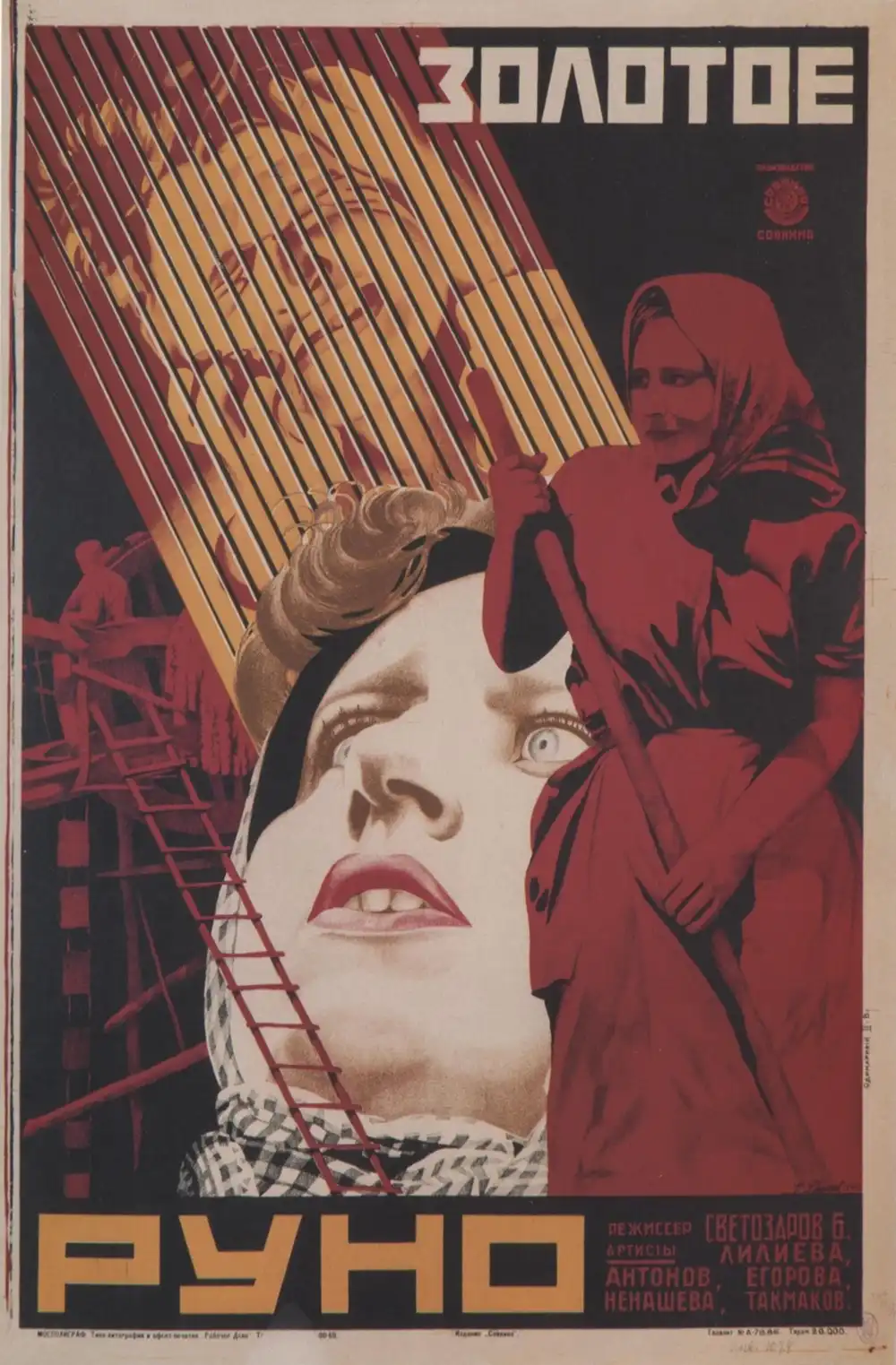
If you have a spare hour and a half and you really, really like looking at 1920s tractors, this might be for you. Otherwise, you’ll probably find it incredibly dry.
It’s meant for people who want to see how early Soviet propaganda actually looked on the ground. Most people will find the pacing a bit like watching grass grow, or in this case, watching wheat get harvested.
The whole plot is about peasants trying to set up a collective farm. There are these 'false cartels' which are basically the bad guys trying to trick the hardworking folks.
I kept waiting for something big to happen. It never really did, unless you count a very dramatic scene involving a ledger.
The actors spend a lot of time pointing at things. They point at the sky, they point at the dirt, and they point at each other with very stern faces.
Larisa Liliyeva has these eyes that seem to take up half the screen. Every time the camera zooms in on her, it feels like she’s trying to burn a hole through the film itself.
There is a lot of focus on the 'labor livestock economy.' I never thought I would see so many close-ups of cows in a movie that wasn't a nature documentary.
One cow in particular gets a reaction shot that lasts way too long. It’s supposed to be inspiring, I think, but the cow just looks confused.
The villains are these guys in the 'false cartels.' They look exactly like villains in movies from this era should—shifty eyes and slightly better clothes than everyone else.
It reminded me a bit of the vibe in Mishki protiv Yudenicha, but that one felt a bit more frantic. This one is more... heavy.
The writing by Pavel Zhurba is very serious. There isn't a single joke in the entire runtime, unless you count the accidental comedy of the over-acting.
I noticed that the lighting in the outdoor scenes is actually pretty decent. The sun hits the dust in a way that makes the whole village look like it’s glowing.
But then the editing kicks in and we jump-cut to a guy looking angry at a shovel. It breaks the mood every single time.
Aleksandr Antonov is in this, and he’s usually pretty good. Here, he just looks like he’s waiting for his paycheck or maybe a sandwich.
There’s a scene where they are talkign about the future of the farm. The subtitles (if you’re watching a translated version) are all about quotas and collective goals.
It’s hard to get emotionally invested in a quota. I tried, but I mostly just wondered how itchy those wool coats were.
The film feels very lived-in, though. You can tell they filmed this on an actual farm because everything looks genuinely messy and uncomfortable.
It lacks the weird charm of something like Robinson's Trousseau. It’s just very focused on its message.
At one point, a group of men stands around a map and they all look so intense. You’d think they were planning a war, but they’re just figuring out where to put the cows.
I did like the way the shadows fell in the barn scenes. It gave the movie a tiny bit of a horror movie feel for about thirty seconds.
Then someone mentioned the 'livestock economy' again and the mood was gone. 🐄
The music in the version I saw was just a repetitive piano track. It started to feel like the piano was mocking the slow pace of the editing.
If you've seen The Barricade, you know how these early struggle movies go. This is just the farming version of that.
I think the director, Ilya Kravchunovsky, really wanted us to care about the collective. But the movie spends so much time on the process that it forgets to give us a person to cheer for.
Liliyeva’s character is the closest thing we have to a hero. She spends most of the movie looking determined while holding various farming tools.
It’s a very specific kind of cinema. It’s not 'fun' in any traditional sense of the word.
I found myself looking at the backgrounds more than the actors. The old wooden houses and the way the fences were built are actually more interesting than the plot.
There is a lot of 'human signal' in the way the extras move. You can tell some of them are actual farmers who have no idea why a camera is pointed at them.
They look much more natural than the lead actors. They just want to get back to work.
By the end, the 'false cartels' are exposed, and everyone is happy. Well, as happy as you can look in a grainy black and white film about hard labor.
It’s an okay watch if you’re a student of film. If you’re just looking for a movie to relax with on a Friday night, stay far away.
It’s basically a historical document that happens to have a cast list. It’s fine, but I probably won't ever watch it again.
The ending feels a bit rushed, like they ran out of film or the sun went down. It just sort of... stops.
Final thought: The cows were the best actors. No contest.
IMDb 5.7
1927
Community
Log in to comment.