DbcultAccessing Vault...
4/10
Senior Film Conservator
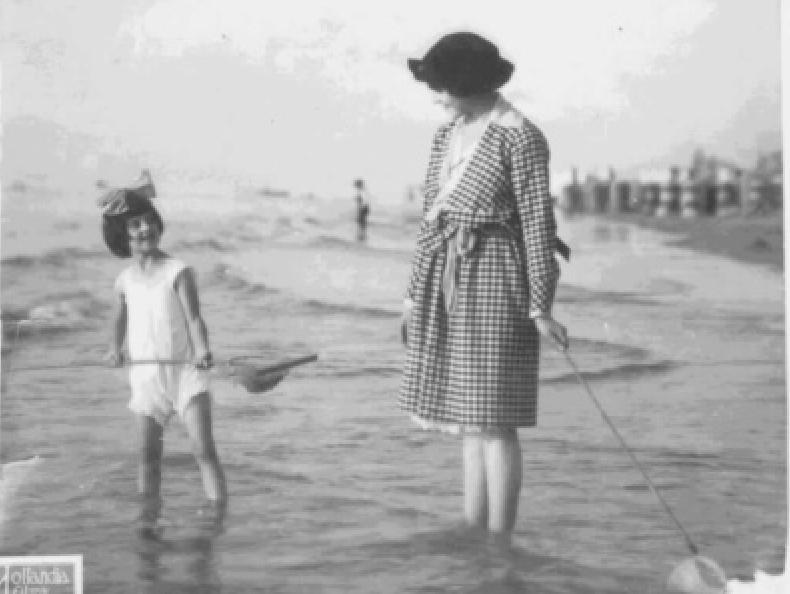
A definitive 4/10 rating for a film that redefined the boundaries of cult cinema. Zonnetje remains a cornerstone of transgressive art.
Stepping back into the hallowed, hushed halls of early cinema, one occasionally unearths a gem whose luminescence, far from dimming with the passage of decades, seems only to intensify. Such is the case with Zonnetje, a Dutch masterpiece that, despite its vintage, speaks with an astonishing clarity and emotional resonance to contemporary audiences. More than just a film, it is a meticulously crafted fable, a profound exploration of human endurance against the backdrop of an unforgiving world, painted with strokes of devastating sorrow and incandescent hope. Its very title, meaning "Little Sun," encapsulates the essence of its protagonist and the film's overarching thematic preoccupation: the persistent, vital spark of light amidst encroaching shadows.
The film introduces us to Zonnetje (Annie Bos), a character so imbued with an almost preternatural vivacity that her mere presence seems to warm the very air of her humble fishing village. Bos, with a subtlety that belies the often-exaggerated stylings of her era, crafts a portrait of youthful exuberance and untainted optimism. Her burgeoning romance with Hendrik (Carl Tobi), a fisherman whose earnest gaze mirrors her own guileless spirit, forms the emotional bedrock of the early narrative. Their shared dreams of a simple, fulfilling life by the sea are rendered with a delicate, almost pastoral beauty, reminiscent in its idyllic portrayal of nascent love to the tender moments sometimes found in films like Eternal Love, where human connection battles against larger forces.
However, this nascent utopia is not destined to endure. The serpentine shadow of Baron van der Velde (Norman Doxat-Pratt) soon falls upon Zonnetje. Doxat-Pratt delivers a performance of chilling, understated menace, embodying the predatory industrialist whose wealth grants him an almost god-like power over the lives of the less fortunate. Van der Velde's desire for Zonnetje is not one of affection, but of acquisition; she is a pristine object, a symbol of purity he wishes to possess and, perhaps, corrupt. His machinations are a masterclass in insidious cruelty: he systematically dismantles Hendrik's livelihood, orchestrating a series of misfortunes that culminate in the fisherman's apparent disappearance at sea. This calculated destruction of an innocent life, driven by pure avarice and a twisted sense of entitlement, resonates with the stark social critiques often embedded in silent cinema, drawing parallels to the oppressive forces seen in works like Fesseln, where individuals are ensnared by societal or personal chains.
Zonnetje's subsequent forced exodus from her pastoral sanctuary into the cold, indifferent embrace of the burgeoning metropolis marks a pivotal thematic shift. The film expertly contrasts the natural, organic beauty of her origins with the stark, often brutal geometry of the urban landscape. Here, amidst the anonymity and relentless churn of city life, she confronts a new gauntlet of challenges, her spirit tested but never broken. The cinematography, particularly in these sequences, uses chiaroscuro effects to emphasize her isolation, a solitary figure often framed against towering, impersonal architecture. It's a visual language that speaks volumes about the individual's struggle against overwhelming systemic forces.
A flicker of hope emerges in the form of Julian (Adelqui Migliar), a bohemian artist whose keen eye perceives the vibrant spirit still pulsating beneath Zonnetje's hardened exterior. Migliar's portrayal injects a much-needed warmth, a counterpoint to the Baron's frigidity. Julian becomes the catalyst for Zonnetje's artistic awakening, guiding her towards the expressive liberation of dance. This development is not merely a plot device; it's a profound statement on the redemptive power of art, a theme explored with varying degrees of success across cinematic history. For Zonnetje, dance becomes a language for her unspoken grief, her resilience, and her burgeoning strength, allowing her to reclaim agency in a world that sought to strip it away.
However, the narrative's intricate web of intrigue tightens with the introduction of Elara (Leni Marcus), a femme fatale whose allure conceals a darker purpose. Marcus plays Elara with a captivating ambiguity; her loyalty to Julian is constantly at odds with her secret allegiance to van der Velde, who employs her to keep Zonnetje isolated and vulnerable. This dynamic adds layers of psychological complexity, forcing the audience to question motives and anticipate betrayals. Elara is not merely a villainess; she is a conflicted soul, a pawn in a larger game, her internal struggle subtly conveyed through her guarded expressions and hesitant gestures – a complexity that elevates her beyond typical silent film archetypes, perhaps even hinting at the nuanced moral dilemmas seen in films like A Woman Wills where female characters navigate treacherous paths.
The emergence of De Schaduw (Reginald Lawson) further enriches the tapestry of the plot. Lawson, as the enigmatic "Shadow," delivers a performance steeped in gravitas and a quiet, simmering rage. A former confidant of van der Velde, De Schaduw is a figure consumed by a thirst for both vengeance and redemption. His subtle interventions on Zonnetje's behalf are a testament to the film's intelligent plotting, demonstrating how even the most unlikely alliances can form in the pursuit of justice. His character acts as a moral compass, albeit one scarred by past compromises, providing a crucial force to counterbalance the Baron's overwhelming influence. This clandestine aid and the gradual unraveling of a conspiracy echo the thrilling suspense found in serials like The Trail of the Octopus, albeit with a more refined, character-driven focus.
Perhaps the most heart-wrenching thread in this elaborate design is the spectral return of Hendrik. Having survived his ordeal at sea, he is a shadow of his former self, disfigured and afflicted with amnesia. Carl Tobi’s portrayal of this broken man is deeply affecting, conveying a profound sense of loss and displacement without resorting to overt melodrama. His unwitting proximity to Zonnetje, drawn by an almost primal, subconscious pull to the light she now radiates on stage, creates an agonizing tension. The audience, privy to the truth, desperately awaits the moment of recognition, a reunion that feels both inevitable and impossibly distant. This narrative device, of a lost love returning transformed, is a powerful trope, handled here with exceptional sensitivity, distinguishing it from simpler narratives of mistaken identity or sudden reappearance.
The film builds inexorably towards its breathtaking climax: a grand performance by Zonnetje. This is not merely an artistic showcase but a crucible where all the narrative threads converge. Annie Bos’s performance in these dance sequences is electrifying, a physical manifestation of her character's journey from vulnerability to unyielding strength. The stage becomes a battleground, a canvas for emotional catharsis. Simultaneously, De Schaduw unleashes his carefully gathered evidence, exposing van der Velde's labyrinthine web of corruption. The unmasking of the Baron is depicted with a satisfying, almost visceral sense of justice, a moment where the powerful are finally held accountable. This dramatic unmasking and the triumph of truth over deception can be seen as a more intricate and sophisticated version of the moral victories depicted in films like Who's to Blame?, where justice, however delayed, eventually prevails.
Crucially, Elara's role in this denouement elevates her beyond a mere accomplice. Her conscience, slowly but surely awakened by Zonnetje's unwavering spirit and perhaps Julian's influence, compels her to turn against van der Velde. This act of moral courage, a defection from the dark side, adds a layer of redemptive complexity to her character, illustrating the film's nuanced understanding of human fallibility and the potential for change. It’s a powerful narrative choice that avoids simplistic good-versus-evil dichotomies, instead favoring a more realistic portrayal of moral ambiguity.
Beyond its compelling narrative, Zonnetje is a triumph of visual storytelling. The director (presumably Reginald Lawson, given his writing credit and common practice of the era) demonstrates a masterful command of mise-en-scène, using composition, lighting, and movement to convey emotion and advance the plot without relying solely on intertitles. The contrast between the sun-drenched pastoral scenes and the stark, shadow-laden urban sequences is particularly effective, creating a rich visual metaphor for Zonnetje's journey. Annie Bos, in particular, possesses an extraordinary screen presence, her expressive face and graceful physicality communicating volumes. Her nuanced performance ensures that Zonnetje is never a passive victim, but an active participant in her own destiny, a character whose inner strength is palpable even in moments of profound despair. This level of expressive acting, conveying complex emotions without spoken dialogue, is a hallmark of the silent film era's greatest talents, akin to the magnetic presence of actors in films like Bogdan Stimoff or the dramatic intensity of those in Jamshhik, ne goni loshadej.
The film’s resolution, with the miraculous restoration of Hendrik's memory and his poignant reunion with Zonnetje, is handled with a delicate touch, avoiding saccharine sentimentality. It is a moment earned through immense suffering and unyielding hope, a testament to the enduring power of love and resilience. Zonnetje, by the film's end, is no longer merely the "Little Sun" of her village; she is a radiant star, a symbol of indomitable spirit forged in the crucible of adversity. Her journey is an odyssey from innocent vulnerability to empowered selfhood, a transformation that resonates deeply.
In a cinematic landscape often dominated by grand spectacles or intricate psychological dramas, Zonnetje stands apart as a profound human story, meticulously crafted and emotionally resonant. It is a testament to the power of silent cinema to transcend the absence of spoken dialogue, communicating universal truths through the sheer force of visual artistry and compelling performances. The film is not just a historical artifact; it is a living, breathing work of art that continues to illuminate the enduring strength of the human spirit. Its themes of social injustice, the redemptive power of art, and the unwavering light of hope are as relevant today as they were a century ago. For aficionados of classic cinema and newcomers alike, Zonnetje offers an enriching, unforgettable experience, a brilliant star in the firmament of early Dutch filmmaking that deserves to be rediscovered and celebrated.
The meticulous attention to character development, particularly for Zonnetje, is a cornerstone of its lasting appeal. Annie Bos’s ability to portray such a vast emotional spectrum – from innocent joy to profound sorrow, from desperate struggle to triumphant resilience – without uttering a single word is nothing short of extraordinary. Her face, a canvas for every nuanced emotion, draws the viewer into Zonnetje’s inner world with an intimacy that few films, silent or otherwise, achieve. This powerful, non-verbal communication is a masterclass in acting, making her character's journey feel intensely personal and universally relatable. It’s a performance that solidifies her place among the great actresses of the silent era, echoing the magnetic pull of stars in other compelling dramas of the period.
Moreover, the film’s commentary on class disparity and the unchecked power of industrialists remains acutely relevant. Baron van der Velde is more than a simple antagonist; he is the embodiment of systemic oppression, a force that crushes the lives of ordinary people for personal gain. His character serves as a stark reminder of the social injustices prevalent in his time and, regrettably, still resonant today. The struggle of Zonnetje and Hendrik against such an overwhelming, almost invisible, enemy lends the film a potent socio-political edge, elevating it beyond a mere melodrama into a significant piece of social commentary. This critical lens on societal structures is a thread that runs through many impactful films, offering a mirror to the world's inequalities.
The use of symbolic imagery throughout Zonnetje is another aspect that merits significant praise. The sea, initially a source of livelihood and romantic backdrop, transforms into a symbol of separation and tragedy. The city, a place of initial despair, becomes a crucible for transformation and artistic blossoming. Light and shadow are not just cinematic techniques but integral narrative elements, reflecting Zonnetje's internal state and the external forces at play. Her name, "Little Sun," is not just a descriptor but a prophecy, her inherent brightness ultimately piercing through the darkest clouds. This sophisticated visual language allows the film to communicate complex ideas with elegance and impact, a characteristic shared with other artful silent productions that relied heavily on visual metaphors.
Ultimately, Zonnetje is a profound testament to the indomitable nature of the human spirit. It champions resilience, the transformative power of art, and the enduring strength of love against seemingly insurmountable odds. Its narrative, while steeped in the conventions of its era, transcends them through its emotional depth, its nuanced characterizations, and its masterful visual execution. It stands as a beacon for what silent cinema could achieve: not just entertainment, but a powerful, moving exploration of the human condition. It reminds us that even in the absence of spoken words, the most profound stories can be told, leaving an indelible mark on the heart and mind. This film is more than a historical curiosity; it is a timeless piece of cinematic art that continues to inspire and resonate, proving that true brilliance knows no temporal bounds.
IMDb 6.9
1933
Community
Log in to comment.