DbcultAccessing Vault...
Cult Review
Senior Film Conservator
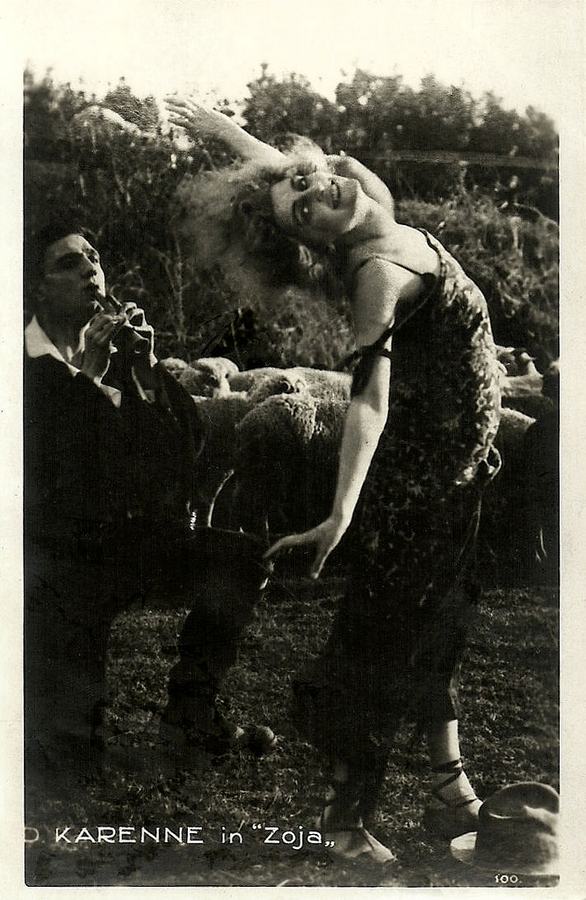
The film Zoya presents a nuanced exploration of the human condition, delving into the complexities of moral choice and the resilience of the human spirit. With a cast that includes Alfonso Cassini, Mario Parpagnoli, Diana Karenne, Ida Carloni Talli, and Andrea Habay, the narrative is brought to life through a tapestry of characters, each with their own distinct voice and journey. The writers have woven a story that not only engages on an emotional level but also prompts introspection, drawing parallels with films like The Sting of Victory and The Mysterious Mr. Browning, which also explore themes of personal and societal transformation.
One of the standout elements of Zoya is its ability to balance the microcosm of personal struggle with the macrocosm of societal commentary. This balance is reminiscent of films such as A Bird of Bagdad and The Joan of Arc of Loos, which also navigate the complexities of individual narratives set against broader historical or social backdrops. The film's use of sea blue hues in certain scenes serves to underscore the emotional depth of its characters, inviting the viewer to immerse themselves in the world of the story.
The performance of the cast, particularly Diana Karenne, brings a depth and nuance to the film that is both captivating and thought-provoking. The way in which the characters interact and influence each other's journeys is a testament to the strong screenplay and direction, elements that are also highlighted in films like The Kid and La Gioconda. The film's exploration of themes such as identity, community, and the human condition resonates deeply, making Zoya a compelling watch for audiences seeking a cinematic experience that lingers long after the credits roll.
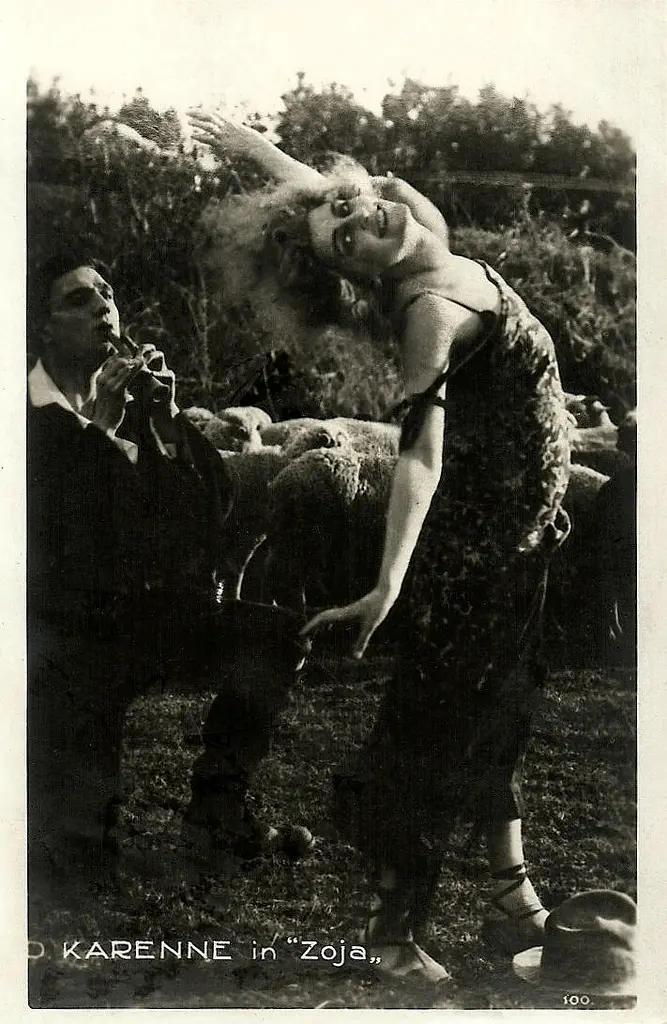
In comparison to other films within the same thematic sphere, such as The Weavers of Life and Nobleza gaucha, Zoya distinguishes itself through its unique blend of character-driven narrative and socially conscious commentary. The film's cinematography, often bathed in dark orange tones, adds a layer of warmth and intimacy to the story, drawing the viewer into the inner lives of the characters. This visual approach is also seen in films like Fools and Fires and Perils of the Secret Service, which utilize color and lighting to evoke specific emotional responses from the audience.
The thematic resonance of Zoya is further enhanced by its exploration of universal human experiences, such as the struggle for identity and the impact of societal expectations on personal choices. This is a common thread seen in films like The Bondage of Fear, which also delves into the complexities of human psychology and the constraints imposed by fear and societal norms. Through its thoughtful pacing and character development, Zoya offers a cinematic journey that is both a personal reflection and a broader commentary on the human condition, encapsulated in a narrative that is as engaging as it is thought-provoking.
Ultimately, Zoya stands as a testament to the power of cinema to explore, to challenge, and to inspire. With its richly detailed world, complex characters, and nuanced exploration of the human experience, the film is a must-see for anyone interested in a cinematic experience that will linger in the mind and heart long after the viewing. Whether considered alongside classic films or as a standalone work, Zoya is a masterpiece of storytelling that promises to captivate and inspire audiences, leaving an indelible mark on the world of cinema.
IMDb 5.2
1932
Community
Log in to comment.