Summary
On the cusp of fratricidal conflagration, antebellum moss drips from verandas like candle wax while dynastic loyalties calcify; David Whiting—blue-clad scion turned Union colonel—emancipates his inherited human property, thereby detonating the plantation’s moral scaffolding. Across battlefields that reek of cordite and magnolia, he parries not only Confederate steel but the spectral contempt of a sister who hurls back an engagement ring, a brother whose gray coat billows with incendiary pride, and creditors whose ledgers drip with Reconstruction bile. When the cannons cool, David returns astride a horse the color of bone, pockets heavy with back-pay scrip, and redeems the ancestral acres from the usurious talons of Thomas Spicer—a social-climbing Shylock bedecked in seersucker. Yet blood pools again: Spicer’s corpse stares moon-eyed at the moonlight, Walker’s engraved revolver winking beside him. Court-martial drums roll; brother must sentence brother until an emancipated bondsman, Rufus, steps from the shadows to confess the retributive thrust that avenged a whip-scarred back. David’s triumph tastes of rust: Ruth Tyler—the delta-bred Venus whose laughter once rivaled mockingbirds—recoils from the victor’s uniform, sliding instead into the arms of the defeated sibling whose wounds still weep. The mansion’s pillars stand restored, but its heir stands hollow, clutching a pyrrhic flag that flutters like a bandage over a wound that will never close.
Synopsis
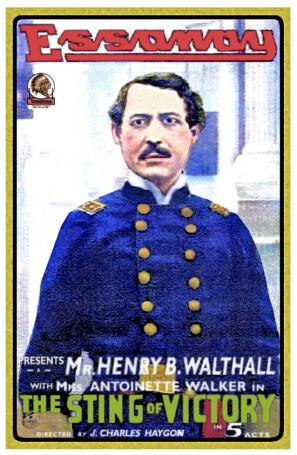
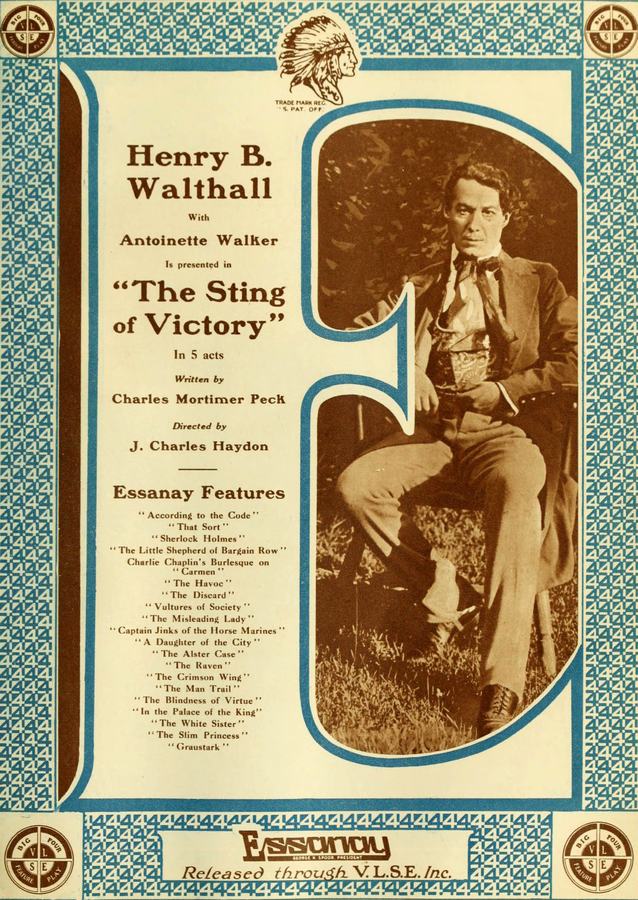
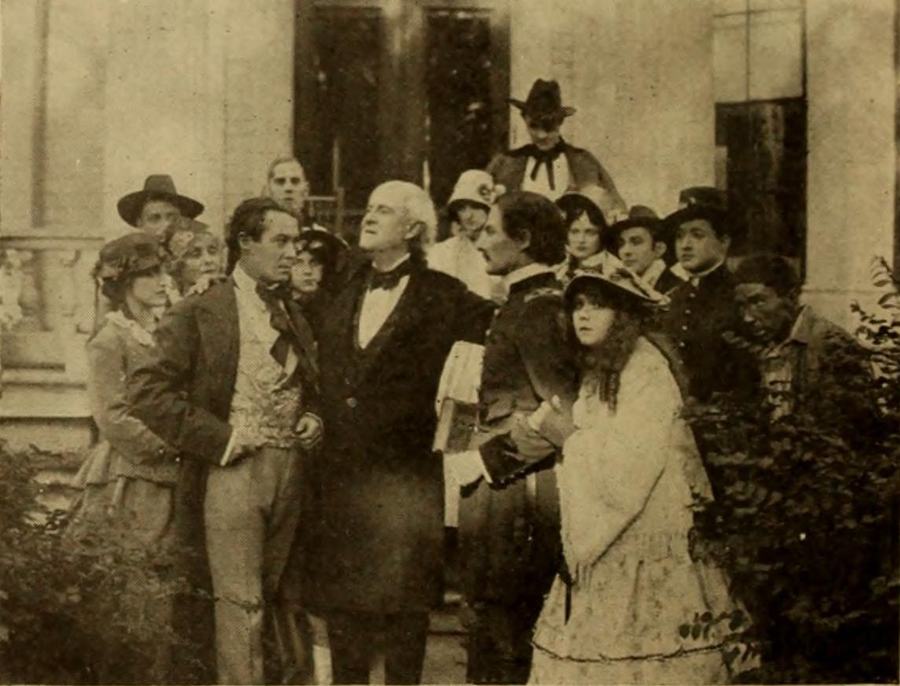
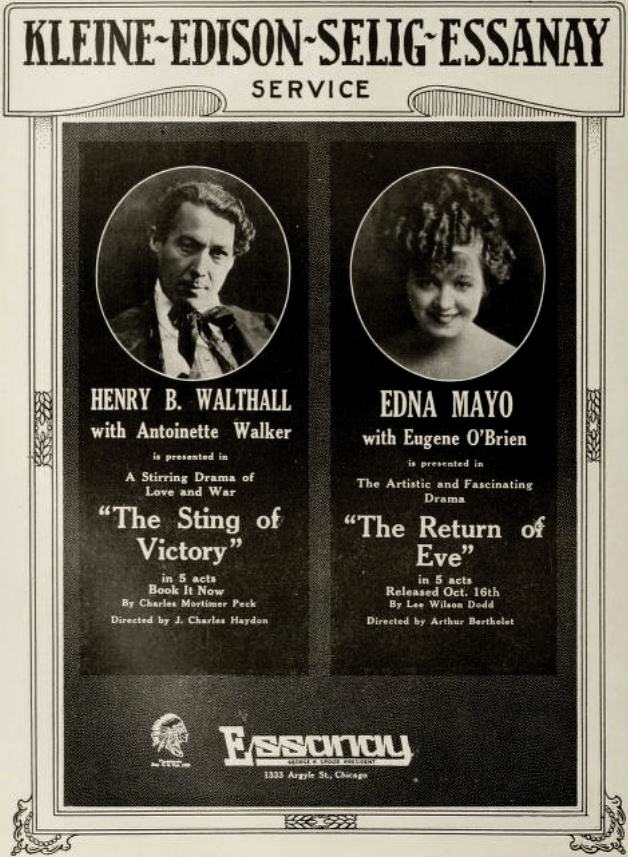
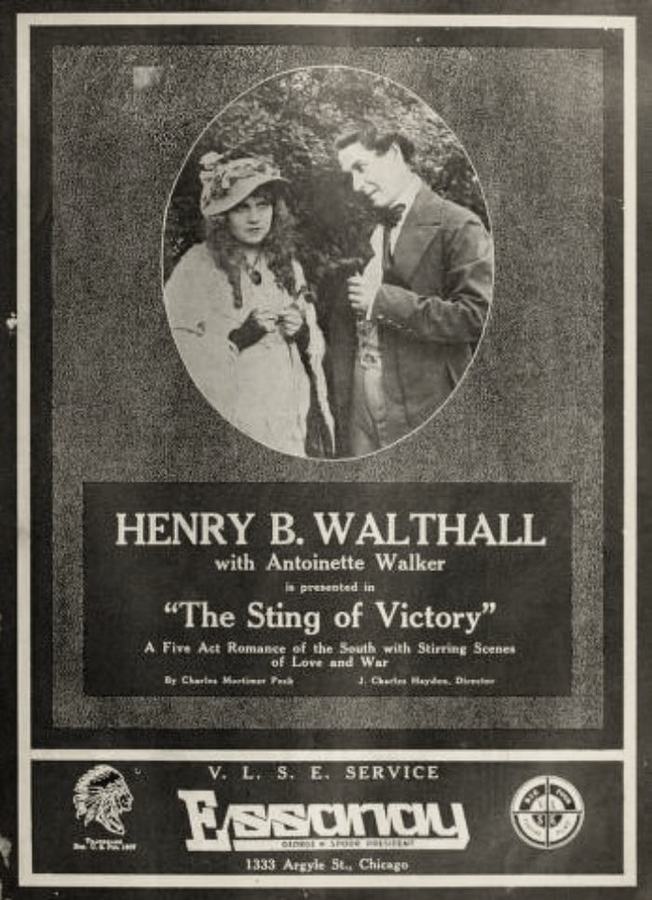
David Whiting belongs to a fine old aristocratic family of the south and is an officer in the United States Army. He believes in the Union and he is opposed to slavery. When the Civil War breaks out he frees his personal slaves and joins his regiment to fight for the north. His brother, Walker, is an honorable man, but hot-headed and impetuous, the opposite of his brother. He joins the southern army fighting against his brother. Edith Whiting, the sister, and her parents are extremely bitter over David's defection. The play opens shortly before the Civil War, when David is visiting his home with a friend and brother officer, Jack Spencer, who is engaged to Edith. Edith quarrels with Spencer over their differences in principles and returns his engagement ring. David is in love with Ruth Tyler. During the war the Whiting family, deserted by the slaves, have a hard time to make ends meet, and borrow from a professional money-lender, Thomas Spicer, giving mortgages on their property. Spicer is anxious that his son be recognized by the better class of people. He is ambitious for him to marry Edith Whiting. Edith always spurns him, even though word reaches her that Spencer has been killed. After the war David, now a colonel, returns to his home town with his troops as military commander of the district. He pays off the debts on the plantation and saves his sister from further humiliation at the hands of Spicer. A few days afterward Spicer is found murdered. Walker Whiting is found leaning over the body. A gun belonging to Walker is found by the man's side. It is well known that there was bitter feeling between Walker and Spicer, so he is arrested and accused of the murder. It devolves on David to court-martial and try his own brother. However, Rufus, a slave, confesses he killed Spicer because he once horsewhipped him. Although David had done all of this and much more for his family, had restored order and saved the residence from great humiliation and outrage, both his family and all his old friends are still cold to him. The sting of victory comes when the woman he had long loved, Ruth Tyler, rejects him and throws herself into the arms of his brother. David has won the fight for his principles, but lost the girl.
Review Excerpt
"
Charles Mortimer Peck’s The Sting of Victory lands like grapeshot in the memory: a 1915 one-reel marvel that distills the entire Civil War into the trembling iris of one Southern family and somehow—without spoken word—makes the silence scream. I revisited a mint 35 mm print at the Eye Filmmuseum, piano thundering behind me, and staggered out feeling someone had stitched a battle flag to my ribcage. The film is technically a one-act condensation of a never-produced four-act play, yet its compres..."