DbcultAccessing Vault...
7.2/10
Senior Film Conservator
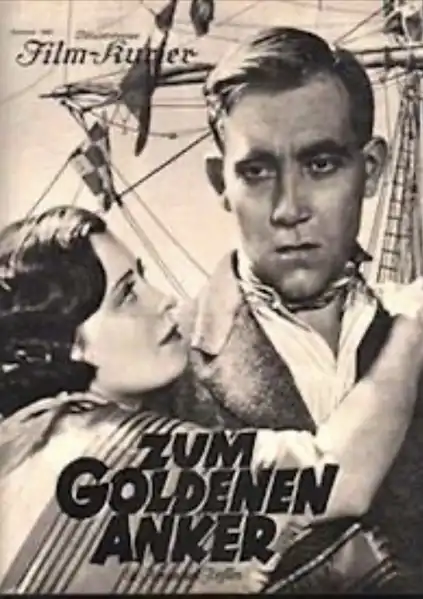
A definitive 7.2/10 rating for a film that redefined the boundaries of cult cinema. Zum goldenen Anker remains a cornerstone of transgressive art.
Alright, so we're talking about Zum goldenen Anker here, a German picture from 1931. If you're curious about how early sound films tackled drama, especially adaptations of stage plays, then yeah, it’s worth a watch. Folks who crave high-octane modern cinema or big special effects will probably find it a real slow burn, perhaps even a bit stiff. But for a quiet afternoon, maybe with a cup of tea, it definitely has a certain, peculiar charm. 🎬
This film is essentially the German version of Marcel Pagnol’s French play, Marius, filmed pretty much at the same time, often on the same sets. You can almost feel the stage origins in every frame. The camera doesn't move much, preferring to let the actors do their thing in these fairly static, but detailed, tavern and dockside sets. It’s less like a film and more like a very well-shot play.
The story itself is classic stuff: Marius, played by Mathias Wieman, works in his father's bar, but his gaze is always, always drifting towards the harbor. He watches the ships, and you can practically hear the sea calling him. Then there's Fanny (Ursula Grabley), a spirited young woman who loves him, really loves him, and doesn't want him to go.
The performances are interesting. Ludwig Stössel as César, Marius's father, is a real character. He's loud, a bit blustery, and his reactions sometimes feel a tad over-the-top, but it fits the theatrical style. There's a scene where he's just trying to run his bar, and Marius is off dreaming. The frustration on Stössel's face, the little huffs, feels pretty real, even if the acting style is from another era. He really carries a lot of the energy.
What struck me was the pacing. It’s slow, by modern standards. Conversations stretch out. People take their time to respond. It’s not just a technical limitation of 1931; it feels intentional, letting you sink into the rhythm of this small port town. You can almost smell the sea air and the stale beer in the bar.
There's this moment when Marius finally makes his decision. It's not a big dramatic shout or a sudden revelation. It's quieter, almost resigned. You see the conflict in his eyes for so long, and then, a certain stillness. It's effective, because you’ve spent so much time just watching him *be* conflicted.
And Fanny, bless her heart. Ursula Grabley does a good job showing her pain without turning into a weeping mess. You feel for her. There's a scene where she's trying to pretend everything is fine, but her eyes just give it all away. It’s subtle for a film of this period, a little glimpse into genuine sadness.
The dialogue, being from a play, is pretty rich. Not always naturalistic, but full of proverbs and little philosophical musings about life and duty. Some lines just hang in the air for a moment too long, but it adds to the atmosphere. It's all about what people say, and how they say it.
Honestly, don't go into this expecting a cinematic masterpiece with groundbreaking camera work. It's not that. It's a window into early talkie filmmaking, a snapshot of how stories were told when the technology was still figuring itself out. The sound, while clear enough, has that distinct 1930s quality, a little thin, a little echo-y sometimes. Makes you appreciate how far things came, you know?
I found myself wondering about the differences between this and the French version. Like, did the German actors bring a different kind of intensity? Or was it just a direct translation of the same stage blocking? It’s hard to say without seeing both back-to-back, but it's a fun thing to think about while watching.
Ultimately, Zum goldenen Anker is a gentle, almost melancholic film about longing and responsibility. It’s not flashy. It’s not going to blow you away with plot twists. But if you’re patient and appreciate the historical aspect, there’s a quiet beauty to it. It’s a bit like finding an old, well-loved book; the pages are yellowed, but the story inside still holds up. 📖
IMDb —
1920
Community
Log in to comment.