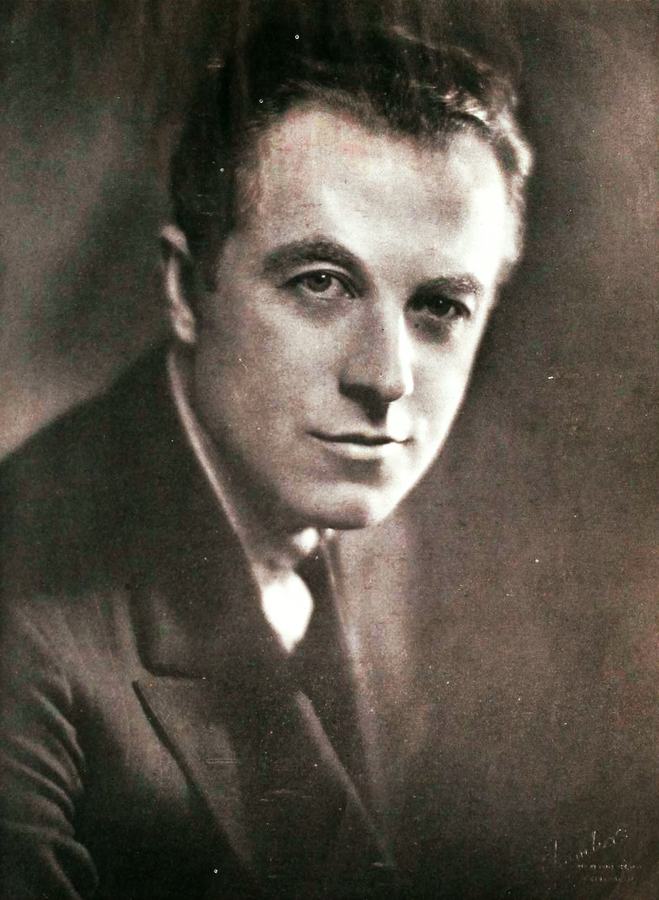
Eugene O'Brien
actor
- Birth name:
- Louis O'Brien
- Born:
- 1880-11-14, Boulder, Colorado, USA
- Died:
- 1966-04-29, Los Angeles, California, USA
- Professions:
- actor
Biography
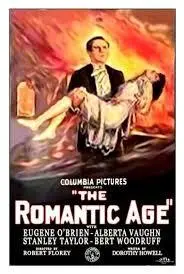
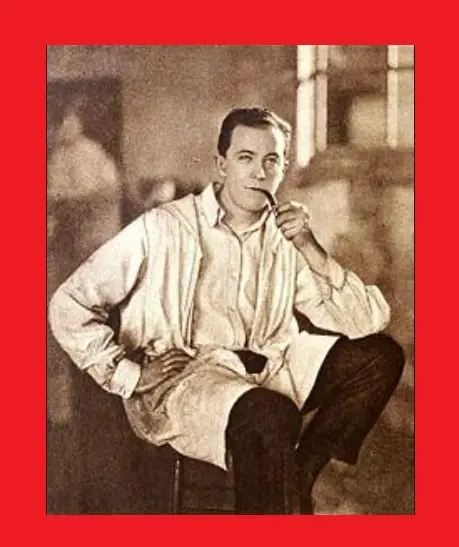
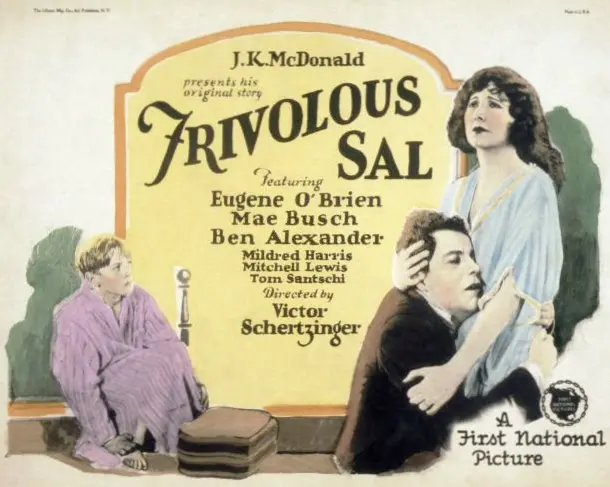
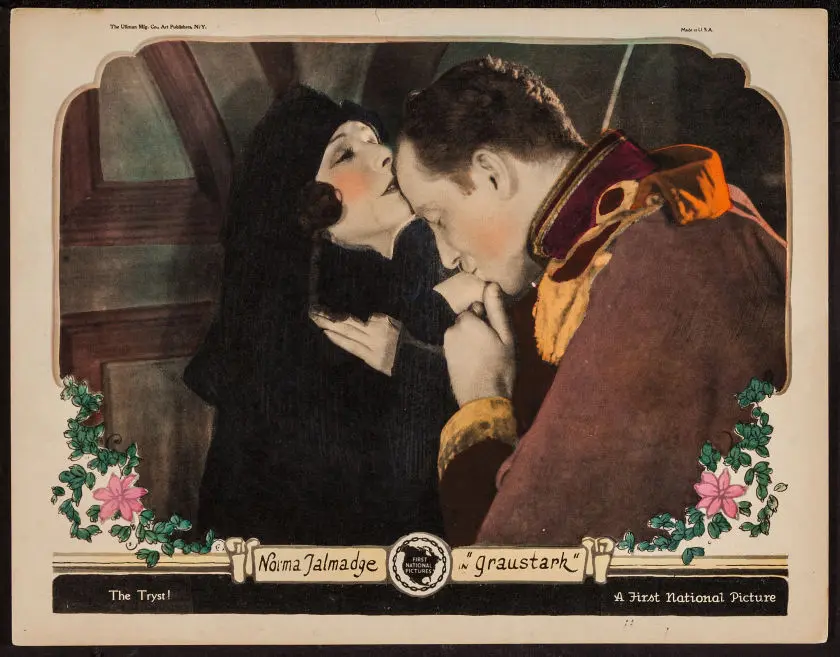
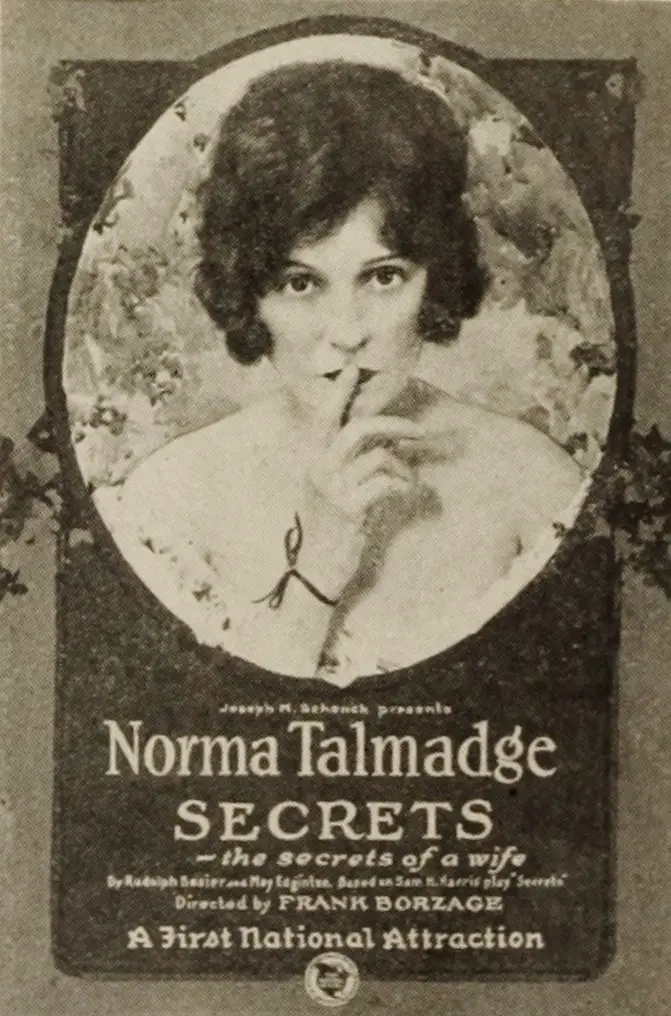
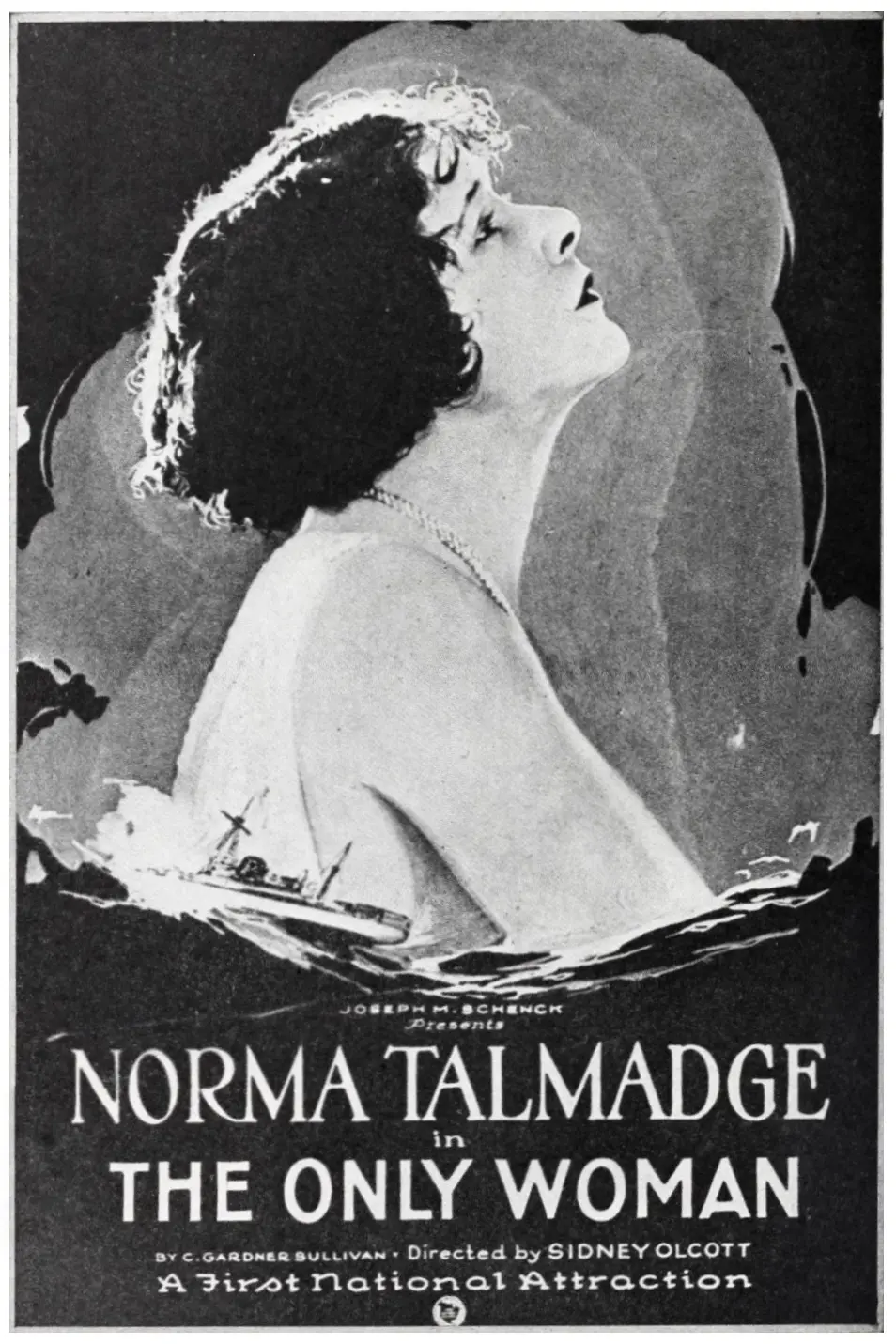
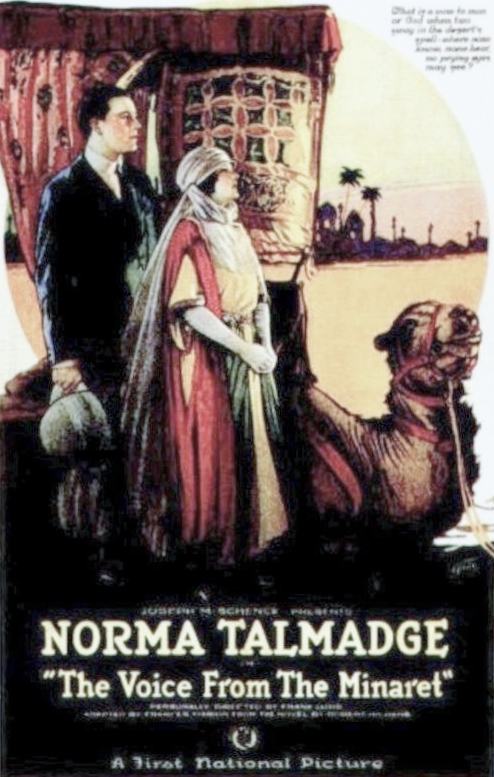
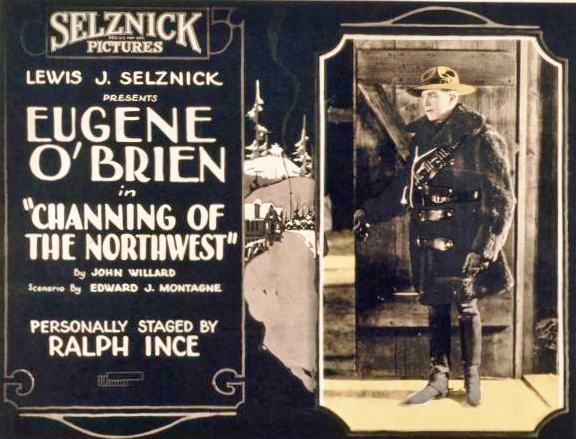
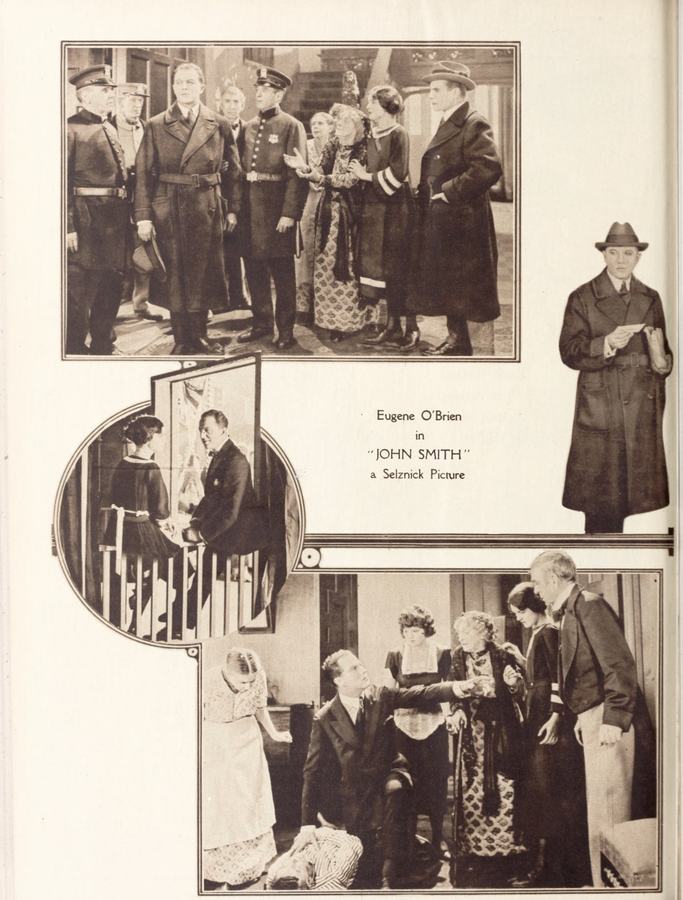
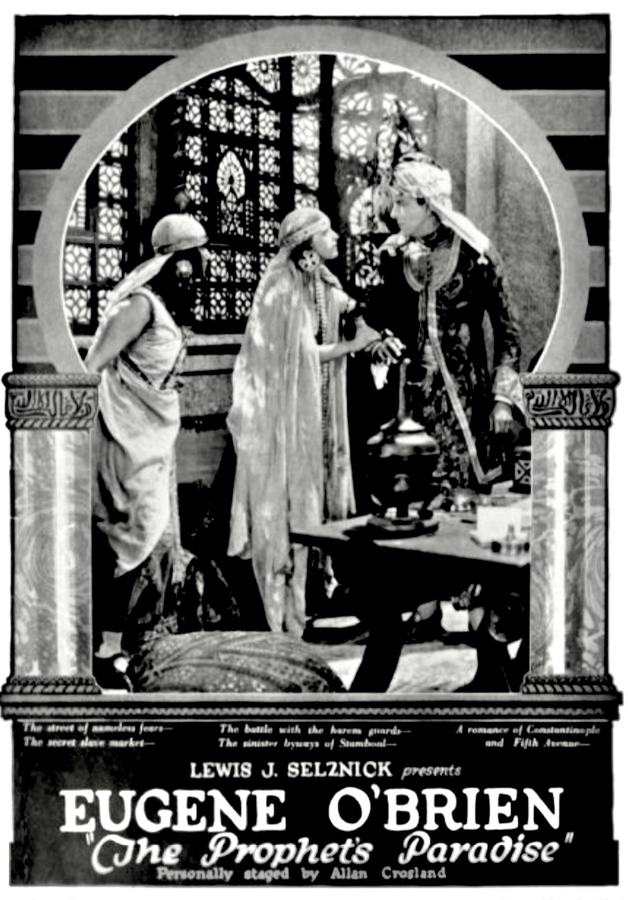
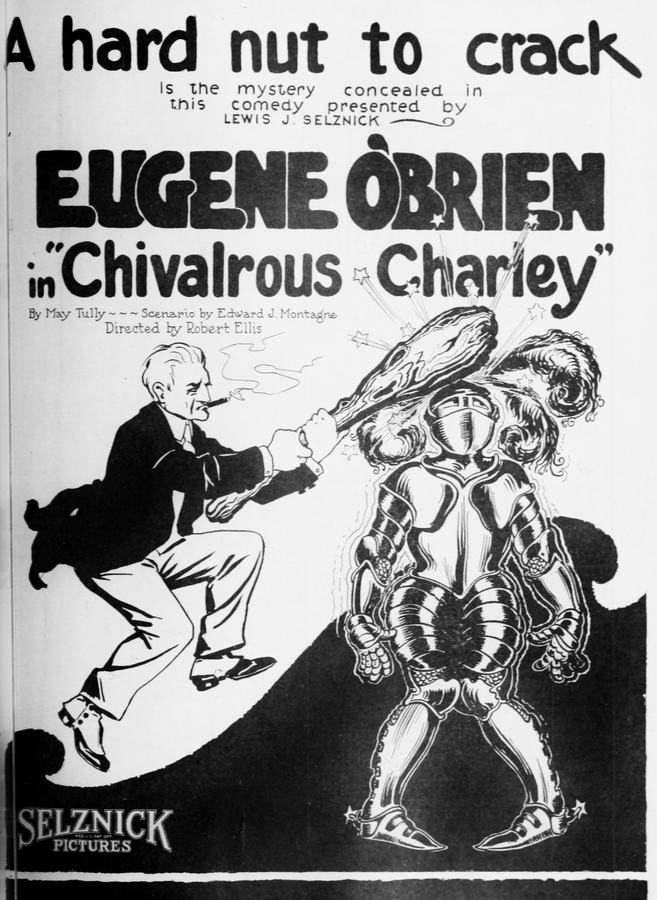
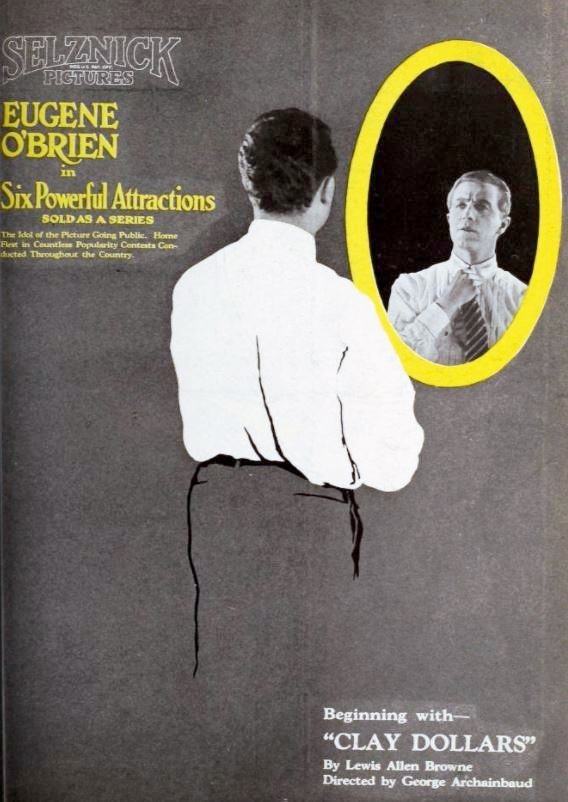
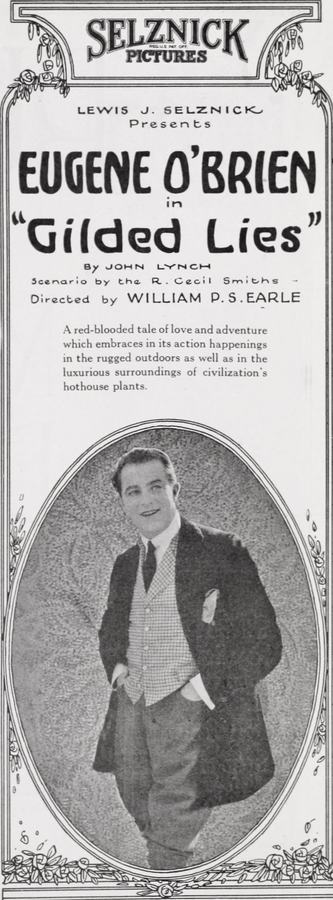
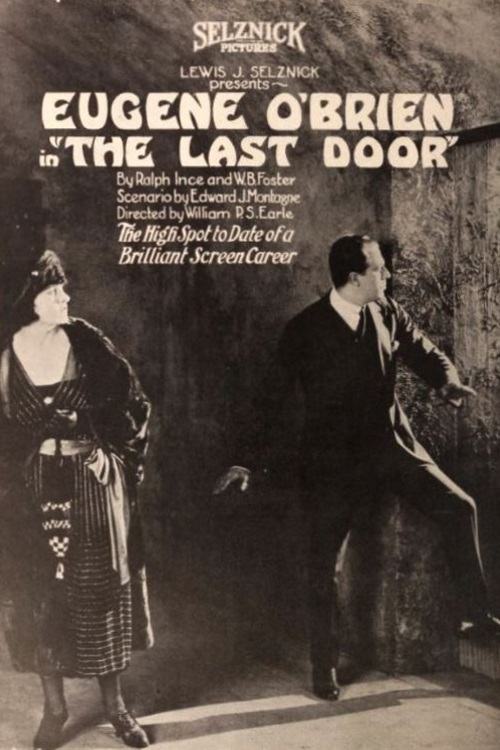
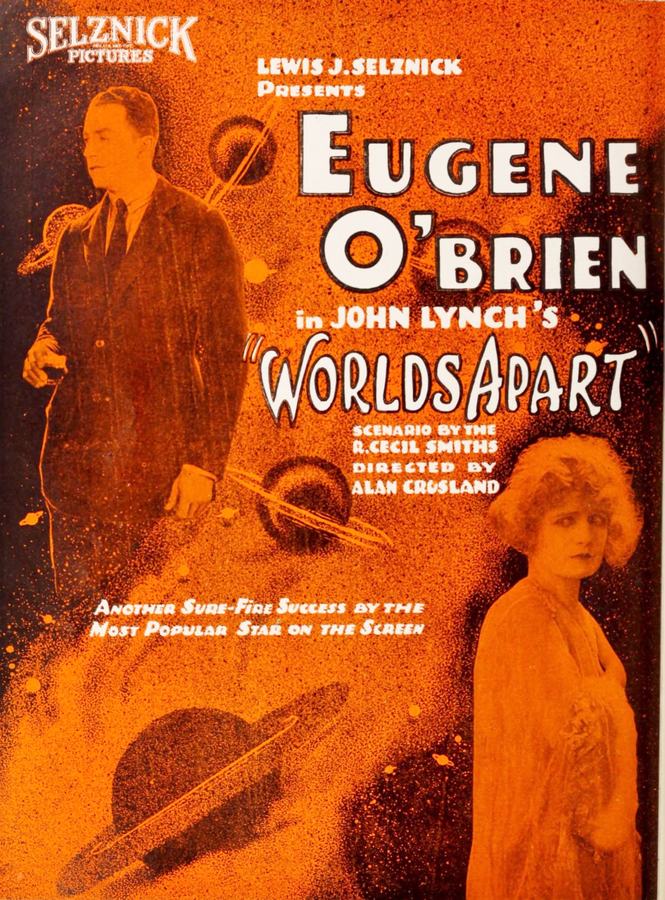
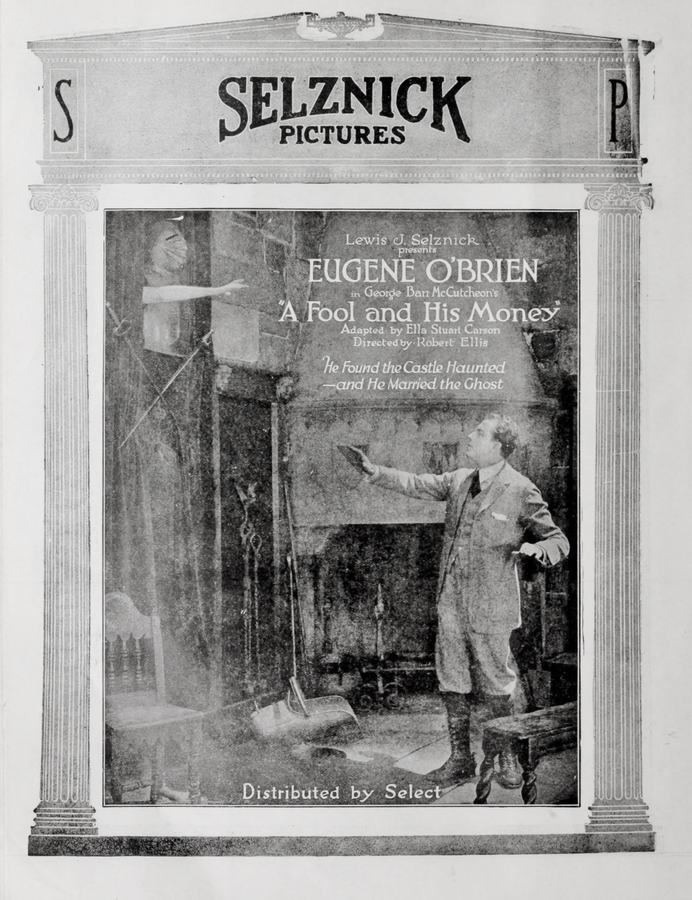
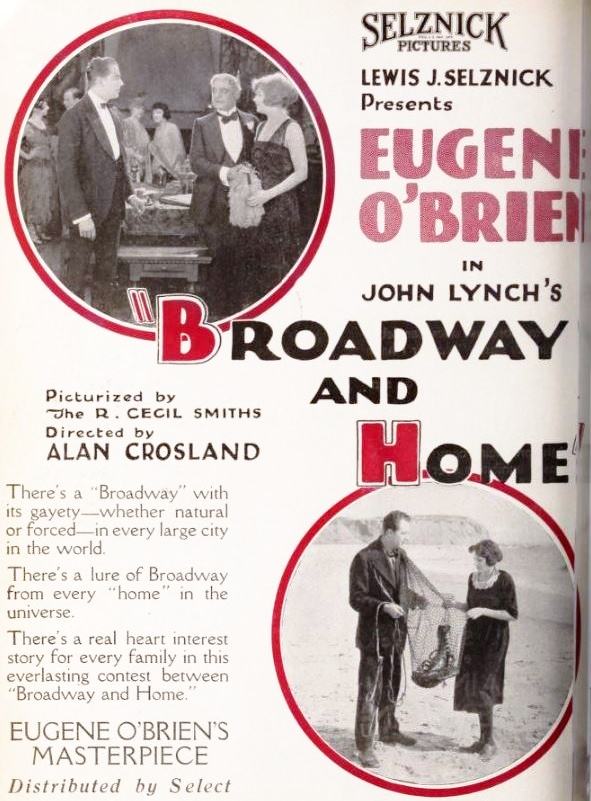
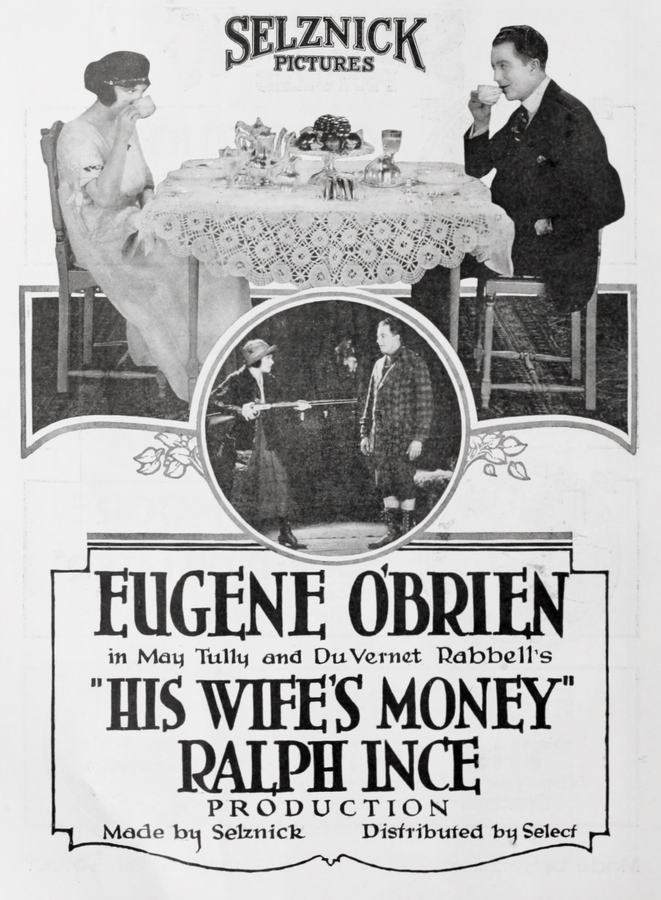
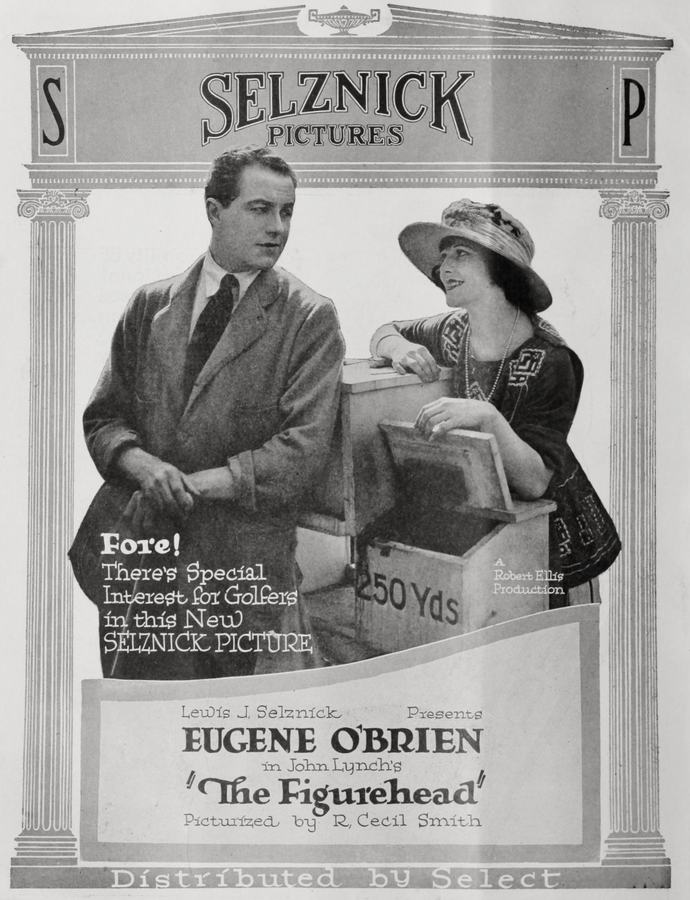
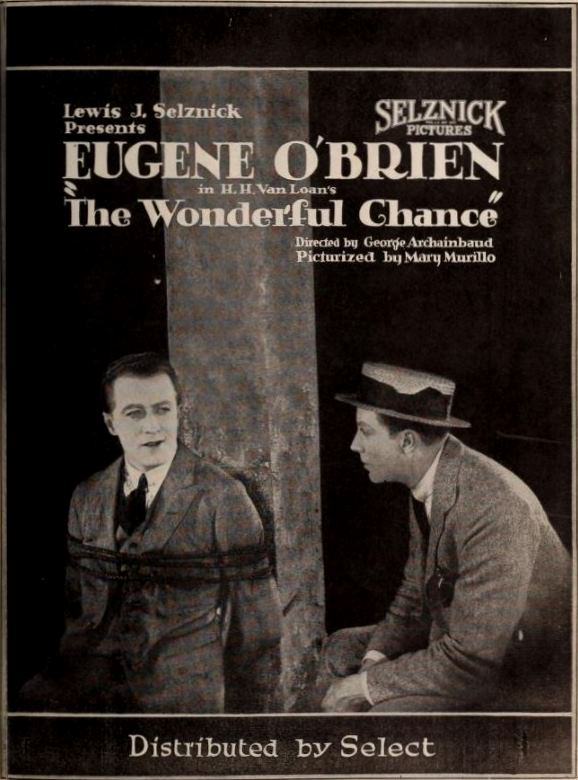
Louis O'Brien, born 1881 in the shadow of Boulder’s Flatirons, arrived as the son of a town marshal and a mother who expected him to trade his childhood play-acting for a stethoscope. University of Colorado laboratories bored him; cadavers refused to speak their lines, so he flunked pre-med, slid into civil engineering, and still day-dreamed in footlights. In 1902, Elitch’s Gardens handed the 21-year-old dropout a single line of dialogue and a new life: audiences noticed the shoulders, the carved cheekbones, the baritone that could hush a beer-garden crowd. Louis became Eugene, left for New York, and sang second tenor in a vaudeville quartette dressed as a Hungarian hussar while he waited for bigger scenes. Four years after he had danced through the chorus of Charles Frohman’s 1905 musical *The Rollicking Girl*, the producer finally looked up, signed him, and in 1909 opened *The Builder of Bridges* at the Hudson Theatre. Overnight, a critic yawned at the “unknown” name one evening and raved about the “sudden meteor” the next morning. On New Year’s Day 1911, Eugene shared the Empire stage with Ethel Barrymore in *Trelawny of the Wells*; Broadway’s summit had been scaled. Cameras soon called. In February 1915, Boulder's Currant Theater projected his first feature, Essanay’s *The Lieutenant Governor*, onto its hometown screen so the O'Brien clan could finally watch their wandering son. Lewis J. Selznick saw the same print, cast him as the jewel-hunting hero of *The Moonstone*, and launched a decade of stardom. With storm-blue eyes and a pompadour the color of Colorado sand, O'Brien partnered Mary Pickford in *Poor Little Peppina* (1916) and *Rebecca of Sunnybrook Farm* (1917), then slipped into 11 romances beside Norma Talmadge—from 1917’s *Poppy* to 1925’s *Graustark*. Schenck productions kept the on-screen passion polite; office gossip claimed the mogul preferred leading men who wouldn’t steal Norma’s heart off-set. Whether or not the “pink list” was real, Talmadge later did fall for Gilbert Roland, proving Schenck’s parody of caution half-right. By the late twenties, O’Brien’s name on a marquee insured a million-dollar policy on his life and weekly paychecks that silenced any longing for footlights. Yet he claimed to miss the cough and rustle of a live house. When microphones killed silence in 1928, he exited with *Faithless Lover*, stepped out of the spotlight at 47, and never returned. He bought a tiled, sun-struck courtyard house in Hollywood, rose at dawn to garden, swam, lifted weights, and told interviewers that freedom tasted better than any wedding cake. Marriage, he laughed, looked too much like a contract with only one revival clause. In 1952, he boarded a train east for the last time, stood hat-in-hand at his brother George’s Boulder funeral, then slipped away. He died quietly in 1966 at 85; Hollywood staged the service, but a Colorado breeze now moves the bronze marker that rests beside his parents and brothers in Green Mountain Cemetery. The college boy who failed anatomy found forever in the town that first watched him dream.