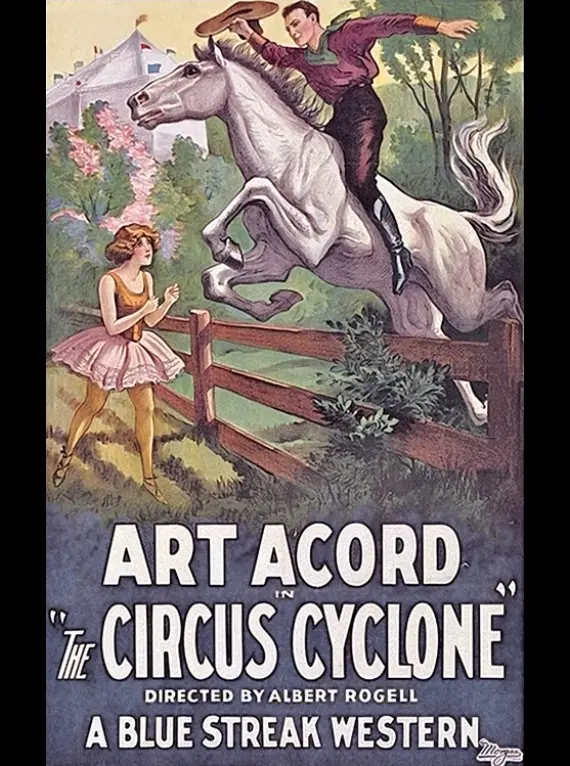
Charley Riley, who has a temperamental fault of chivalrous conduct toward ladies, is shipped west by his uncle with the expectation that the rough life will stiffen him. Back in New York, however, Charley is involved in two escapades and lands in jail; later, as he is about to enter his apartment, a young lady appeals to him for shelter from her pursuers and he offers her the hospitality of his apartment for the evening.
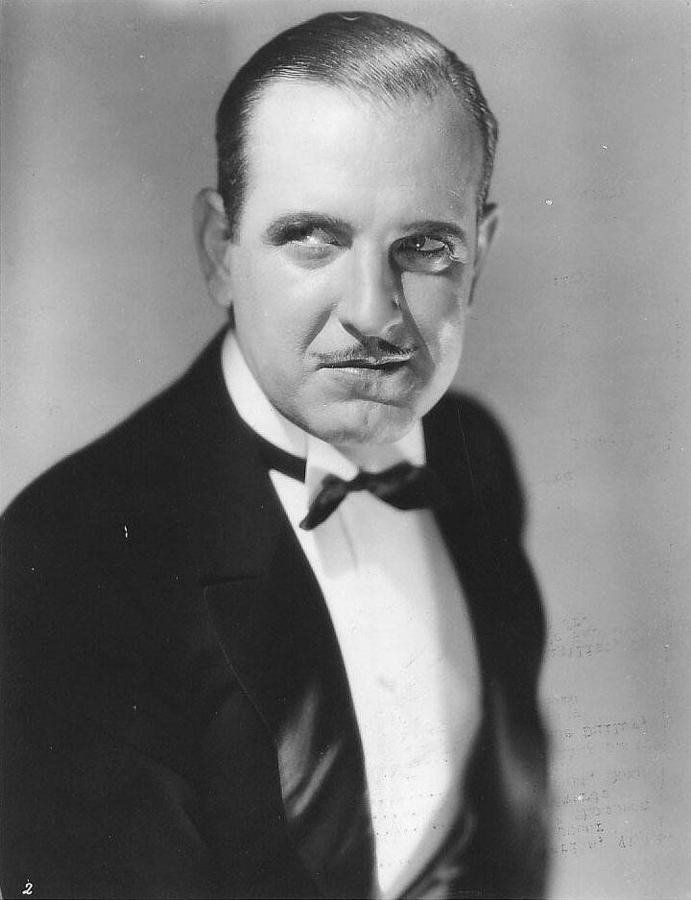
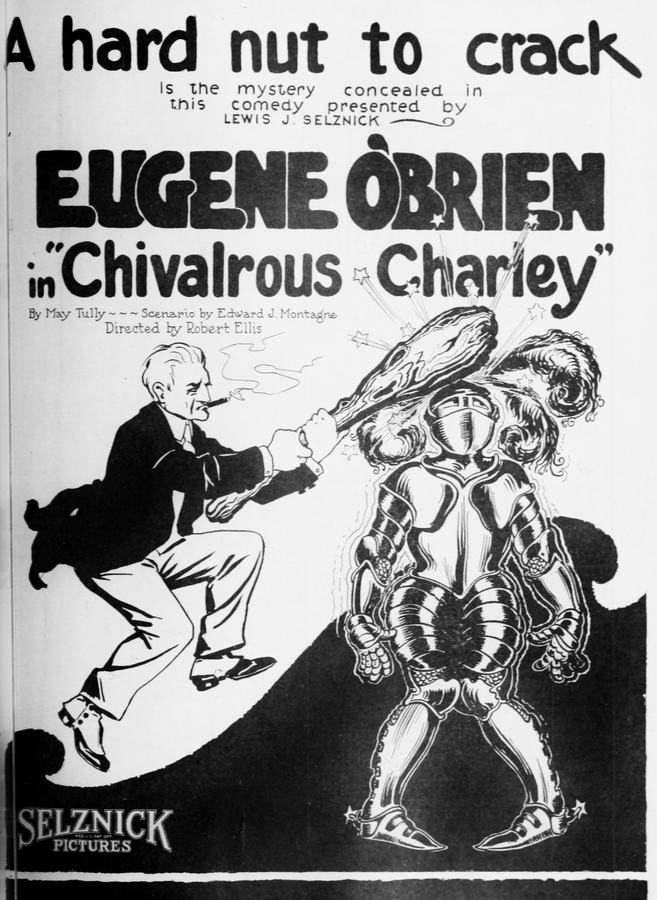
Chivalrous Charley: A Dissection of Nonsense and Nostalgia When Charley Riley strides into the frame, one might mistake him for a misplaced character from a Gilbert & Sullivan operetta. His chivalric inclinations, though well-meaning, are as volatile as a dynamite keg in a corset factory. The 1930s film Chivalrous...
Comparing the cinematic DNA and archive impact of two defining moments in cult history.
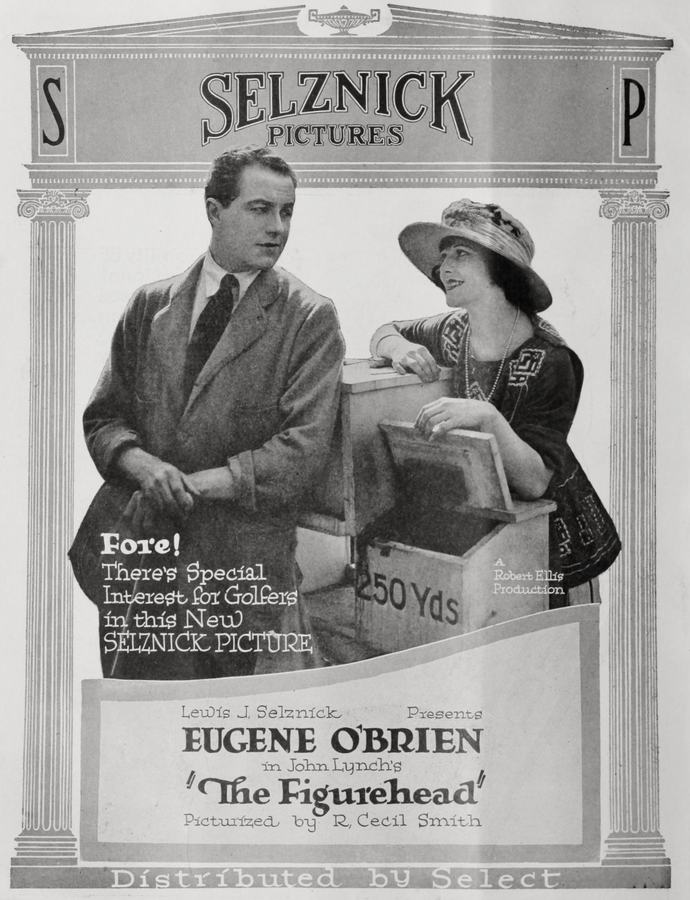
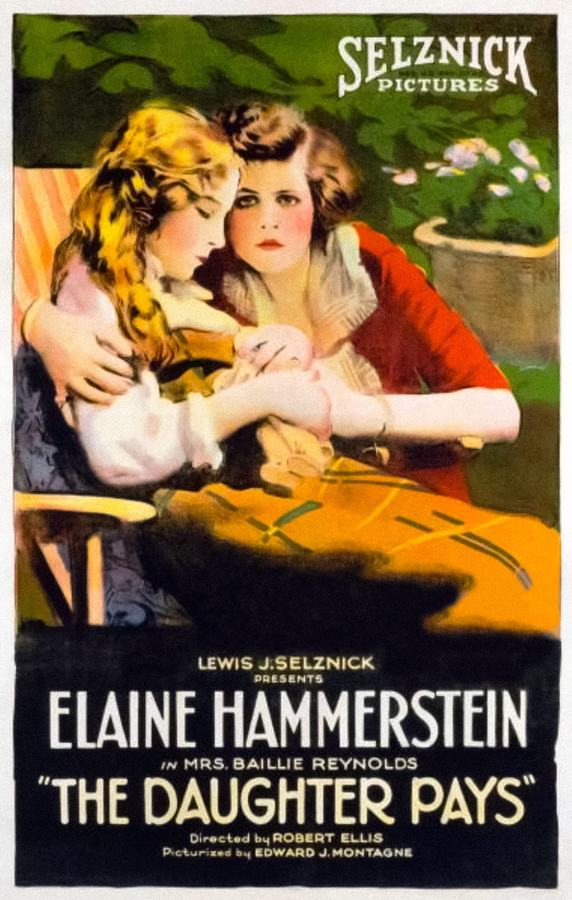
Robert Ellis
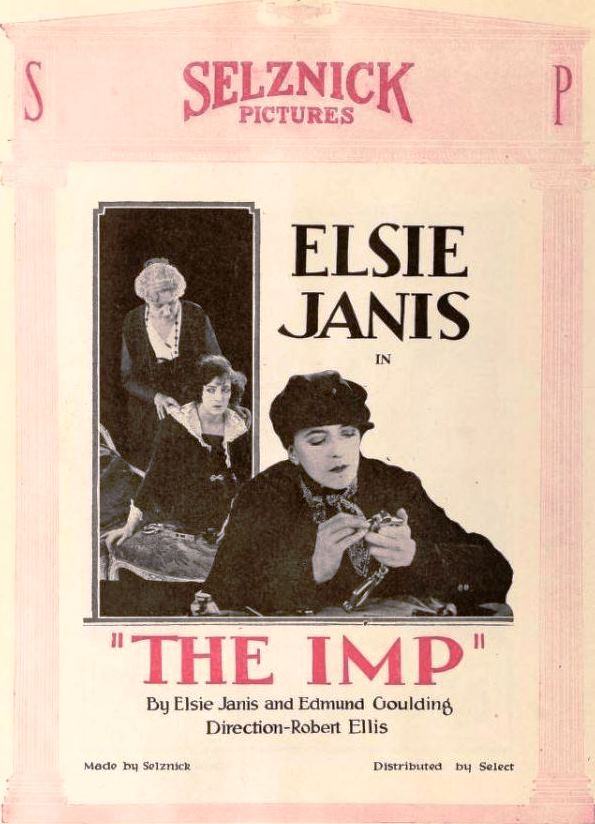
Robert Ellis
Community
Log in to comment.
" Chivalrous Charley: A Dissection of Nonsense and Nostalgia When Charley Riley strides into the frame, one might mistake him for a misplaced character from a Gilbert & Sullivan operetta. His chivalric inclinations, though well-meaning, are as volatile as a dynamite keg in a corset factory. The 1930s film Chivalrous Charley, directed with a mix of earnestness and slapstick, leans into the absurdity of its protagonist’s self-appointed honor code. Charley, portrayed with a blend of earnestness ..."
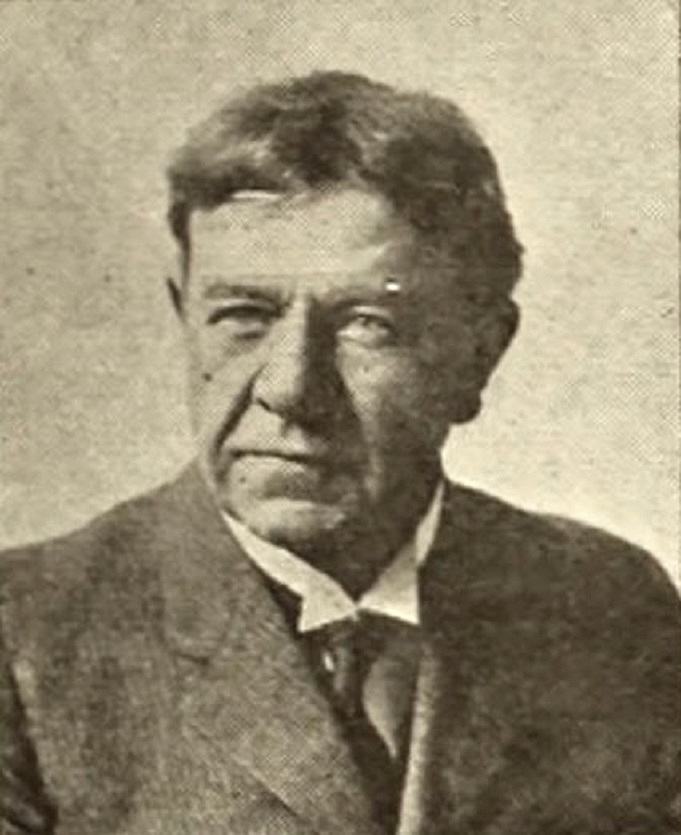
George Fawcett
May Tully, Edward J. Montagne
United States
Deep dive into the cult classic
Discover similar cinematic experiences
A Directorial Spotlight on Robert Ellis