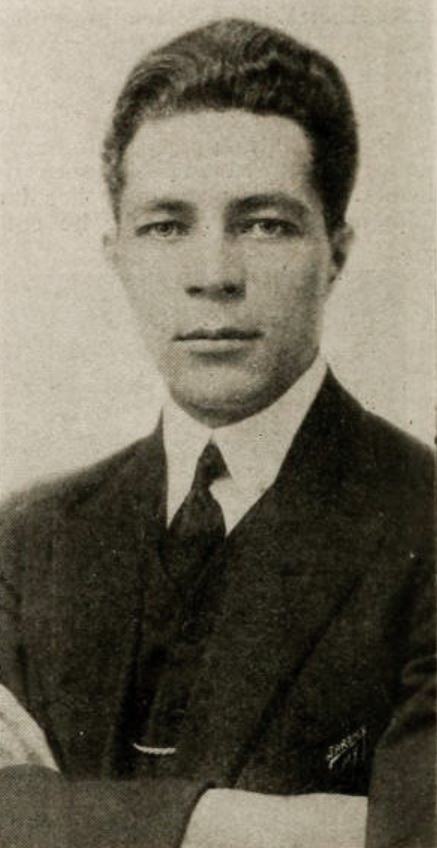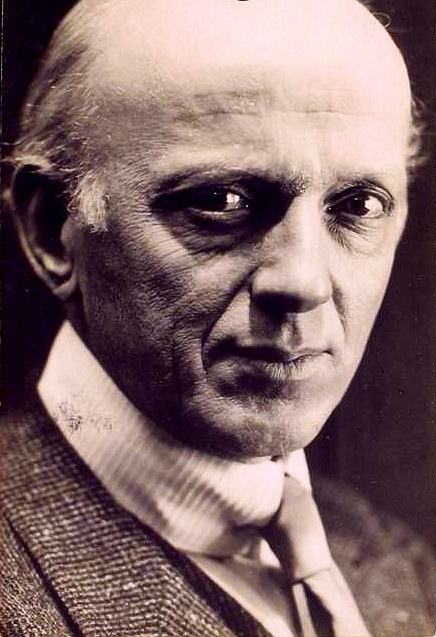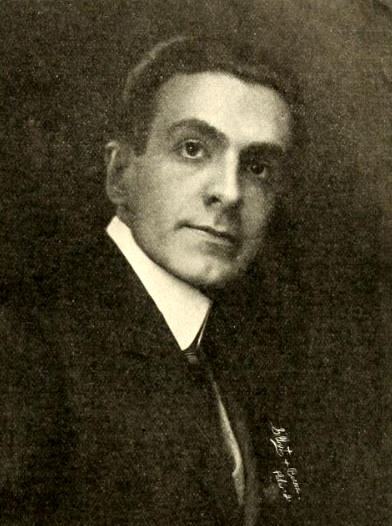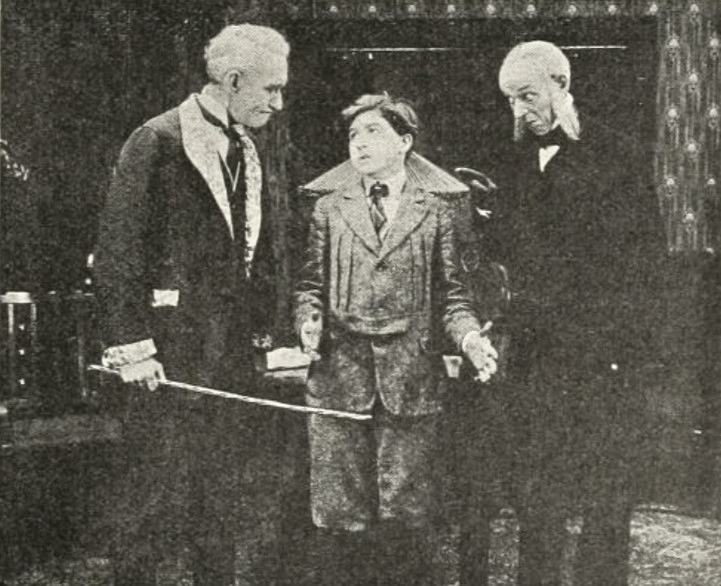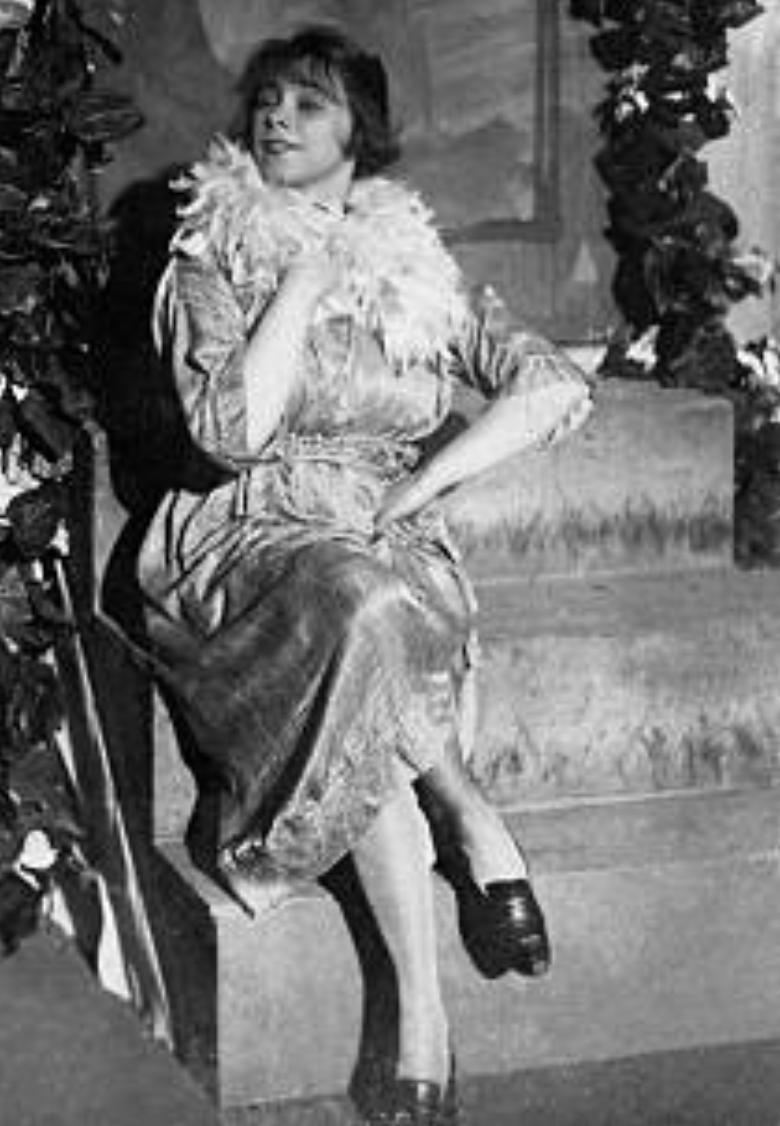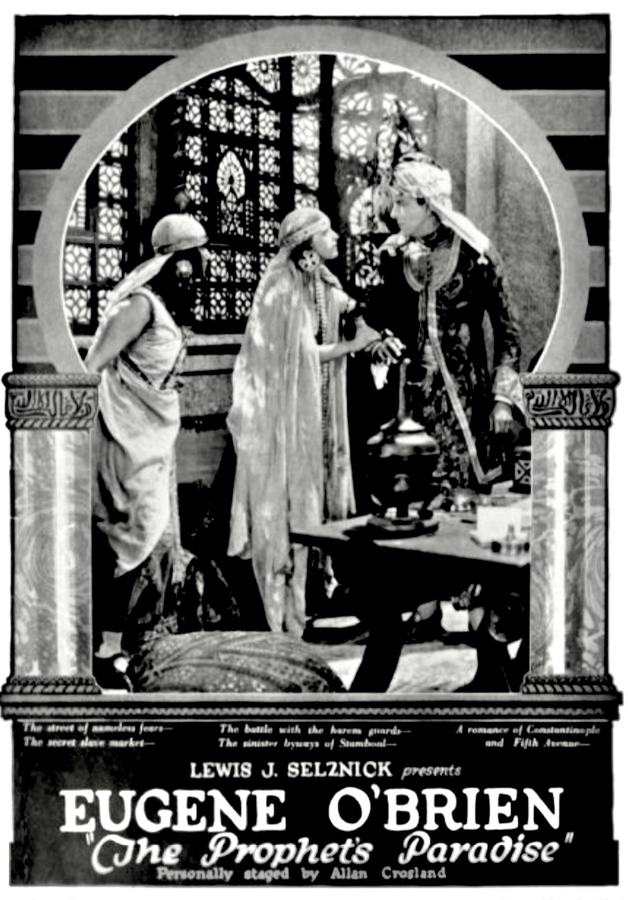
Howard Anderson, a young American tourist who finds himself somewhat bored in Constantinople, meets Hassard, a clever crook, who determines to get his money. Hassard, meanwhile, kidnaps Mary, the daughter of wealthy American John Talbot, who is studying Byzantine ruins, and holds her for ransom.
In the half-lit catacombs of 1922 cinema, The Prophet’s Paradise flickers like a copper coin dropped into a poisoned fountain—tarnished yet hypnotic. The film arrives not as story but as contagion: a travelogue of atrocities masquerading as romance, a ledger of transactions where every gaze is bartered and every resc...

event
Comparing the cinematic DNA and archive impact of two defining moments in cult history.
Alan Crosland
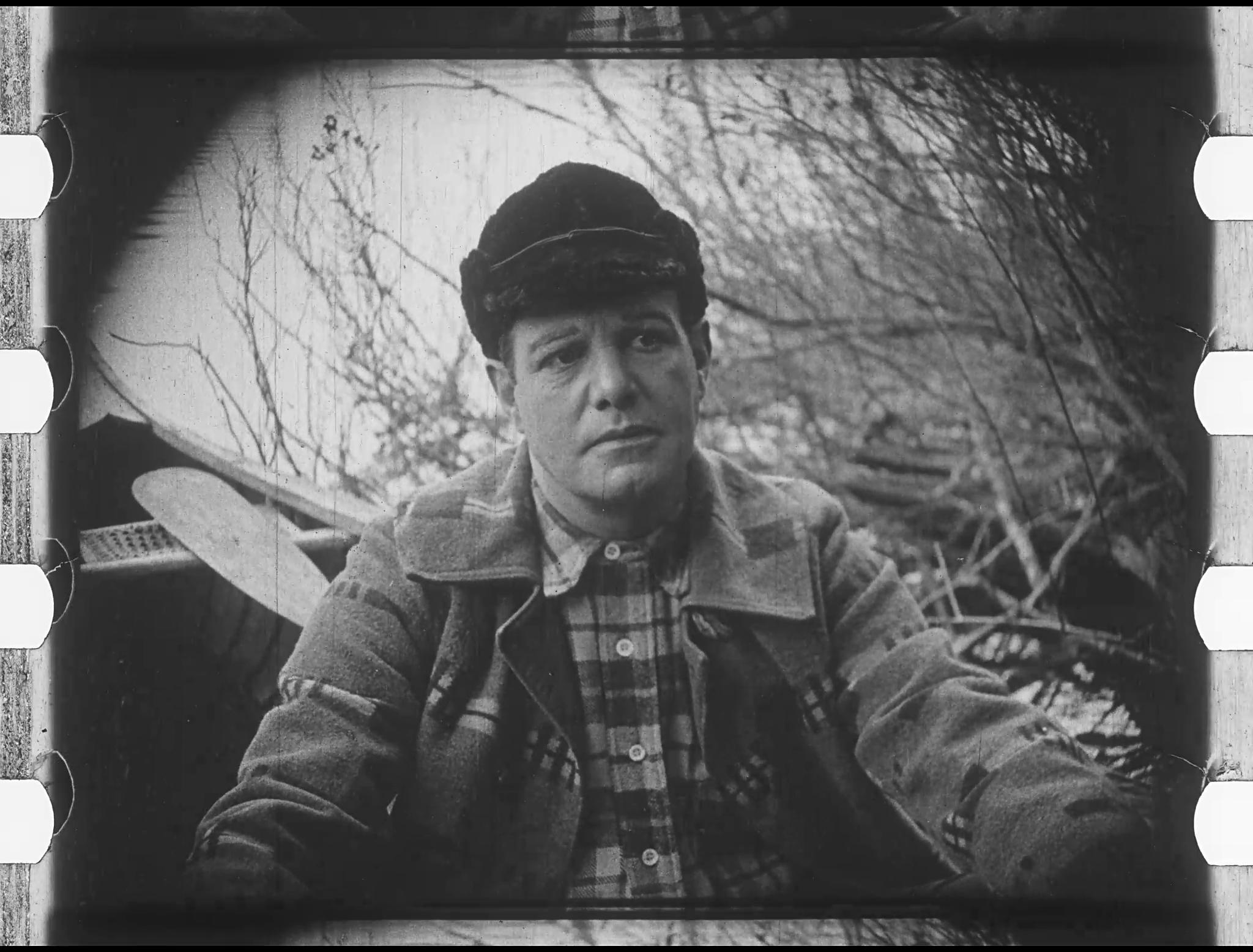
Edgar Jones
Community
Log in to comment.
" In the half-lit catacombs of 1922 cinema, The Prophet’s Paradise flickers like a copper coin dropped into a poisoned fountain—tarnished yet hypnotic. The film arrives not as story but as contagion: a travelogue of atrocities masquerading as romance, a ledger of transactions where every gaze is bartered and every rescue reenacts the original abduction. Joseph Burke’s Howard Anderson has the pampered diffidence of a man who tips the world for service it never agreed to render. Watch him in the ..."
Sigrid Holmquist
C.S. Montayne, Lewis Allen Browne
United States

Deep dive into the cult classic
Discover similar cinematic experiences
A Directorial Spotlight on Alan Crosland