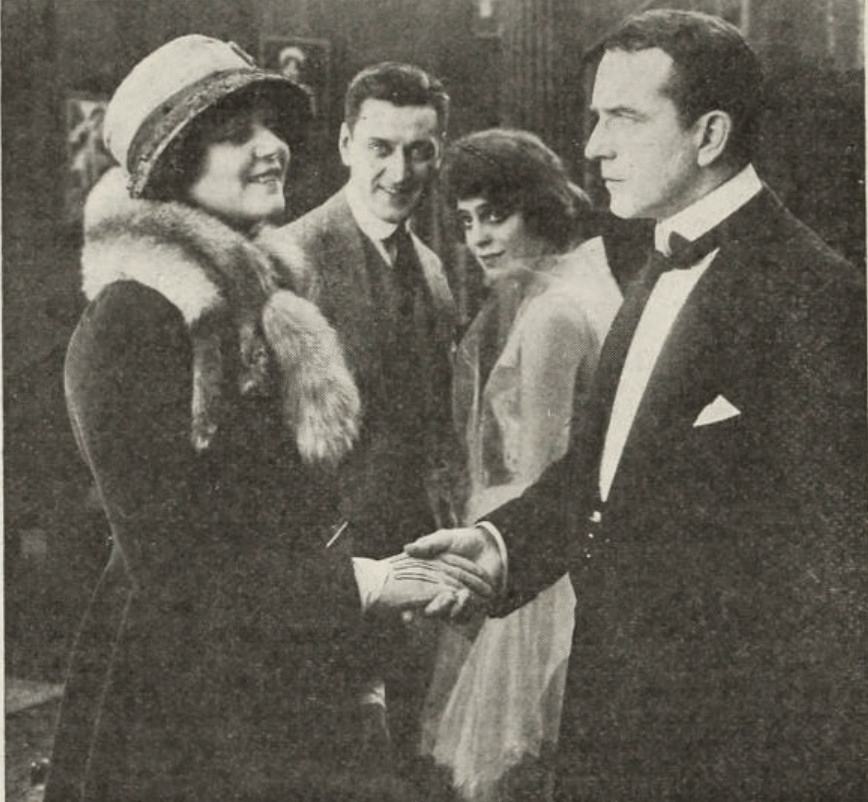
Upon leaving prison, an ex con vows to go straight, but circumstances force him to return to crime. Meanwhile, a gang of crooks kidnaps a visiting British aristocrat, but the ex-con has an incredible likeness to the Englishman, and his intended hosts take him home to their mansion.
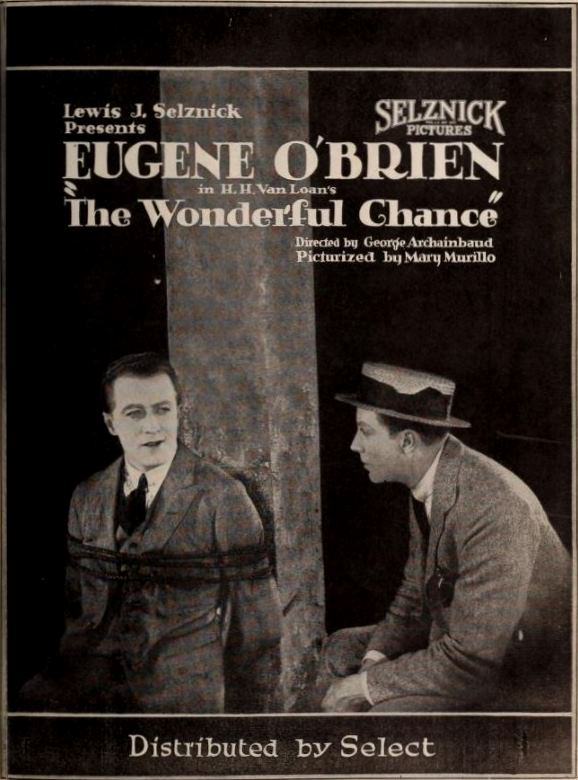
There is a moment, roughly halfway through The Wonderful Chance, when Eugene O’Brien’s reluctant impostor stands beneath a Venetian glass chandelier that drips prisms like frozen cognac. He lifts his face, lets the shards of light cut across his cheekbones, and for three silent heartbeats we see the entire film’s thes...
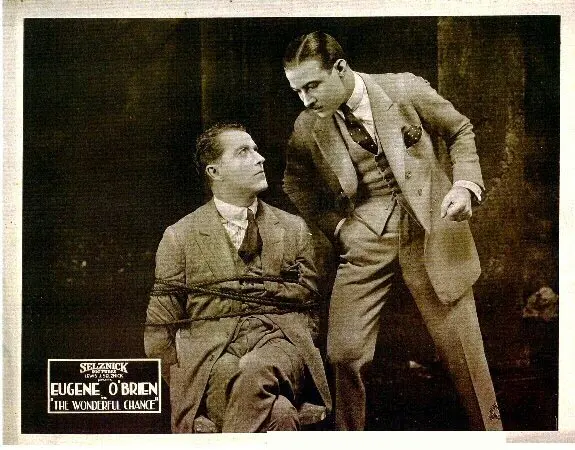
production_art
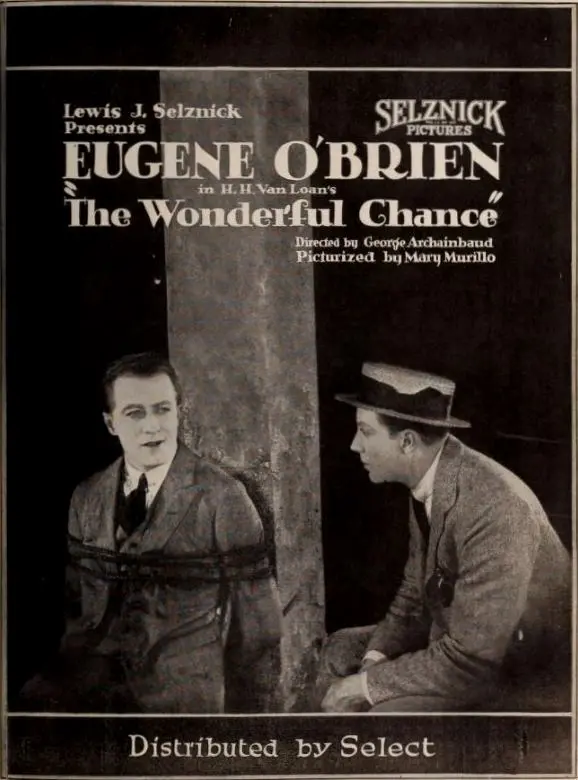
production_art
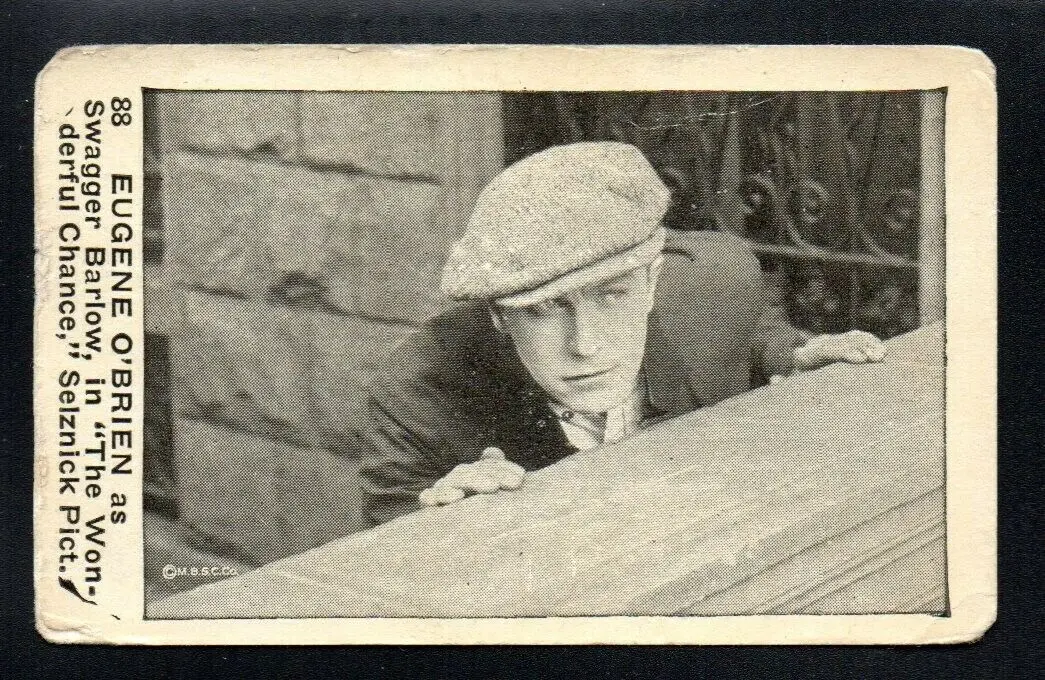
publicity
Comparing the cinematic DNA and archive impact of two defining moments in cult history.
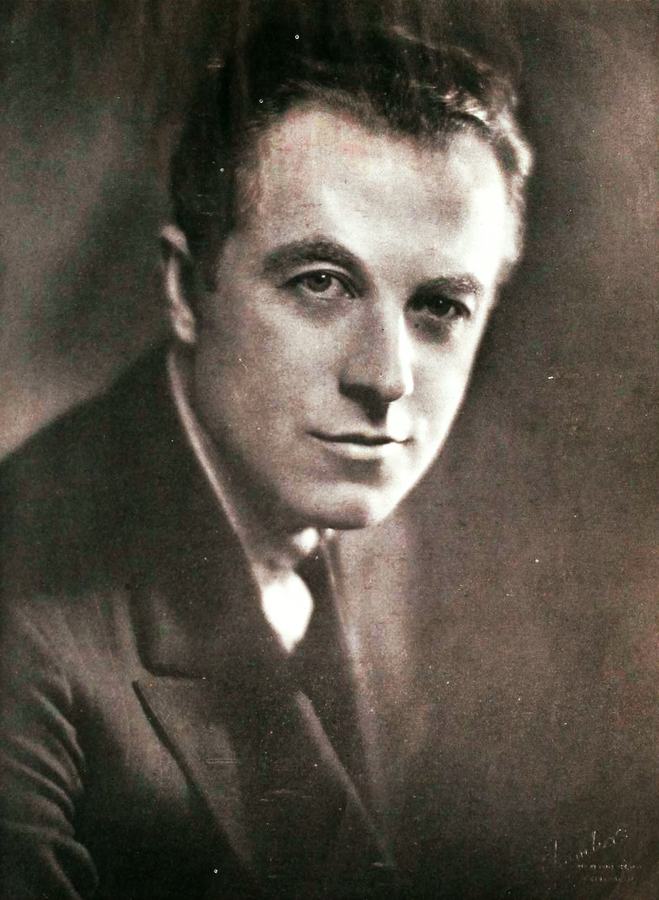
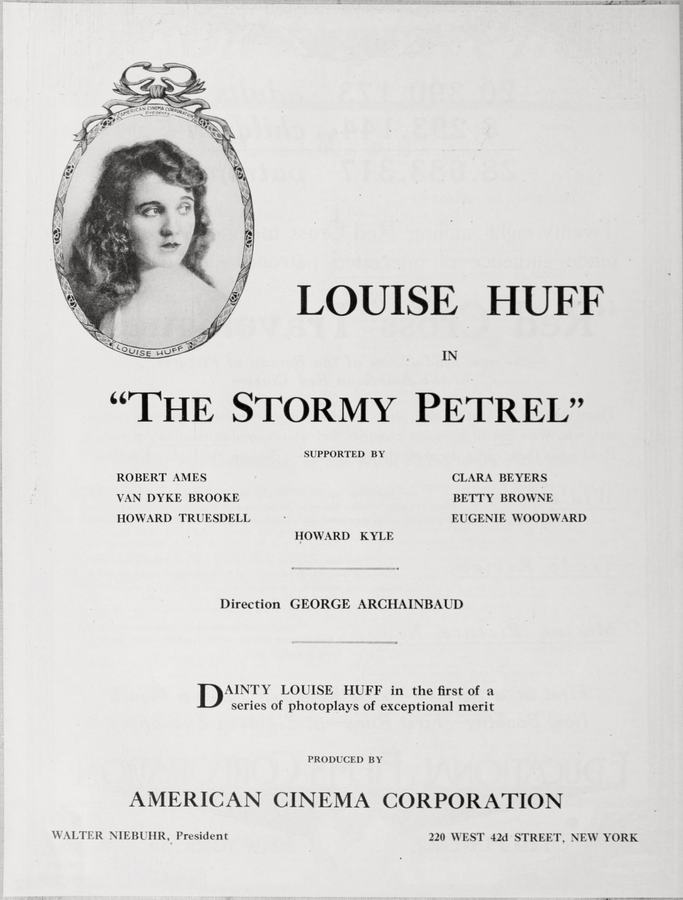
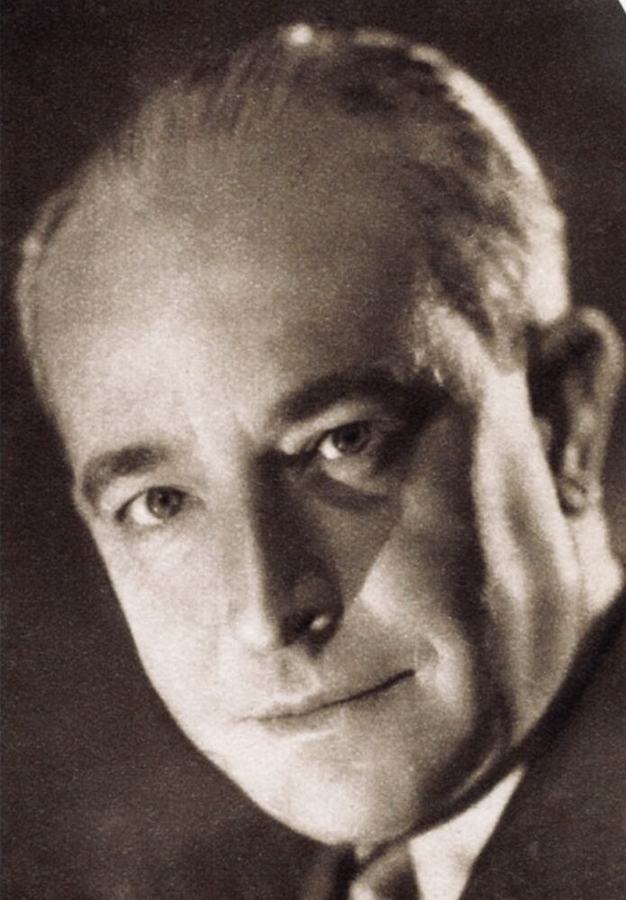
George Archainbaud
George Archainbaud
Community
Log in to comment.
" There is a moment, roughly halfway through The Wonderful Chance, when Eugene O’Brien’s reluctant impostor stands beneath a Venetian glass chandelier that drips prisms like frozen cognac. He lifts his face, lets the shards of light cut across his cheekbones, and for three silent heartbeats we see the entire film’s thesis: identity as something that can be refracted but never possessed. Few silents dare such brittle lyricism; fewer still survive in viewable condition. That this one does—scarred, ..."
H.H. Van Loan, Mary Murillo, Melville Hammett
United States
Deep dive into the cult classic
Discover similar cinematic experiences
A Directorial Spotlight on George Archainbaud