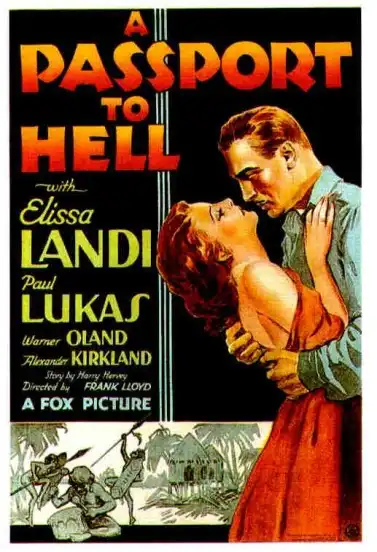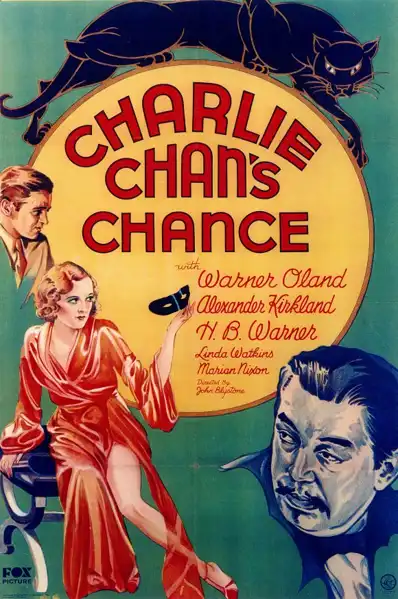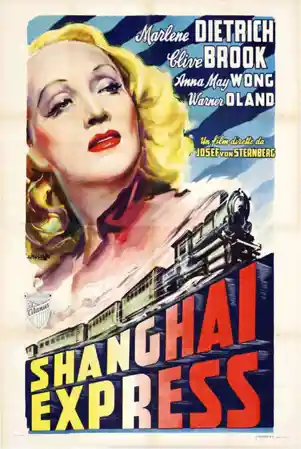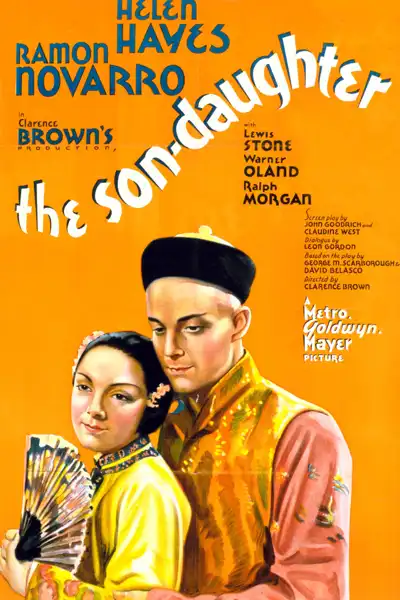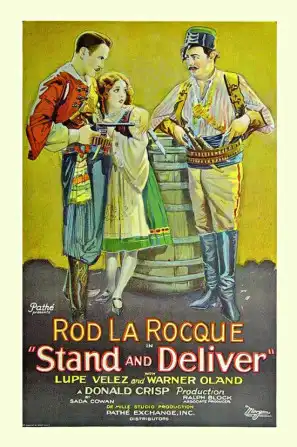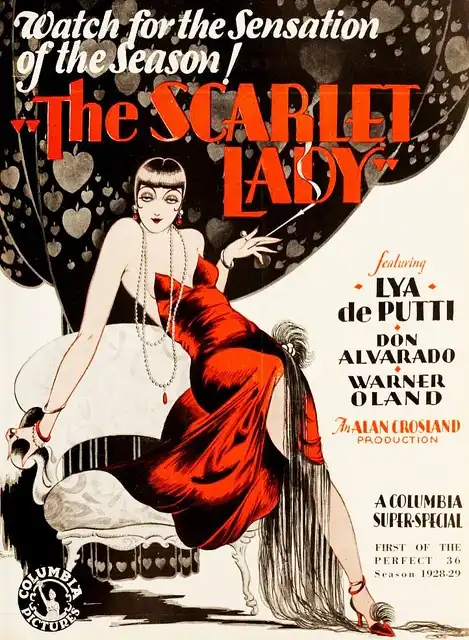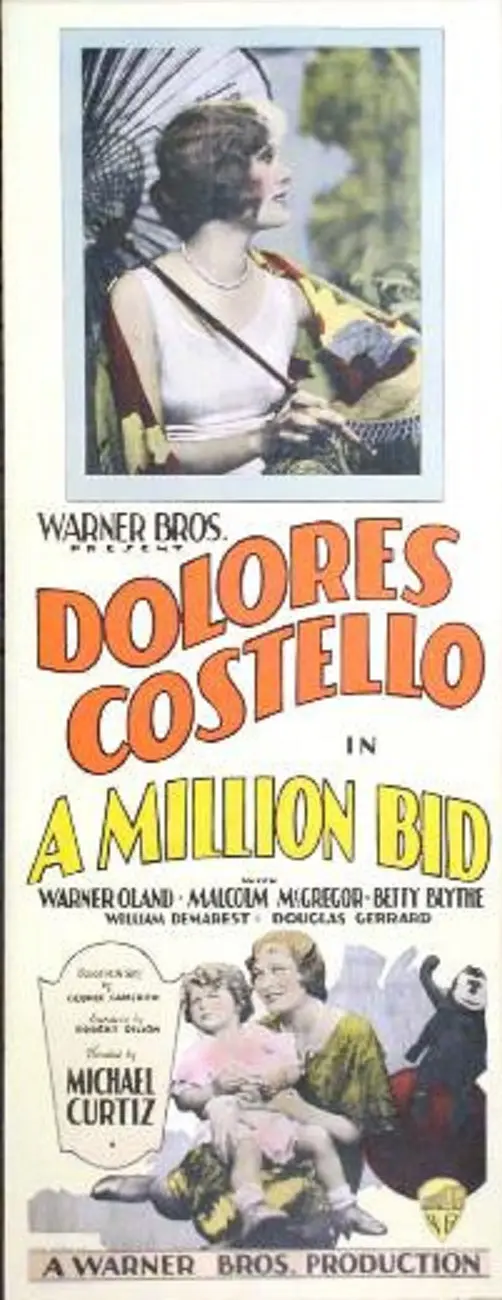
Warner Oland
actor, soundtrack
- Birth name:
- Johan Verner Öhlund
- Born:
- 1879-10-03, Nyby, Västerbottens län, Sweden
- Died:
- 1938-08-06, Stockholm, Stockholms län, Sweden
- Professions:
- actor, soundtrack
Biography
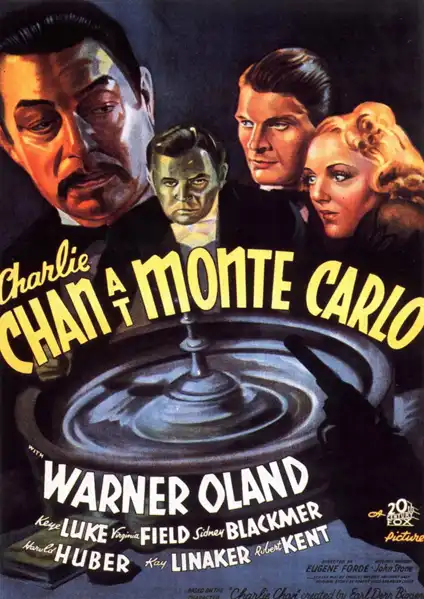
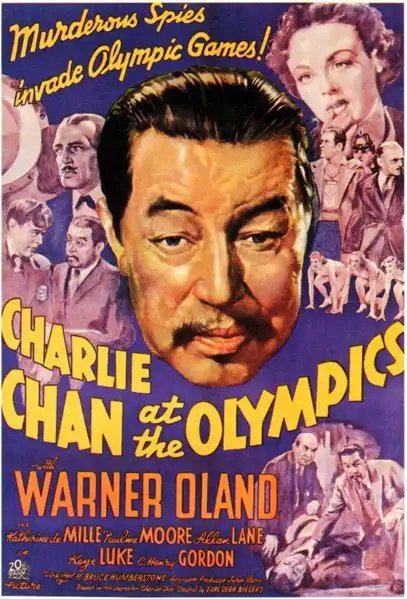
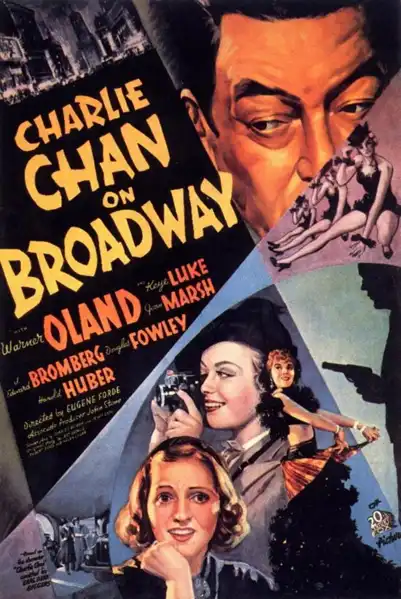
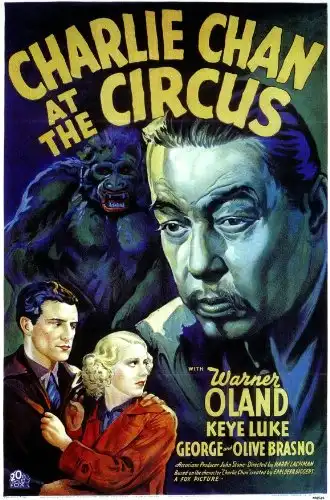
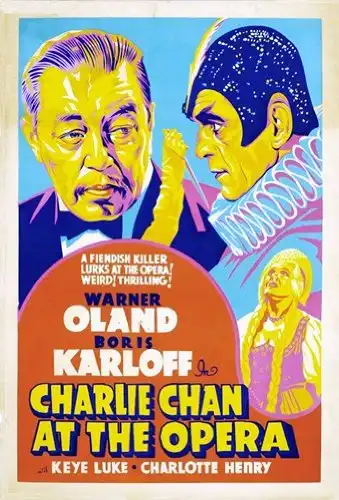
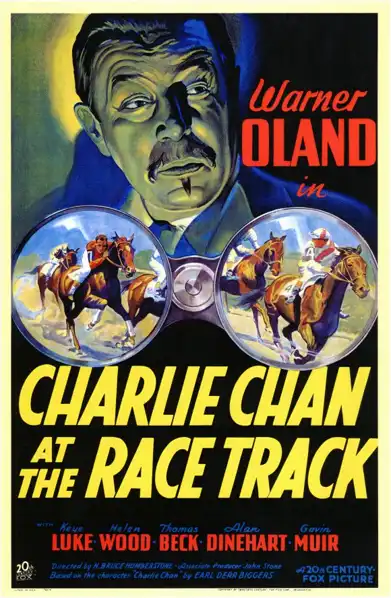
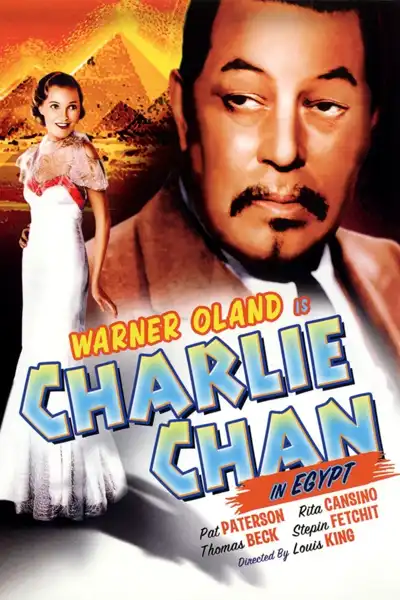
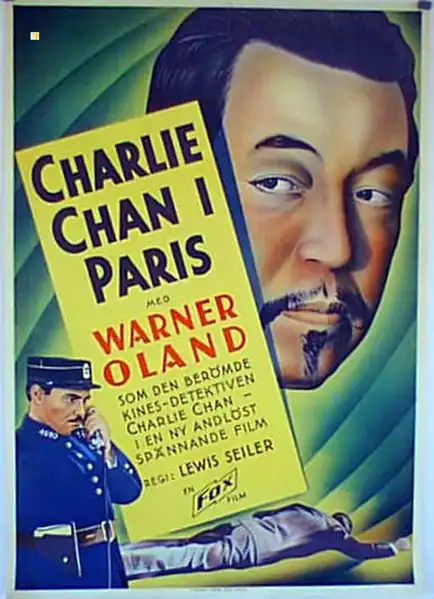
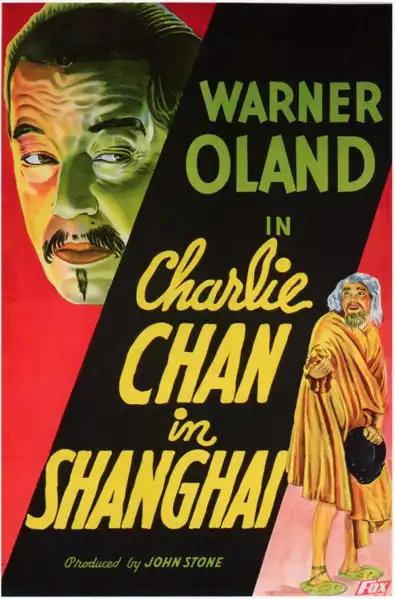
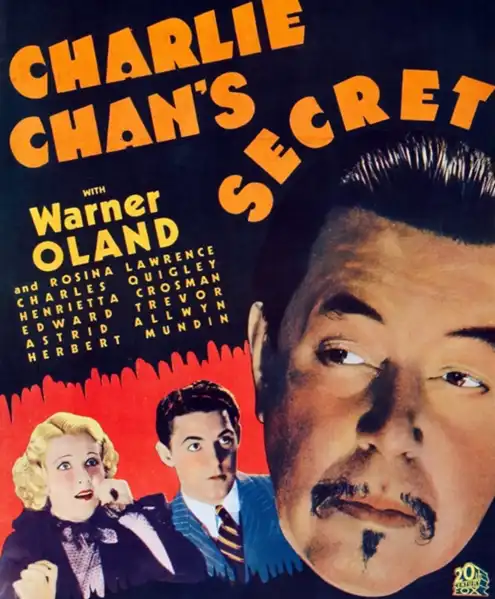
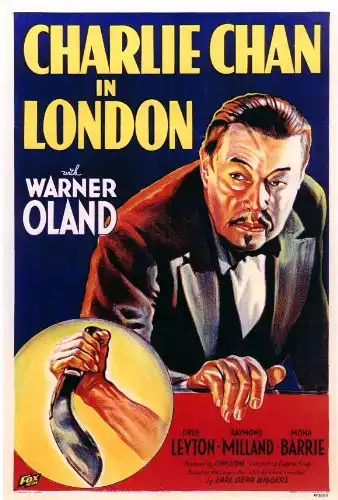
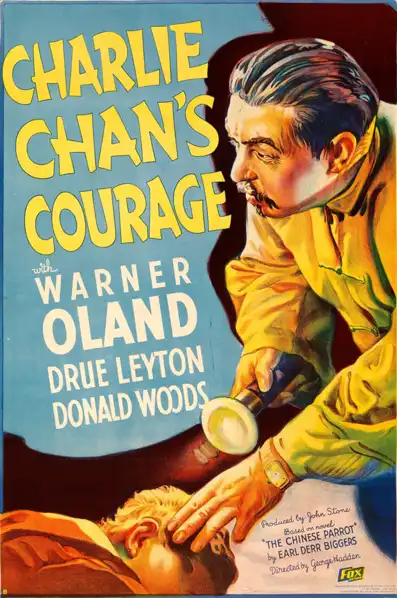
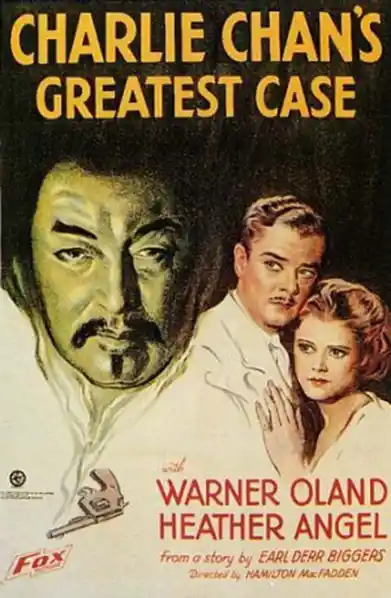
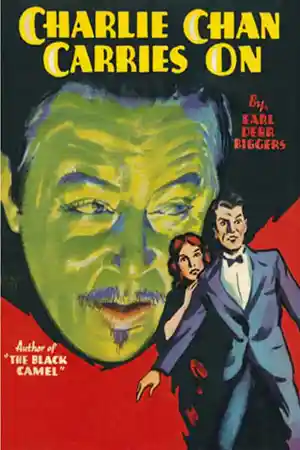
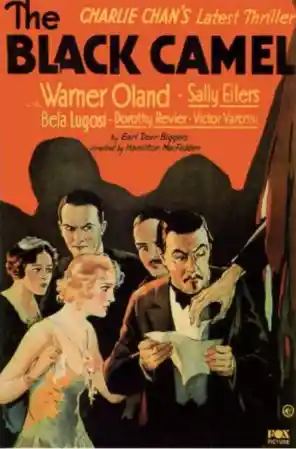
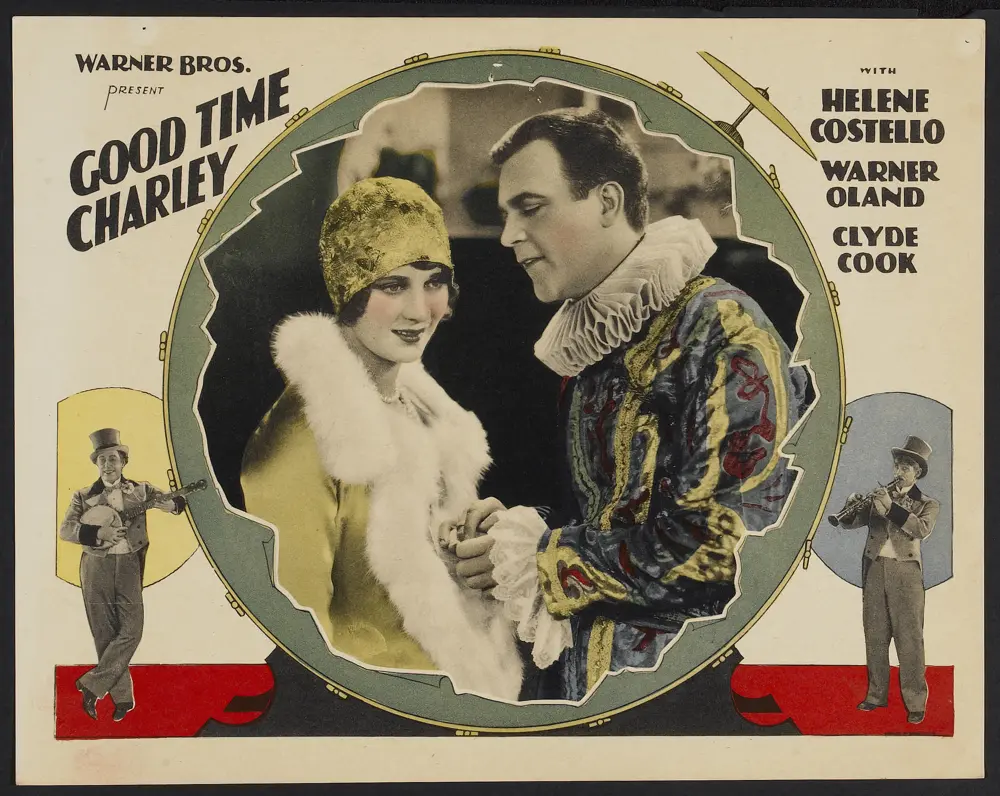
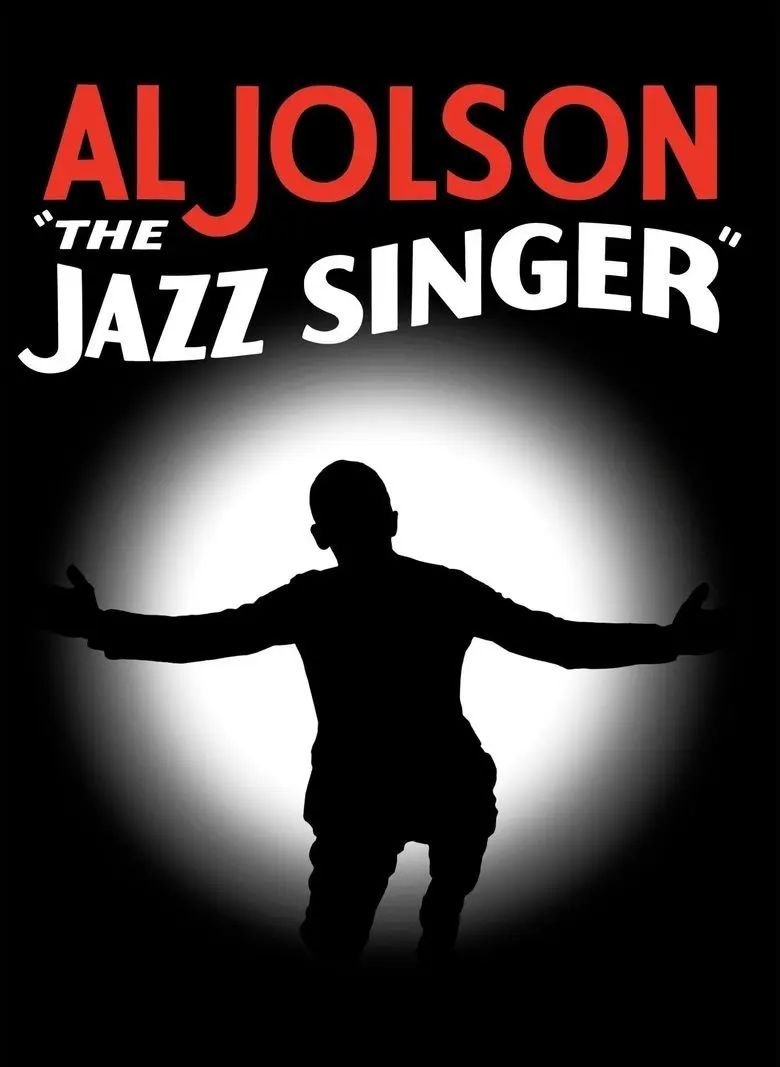
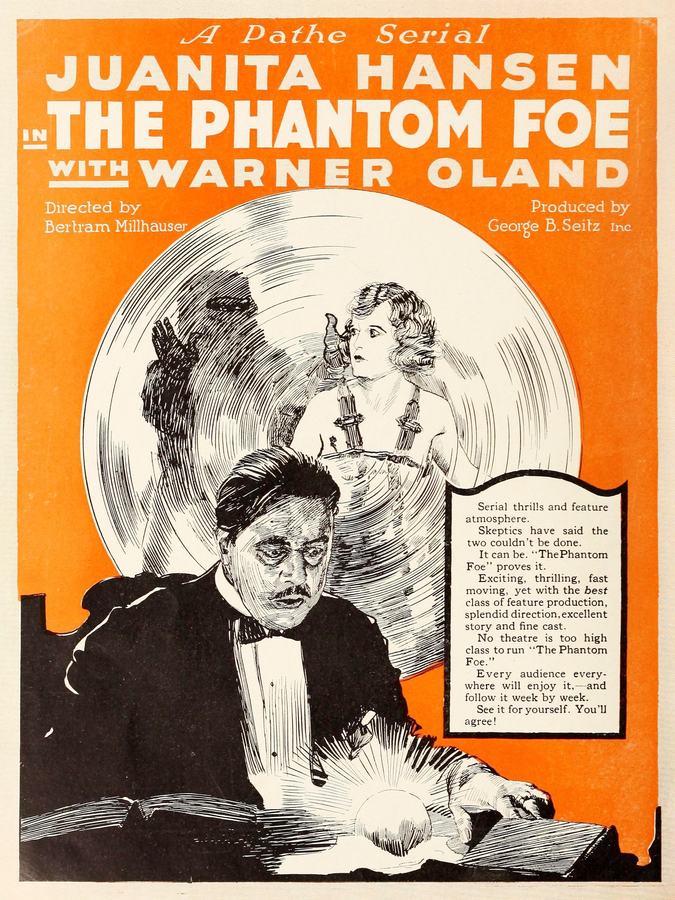
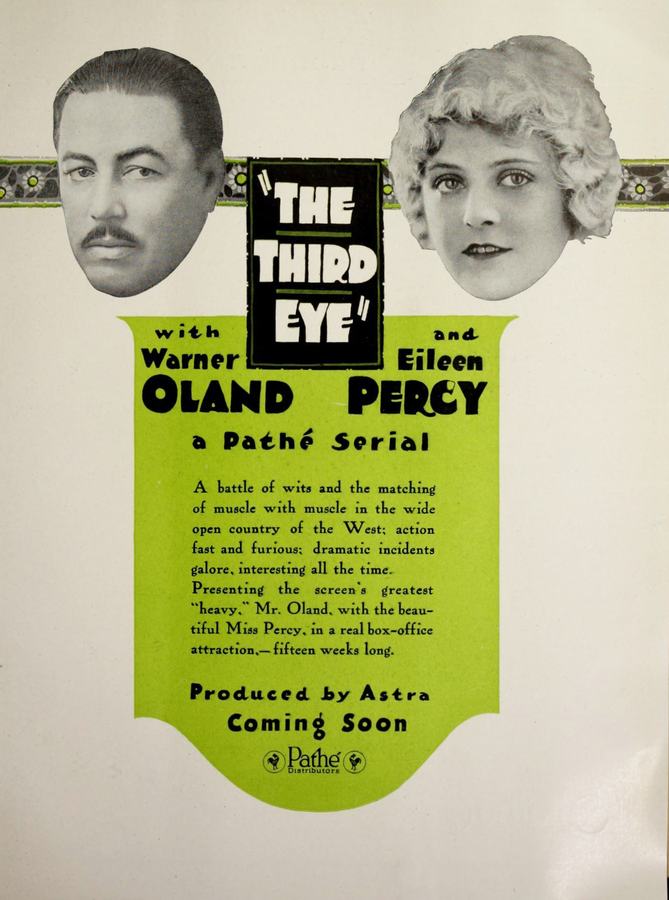
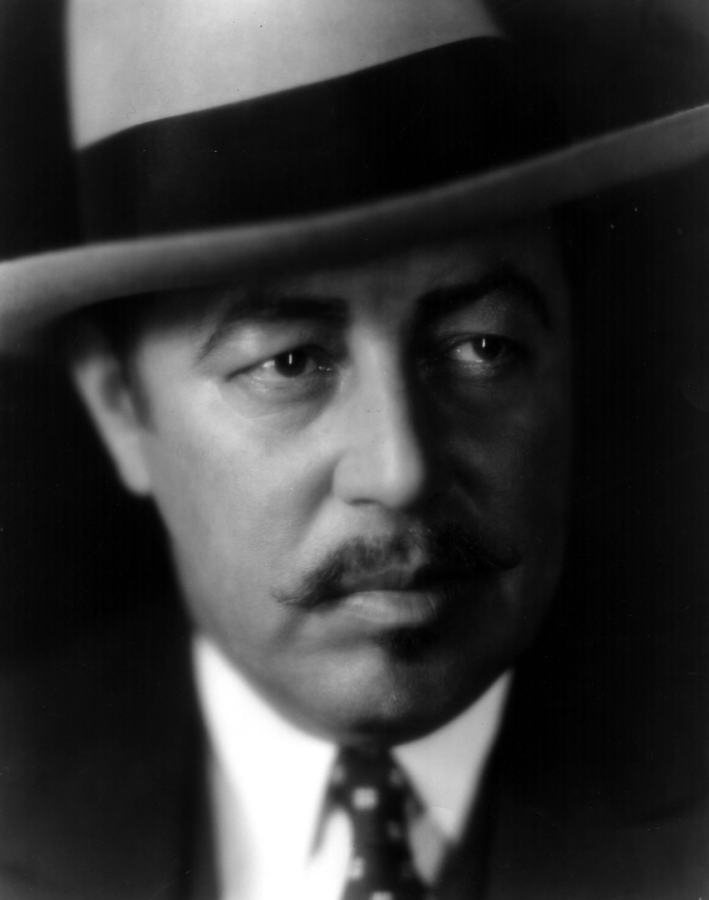
October 3, 1879: a log-road hamlet called Nyby, 60 kilometres outside Umeå, Västerbotten, welcomed Johan Verner Olund. Thirteen years and twelve days later the Olunds—father Jonas the shopkeeper, mother Maria Johanna Forsberg, and their boy—stepped off an Atlantic steamer onto American planks. By 1910 the renamed “Warner Oland” had traded Broadway marquees for California sunshine, sweeping studio backlots between bit parts while the flicker business learned to talk. When Al Jolson sang in The Jazz Singer (1927), Oland’s accented baritone rode the soundtrack too, and bigger roles followed. Then came the hat that fit too well: Earl Derr Biggers’s imperturbable Honolulu sleuth, Charlie Chan. Fox Films staked $275,000 on Charlie Chan Carries On (1931), shot it in a brisk month, and watched the receipts snowball. Critics praised the Swedish actor’s soft-spoken wisdom; audiences saw a lucky charm. Within a year The Black Camel confirmed the goldmine, and Oland—now a kennel-breeding schnauzer magnate—was Fox’s lone pre-Shirley Temple sure thing. Between 1931 and 1937 he slipped into the linen suit sixteen times, three pictures per annum, each budget nudging A-picture territory. Keye Luke tagged along as “Number One Son,” karate-chopping clues while Dad served aphorisms with tea. High-water mark: Charlie Chan at the Opera (1936), where Boris Karloff’s scenery-chewing villain vamped against velvet curtains and arias. Typecasting crept like fog: outside the series, casting sheets offered only inscrutable magicians, Mongol princes, and si-fu masterminds. By mid-1935 the lot decreed Oland a full-time Chan; other identities were boxed and shelved. Meanwhile nightly scotch eroded the actor’s moorings; delusions of voodoo curses and pneumonia-ridden soundstages whispered through the bourbon. In November 1937 his wife Edith ended their thirty-year marriage. Two months later Charlie Chan at the Ringside rolled cameras inside Studio 6; after a handful of takes Oland muttered something about hexes, walked into the California sun, and never looked back. Fox scrambled—Sol Wurtzel grafted the half-shot mystery onto Peter Lorre’s Mr. Moto’s Gamble, kept Keye Luke for continuity, and still turned a profit. Seeking refuge, Oland sailed for Sweden, reconciled with Edith, then surrendered to bronchial pneumonia in the land of his birth on August 6, 1938—age 57. Coincidence added a cruel footnote: director John G. Blystone, keeper of the Chan reins, died the same day. Back in Hollywood, screen tests multiplied like rabbits—Cy Kendall, Walter Connolly, even a Beery—but Fox finally handed the chopsticks to Sidney Toler, who squeezed eleven more whodunits out of the franchise before Monogram bought the cadaver and Roland Winters stitched on six final, anemic installments ending in 1949. A quiet epitaph arrived that August: in Mr. Moto’s Last Warning the Sultana Theatre marquee reads “Last Day” above Charlie Chan in Honolulu—an on-screen farewell to the Swede who became, for a moment, the most famous Chinese detective in the world.