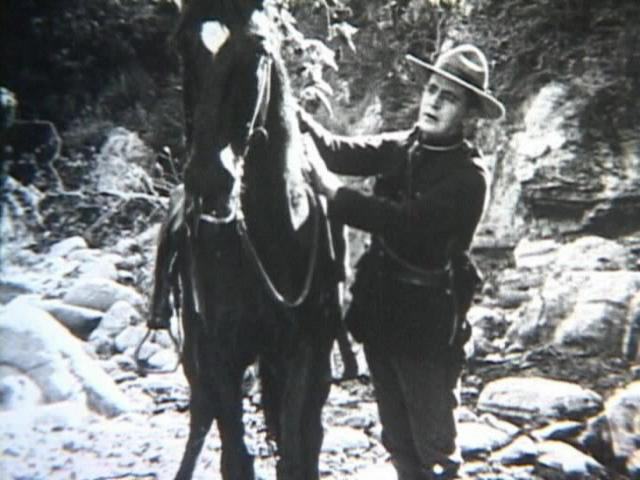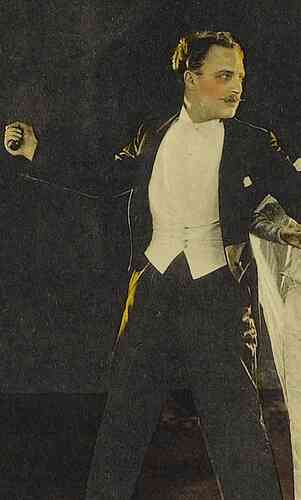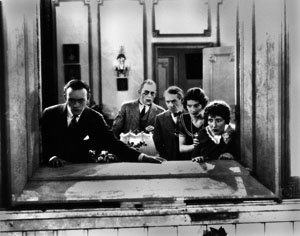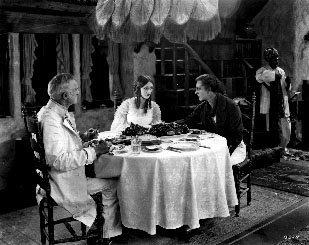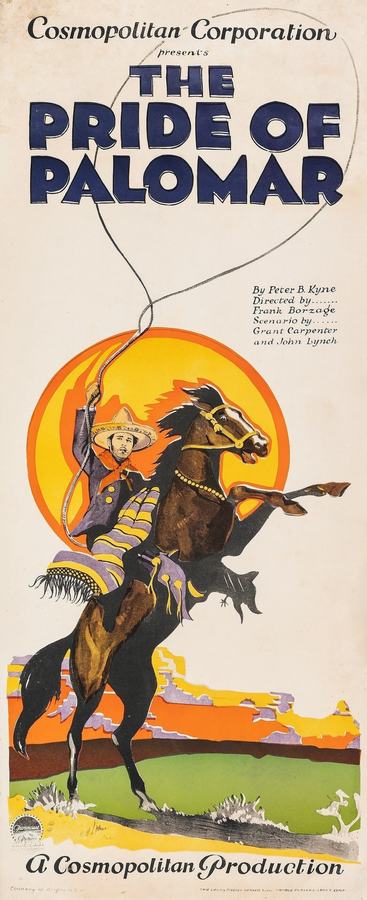
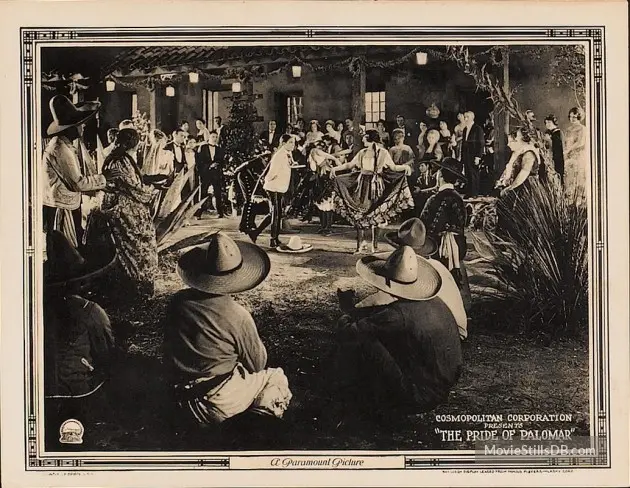
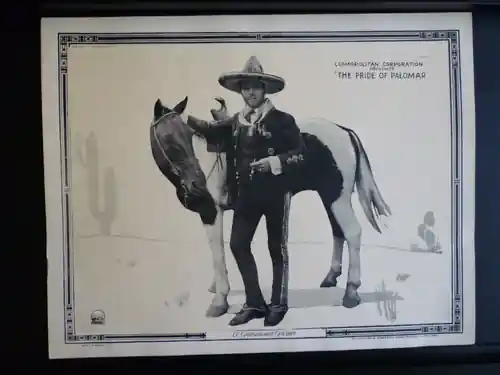
A soldier inaccurately reported as dead returns home to his Spanish family's estate in California, only to find his father deceased and his ancestral land in the hands of strangers..

The cinematic landscape of 1922 was a crucible of evolving visual languages, and within this ferment, The Pride of Palomar emerges as a remarkably sturdy, if ideologically complex, artifact. Directed with a keen eye for the sprawling vistas of the American West, the film transcends the mere trappings of a melodrama t...
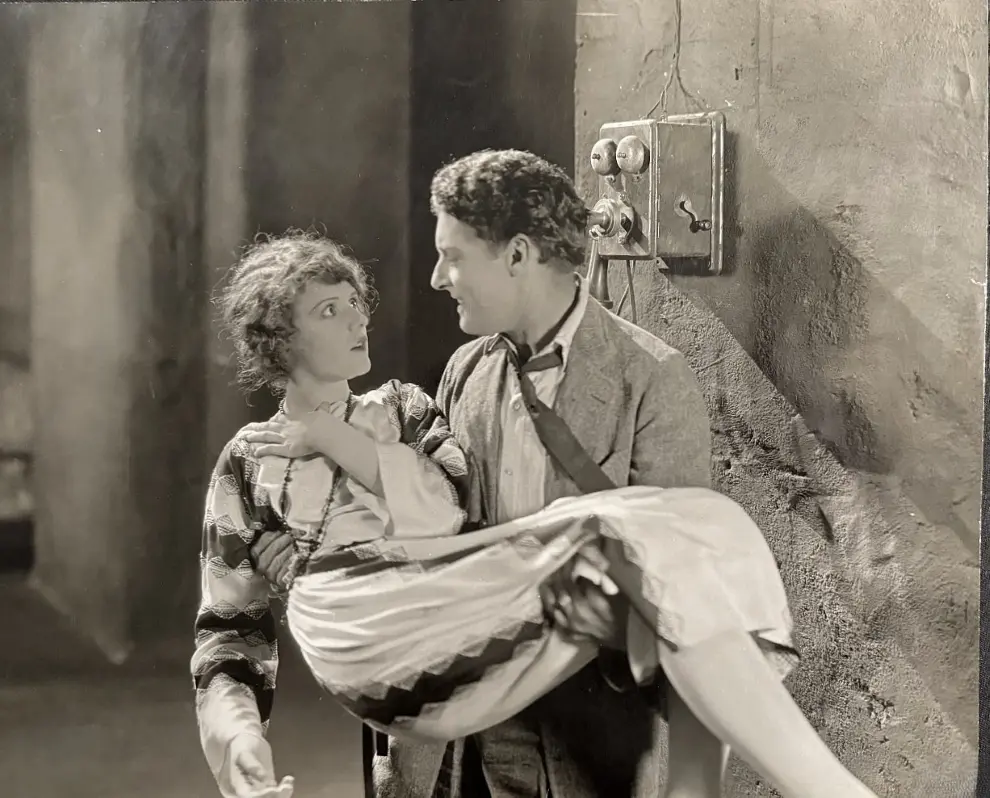
still_frame
production_art
production_art
production_art
production_art
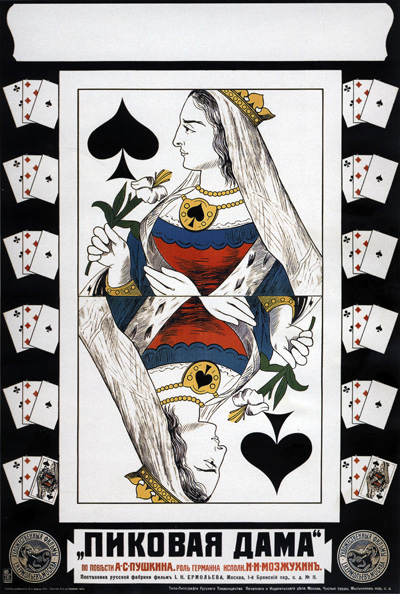
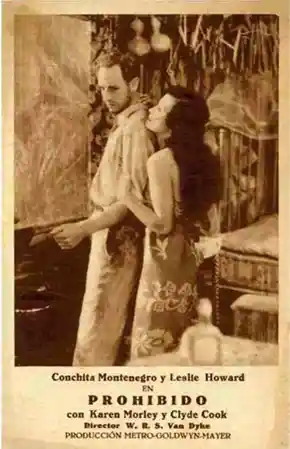
Comparing the cinematic DNA and archive impact of two defining moments in cult history.
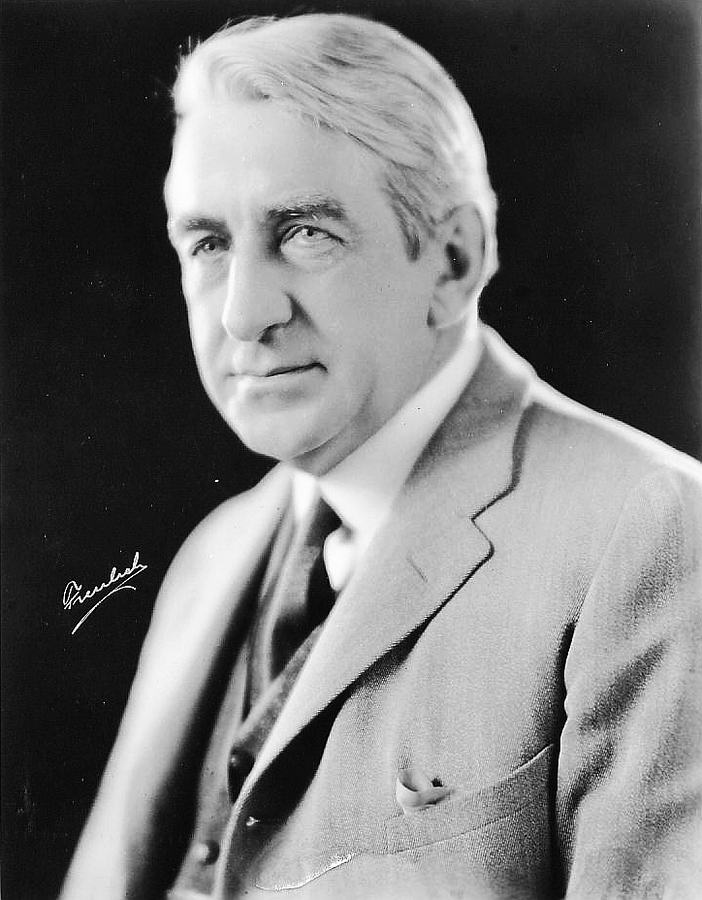
Frank Borzage
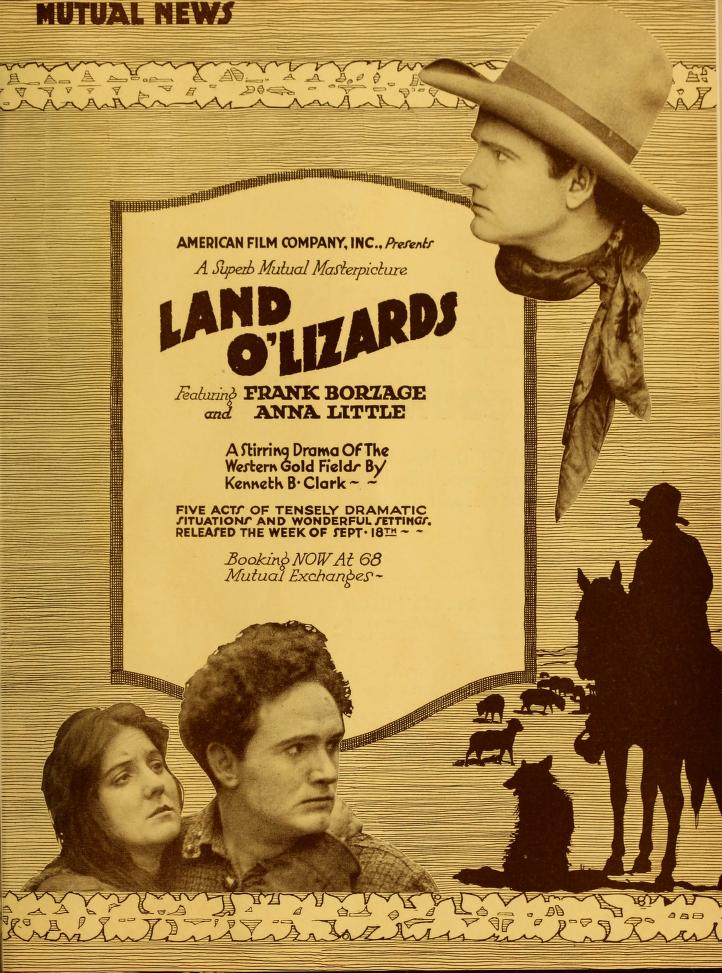
Frank Borzage
Community
Log in to comment.
" The cinematic landscape of 1922 was a crucible of evolving visual languages, and within this ferment, The Pride of Palomar emerges as a remarkably sturdy, if ideologically complex, artifact. Directed with a keen eye for the sprawling vistas of the American West, the film transcends the mere trappings of a melodrama to become a poignant study of the 'returned soldier' trope. Unlike the more surrealist leanings of The Painted Soul, which focused on the internal fractures of the spirit, Palomar a..."
John Lynch, Peter B. Kyne, Grant Carpenter
United States


Deep dive into the cult classic
Discover similar cinematic experiences
A Directorial Spotlight on Frank Borzage