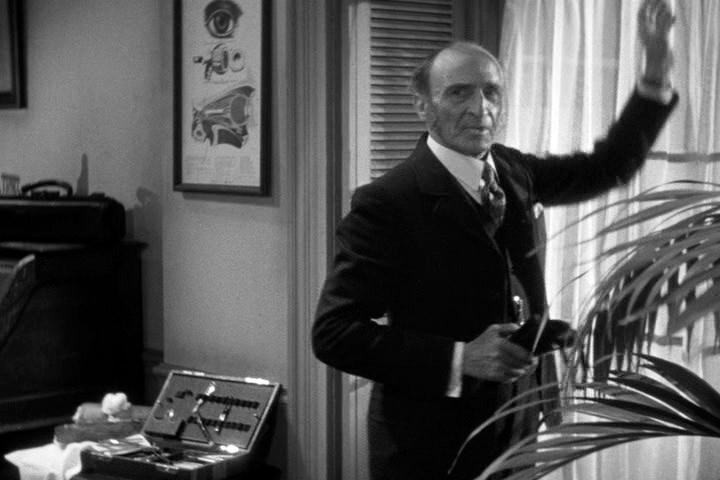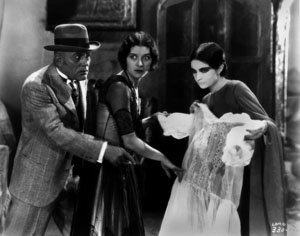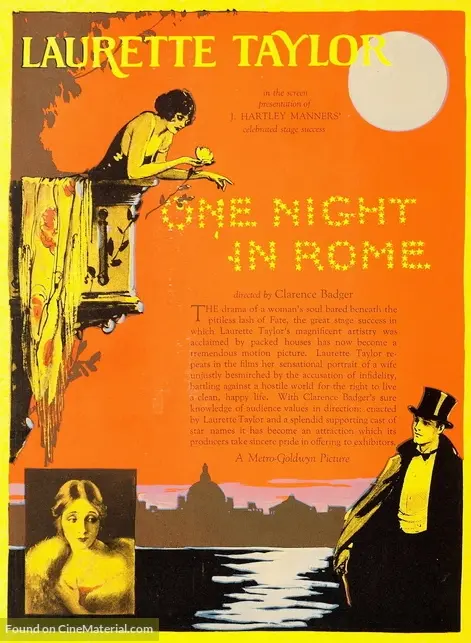
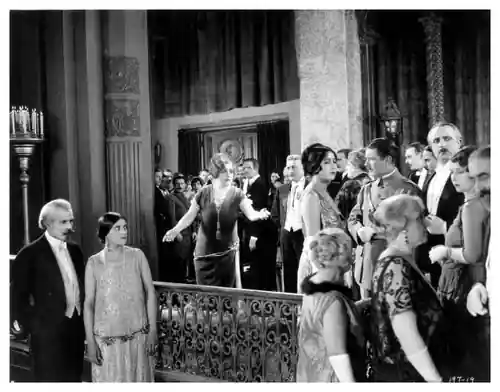
Guilty of wartime treachery, Duke Mareno leaves a suicide note accusing his wife of infidelity. The duke's father, Prince Danieli, thereupon denounces the duchess, who flees to London and becomes a popular fortune-teller, known as Madame L'Enigme.
The year 1924 was a watershed moment for the silent screen, a period where the primitive flickers of the early century matured into a sophisticated visual language. Amidst this evolution, One Night in Rome emerges not merely as a melodrama, but as a searing psychological study of displacement and the resilience of the ...
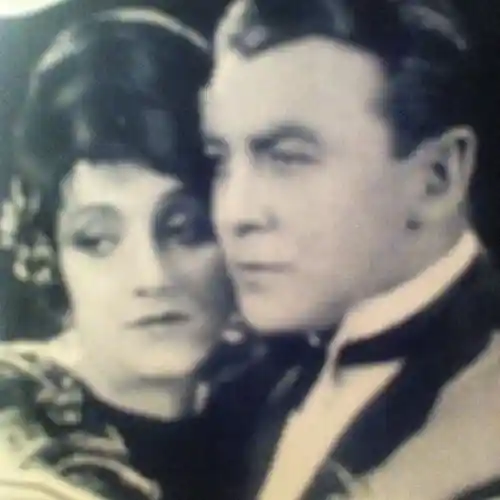
still_frame
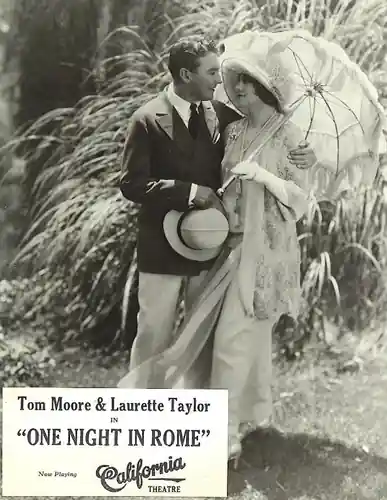
production_art
still_frame


Comparing the cinematic DNA and archive impact of two defining moments in cult history.
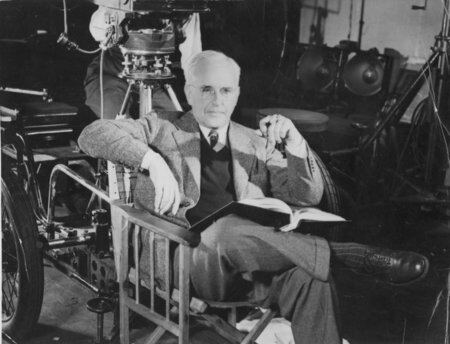
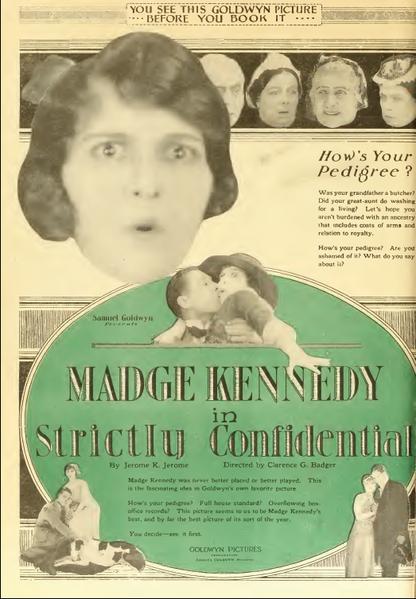
Clarence G. Badger
Clarence G. Badger
Community
Log in to comment.
"The year 1924 was a watershed moment for the silent screen, a period where the primitive flickers of the early century matured into a sophisticated visual language. Amidst this evolution, One Night in Rome emerges not merely as a melodrama, but as a searing psychological study of displacement and the resilience of the feminine spirit. Directed with a keen eye for shadow and social hierarchy, the film serves as a magnificent showcase for Laurette Taylor, whose transition from the footlights of Br..."
Brandon Hurst
J. Hartley Manners
United States

Deep dive into the cult classic
Discover similar cinematic experiences
A Directorial Spotlight on Clarence G. Badger