Summary
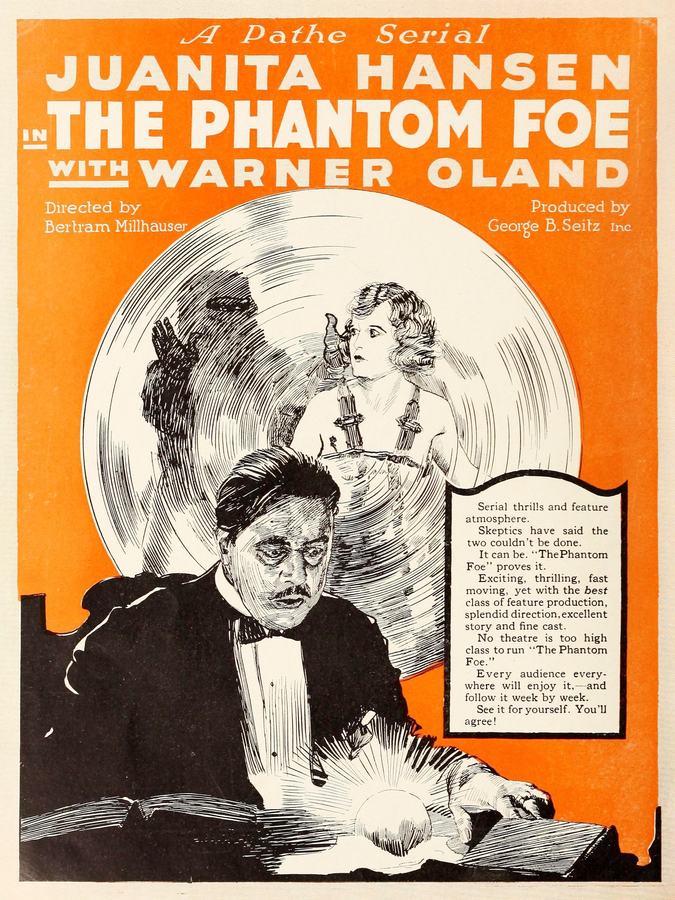
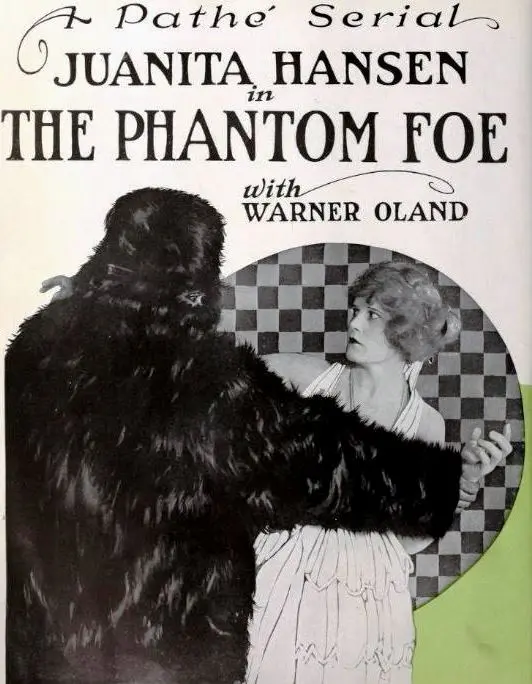
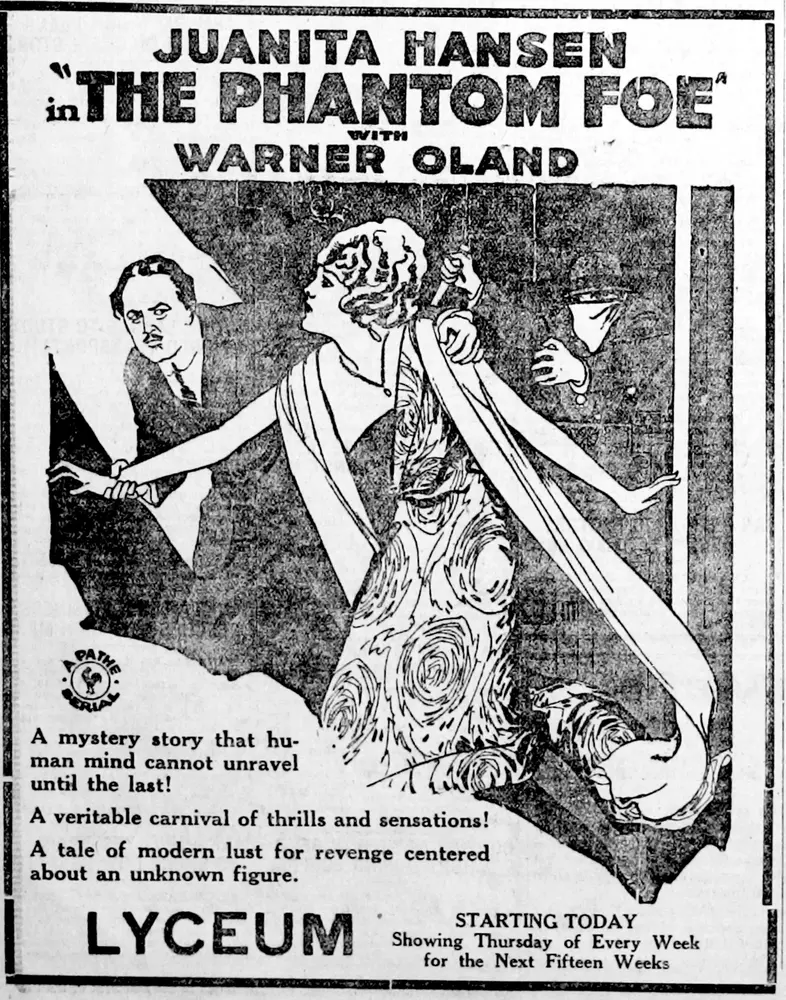
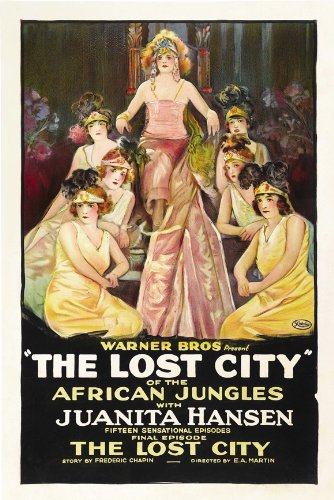
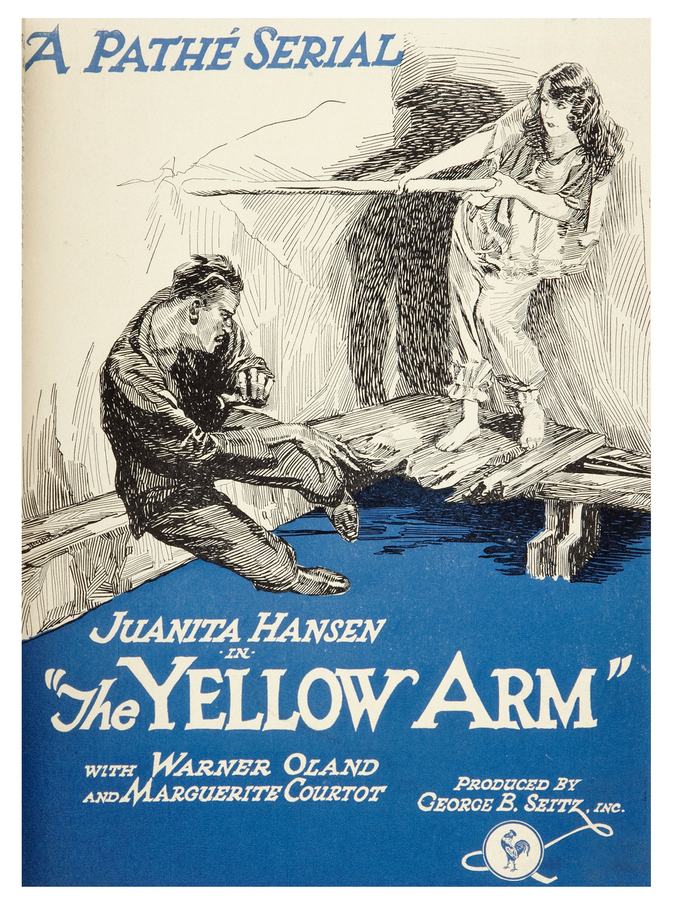
A ghostly silhouette stalks the marble corridors of a crumbling château, its footfalls as soft as moth-wings yet heavy with ancestral guilt; this is the Phantom Foe, a masked revenant who materializes only when moonlight drips like quicksilver through the cracked skylight of the de Cazenac estate. Heiress Yvonne de Cazenac—Nina Cassavant’s pale sylph with a spine of tempered steel—returns from convent school to find her family’s vineyards charred, their coffers hollow, and a cryptic seal burned into every lintel: a hawk devouring its own wing. Rumor whispers that her vanished twin brother, Raoul, has sold his soul for a trove of African diamonds now sewn into the hem of a circus diva’s costume. Enter Juanita Hansen’s Lola la Sombra, an aerialist whose sequins scatter light like shattered stained glass; she cartwheels across the screen on a trapeze of human desire, clutching a locket that bleeds sand instead of photo-portraits. William Bailey’s Inspector Vidal—part bloodhound, part flâneur—tracks the Phantom through bohemian Montmartre basements where absinthe lilies bloom green in cracked crystal. Joe Cuny’s Baron Kestrel, a morphine-lipped voluptuary, presides over midnight séances where wax effigies melt into bullet-shaped prayers. Al Franklin Thomas’s acid-tongued columnist scribbles poisoned epigrams on cigarette papers, then swallows the evidence. Wallace McCutcheon Jr.’s cinematographer turns entire parlors into kaleidoscopes: mirrors fracture faces into cubist mosaics, while a hand-cranked camera races so fast that candle flames freeze into orange icicles. The plot coils like a watch spring: each time Yvonne unmasks a suspect, the Phantom’s silk hood dissolves into steam revealing yet another lacquered grin. A train derails on a viaduct of chalk; a hot-air balloon ascends with a coffin for gondola; a child’s music box plays Chopin backwards, summoning tides that erase footprints in reverse motion. By the time Warner Oland’s Mongolian antiquarian unfurls a parchment that prophesies “the hawk will feast upon the heart that feeds it,” the narrative has become a Möbius strip carved into celluloid. The finale detonates inside an abandoned opera house where Yvonne and Raoul waltz amid phosphorescent dust, their shadows stitched together by lantern light until the Phantom—now revealed as the siblings’ own repressed collective id—burns the diamonds into glassy slag, sealing the family curse with a kiss of molten sand. The last shot freeze-frames on Yvonne’s eyes: two black suns reflecting a world where guilt and identity are interchangeable masks.
Review Excerpt
"
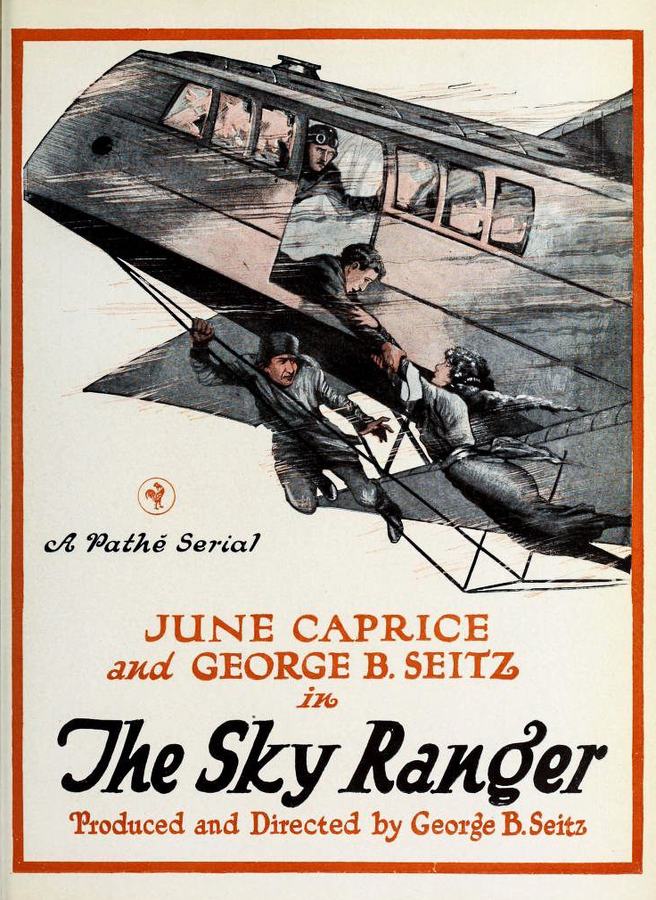
George B. Seitz’s The Phantom Foe arrives like a nitrate fever dream left too long in the projector gate: it crackles, reeks, and finally bursts into a shower of violet sparks that lodge behind the eyelids. What passes for plot is less a linear trail than a spiral staircase whose steps crumble underfoot—yet every fragment gleams with such perverse ornament that you keep climbing, barefoot and bleeding.
Masks Within Masks
The Phantom’s disguise is not cloth but atmosphere; he erases himself by..."