
DbcultAccessing Vault...
Listicle
Senior Film Conservator
The silent era of cinema was not merely a stepping stone to modern film; it was a vibrant, innovative, and highly experimental period that birthed the visual language we still use today. While names like Chaplin and Keaton dominate the conversation, there is a treasure trove of lesser-known gems that offer profound insights into the culture and artistry of the early 20th century. In this listicle, we dive deep into the archives to highlight ten films from the 1910s and 1920s that deserve a spot on your watchlist. From the comedic innocence of childhood to the rugged landscapes of the American West, these films represent the diversity of early global cinema.
Part of the legendary 'Our Gang' (Little Rascals) series, Readin', 'Ritin', 'Rithmetic is a delightful snapshot of 1920s childhood. Directed during the peak of the silent short era, this film captures the universal struggle of the classroom. The plot centers on the gang’s attempts to avoid school, leading to a series of inventive and often chaotic escapades. What makes this short stand out is its authentic portrayal of children; unlike many films of the era that treated child actors as miniature adults, the 'Our Gang' series allowed them to be messy, mischievous, and genuinely funny. The comedic timing of the young cast, combined with the creative visual gags, makes this a must-watch for anyone interested in the roots of American ensemble comedy. The film also provides a fascinating look at the educational environment of the mid-20s, complete with inkwells and wooden desks that seem a world away from today’s digital classrooms.
Read full review of Readin', 'Ritin', 'Rithmetic
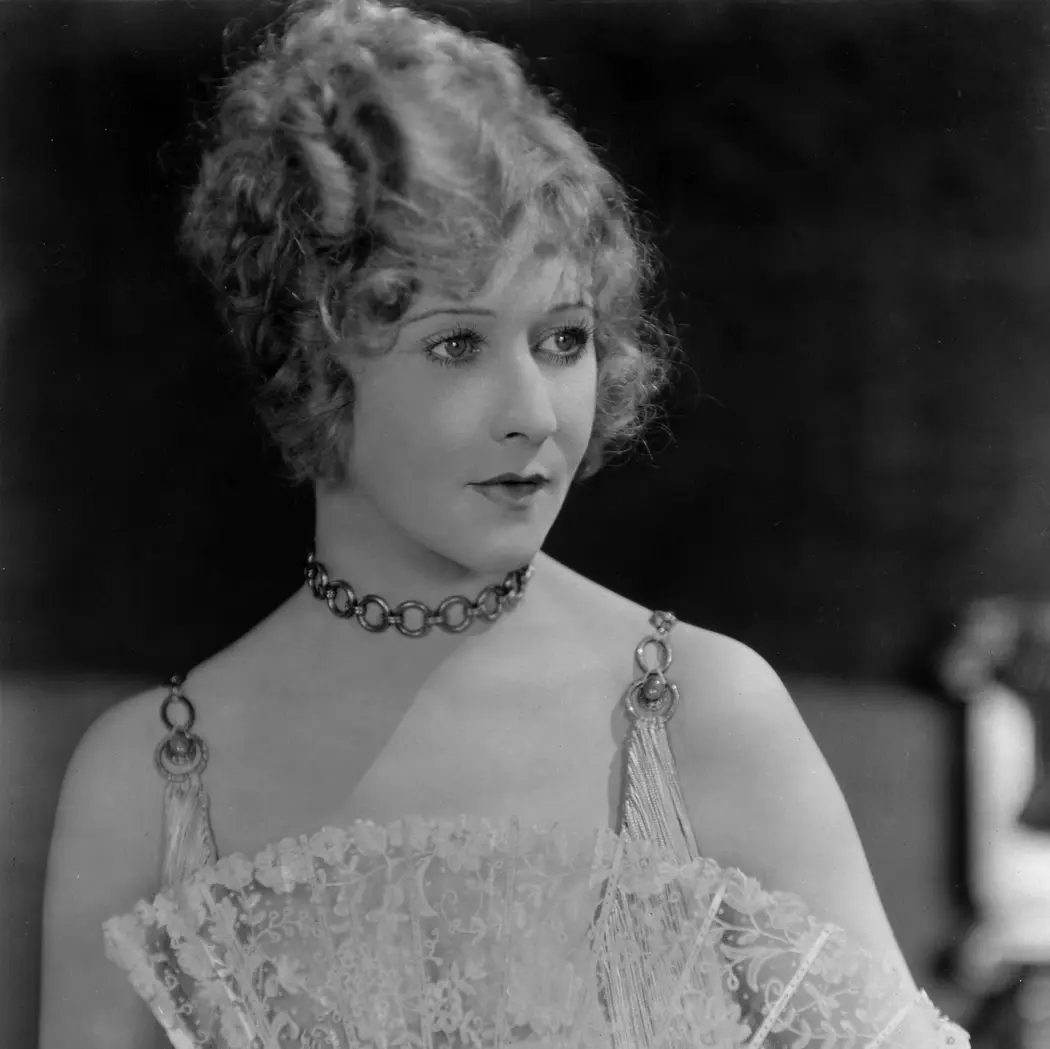
Another classic from the 'Our Gang' stable, Saturday (1925) focuses on the most sacred day of the week for any child. This short film is an exploration of freedom and the various ways the gang chooses to spend their leisure time. From makeshift soapbox races to neighborhood pranks, the film is a masterclass in silent physical comedy. The direction emphasizes the natural chemistry between the kids, particularly the iconic Farina and Mickey Daniels. As we watch the gang navigate the dusty streets of a 1920s suburb, we are reminded of a time before screens, where imagination was the primary source of entertainment. Saturday serves as a perfect companion piece to the school-based shorts, illustrating the duality of the childhood experience during the roaring twenties. Its preservation is a gift to film historians and fans of slapstick alike.
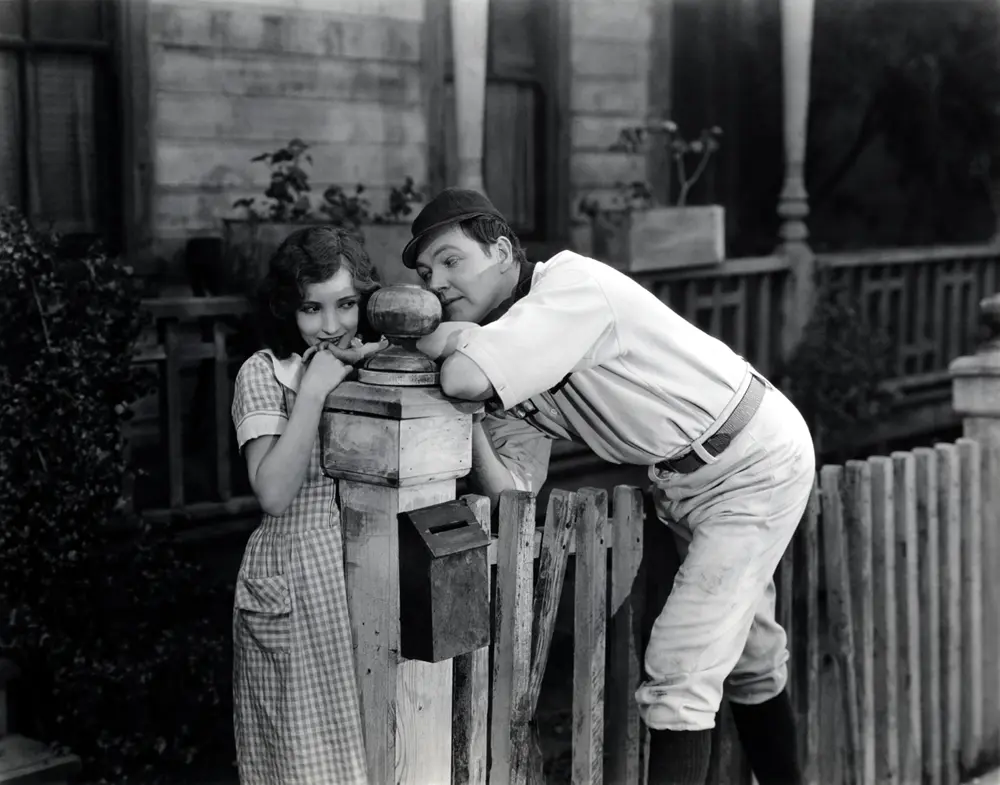
Moving away from American shorts, Flickorna i Åre (The Girls in Åre) is a stunning example of Swedish silent cinema. Directed by the visionary Mauritz Stiller, who was instrumental in the career of Greta Garbo, this film showcases the 'Svenska Biografteatern' style that prioritized natural landscapes and psychological depth. Set in the beautiful ski resort of Åre, the film follows a group of young women as they navigate romance and social expectations against the backdrop of the snowy mountains. Stiller’s use of location is revolutionary for 1920, making the environment a character in its own right. The cinematography captures the crisp, cold air and the elegance of the era’s winter fashion, offering a more sophisticated and dramatic tone compared to the slapstick popular in Hollywood at the time. It is a vital piece of European film history that highlights the global reach of the silent medium.
Read full review of Flickorna i Åre
The Western genre was a staple of the silent era, and The Light of Western Stars is a quintessential example of the rugged, romanticized frontier story. Based on the novel by Zane Grey, this 1925 adaptation brings the sweeping vistas of the American West to the silver screen with impressive scale. The film tells the story of an Eastern socialite who travels to the West and finds herself embroiled in a world of cattle rustlers, brave cowboys, and moral dilemmas. The direction captures the transition of the West from a wild frontier to a more settled land, a theme common in Grey’s work. With its emphasis on horsemanship and the stark beauty of the desert, The Light of Western Stars helped define the visual tropes that would dominate Westerns for decades to come. It remains a thrilling watch for those who appreciate the origins of the cowboy mythos.
Read full review of The Light of Western Stars
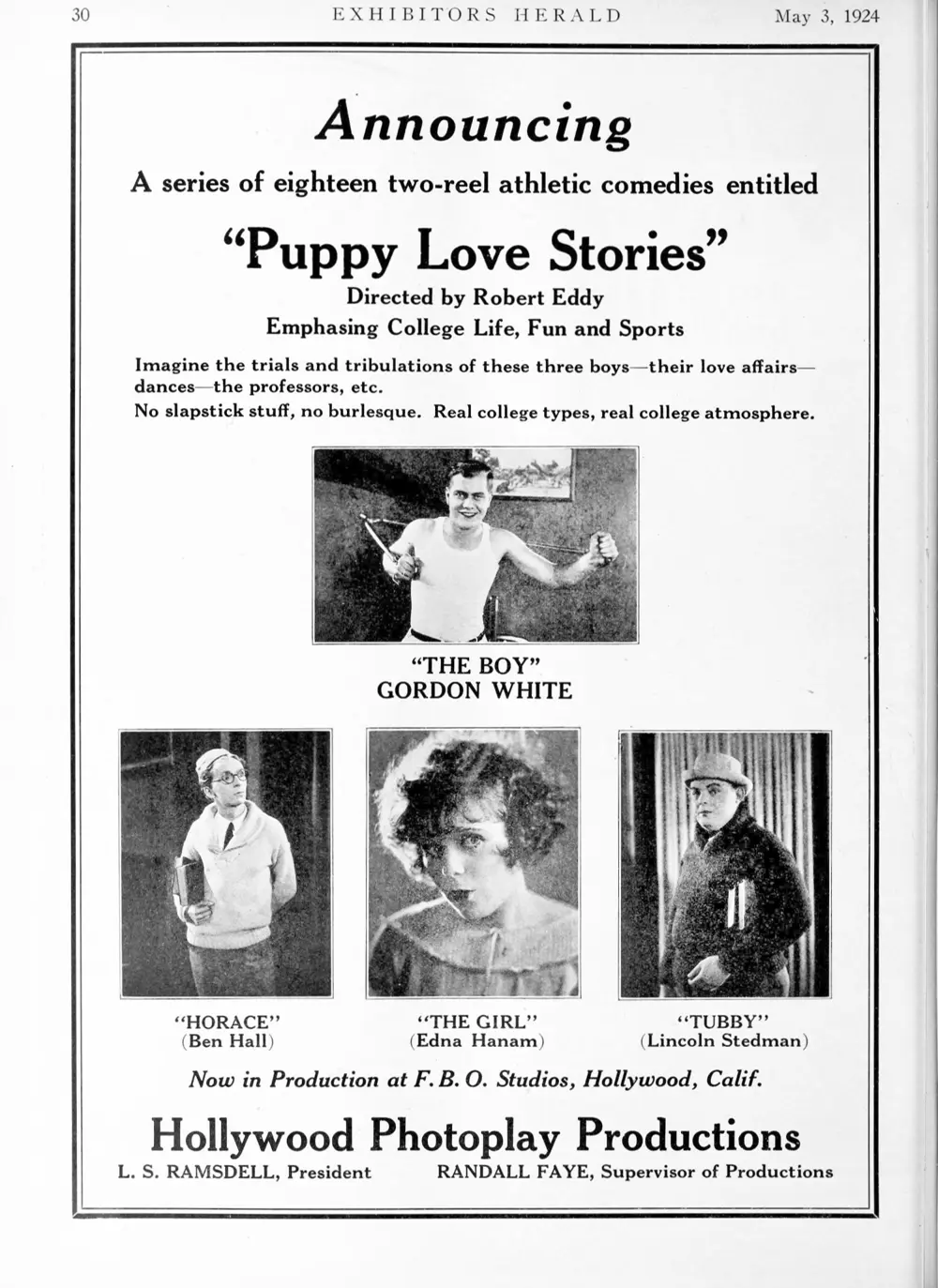
The Busybody is a comedic gem from 1923 that explores the social dynamics of a small town. In an era where character-driven comedy was beginning to evolve, this film focuses on a protagonist whose well-meaning but intrusive nature leads to a series of misunderstandings. The film relies heavily on the expressive acting styles of the silent era, where a raised eyebrow or a frantic gesture told the audience everything they needed to know. The pacing is brisk, and the script (delivered through title cards) is sharp and witty. It serves as a precursor to the 'screwball' comedies of the 1930s, proving that the roots of verbal and situational wit were firmly planted in the silent years. For fans of lighthearted social satire, The Busybody is a delightful discovery that remains surprisingly relatable in our modern age of social media surveillance.
Read full review of The Busybody
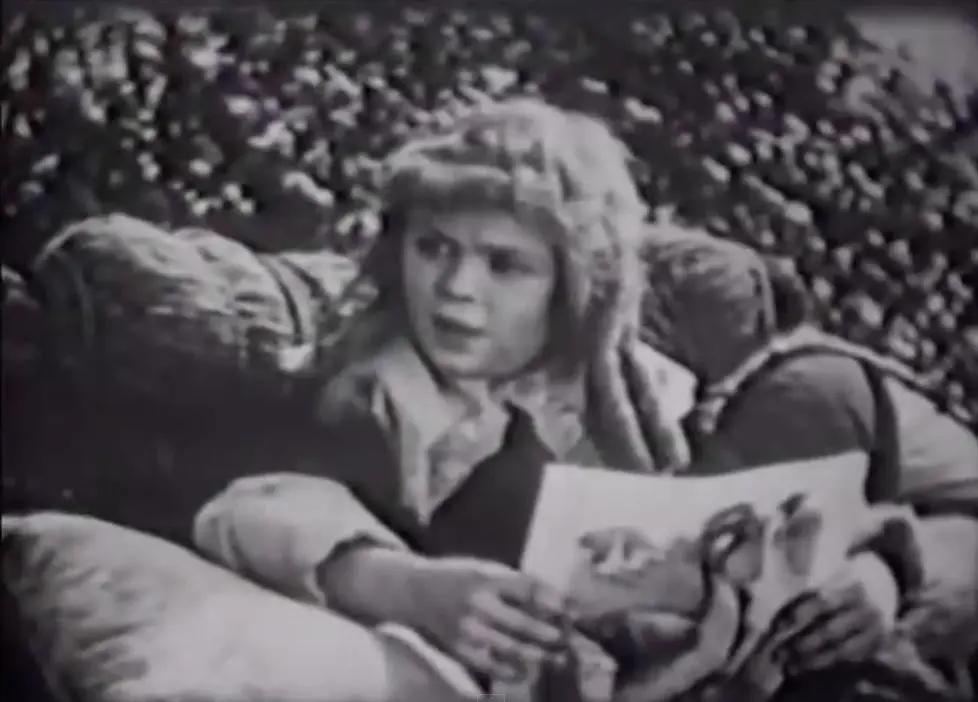
And the Law Says is a powerful drama from 1916 that tackles the complexities of the legal system and personal morality. In the mid-1910s, cinema was beginning to move toward feature-length narratives with serious social themes, and this film is a prime example of that shift. The plot involves a protagonist caught between the rigid requirements of the law and their own sense of justice. The direction is remarkably mature for 1916, utilizing lighting and shadow to heighten the dramatic tension of the courtroom and the domestic spaces. It reflects the anxieties of a world on the brink of significant social change, as the traditional values of the 19th century clashed with the burgeoning modernism of the 20th. It is a somber, thought-provoking piece that demonstrates the dramatic range of early silent actors.
Read full review of And the Law Says
The Night of the Dub is a fascinating short film from 1919 that leans into the 'fish out of water' trope. Produced during the post-WWI era, it reflects a society looking for escapism and laughter. The 'dub' in the title refers to a clumsy or inexperienced person, and the film follows his misadventures over the course of a single, chaotic night. The film is notable for its energetic direction and its use of urban nighttime settings, which were challenging to film with the primitive lighting equipment of the day. The physical comedy is inventive, involving a series of near-misses and escalating disasters that keep the audience engaged from start to finish. It is a testament to the creativity of early independent filmmakers who worked within tight budgets to deliver maximum entertainment.
Read full review of The Night of the Dub
A Midnight Bell (1921) stars Charles Ray, one of the most popular 'rural' heroes of the silent screen. Ray specialized in playing the honest, slightly naive country boy who overcomes obstacles through pure-hearted determination. In this film, he plays a young man who takes a job in a haunted church to prove his bravery and win the heart of a local girl. The film blends elements of comedy, romance, and even early 'spooky' atmosphere, creating a genre-mashing experience that was very popular with audiences of the time. The direction focuses on the charm of small-town life, and Ray’s performance is a masterclass in subtle, endearing character acting. A Midnight Bell is a perfect example of the 'wholesome' entertainment that dominated the American box office in the early 20s.
Read full review of A Midnight Bell
As the 1920s progressed, cinema became increasingly obsessed with the allure and danger of the big city. Broadway After Dark (1924) is a sophisticated urban drama that captures the neon-lit excitement of New York City. Directed with a keen eye for detail, the film explores the lives of various characters who gravitate toward the theater district, from aspiring stars to weary socialites. It touches on themes of ambition, heartbreak, and the fleeting nature of fame. The visual style is sleek and modern, reflecting the 'Jazz Age' aesthetic that was sweeping the nation. Unlike the rural comedies of the same period, Broadway After Dark is cynical and cosmopolitan, offering a glimpse into the nightlife of a century ago. It remains a stylish and evocative piece of silent filmmaking.
Read full review of Broadway After Dark
Rounding out our list is Le Cirque de la Mort (The Circus of Death), a 1916 French production that showcases the European penchant for melodrama and atmospheric thrillers. Set within the world of a traveling circus, the film uses the naturally theatrical setting to tell a story of jealousy, revenge, and tragic fate. The circus has always been a fertile ground for cinema, and this film utilizes the acrobats, animals, and big-top tents to create a visually arresting experience. The direction is remarkably bold, using close-ups to capture the intense emotions of the performers. As a piece of early French cinema, it stands as a reminder of the artistic risks filmmakers were willing to take in the years before the industry became more standardized. It is a haunting, beautiful film that lingers in the mind long after the final frame.