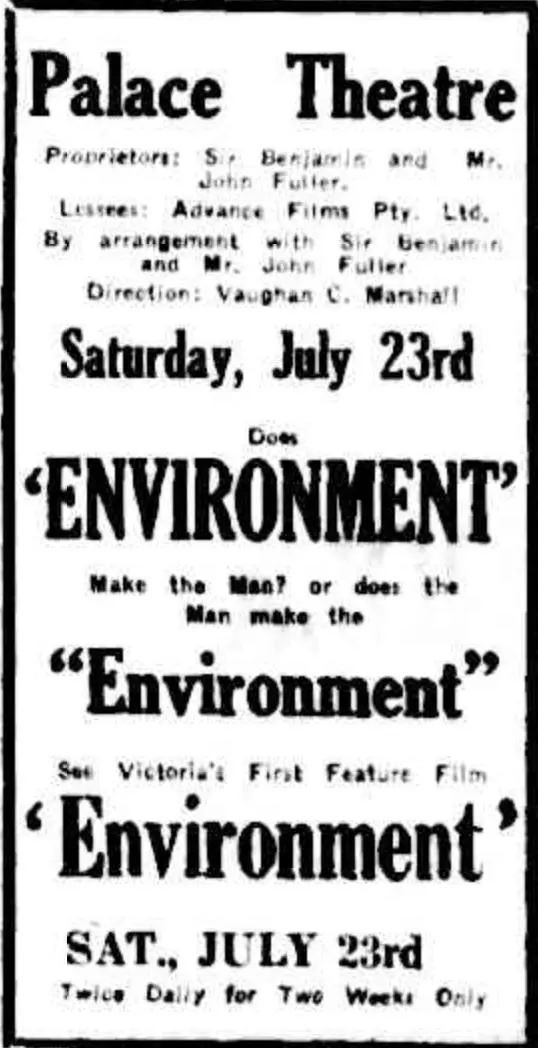
Is This Film Worth Watching Today? Is 'Environment (1927)' a silent film that holds up for contemporary audiences? Short answer: yes, but with significant caveats. This film is a compelling, if occasionally ponderous, window into early cinematic storytelling and societal concerns, making it a valuable watch for specifi...
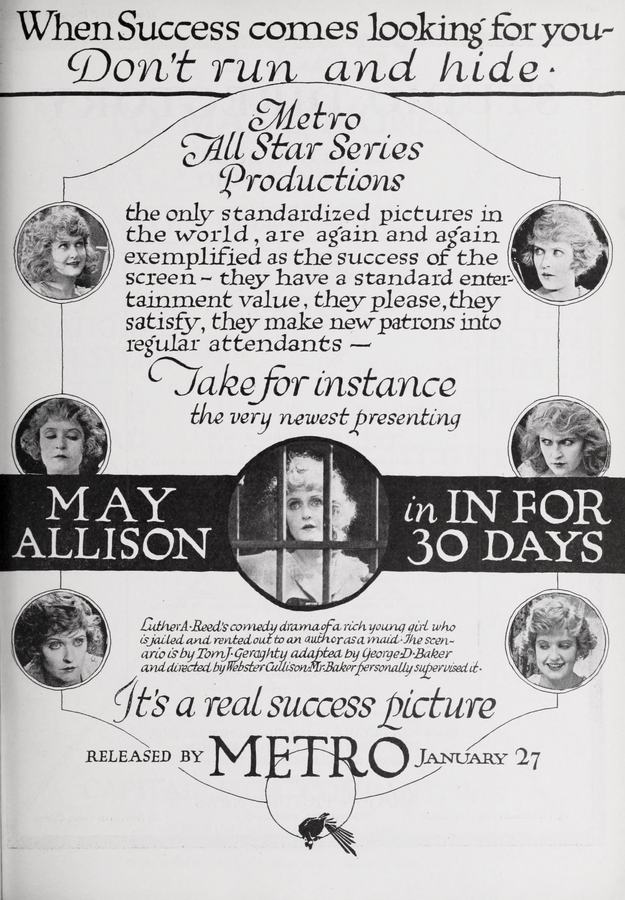

Comparing the cinematic DNA and archive impact of two defining moments in cult history.
Gerald M. Hayle
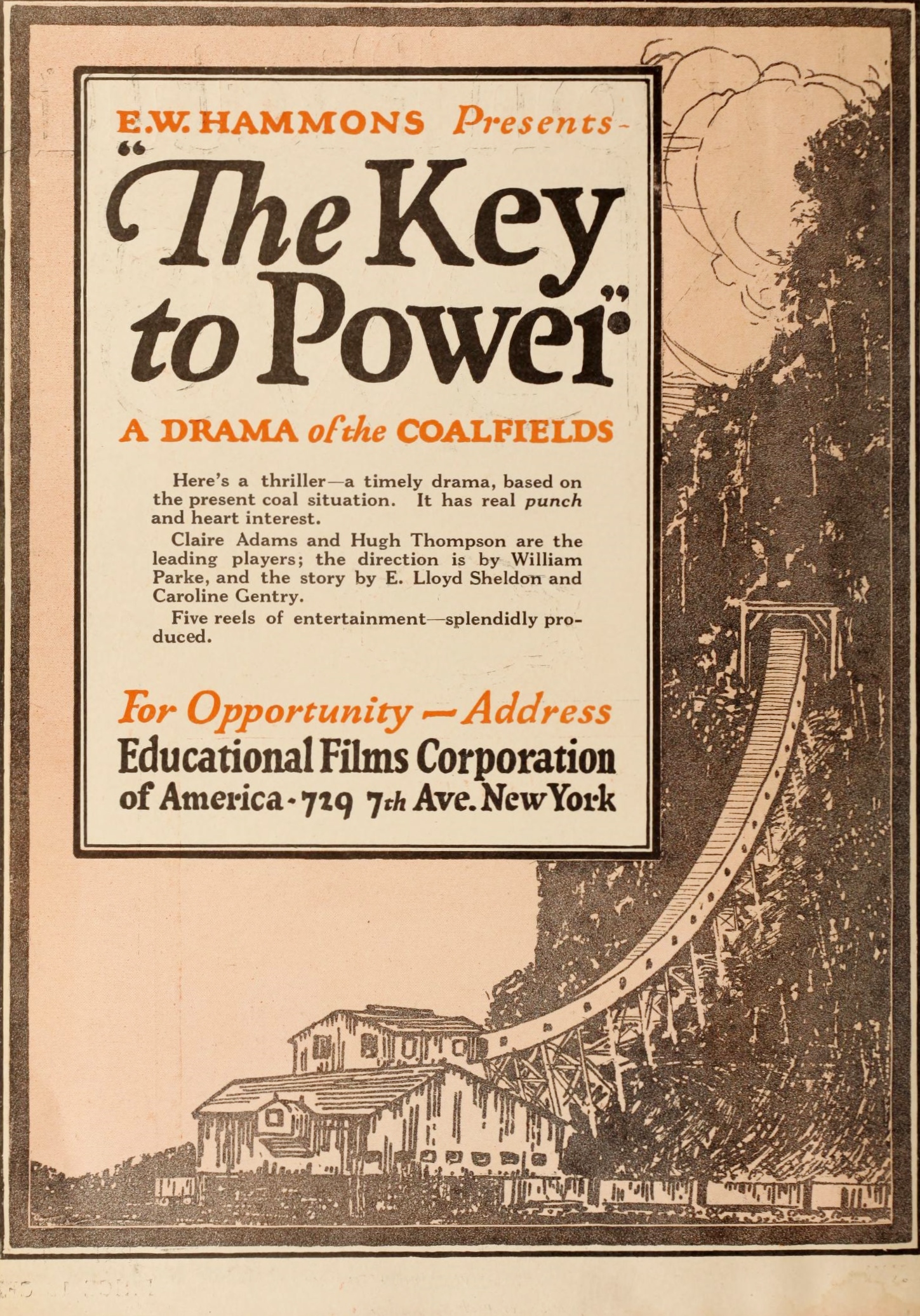
William Parke
Community
Log in to comment.
"Is This Film Worth Watching Today? Is 'Environment (1927)' a silent film that holds up for contemporary audiences? Short answer: yes, but with significant caveats. This film is a compelling, if occasionally ponderous, window into early cinematic storytelling and societal concerns, making it a valuable watch for specific cinephiles. It is unequivocally for those who appreciate the artistry of silent cinema, film historians, and viewers seeking a profound exploration of human adaptation to urban s..."
Charles Brown
Gerald M. Hayle
Australia
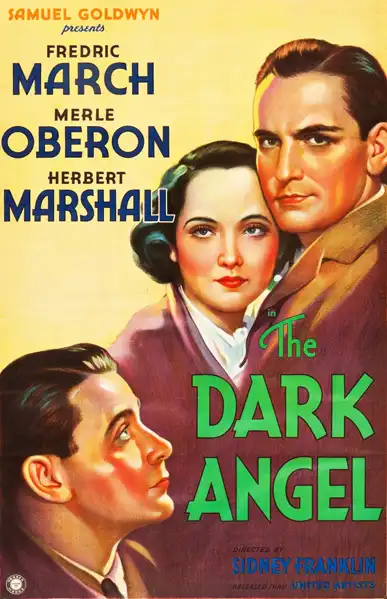
1935 · IMDb 6.6