
Cult Cinema
The Alchemical Origins of Obsession: How Early Cinema's Misfits Birthed the Cult Paradigm
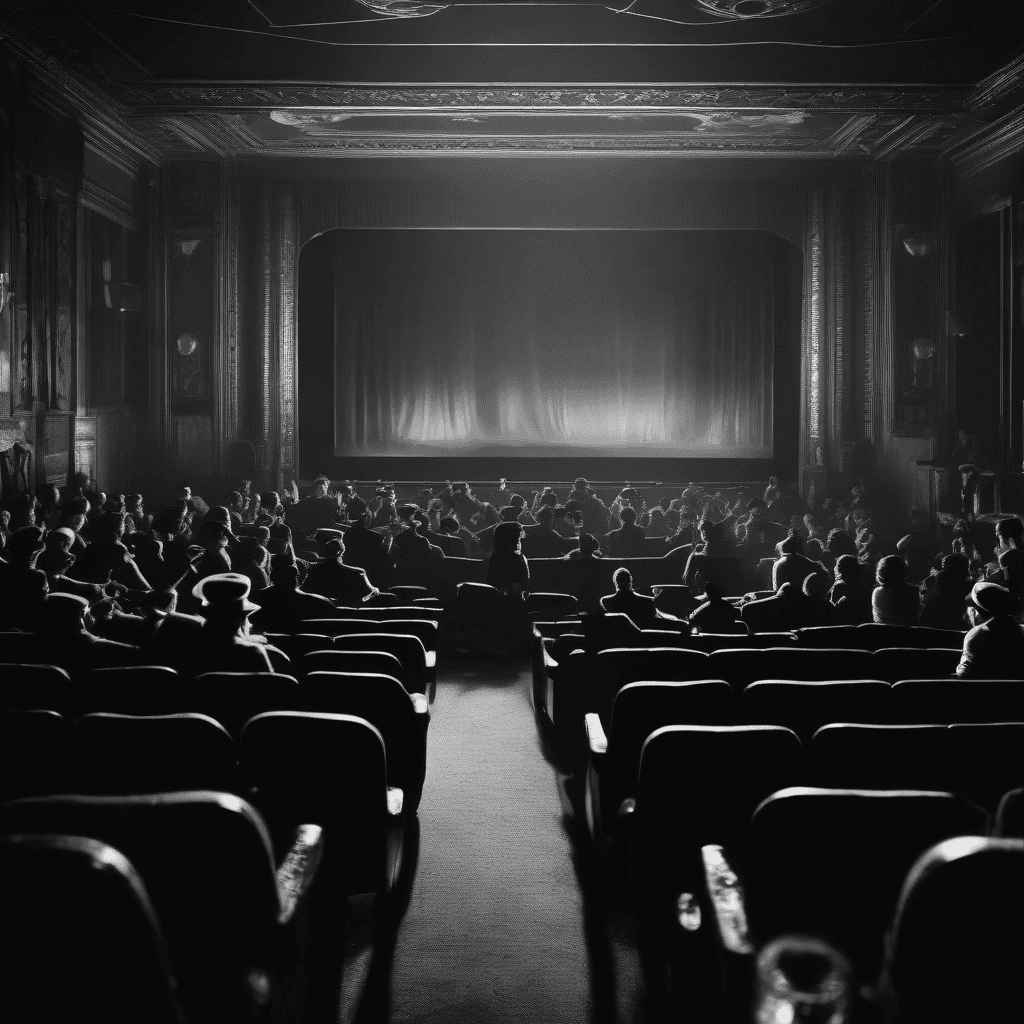
“An exploration into the transgressive roots of cult cinema, tracing how the forgotten rebels and strange narratives of the silent era forged the DNA of modern midnight movies.”
To understand the modern cult film phenomenon, one must look beyond the neon-soaked midnight screenings of the 1970s and dive into the flickering, silver-nitrate shadows of the early 20th century. While contemporary audiences often associate cult cinema with campy horror or avant-garde surrealism, the DNA of cinematic rebellion was actually encoded during the silent era. It was a time of radical experimentation, where filmmakers, unburdened by the rigid structures of the later studio system, explored the fringes of human experience, social taboo, and narrative anarchy.
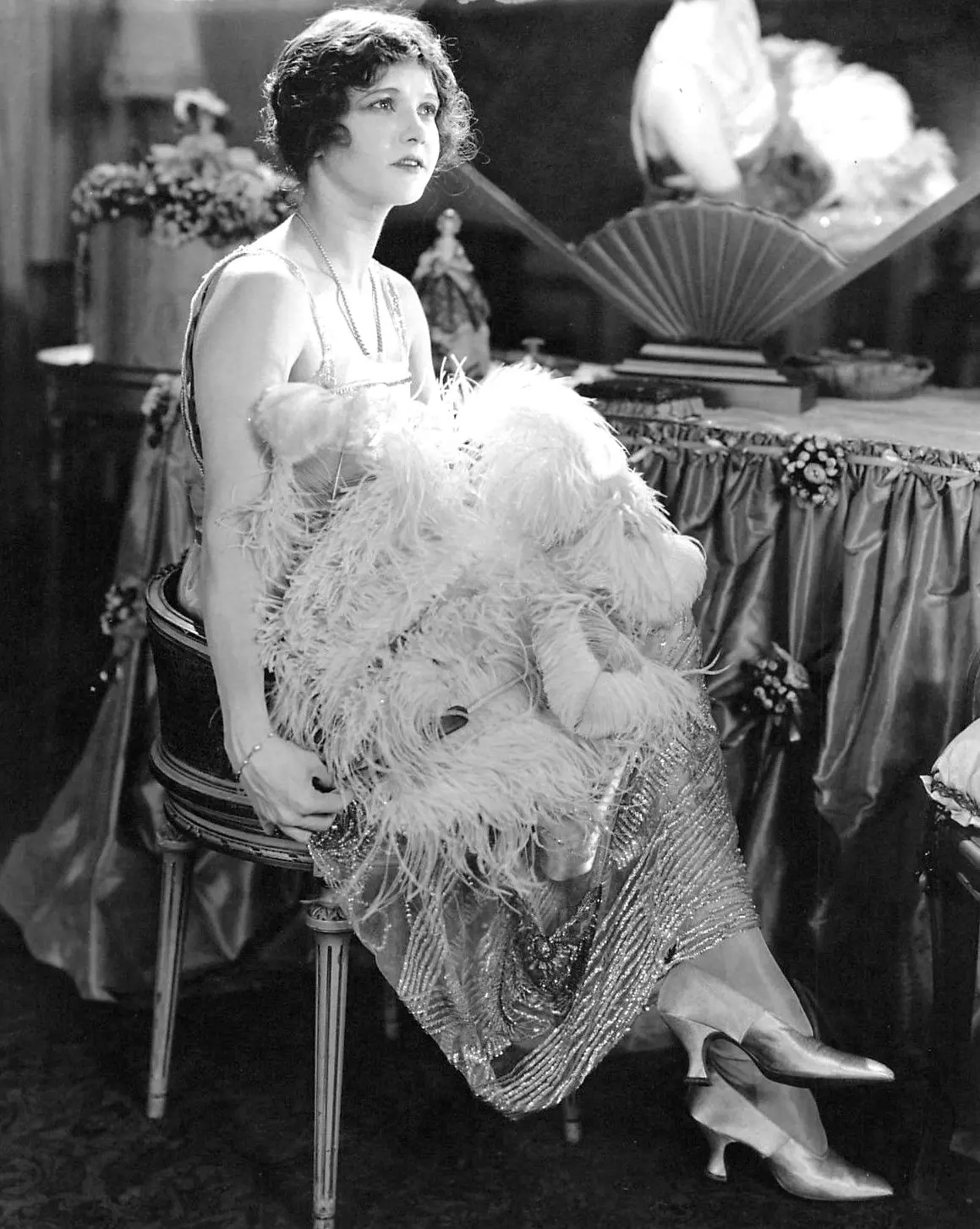
The Birth of the Cinematic Outlier
The term "cult film" implies a devotion that transcends mainstream popularity. It suggests a work that speaks to the marginalized, the misunderstood, and the seekers of the strange. In the early 1920s, films like The Blot served as an early blueprint for this outsider perspective. Directed by Lois Weber, this film bypassed the escapism of typical Hollywood fare to present a grueling, empathetic look at the "shabby genteel"—the educated poor. By focusing on the friction between unmotivated wealthy students and a struggling professor’s family, Weber created a visceral social commentary that would later become a hallmark of cult realism. It wasn't just a drama; it was a challenge to the status quo, much like the subversive indie hits that define modern cult circles.
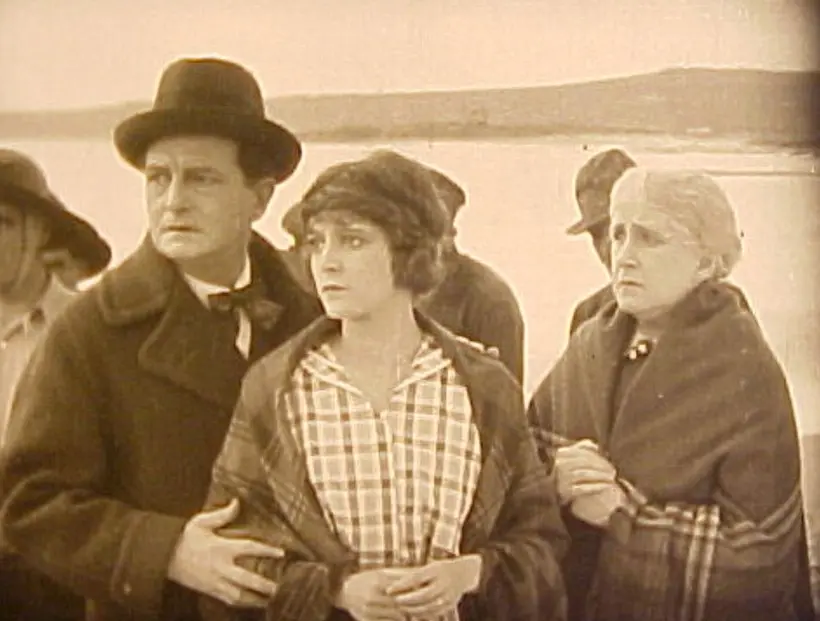
Social Friction and the Marginalized Voice
In the same vein, A Man's Home explored the internal rot of the domestic sphere, where neglect and betrayal turned the sanctuary of the family into a theater of psychological warfare. These early narratives were not afraid to dwell in the uncomfortable, laying the groundwork for a cinema that prioritizes emotional honesty over commercial viability. This is the very essence of the cult ethos: a refusal to look away from the complexities of the human condition, no matter how bleak or unconventional they may seem.
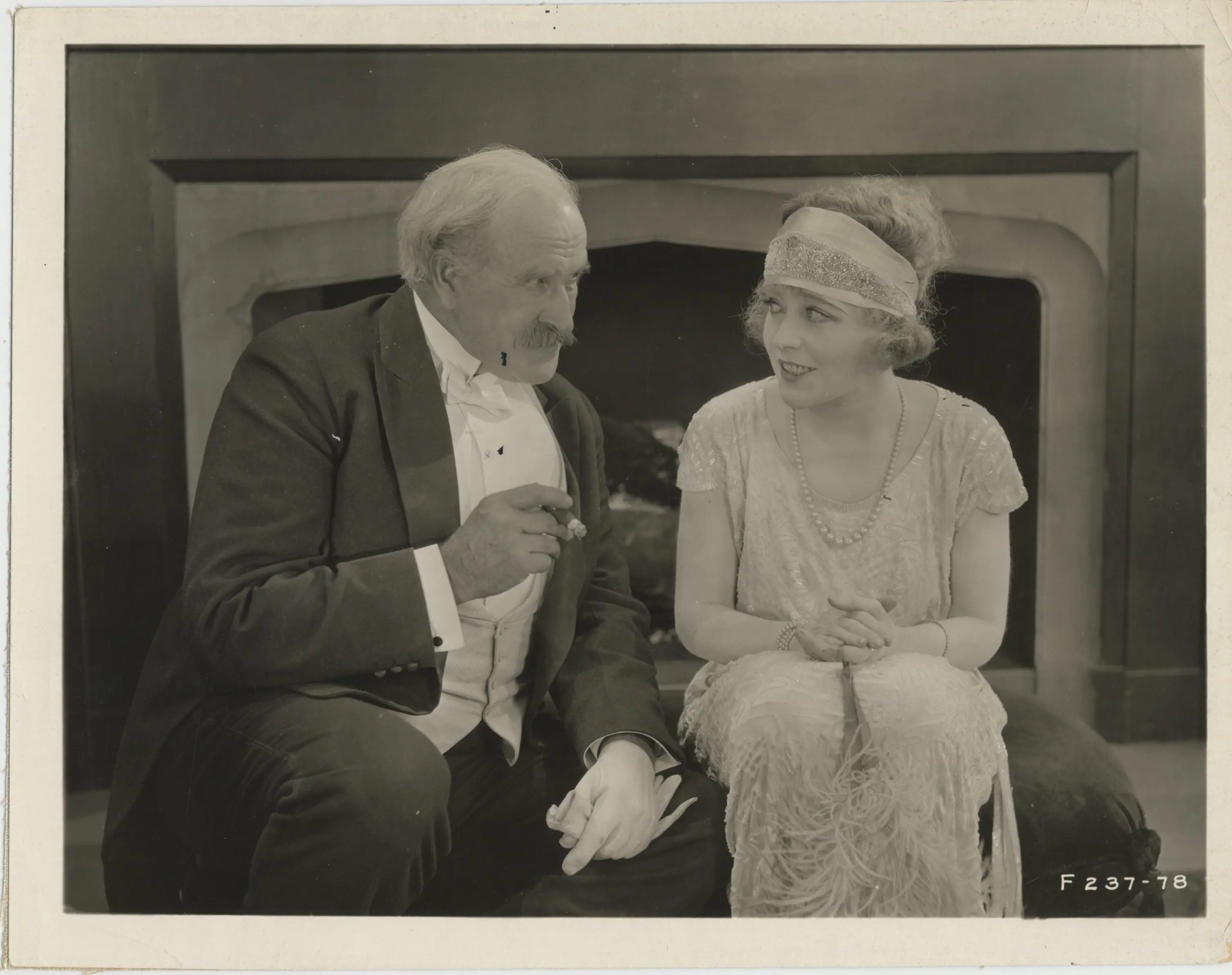
The Transgressive Pulse: Drugs, Gambling, and Taboo
Cult cinema has always been the home of the transgressive—the stories that the mainstream deemed too dangerous or too "low-brow" for polite society. Long before the drug-fueled counterculture films of the 1960s, the silent era was already grappling with the dark side of addiction. Black Fear, for instance, offered a harrowing depiction of the effects of cocaine on a family, a subject matter that was shockingly ahead of its time. By bringing the "unmentionable" to the screen, these films acted as the original midnight movies, attracting audiences who craved a more unfiltered view of the world’s underbelly.
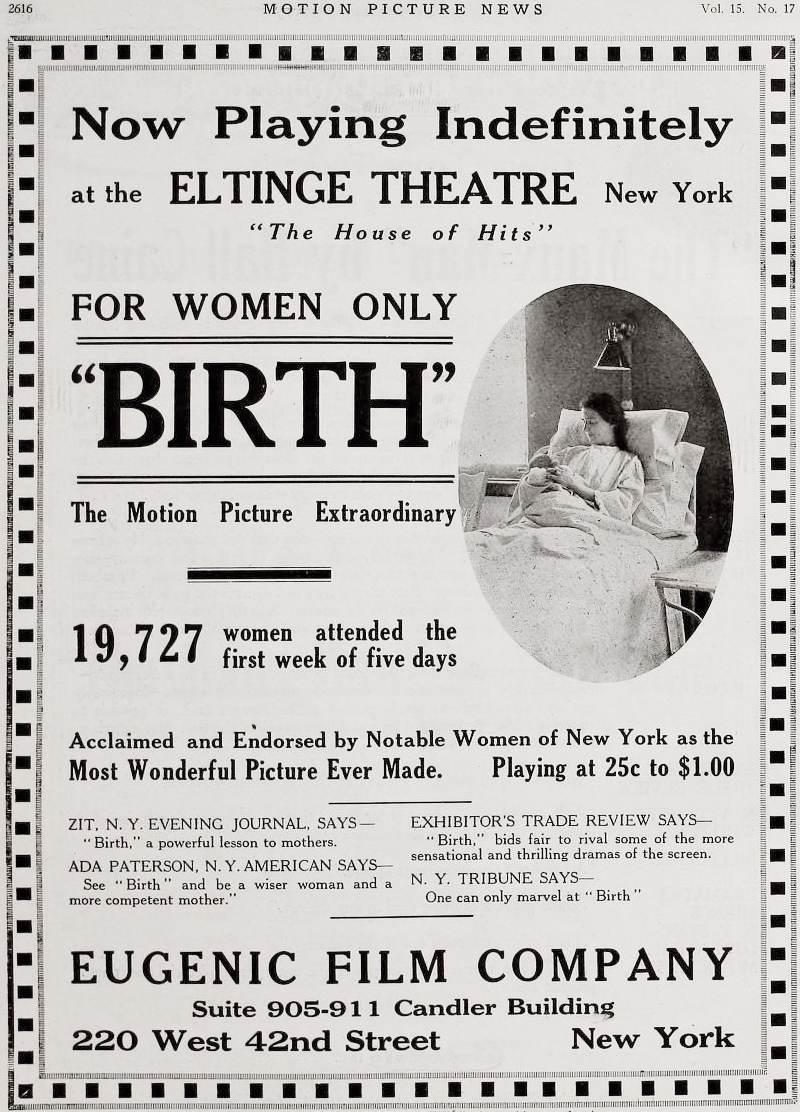
The Addiction Narrative as Proto-Cult
Similarly, The Avalanche (1919) delved into the compulsive world of gambling, showing how the "sins of the mother" could threaten the next generation. These films were the precursors to the "exploitation" genre, but they carried a sincerity and a moral weight that elevated them beyond mere sensationalism. They were narrative experiments in human frailty, providing a mirror for those who felt out of step with the sanitized morality of the era. This tradition of exploring taboo subjects—addiction, obsession, and moral ambiguity—is what continues to draw devotees to the cult altar today.
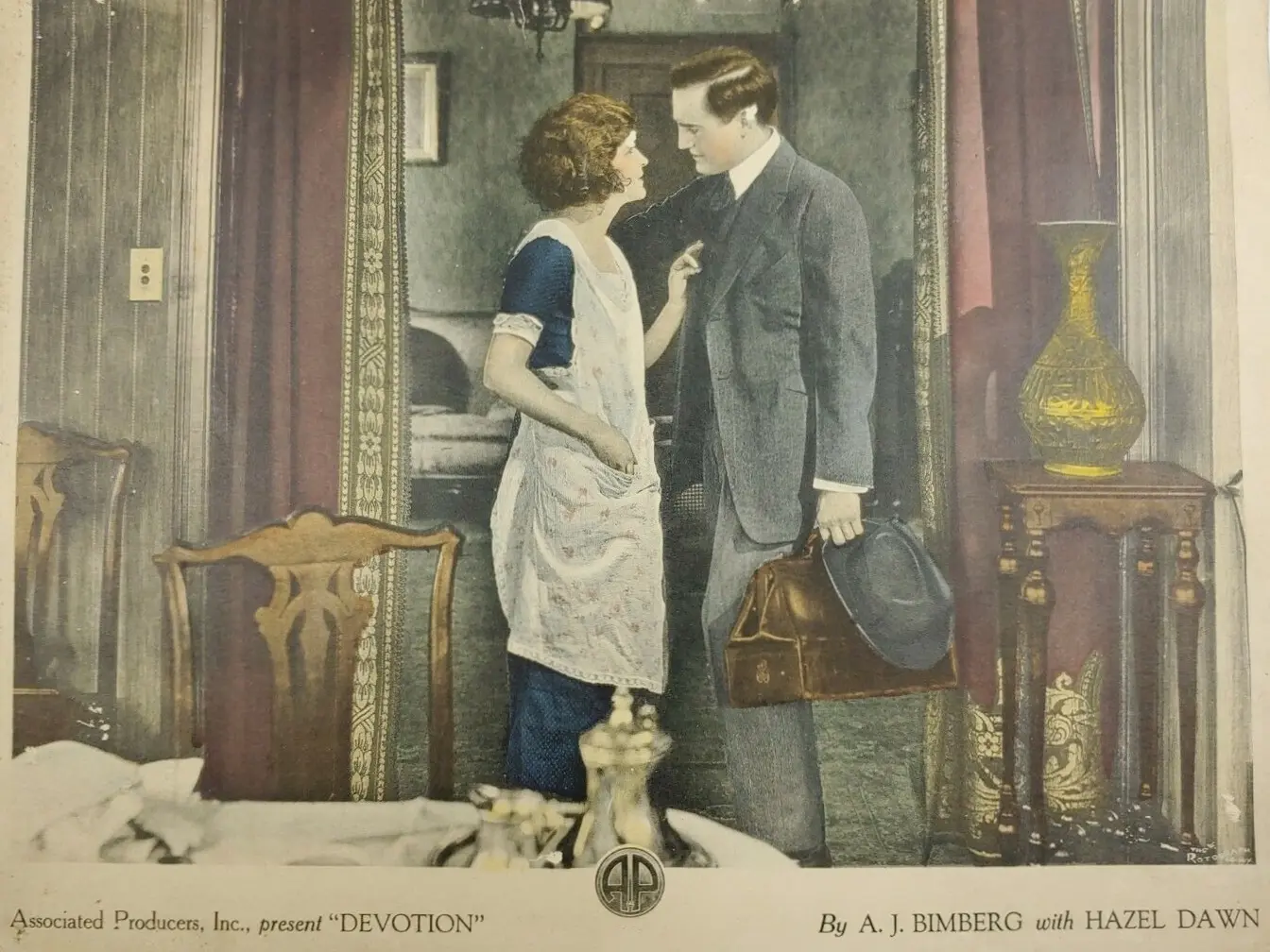
Absurdist Comedy: The Original Midnight Humor
If cult cinema is defined by its strange narratives, then the slapstick and surreal comedies of the 1910s are its holy scriptures. Films like The Agonies of Agnes, featuring a "tiny tot" weighing two hundred pounds with a fondness for ale, pushed the boundaries of physical comedy into the realm of the grotesque and the absurd. This type of anarchic humor—which mocks body standards, social norms, and even the medium of film itself—is a direct ancestor to the works of John Waters or the Monty Python troupe.
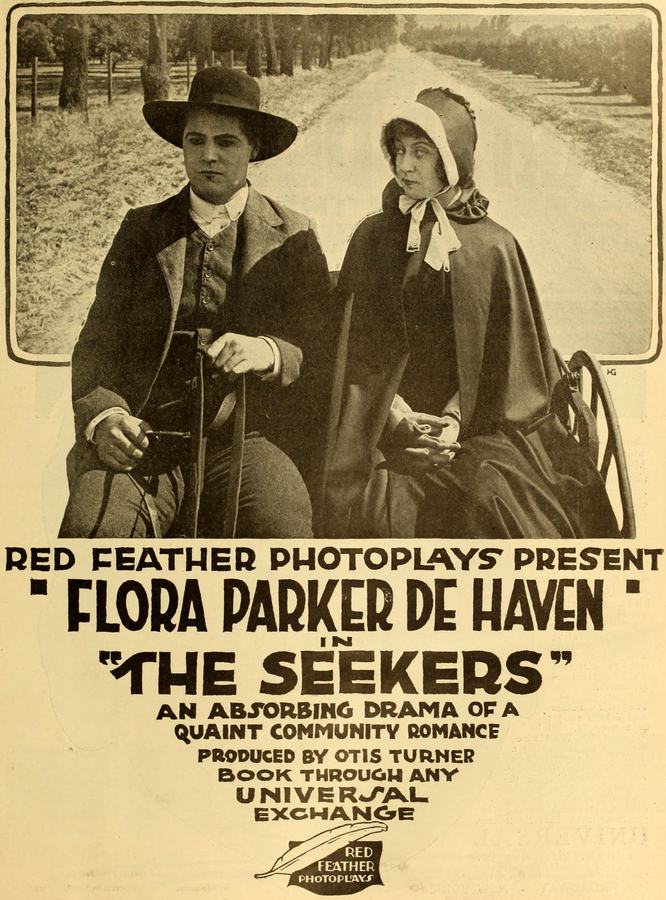
Satire and the Subversion of Genre
We see a similar subversion in Billy Blazes, Esq., where Harold Lloyd parodies the burgeoning Western genre. By poking fun at the tropes of the "crooked lawman" and the "heroic cowboy," the film encouraged audiences to look at the screen with a critical, ironic eye. This meta-textual awareness is a key component of cult fandom; it’s the ability to appreciate a film not just for its story, but for how it plays with, or dismantles, the rules of storytelling. Even a short like The Love Egg, with its bizarre premise of a name written on an egg leading to a decade-long romantic pursuit, showcases the kind of high-concept weirdness that today would be celebrated at a fringe film festival.
Genre Anarchy and Experimental Visions
The true power of cult cinema lies in its refusal to be categorized. The early 1920s were a hotbed for films that defied easy labeling. Take Kino-pravda no. 9, part of Dziga Vertov’s revolutionary newsreel series. While technically a documentary, its experimental editing and focus on the "film-truth" of Russian life made it a radical departure from traditional filmmaking. It wasn't just recording reality; it was reconstructing it through the lens of a camera, a concept that would later influence everything from the French New Wave to modern mockumentaries.
The Thrill of the Unknown
On the narrative side, films like The Scuttlers (a drama about insurance fraud at sea) or Treason (1918) (a story of explosives and marital neglect) blended genres in ways that kept audiences guessing. These weren't just simple stories; they were tonal tightropes that combined suspense, social drama, and technical innovation. This unpredictability is what makes a cult film enduring. When a viewer discovers a film like Miraklet, with its strange mix of religious satire and seaside romance, they aren't just watching a movie; they are uncovering a hidden artifact from a more daring cinematic past.
The Cult of the Secret Identity
Another recurring theme in cult cinema is the idea of the "secret self"—the identity hidden behind a mask of social respectability. This is seen vividly in Up in Mary's Attic, where a woman must hide her marriage and her child to inherit a fortune. The absurdity of the situation—living in a private school while juggling a secret domestic life—creates a tension that is both comedic and transgressive. It speaks to the performative nature of existence, a theme that resonates deeply with cult audiences who often feel they are playing a role in their own lives.
Masquerades and Misunderstandings
This fascination with hidden truths extends to films like Officer 666 or A Very Good Young Man, where characters adopt false personas or attempt to cram a lifetime of "wild oats" into a single night. These narratives of identity flux and social masquerade provide the perfect fodder for cult obsession because they celebrate the rebel who operates outside the boundaries of their prescribed social class. Whether it's a wealthy girl dressing a dog in baby clothes in The Mantle of Charity or a college hero refusing to enter the family business in The Ne'er Do Well, these characters represent the primal urge to break free from expectation.
Conclusion: The Eternal Flame of the Fringe
As we look back at these forgotten reels, from the desert island adventures of Beach of Dreams to the satirical courtroom drama of The Tangle, we see more than just old movies. We see the foundational stones of a subculture. Cult cinema is not a modern invention; it is a timeless impulse to celebrate the odd, the transgressive, and the misunderstood. These early films were the first to prove that the most enduring stories aren't always the ones that win the box office—they are the ones that survive in the hearts of the few who see something of themselves in the shadows.
The legacy of the silent era’s genre rebels lives on every time a group of fans gathers in a darkened theater at midnight to watch a film that the rest of the world has forgotten. In the end, the true magic of cult cinema is its ability to turn a "misfit" film into a sacred text, ensuring that the voices of the fringe will never be truly silenced.
Community
Comments
Log in to comment.
Loading comments…