
Cult Cinema
The Alchemical Screen: Decoding the Primal Magnetism of Cinema's First Century of Misfits
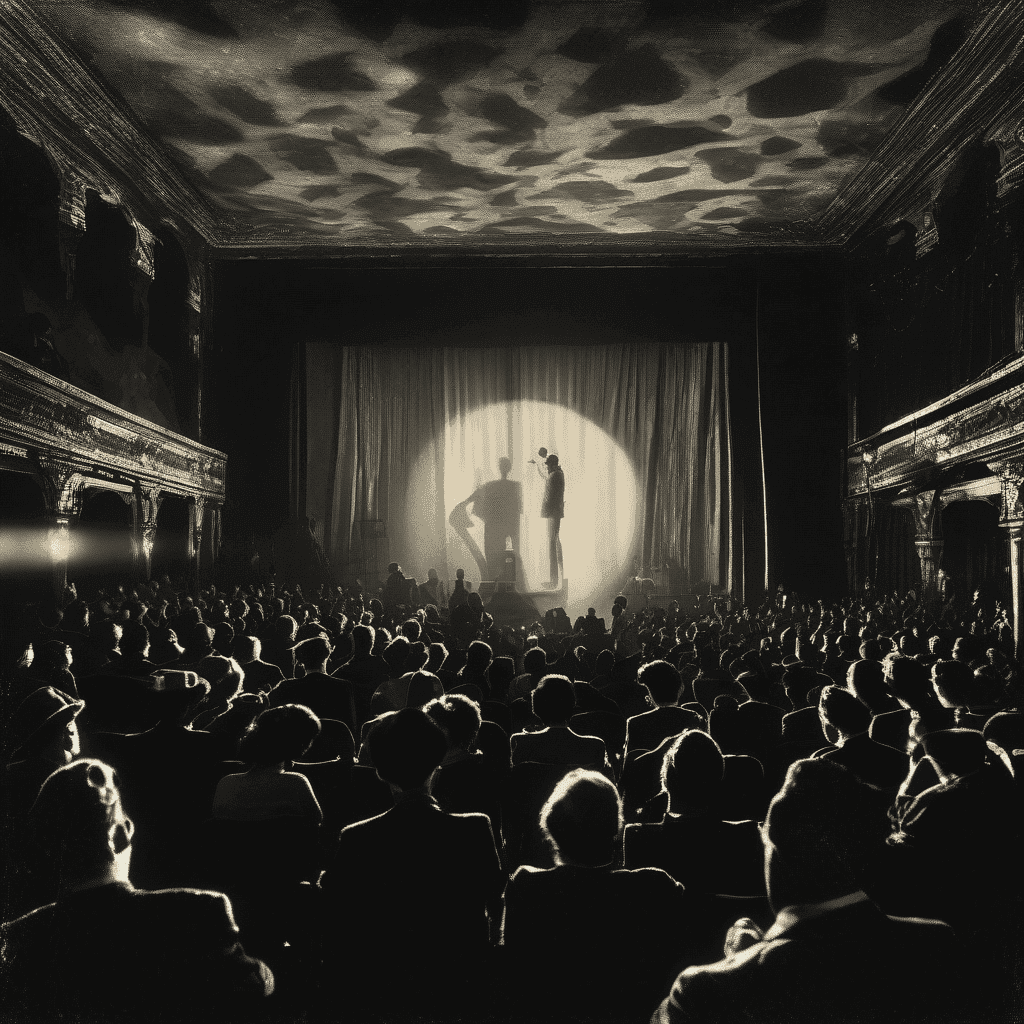
“An exploration into the roots of cult cinema, examining how the silent era's outcasts and transgressive narratives laid the foundation for modern midnight movie devotion.”
The history of cinema is often written by the victors—the blockbusters that shattered records and the prestigious dramas that swept awards. However, beneath the polished surface of the mainstream lies a darker, more volatile current: the world of cult cinema. This is a realm defined not by broad consensus, but by the intense, often obsessive devotion of a niche audience. To understand the modern cult phenomenon, we must look back at the first century of film, a period where the seeds of rebellion, transgressive morality, and narrative anarchy were first sown. From the dusty trails of the Western frontier to the claustrophobic streets of Paradise Alley, the early 20th century birthed a legion of cinematic outcasts that continue to resonate with the modern soul.

The Genesis of the Untamed Protagonist
At the heart of any cult classic is the unconventional hero—a figure who refuses to fit the mold of polite society. In the 1920s, this archetype found a powerful voice in films like The Untamed. The character of "Whistling Dan," a boy found in the desert and raised in a domestic setting, remains fundamentally feral. His "hot temper" and refusal to be domesticated serve as a primal blueprint for the anti-heroes that would later populate the works of David Lynch or Quentin Tarantino. This tension between the civilized world and the raw, untamed spirit of the individual is a recurring motif in cult cinema.
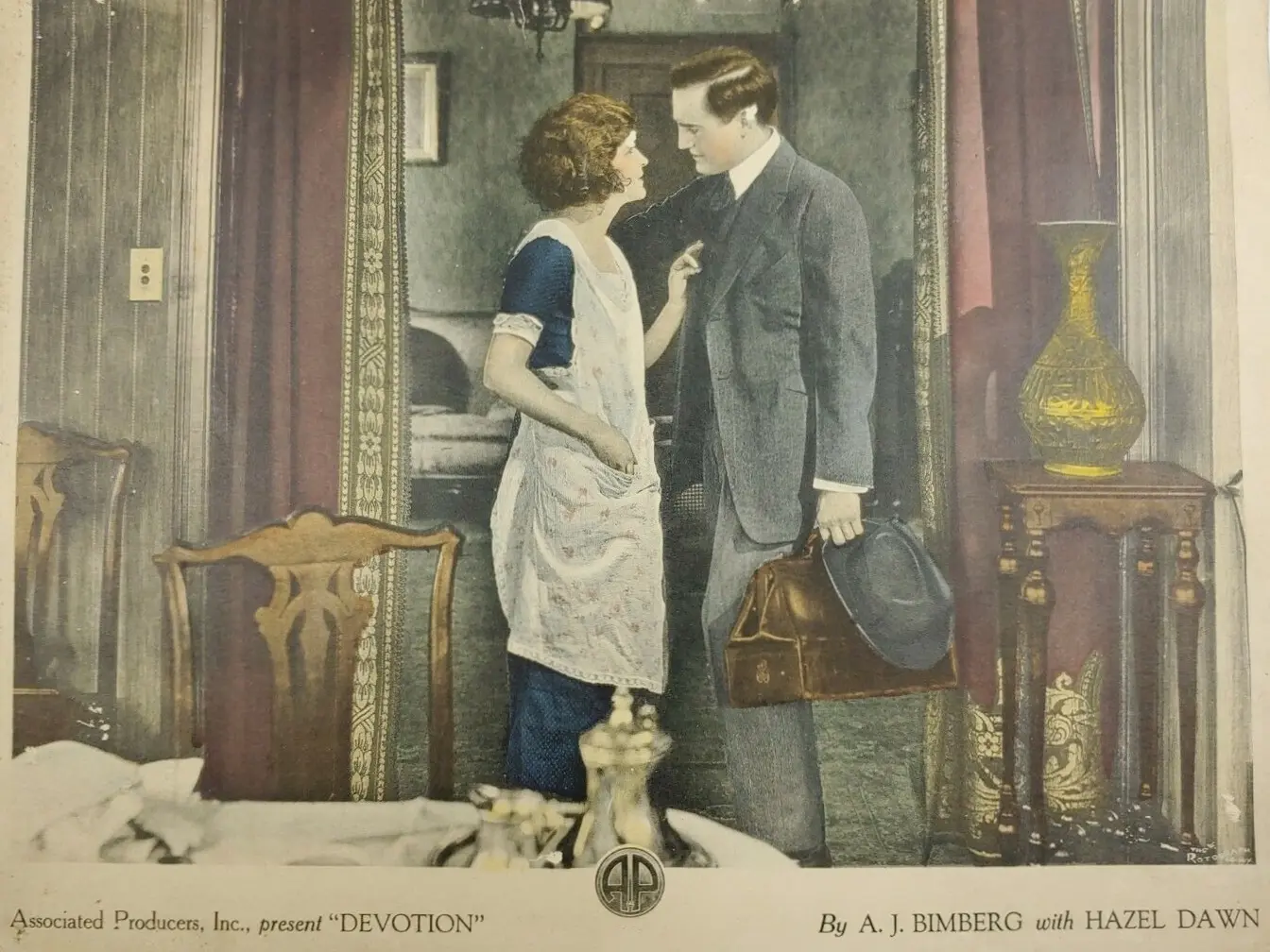
Similarly, the Western genre provided a fertile ground for these misfit narratives. In The Wolverine, we see a rancher standing up for an employee unjustly accused of cattle rustling, a theme that echoes through the decades as a defense of the marginalized. These films weren't just about gunfights; they were about the moral fortitude required to exist on the fringes. Whether it was Sandy Burke of the U-Bar-U protecting an orphan or the eponymous hero in A Marked Man being saved from the gallows by a mother’s belief, these early works focused on the "outlaw" as a sympathetic, complex figure.

Satire and the Subversion of the Social Order
Cult cinema has always been a weapon of social critique, using humor and irony to dismantle the status quo. The Bulgarian film Bay Ganyo (1922) is a masterclass in this, creating a character that symbolized the negative features of the newly created bourgeoisie. By turning a mirror on the audience, such films foster a specific type of intellectual devotion. They invite the viewer to join a "secret society" of those who recognize the absurdity of the world around them.

Political satire also played a crucial role in the development of the cult aesthetic. Paz e Amor, a Brazilian film criticizing President Nilo Peçanha, demonstrated that the screen could be a site of active resistance. This tradition of using the medium to poke at authority is a cornerstone of cult fandom. When we look at Squabs and Squabbles, set in the tough neighborhood of Paradise Alley, we see a microcosm of social friction where everyone has a grudge. This "battlefield" of the everyday is where the cult audience finds its reflection—in the struggle, the grit, and the refusal to submit to the "Big Boss" of the street.
The Transgressive Lens: Morality and the Macabre
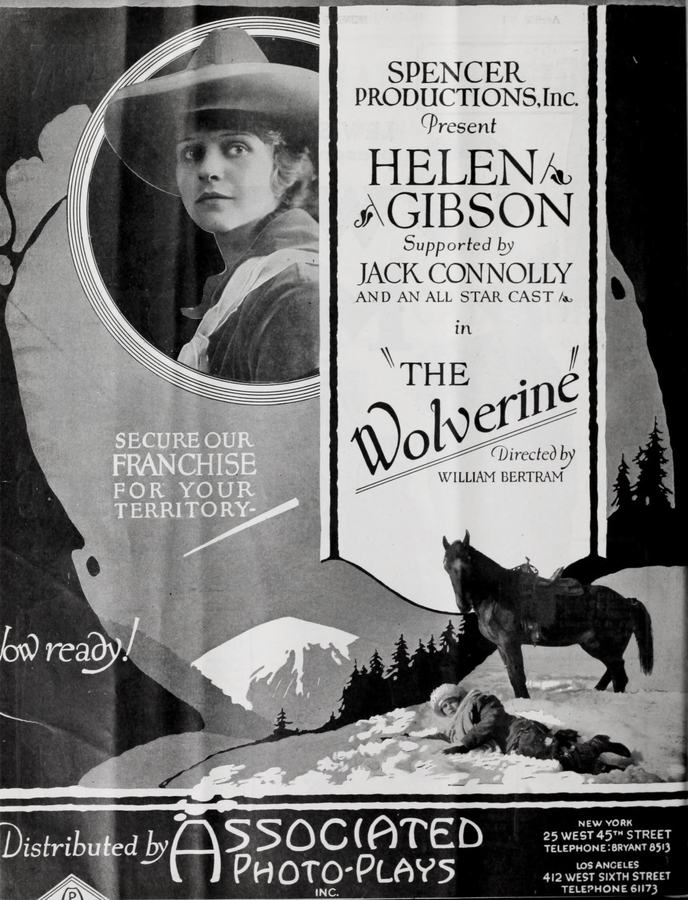
Perhaps the most enduring element of the cult film is its willingness to explore the forbidden and the taboo. The silent era was surprisingly daring in its treatment of sin, suffering, and redemption. Via Crucis, billed as a modern passion play about human delusion, and The Great Redeemer, which depicts a thief’s drawing of the crucifixion coming to life, pushed the boundaries of visual storytelling and spiritual inquiry. These films didn't offer easy answers; they offered a visceral experience that stayed with the viewer long after the lights came up.
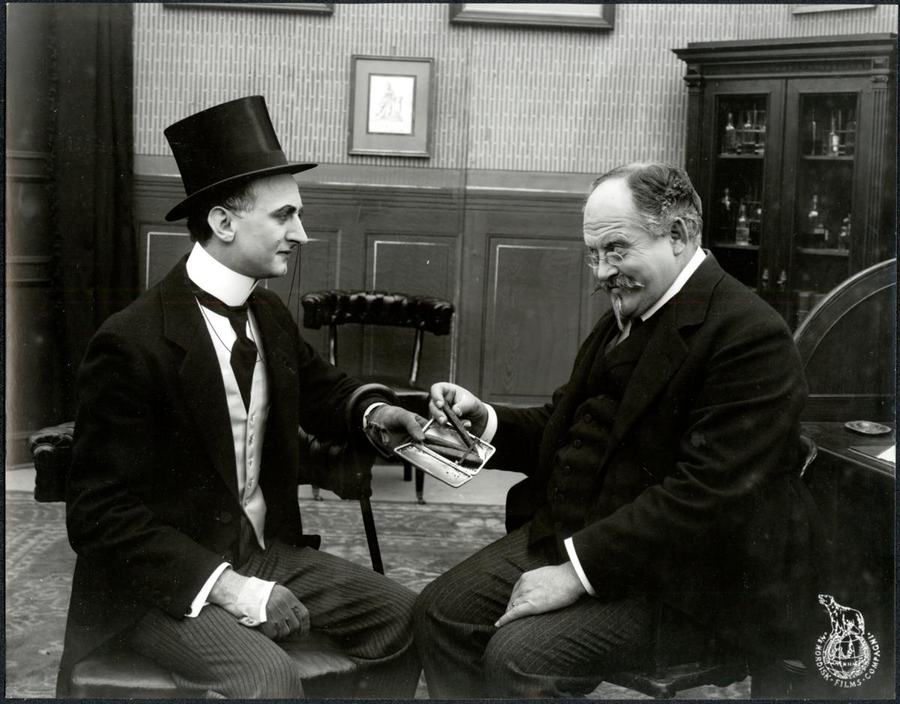
The exploration of the female psyche also provided a source of transgressive power. In Chains of the Past, a woman finds the domesticity of marriage repugnant, a radical sentiment for its time. A Woman's Woman follows Densie Plummer as she seeks independence after twenty years of feeling unappreciated, highlighting the strife that comes with breaking social contracts. These narratives of female autonomy and the rejection of traditional roles paved the way for the subversive heroines of later underground cinema.
The Urban-Rural Divide and the 'Hick' Archetype
The transition from rural life to the burgeoning city was a source of both comedy and anxiety in early cinema. Fresh from the Farm (1921) presents the classic "hick in the city" trope, where Harry is immediately fleeced by a "silk hatted slicker." This sense of suspicion and the feeling that every accident is a plot is a precursor to the paranoia-driven cult films of the mid-century. The "outsider" status of the rural protagonist in an urban environment mirrors the cult fan’s own sense of alienation from mainstream culture.
In Where the West Begins, we see the reverse: a bored millionaire's son sent West to find himself. This cross-pollination of environments suggests that the "truth" of the human condition is often found in the displacement of the individual. Whether it is Back to the Woods, where an heiress masquerades as a teacher to find a "real man," or The Broadway Sport, where a meek clerk finds himself embroiled with criminals, the movement across social and geographic borders creates a narrative friction that cult audiences find irresistible.
Technical Anarchy and Visual Innovation
Cult cinema is often celebrated for its unique visual language, often born out of necessity or a rejection of standard techniques. Early films like The Adventures of Ruth or the serial mystery Mistinguett détective utilized pacing and suspense in ways that felt fresh and untethered to the rigid structures of high-brow drama. The use of visual metaphors, such as the life-giving drawing in The Great Redeemer or the evocative shadows in The Scarlet Letter, demonstrated that the camera could capture more than just reality—it could capture the subconscious.
Short comedies like Loose Change, featuring trap doors and bank robbers, or Heroic Ambrose, with its chaotic beach frolics, emphasized the kinetic energy of the medium. This "cinema of attractions" approach, where the spectacle and the gag take precedence over a linear plot, is a direct ancestor to the experimental and avant-garde films that populate cult circles today. The joy is in the movement, the surprise, and the breaking of the fourth wall.
The Enduring Legacy of the Forgotten
Why do we return to these obscure titles? Why does a film like Lonesome Corners or Caleb Piper's Girl hold a fascination for the modern cinephile? It is because they represent a purity of vision that is often lost in the commercial machine. These films were made in a time of discovery, where the rules were still being written. They are cinematic artifacts of a world that was grappling with modernity, changing gender roles, and the shifting nature of morality.
The cult of the forgotten is built on the act of recovery. When a viewer unearths A Hungry Heart or Gilded Lies, they are not just watching a movie; they are participating in a ritual of preservation. They are saying that these voices—the vivacious Gilberte, the stoic John Spaulding in Red, White and Blue Blood, or the struggling families in The Debt—matter. This collective memory is what transforms a simple film into a cult icon.
Conclusion: The Future of the Fringe
As we move further into the digital age, the definition of cult cinema continues to evolve. However, the core principles remain the same. It is a cinema of the "other," a space for the untamed, the satirical, and the transgressive. By looking back at the first century of film, we see that the "midnight movie" spirit was there from the very beginning. It was in the rebellious eyes of the silent star and the bold choices of the early director. The alchemical screen continues to burn bright, casting shadows that invite us to look closer, to dig deeper, and to find beauty in the unconventional. The misfits of the past are the icons of our present, and their legacy is the heartbeat of the cinematic underground.
Community
Comments
Log in to comment.
Loading comments…