
Cult Cinema
The Anarchic Archive: Decoding Cult Cinema's Primal Deviance and Enduring Fandom
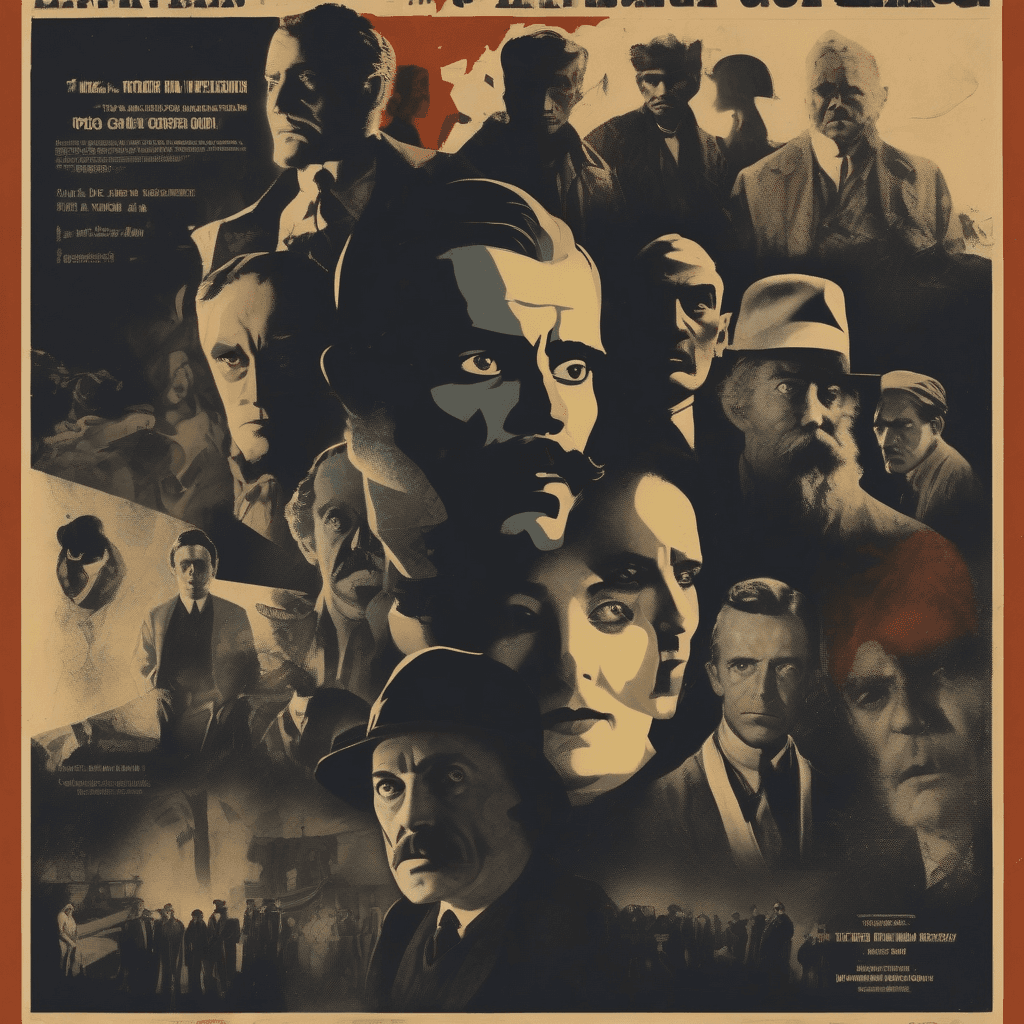
“Dive into the unconventional origins of cult cinema, exploring how the experimental spirit and narrative eccentricities of early, often overlooked films laid the groundwork for today's most beloved cinematic oddities and fervent fan communities.”
Cult cinema. The very phrase conjures images of midnight screenings, audience participation, fervent fan theories, and films that defy mainstream categorization. From the transgressive allure of Pink Flamingos to the intricate mythology of Donnie Darko, these cinematic outliers carve out their own indelible niche, fostering communities built on shared obsession and a rejection of the conventional. But where did this phenomenon begin? Was the cult film a conscious creation, or did its rebellious spirit simmer in the celluloid ether from cinema's nascent days? To truly understand the enduring power and magnetic pull of cult cinema, we must journey back to its primal stirrings, to an era when film itself was a wild, untamed frontier, and every reel held the potential for accidental deviance and unexpected resonance.
The Unscripted Genesis: Cinema's Early Wild West
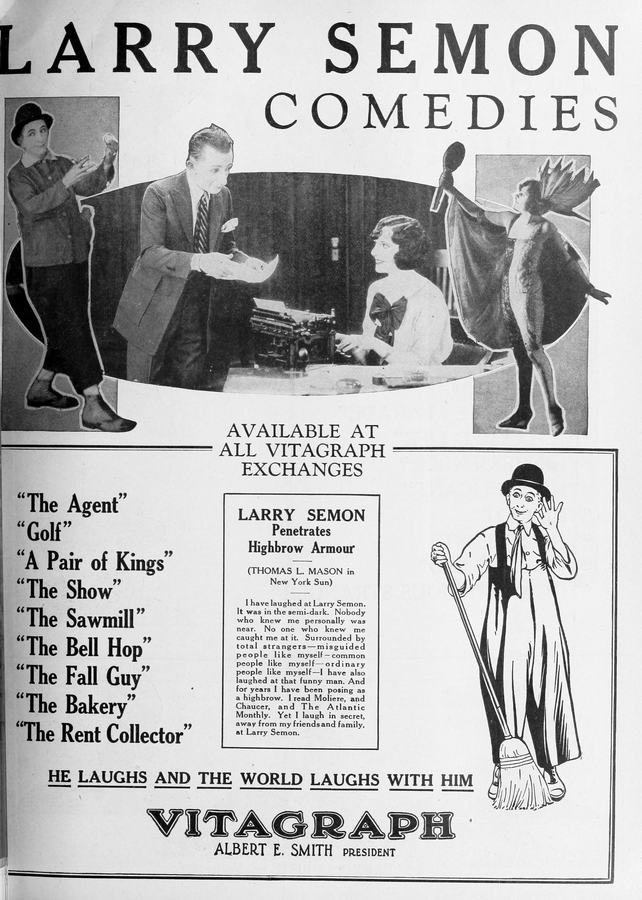
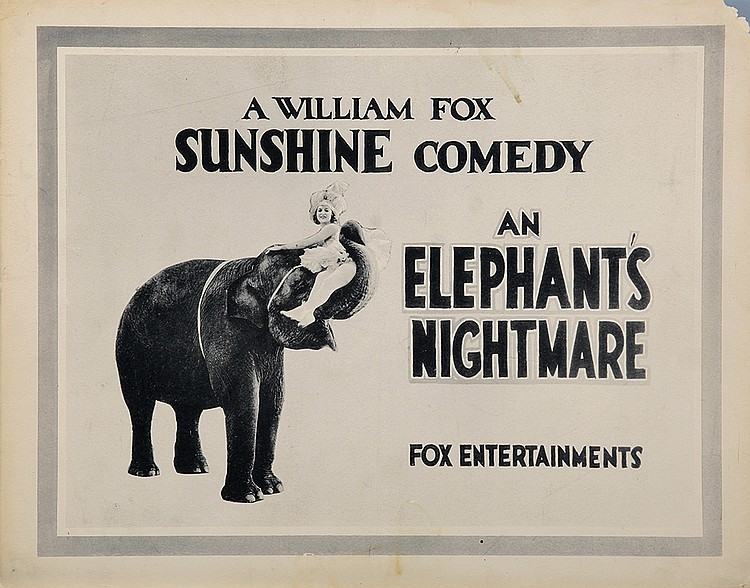
The early decades of cinema, particularly the silent era, were a veritable Wild West of storytelling. Rules were still being written, genres were fluid, and filmmakers, often operating with rudimentary technology and boundless imagination, experimented with form and content in ways that might shock or delight contemporary audiences. This fertile ground, unburdened by the rigid commercial expectations that would later define Hollywood, inadvertently gave rise to what we might consider 'proto-cult' characteristics. Films were often short, designed for quick consumption, and sometimes featured premises that, by today's standards, border on the surreal or absurd. Consider the sheer novelty of a film like The Golf Bug, a slapstick short where Paul's golf balls wreak havoc, or An Elephant's Nightmare, detailing a man's bungling backstage job. While not 'cult' in the modern sense, these films represent a spirit of unbridled, often chaotic creativity, a willingness to explore simple, bizarre concepts that could easily find a dedicated, if small, following among those seeking something truly different.
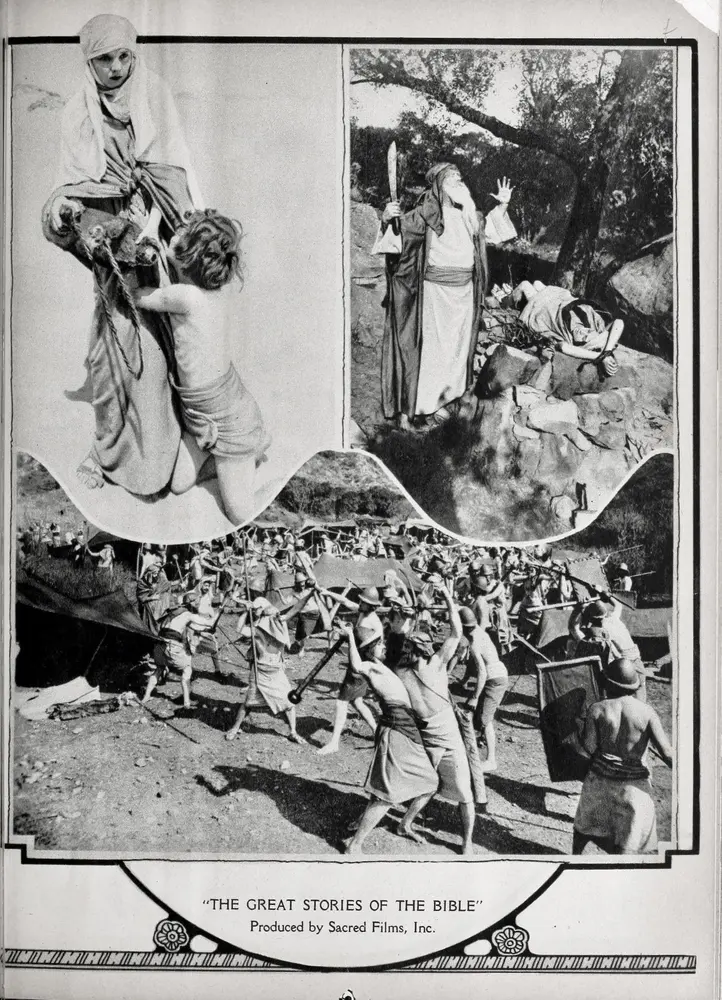
This era was marked by a delightful narrative anarchy, a freedom to explore themes without the heavy hand of established critical or commercial paradigms. Stories could be melodramatic to an extreme, morally ambiguous, or simply strange. The very act of watching a film was still a novel experience, and audiences were perhaps more open to the unexpected. It’s in this environment that the seeds of cinematic deviance were sown, long before the term 'cult film' entered the lexicon. The sheer volume and variety of films produced, often with limited distribution, meant that many were destined for obscurity, yet each held a flicker of unique vision that, for the right viewer, could ignite a lifelong fascination.
Narrative Dissidence and Taboo Tensions
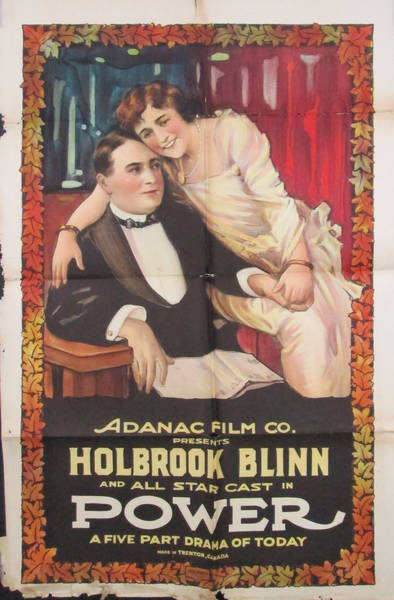
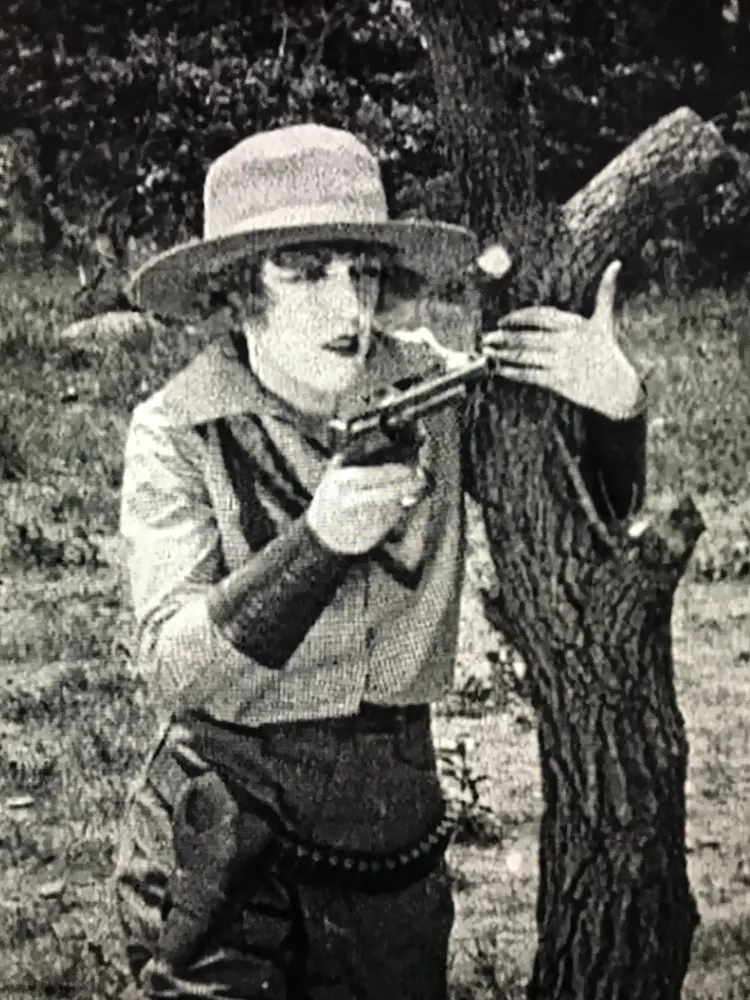
While the Hays Code and other censorship boards would later attempt to sanitize American cinema, early film often flirted with, or outright embraced, narrative elements that pushed societal boundaries. Even within seemingly conventional dramas or romances, there existed undertones of transgression, psychological complexity, or moral ambiguity that resonate deeply with the sensibilities of cult cinema. Human Desire, inspired by a statue of the infant Christ, exploring a nun's deep passion for babies, hints at a psychological depth and unconventional premise that could easily be recontextualized as cult fare today. Similarly, The Cheater Reformed delves into blackmail, illicit love, and a minister's past embezzlement, portraying a world far from saccharine morality tales.
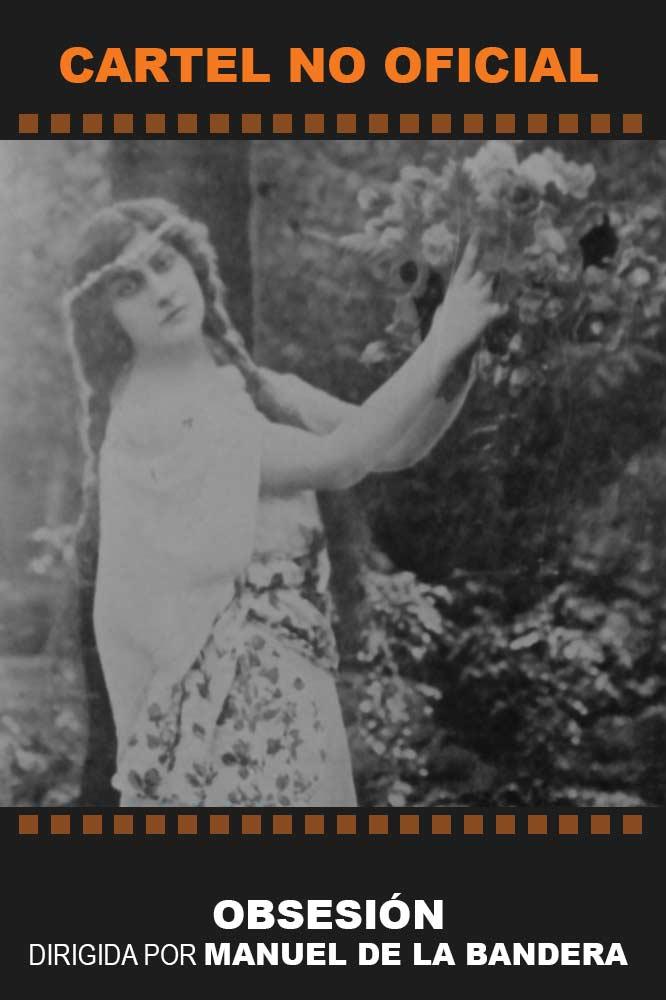
European cinema, often less constrained, presented even bolder explorations. Consider the German film Die Dame, der Teufel und die Probiermamsell, where a wealthy lady's obsession with an ermine coat leads to a demonic abduction into the underground. This blend of the mundane with the supernatural, the psychological with the fantastical, prefigures the surrealism and dark fantasy that would become hallmarks of later cult classics. These early narratives, whether through overt themes or subtle implications, offered viewers a glimpse into worlds that challenged, rather than confirmed, their everyday realities. They tapped into primal fears, desires, and curiosities, setting a precedent for films that dare to be different, to unsettle, or to simply exist outside the comfortable mainstream.
The Allure of the Outcast and the Uncanny
Cult films often celebrate the outcast, the misunderstood, or the individual who defies norms. This fascination with the 'other' can be traced back to early cinematic portrayals. Films like Hoodoo Ann, about an orphan girl who believes herself cursed until marriage, or M'Liss, a feisty young girl in a mining camp, feature characters who are, in some way, outside the dominant social structure, navigating their own unique challenges. Their struggles, their quirks, and their ultimate triumphs (or tragedies) could forge a strong empathetic connection with audiences who felt similarly marginalized or simply drawn to unconventional heroes.
Then there's the uncanny, a powerful element in many cult films. The unsettling blend of the familiar and the strange, the supernatural creeping into the everyday. The Austrian film Die Ahnfrau, where the long-dead ancestress of a noble family haunts its last descendants until the line passes, is a perfect example of this early engagement with the gothic and the psychologically disturbing. Such narratives, far from being mere jump scares, explored deeper anxieties about fate, lineage, and the persistence of the past. This willingness to delve into the darker, more unsettling aspects of the human condition, or to present overtly fantastic elements, created a distinct cinematic experience that stood apart from simpler comedies or straightforward romances.
Genre Alchemy and Narrative Experimentation
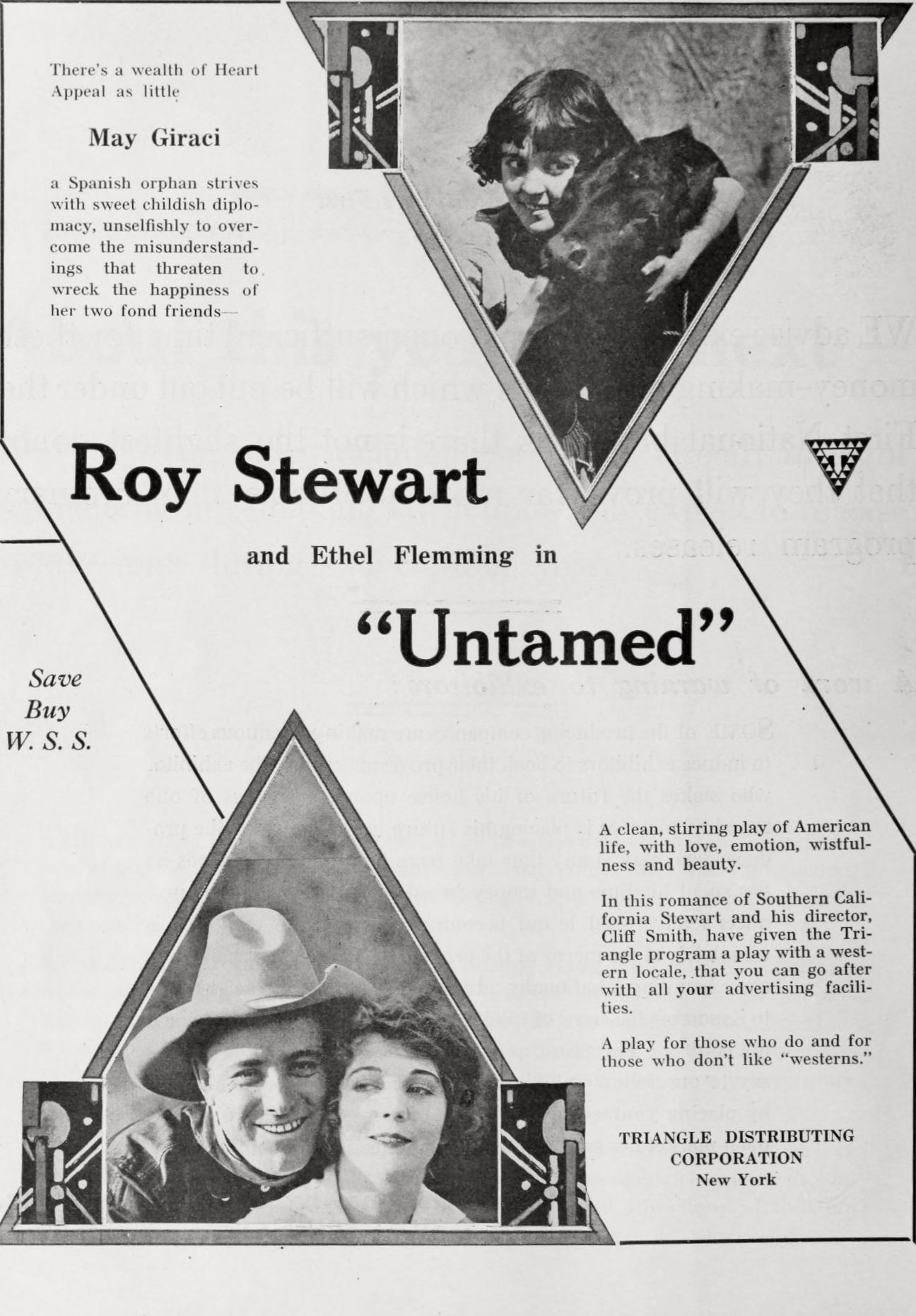
One of the defining characteristics of cult cinema is its audacious approach to genre. Boundaries are not just pushed; they are often obliterated. This experimental spirit was rampant in early cinema, where genre conventions were still nascent. A film might begin as a drama and veer into adventure, or blend comedy with social commentary. The Duke of Chimney Butte, for instance, mixes Western tropes with a dramatic narrative of a young man trying to make his fortune, selling a multi-purpose gadget. This blend of the practical with the romanticized ideal of the West hints at a playful approach to genre that cult films would later perfect.
Serials, a popular format of the era, also fostered a unique kind of narrative experimentation and viewer loyalty. Films like The Shielding Shadow or I topi grigi (part of the Za-la-Mort series) delivered ongoing sagas with cliffhangers, elaborate plots involving secret societies, criminals, and heroes. This episodic storytelling, demanding sustained engagement from its audience, built a dedicated following akin to modern serialized television, but with a heightened sense of theatrical event. The intricate, sometimes convoluted plots, and the return of beloved (or despised) characters, created a communal experience that is a precursor to the intense fandom surrounding cult franchises today.
The Rise of the Anti-Hero and the Moral Maze
Cult films often resonate because they present characters who are flawed, morally ambiguous, or outright villainous, yet compelling. Early cinema, despite its often simpler morality, occasionally dipped its toes into these complex waters. Velvet Fingers, for example, tells the adventures of a 'gentlemanly crook of astonishing resourcefulness'. This portrayal of a charming criminal, rather than a clear-cut hero, challenges conventional morality and invites a different kind of audience engagement – one of fascination with transgression. Similarly, Destiny's Toy, where a shipwreck survivor unwittingly gets involved with a criminal gang, explores themes of innocence corrupted and the blurred lines between victim and accomplice.
These narratives, which dared to complicate the black-and-white morality often expected of the era, provided a more nuanced view of humanity. They allowed audiences to grapple with difficult questions, to empathize with the 'bad guy,' or to question the very nature of justice. This intellectual and emotional complexity, present even in rudimentary forms, is a key ingredient in the enduring appeal of cult cinema, which often thrives on ambiguity and challenges easy categorization of good and evil.
The Unfolding of Fandom: From Niche to Obsession
While the concept of 'fandom' as we know it today was still developing, the seeds of collective obsession were certainly present. Imagine an audience captivated by the ongoing adventures in The Shielding Shadow, returning week after week to see what fate befell Leontine and Stephen Walcott. Or the local excitement generated by a new Chaplin-esque short like Pratas Conquistador, featuring a local replica of the iconic tramp. These shared experiences, the anticipation, the discussions in the nickelodeon lobbies, represent the earliest forms of cinematic community building. The films might not have been 'cult' in the sense of a counter-cultural movement, but they certainly fostered a deep, shared enthusiasm for specific narratives and characters.
The very act of seeking out and appreciating films that deviated from the norm, even slightly, was a proto-cult behavior. If a film like When Dr. Quackell Did Hide offered a comedic take on a classic horror story, it appealed to those with a taste for parody and genre subversion. These were the early adopters, the viewers who reveled in the unexpected, the quirky, and the challenging. This discerning taste, this willingness to engage with cinema on a deeper, more personal level, is the bedrock upon which all cult fandom is built. It’s the desire to connect with a film that speaks to a specific sensibility, often one that feels overlooked by the broader cultural conversation.
The Enduring Echoes: Connecting Past to Present
The journey from these early cinematic curiosities to modern cult classics is not a linear one, but a fascinating tapestry woven with threads of rebellion, artistic audacity, and audience devotion. The experimental spirit seen in shorts like Swat the Fly or the narrative twists of The Girl in His House, even if not intentional, paved the way for filmmakers to push boundaries further. The dramatic intensity of films like I figli di nessuno or the war-time romance of Cud nad Wisla (Miracle on the Vistula) show that even within established genres, there was room for stories that resonated deeply and perhaps unconventionally with their audiences.
What these early films, from the slapstick of Twin Beds to the dramatic tension of The Midnight Stage, collectively illustrate is that the desire for cinematic experiences that transcend the ordinary is as old as cinema itself. The 'cult' sensibility is not a modern invention; it's a primal human urge to find meaning, excitement, or simply a unique aesthetic in art that dares to challenge, provoke, or simply exist outside the expected. Whether through unsettling narratives, genre-bending antics, or simply a distinctive vision, these films, often rediscovered and recontextualized by new generations, continue to inspire and entertain.
Today, the digital age has democratized discovery, allowing once-lost or obscure films to find new life and new audiences. The spirit of the midnight movie, where communities gather to celebrate cinematic oddities, is a direct descendant of those early days when audiences gathered in darkened halls, ready to be transported by whatever strange, beautiful, or utterly bewildering vision flickered before them. The cult film, in its essence, is a testament to the power of film to forge connections, to speak to the soul of the disenfranchised, and to celebrate the glorious, anarchic heart of storytelling.
From the innocent charm of Little Orphant Annie to the exotic adventure of Lorelei of the Sea, each film, however obscure, contributed to the rich, diverse tapestry of early cinema. They were not all masterpieces, nor were they all intended to be cult objects, but their collective existence demonstrates a boundless creativity that refused to be neatly categorized. This inherent resistance to convention, this willingness to experiment and sometimes fail spectacularly, is the very DNA of cult cinema. It's a legacy of daring, of difference, and of the profound connection forged between a unique film and its devoted tribe.
Ultimately, the anarchic archive of early cinema offers a compelling origin story for the cult phenomenon. It reveals that the desire for transgressive art, for narratives that challenge and characters that defy, has been present since the silver screen first illuminated our collective imagination. The cult film, in its many forms, is a continuous rebellion, an enduring testament to the power of the unconventional, and a vibrant celebration of films that find their own unique way into our hearts and minds, often through the most unexpected paths.
Community
Comments
Log in to comment.
Loading comments…